Eurowings A320 Makes Safety Landing After NWS Fault at DUS

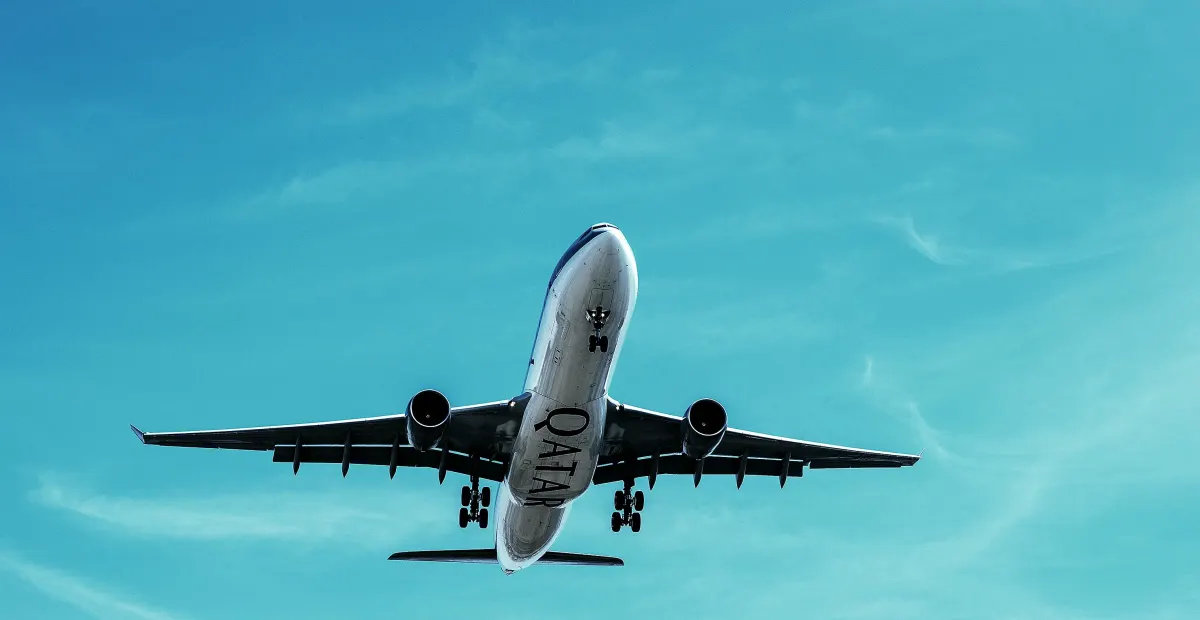
A Eurowings Airbus A320-214 carrying 130 people landed safely at Düsseldorf after a nose wheel steering failure required the aircraft to be towed.
Key Takeaways
- •Eurowings flight EW9655 landed safely in Düsseldorf after a nose wheel steering fault.
- •The aircraft, an Airbus A320-214, required towing off the runway upon landing.
- •No injuries were reported among the 124 passengers and 6 crew members on board.
- •German authorities (BFU) are expected to release a formal incident bulletin in Q3 2026.
Eurowings A320 Incident in Düsseldorf
On Friday, May 29, 2026, a Eurowings Airbus A320-214 (registered as D-AEWW) operating as Flight EW9655 from Thessaloniki to Düsseldorf (DUS) performed a successful safety landing following a technical failure. The Eurowings Airbus A320 incident occurred during the final approach phase, when the flight crew received a cockpit alert regarding a potential nose wheel steering failure. According to a Eurowings spokesperson, the crew followed standard safety protocols, notifying air traffic control and executing a precautionary low-altitude pass to allow ground personnel to visually inspect the landing gear.
Operational Impact and Response
The flight, which carried 124 passengers and 6 crew members, landed without further incident. However, due to the loss of directional control on the ground, the aircraft could not taxi to the gate under its own power. Düsseldorf Airport (DUS) ground control deployed specialized tow tugs to remove the aircraft from the runway, resulting in minor operational delays for trailing arrivals. Eurowings confirmed that the D-AEWW safety landing was completed with the airport fire brigade on standby as a precautionary measure.
Technical Context and Regulatory Oversight
The reported loss of steering is a known technical challenge on the A320 family, often linked to faults within the Braking and Steering Control Unit (BSCU) or the hydraulic steering module. Regulatory authorities have issued several mandates to address these vulnerabilities. The European Union Aviation Safety Agency (EASA) issued EASA AD 2023-0093R1, which requires the replacement of specific BSCU components to prevent dual-channel failures that lead to a loss of anti-skid and steering functions. Similar mandates exist in the United States, where the Federal Aviation Administration (FAA) maintains the FAA Dynamic Regulatory System to track compliance with directives such as FAA AD 2024-0010.
Technical Analysis: The BSCU Architecture
The BSCU fault A320 architecture represents a complex integration of electronic and hydraulic systems. While the loss of Nose Wheel Steering (NWS) is a high-visibility event, aviation safety instructors emphasize that it is a standard, highly trained-for contingency. The Electronic Centralized Aircraft Monitor (ECAM) system provides the flight crew with clear guidance for managing such steering anomalies. However, aviation maintenance technicians have argued that the recurring nature of these faults—despite numerous airworthiness directives—points to a legacy architectural vulnerability in the interaction between the BSCU and hydraulic integration. As Eurowings continues to modernize its fleet, integrating newer aircraft to replace older A320ceo models, the industry is seeing a transition away from these legacy systems. According to Eurowings' official fleet data, the airline currently operates an active fleet of 111 aircraft, including 63 Airbus A320-200s, which are gradually being supplemented by more reliable, modern variants.
Historical Precedents and Comparisons
Historical incidents, such as the JetBlue Flight 292 nose gear event in 2005, illustrate the severe manifestations of steering control module anomalies. The Northwest Airlines Flight 1432 incident in 2007 further highlighted the persistence of these technical risks, prompting extensive investigations into the reliability of the steering control module. These precedents support the current regulatory trajectory of intensified oversight for legacy A320ceo steering and braking architectures.
What Comes Next: Diagnostic and Investigation Timeline
Eurowings Technical Operations has grounded D-AEWW for comprehensive diagnostic testing of the nose wheel steering hydraulic module and the BSCU. Return to service clearance for the aircraft is expected in June 2026, subject to approval by Eurowings maintenance and the Luftfahrt-Bundesamt (LBA). Furthermore, the Bundesstelle für Flugunfalluntersuchung (BFU) is expected to publish an incident bulletin in Q3 2026 detailing the specific mechanical failure.
Why This Matters for Airline Operations
For the industry, this incident serves as a reminder of the ongoing maintenance demands associated with aging narrow-body fleets. While the landing was safe, the operational impact of an aircraft towing requirement creates significant disruption at slot-constrained airports like Düsseldorf. The incident underscores the importance of the ongoing fleet renewal programs across European carriers, as airlines seek to mitigate the maintenance and reliability risks associated with legacy hydraulic and electronic control systems.
Frequently Asked Questions
- What caused the Eurowings A320 to require towing at Düsseldorf?
- The aircraft experienced a nose wheel steering failure during landing, which prevented it from taxiing to the gate under its own power. As a result, the aircraft had to be towed off the runway by ground personnel.
- Are nose wheel steering faults common on the Airbus A320?
- While such faults are considered a standard, trained-for contingency, the A320 family has a history of steering and braking control unit anomalies. Regulators including EASA and the FAA have issued specific airworthiness directives to address these technical vulnerabilities.
Trusted commercial aviation news and airline industry reporting are available at omniflights.com. Get the latest updates on major hubs, regional terminals, and airport operations via the Airports section at omniflights.com/airports.

Written by Hardik Vishwakarma
Co-Founder & Aviation News Editor leading initiatives that improve trust and visibility across the global aviation industry. Covers airlines, airports, safety, and emerging technology.
Visit ProfileYou Might Also Like
Riyadh Airport Closure Extended After Deadly Houthi Attack
Riyadh Airport Closed Until October 17 After Houthi Attacks
Delta Delays Atlanta-Riyadh Launch After Airport Attack

Riyadh Airport Missile Strike Leaves 12 Dead

Avianca Flight AV42 Diverts to Miami After Turbulence