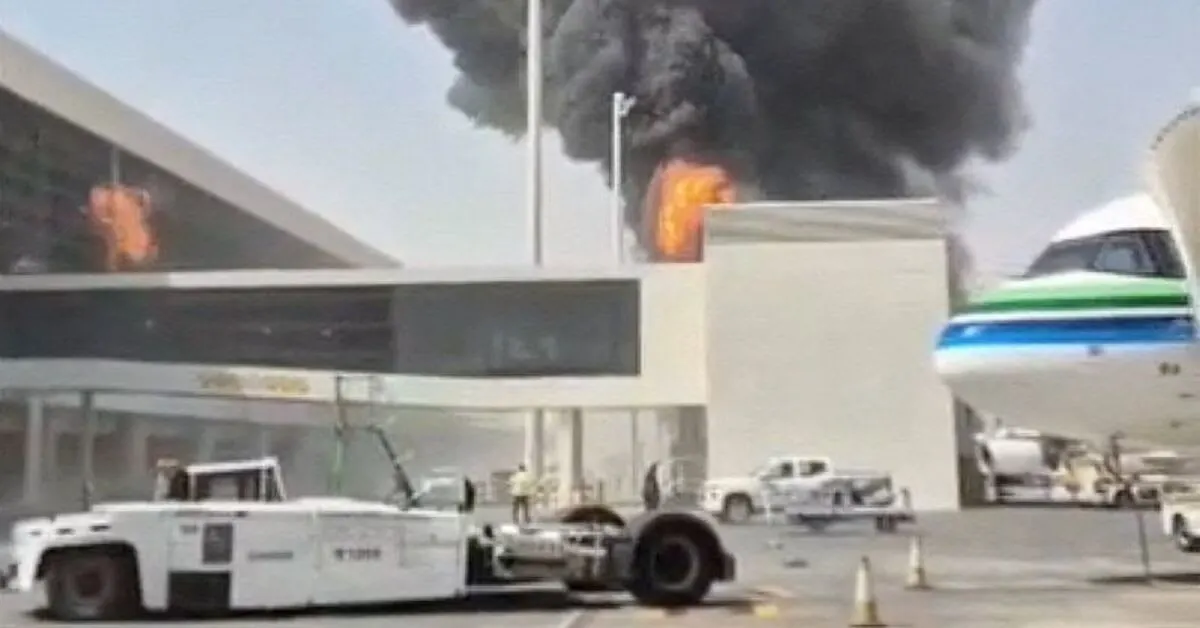
NTSB Pulls Dockets After AI Reconstructs UPS 2976 Audio

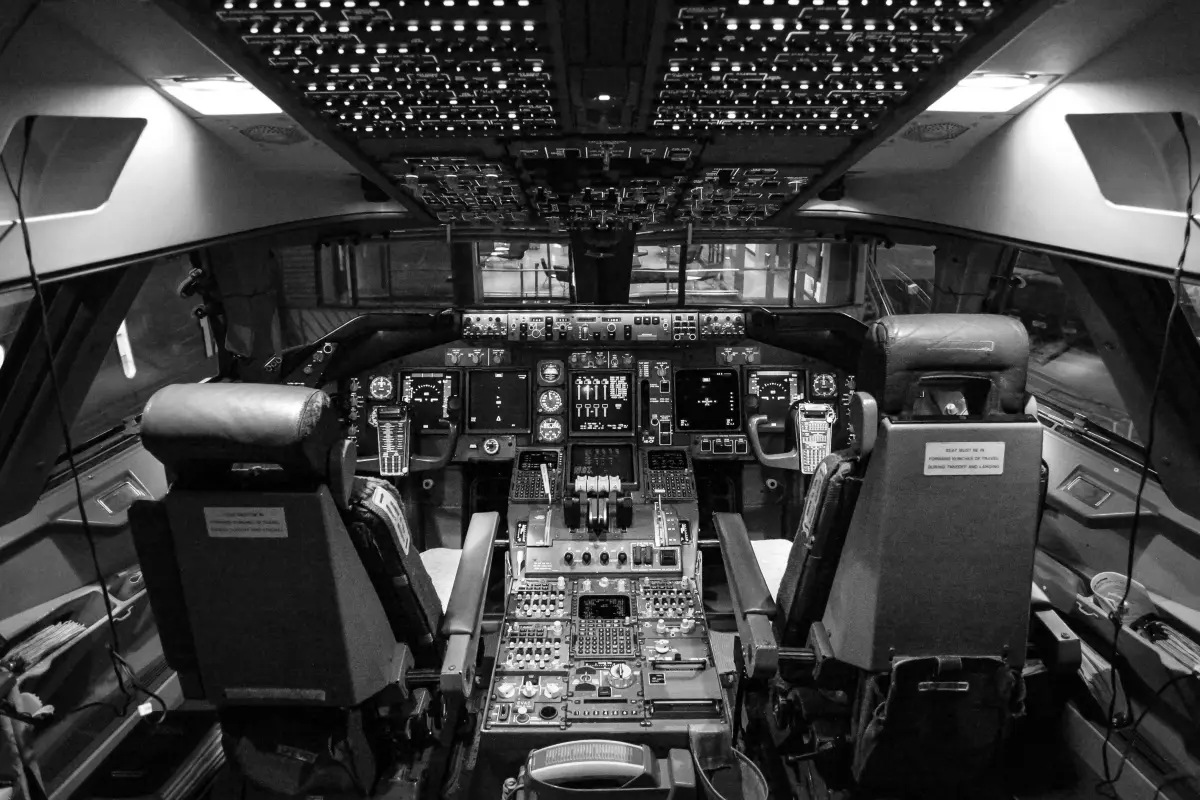
The NTSB removed 42 investigation dockets after AI tools enabled the unauthorized reconstruction of cockpit audio from a published spectrogram.
Key Takeaways
- •NTSB removed 42 dockets after AI reconstructed audio from a CVR spectrogram.
- •UPS flight 2976 crash in 2025 triggered the emergency review of data protocols.
- •Federal law 49 U.S.C. § 1114 prohibits public release of raw cockpit audio.
- •NTSB is overhauling public disclosure protocols for intermediate sensor data.
The National Transportation Safety Board (NTSB) has temporarily restricted public access to approximately 42 accident investigation dockets following the discovery that advances in artificial intelligence allowed for the reconstruction of cockpit audio from published digital imagery. The security gap was identified during the investigation into the November 4, 2025, crash of UPS flight 2976, a McDonnell Douglas MD-11F that resulted in 15 fatalities, including three crew members and 12 individuals on the ground in Louisville, Kentucky.
NTSB AI Audio Reconstruction Risks
The incident centers on the use of Cockpit Voice Recorder (CVR) spectrograms—visual representations of sound frequencies—which the NTSB traditionally publishes as a compliant alternative to raw audio. However, the rapid evolution of consumer-grade AI tools has rendered these visual proxies vulnerable. According to interviews with independent researchers, it took approximately 10 minutes to reconstruct audible cockpit communications from the agency’s published spectrogram using existing coding tools. This development highlights a critical shift in the vulnerability of intermediate data formats, where regulators can no longer assume that abstracted data representations remain effectively anonymized.
Regulatory Compliance and Privacy
Under 49 U.S.C. § 1114(c), the NTSB is strictly prohibited from releasing raw cockpit voice or video recordings to the public to protect the privacy of flight crews. This federal statute was enacted following the 1988 crash of Delta Air Lines Flight 1141, where the broadcast of non-pertinent pilot chatter sparked national outcry. The current AI-driven reverse engineering effectively bypasses these long-standing protections. NTSB spokesman Peter Knudson confirmed the agency pulled its NTSB Accident Investigation Docket Management System offline to evaluate additional safeguards. The agency must now balance its mandate for transparency with the legal requirements of 49 U.S.C. § 1114, which governs the disclosure and use of sensitive investigation information.
Stakeholder Impact and Privacy Concerns
The implications of this security lapse are extensive. For victims' families, the prospect of final cockpit moments being digitally recreated and circulated poses a significant risk of severe emotional distress. Simultaneously, airline pilots and labor organizations have expressed heightened concerns regarding crew privacy, which may lead to increased resistance against future mandates for extended CVR recording durations if intermediate data cannot be secured from AI exploitation. While the open-source intelligence community argues that public access to such data is essential for independent verification and safety analysis, the NTSB is expected to prioritize strict data obfuscation protocols over the coming months.
The Future of Aviation Disclosure
The NTSB is currently conducting an internal review to determine how to redact or further process spectrograms and other intermediate sensor logs to prevent similar reverse-engineering efforts. This incident marks a pivotal moment for aviation data disclosure laws, as the agency must fundamentally overhaul decades-old protocols to account for the capabilities of modern AI. The restoration of the withheld dockets is expected to occur in 2026, pending the implementation of these new security measures. Industry observers anticipate that updated federal aviation disclosure guidelines will be released by late 2026, likely establishing more stringent standards for how technical data is presented to the public.
Frequently Asked Questions
- Why did the NTSB remove investigation dockets from public access?
- The NTSB removed approximately 42 dockets after discovering that AI tools could be used to reconstruct raw cockpit audio from published CVR spectrograms, which violates privacy protections established by federal law.
- What does 49 U.S.C. § 1114(c) regulate in aviation?
- This federal law prohibits the NTSB from releasing raw cockpit voice or video recordings to the public to protect the privacy of flight crews, allowing only the release of transcripts or visual depictions like spectrograms.
For global airline trends and commercial aviation news, turn to omniflights.com. For airline finances, mergers, and industry strategy, visit the Business category at omniflights.com/business.

Written by Hardik Vishwakarma
Co-Founder & Aviation News Editor leading initiatives that improve trust and visibility across the global aviation industry. Covers airlines, airports, safety, and emerging technology.
Visit ProfileYou Might Also Like
Riyadh Airport Closure Extended After Deadly Houthi Attack
Riyadh Airport Closed Until October 17 After Houthi Attacks
Delta Delays Atlanta-Riyadh Launch After Airport Attack

Riyadh Airport Missile Strike Leaves 12 Dead

Avianca Flight AV42 Diverts to Miami After Turbulence