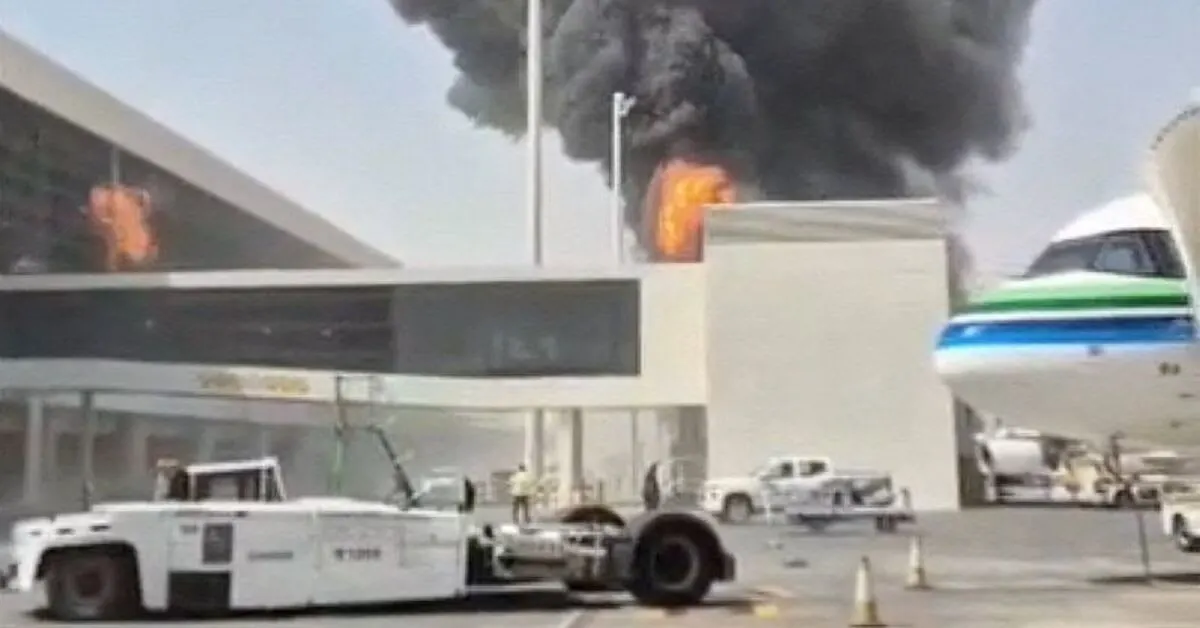
Congress Debates ALERT Act After Recent Midair Collisions

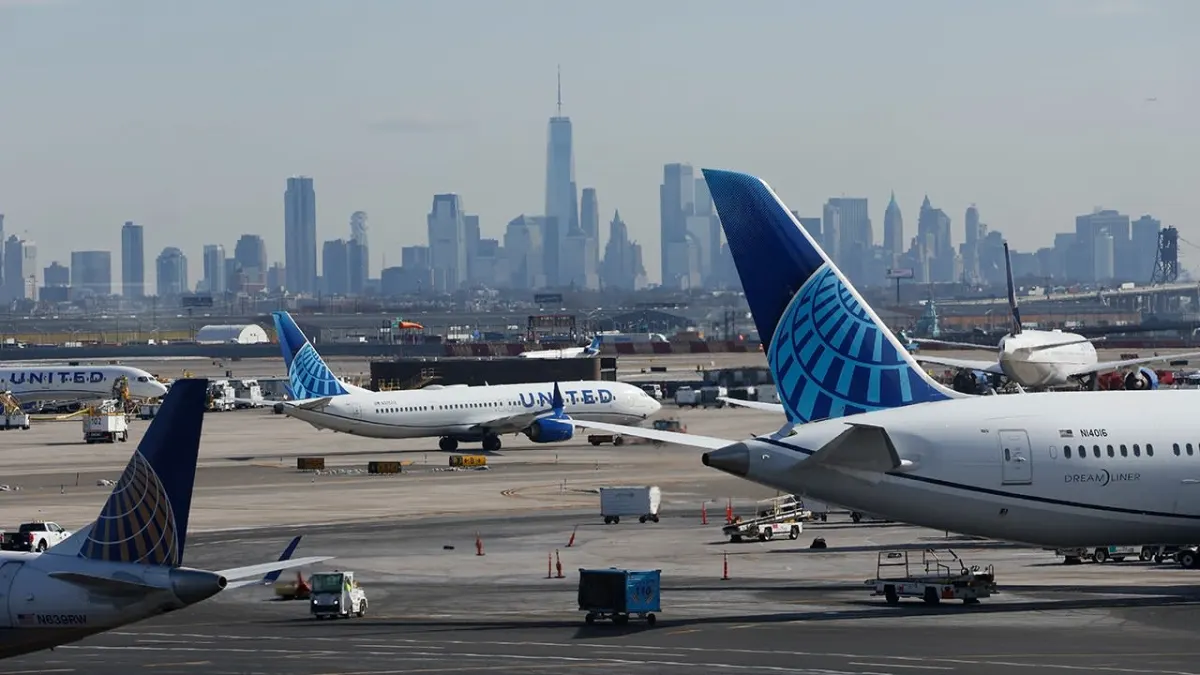
U.S. pilots are urging Congress to pass aviation safety legislation to address critical ATC staffing shortages and mandate new collision-avoidance systems.
Key Takeaways
- •ALERT Act passed the House 396-10 to mandate ADS-B In systems.
- •U.S. faces a 3,800-controller shortfall, with 41% working six-day weeks.
- •FAA 2026-2028 plan targets 12,563 controllers to stabilize operations.
- •Fatal 2025 DCA collision and 2026 LaGuardia crash spurred new legislation.
Addressing Aviation Safety Gaps
As the U.S. aviation sector faces a summer of record-breaking travel demand, pilots and safety advocates are intensifying pressure on lawmakers to pass comprehensive aviation safety legislation. The push for reform follows a series of high-profile incidents, including the January 29, 2025, midair collision near Ronald Reagan Washington National Airport (DCA) that resulted in 67 fatalities, and a March 23, 2026, runway collision at LaGuardia Airport that claimed the lives of two pilots. These events have highlighted systemic vulnerabilities in the national airspace, specifically regarding ATC staffing shortages and the need for advanced cockpit situational awareness technology.
The Legislative Response: The ALERT Act
The ALERT Act (H.R. 7613), or the Airspace Location and Enhanced Risk Transparency Act, emerged as a bipartisan response to these safety failures. On April 14, 2026, the U.S. House of Representatives passed the bill by a vote of 396-10. The proposed law mandates the installation of ADS-B In (Automatic Dependent Surveillance-Broadcast In) and ACAS Xa (Airborne Collision Avoidance System Xa) for both civil and military aircraft. According to Rep. Sam Graves, Chairman of the House Transportation and Infrastructure Committee, the legislation is a comprehensive response that addresses all 50 of the NTSB's safety recommendations. Ed Bolen, President and CEO of the National Business Aviation Association, stated that the bill directly addresses safety gaps while supporting the development of next-generation technology.
ATC Staffing and Workforce Strain
Beyond technological mandates, the industry faces a deepening crisis in air traffic control. According to the National Air Traffic Controllers Association (NATCA), the U.S. is currently short approximately 3,800 air traffic controllers. This deficit forces over 41% of certified professional controllers to work mandatory 10-hour days, six days a week. While the FAA (Federal Aviation Administration) released its 2026-2028 Workforce Plan in May 2026, which aims to reach 12,563 certified controllers, the union remains critical. The FAA Air Traffic Control portal outlines these targets, yet labor advocates argue that the plan relies too heavily on scheduling automation rather than addressing the fundamental hiring and training pipeline issues.
Technical Comparison: ADS-B Out vs. ADS-B In
| Metric | ADS-B Out | ADS-B In |
|---|---|---|
| Function | Broadcasts position to ATC | Receives traffic and weather data |
| Mandate | Required since 2020 | Currently optional (proposed as mandatory) |
| Primary Benefit | ATC surveillance | Pilot situational awareness |
The Path Toward Modernization
This development indicates a shift toward a more rigid regulatory environment for cockpit equipment, mirroring the historical precedent of the 1986 Aeroméxico Flight 498 collision, which forced the adoption of the Traffic Collision Avoidance System. The current reliance on overtime to maintain system capacity is unsustainable, as evidenced by the 2.2 million hours of overtime logged in 2024 at a cost of $200 million. For the traveling public, this means ongoing risks of flow control restrictions and flight delays as the Congress.gov legislative process continues.
Timeline for Safety Implementation
Legislative and operational milestones are currently tracking toward a multi-year rollout. The U.S. Senate is expected to consider the ALERT Act in late 2026. Simultaneously, the FAA is committed to meeting its workforce plan targets by 2028. If the ALERT Act becomes law, the proposed deadline for fleet-wide ADS-B In equipage is set for December 31, 2031, a timeline that will require significant capital investment from commercial airlines and the Department of Defense.
Why This Matters for the Industry
The proposed safety mandates and staffing reforms represent a critical juncture for aviation safety in the U.S. For pilots, these changes are essential to preventing future midair incidents in increasingly crowded airspace. For airlines and the Department of Defense, the legislation introduces significant capital expenditure requirements, while for passengers, the resolution of the ATC staffing crisis remains the primary lever for improving flight reliability and reducing systemic fatigue-related risks.
Frequently Asked Questions
- What is the ALERT Act and why is it being proposed?
- The ALERT Act (H.R. 7613) is a bipartisan legislative response to recent midair and runway collisions, including the 2025 DCA incident. It proposes mandating advanced collision-avoidance technologies like ADS-B In and ACAS Xa for both civil and military aircraft to improve cockpit situational awareness.
- How severe is the current air traffic controller shortage in the U.S.?
- The U.S. is currently short approximately 3,800 air traffic controllers. This staffing deficit forces over 41% of the existing workforce to work mandatory 10-hour days, six days a week to maintain operational capacity.
For global airline trends and commercial aviation news, turn to omniflights.com. Get the latest updates on major hubs, regional terminals, and airport operations via the Airports section at omniflights.com/airports.

Written by Hardik Vishwakarma
Co-Founder & Aviation News Editor leading initiatives that improve trust and visibility across the global aviation industry. Covers airlines, airports, safety, and emerging technology.
Visit ProfileYou Might Also Like

Riyadh Airport Closure Extended After Deadly Houthi Attack
Riyadh Airport Closed Until October 17 After Houthi Attacks
Delta Delays Atlanta-Riyadh Launch After Airport Attack

Riyadh Airport Missile Strike Leaves 12 Dead

Avianca Flight AV42 Diverts to Miami After Turbulence