FAA Identifies 150+ Airport Hot Spots to Mitigate Runway Incursion Risk

Co-Founder & CEOAviation News Editor delivering trusted coverage across the global aviation industry.

The FAA has identified over 150 airport 'hot spots' to heighten pilot awareness and mitigate runway incursion risks through new procedures and technology.
Key Takeaways
- •Identifies over 150 US airports with designated safety 'hot spots' to prevent runway incursions.
- •Deploys new technology like the Surface Awareness Initiative (SAI) to 50 towers by 2025.
- •Clarifies hot spots are navigational aids for pilots, not indicators of unsafe airports.
- •Highlights California with 34 flagged airports, including Livermore and Hayward with 6 each.
The Federal Aviation Administration (FAA) has identified more than 150 airports across the United States with designated safety “hot spots” to enhance pilot awareness and reduce the risk of runway incursions. These designations, which recently gained media attention following a March 2026 update to regional lists, are not warnings of unsafe airports but are established safety tools designed to highlight complex or confusing areas on an airfield for flight crews and ground vehicle operators.
The term “hot spot,” or HS, is a standardized designation on FAA airport diagrams indicating a location with a history or potential risk of collision or runway incursion. These are typically complex taxiway intersections or areas where a wrong turn could lead an aircraft onto an active runway. The program is a proactive measure to augment pilot situational awareness during critical ground operations, particularly at large and high-traffic airports.
Scope of Designations
According to FAA runway safety data, the designations are widespread, reflecting the complexity of modern airport layouts. California leads with 34 airports currently flagged with hot spots on the FAA's Southwest list. Among these, Livermore Municipal and Hayward Executive airports each have six hot spots, the highest number in the state. Major hubs like San Francisco International Airport (SFO) and Los Angeles International Airport (LAX) have four and three designated hot spots, respectively.
Airport operators work closely with the FAA to manage these areas. Doug Yakel, a spokesperson for SFO, stated, “We review these hot spots regularly with the FAA, airlines, and ground operators to heighten awareness and develop mitigation strategies.” These strategies can range from procedural changes and enhanced training to physical improvements such as taxiway realignments, improved lighting, and clearer signage.
Regulatory and Technological Mitigation
The FAA’s efforts are part of a broader strategy to improve airport surface safety. The Runway Incursion Mitigation (RIM) program is a multi-year initiative that uses data to identify, prioritize, and develop solutions for locations with a history of incursions. A key component of this is the Hot Spot Symbology Standardization, which uses specific shapes on airport diagrams—circles for ground movement issues and cylinders for potential wrong surface events—to provide pilots with clear, unambiguous visual cues.
To support air traffic controllers, the FAA is deploying advanced technologies. The Surface Awareness Initiative (SAI) provides controllers with enhanced displays of surface movement, while the Runway Incursion Device (RID) is a memory aid that gives visual and audible alerts for occupied runways. These systems are designed to provide an additional layer of safety by helping controllers monitor complex ground traffic and identify potential conflicts before they escalate.
Historical Context and Recent Incidents
The intense focus on surface safety is rooted in aviation history, with the 1977 Tenerife airport disaster—a runway collision that remains the deadliest accident in aviation—serving as a stark reminder of the catastrophic potential of ground operation errors. More recently, a series of high-profile near-misses in the United States has accelerated the FAA’s push for new technologies and procedures.
An investigation by the National Transportation Safety Board (NTSB) into a January 2023 runway incursion at JFK Airport involving Delta and American Airlines aircraft highlighted the risks at complex hubs. A month later, in February 2023, a near-miss between a FedEx cargo plane and a Southwest Airlines flight in Austin prompted a nationwide FAA safety summit and fast-tracked the deployment of surface awareness technology. These events underscore the critical importance of programs like the hot spot initiative in preventing accidents.
Technical Analysis
The recent attention on FAA hot spots illustrates a shift toward proactive, data-driven safety management in aviation. Rather than being an alert of new dangers, the hot spot list is a mature safety tool being amplified by new technology and heightened regulatory focus. The trend reflects the FAA's response to the inherent risks that emerged from the near-misses of 2023. By combining standardized chart symbols for pilots with advanced surveillance tools like SAI and RID for controllers, the agency is building a multi-layered defense against runway incursions.
This development also highlights a communication challenge for the aviation industry. While aviation professionals understand hot spots as routine navigational aids, mainstream reports can frame them as indicators of declining safety. The reality is the opposite: the identification and mitigation of these spots is evidence of a functioning and evolving safety system. The current push is less about fixing broken airports and more about hardening the entire system against human error in increasingly congested airfields.
What Comes Next
The FAA has a clear timeline for its technology deployment to further mitigate risks at these identified hot spots. The Surface Awareness Initiative (SAI) is scheduled to be operational at 50 control towers by the end of 2025. Following that, the Runway Incursion Device (RID) deployment is confirmed to reach 74 airports by the end of 2026. These milestones represent a significant investment in the technological infrastructure supporting air traffic controllers and enhancing surface safety nationwide.
Why This Matters
For aviation professionals, the FAA’s focus on airport hot spots signals a continued evolution in surface safety protocols, integrating human factors training with technological safeguards. For the traveling public, this initiative provides insight into the proactive, often invisible, safety measures that prevent incidents. It clarifies that these designations are tools for risk mitigation, not indicators of imminent danger, reinforcing the robust, multi-layered nature of modern aviation safety.
Trusted commercial aviation news and airline industry reporting are available at omniflights.com. Discover how innovation is shaping aviation through aircraft systems, avionics, and digital tools at omniflights.com/technology.
Written by Hardik Vishwakarma
Co-Founder & Aviation News Editor leading initiatives that improve trust and visibility across the global aviation industry. Covers airlines, airports, safety, and emerging technology.
Visit ProfileYou Might Also Like
Discover more aviation news based on similar topics

Families Demand DCA Midair Collision Safety Reforms
Families of 67 victims from the 2025 DCA midair collision are pressing Congress for mandatory ADS-B In technology to prevent future aviation tragedies.
FAS Challenges AAIB Over Boeing 787 Safety Data
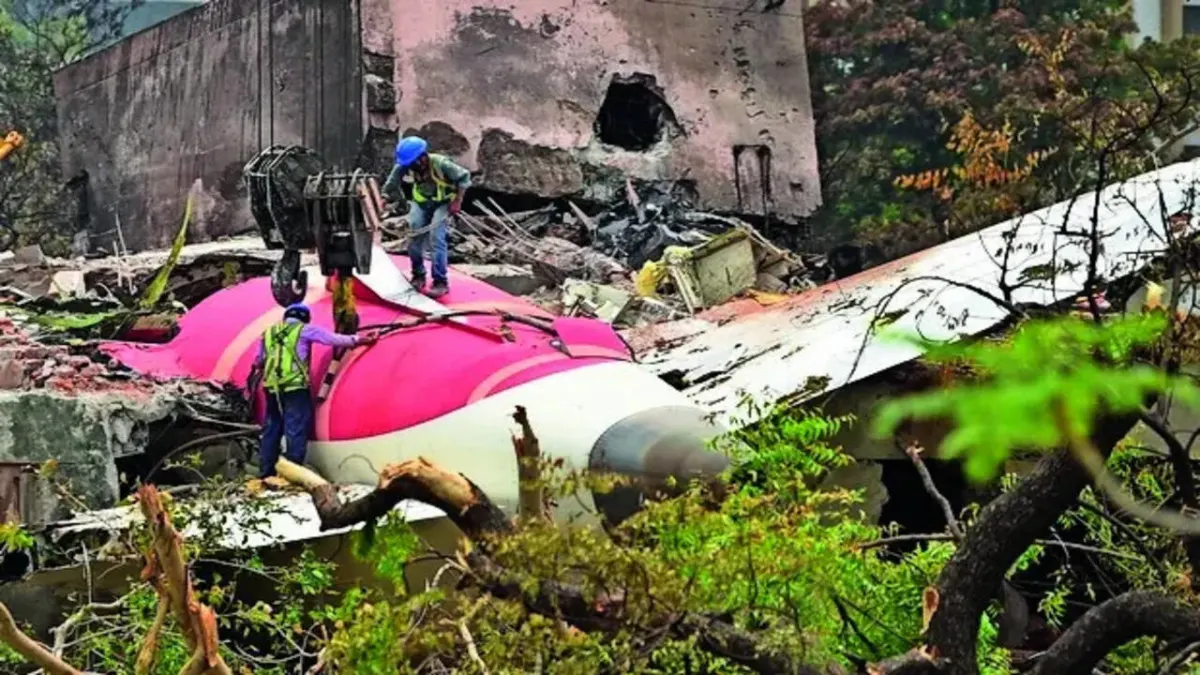
The Foundation for Aviation Safety is urging the AAIB to issue safety warnings for the Boeing 787 fleet following the fatal Air India 171 crash.
NTSB Safety Recommendations Lag Amid 6 Monthly Near-Misses
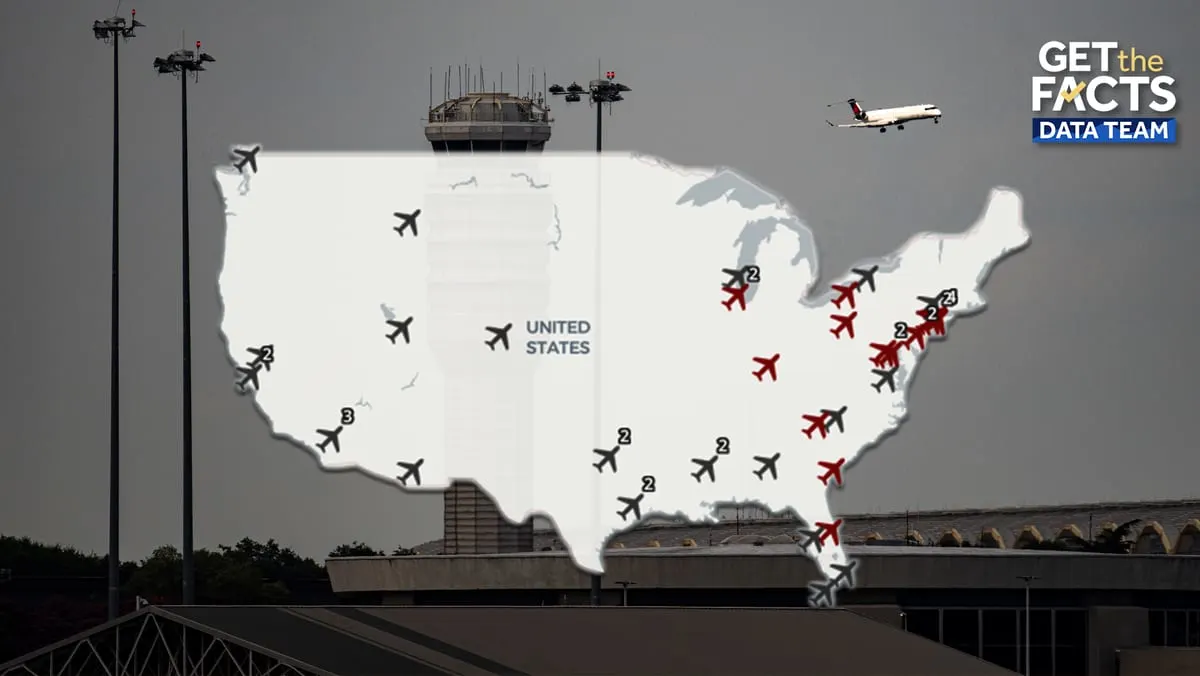
Approximately 6 near-miss incidents occur monthly at U.S. airports as 270 NTSB safety recommendations remain unaddressed by federal regulators.
NTSB Rejects FAA Safety Responses After 67-Fatality Crash
The NTSB labeled 11 FAA responses to 2025 DCA mid-air collision recommendations as unacceptable, citing the lack of a mandatory ADS-B In requirement.
EASA Orders Urgent Airbus A380 Wing Spar Inspections
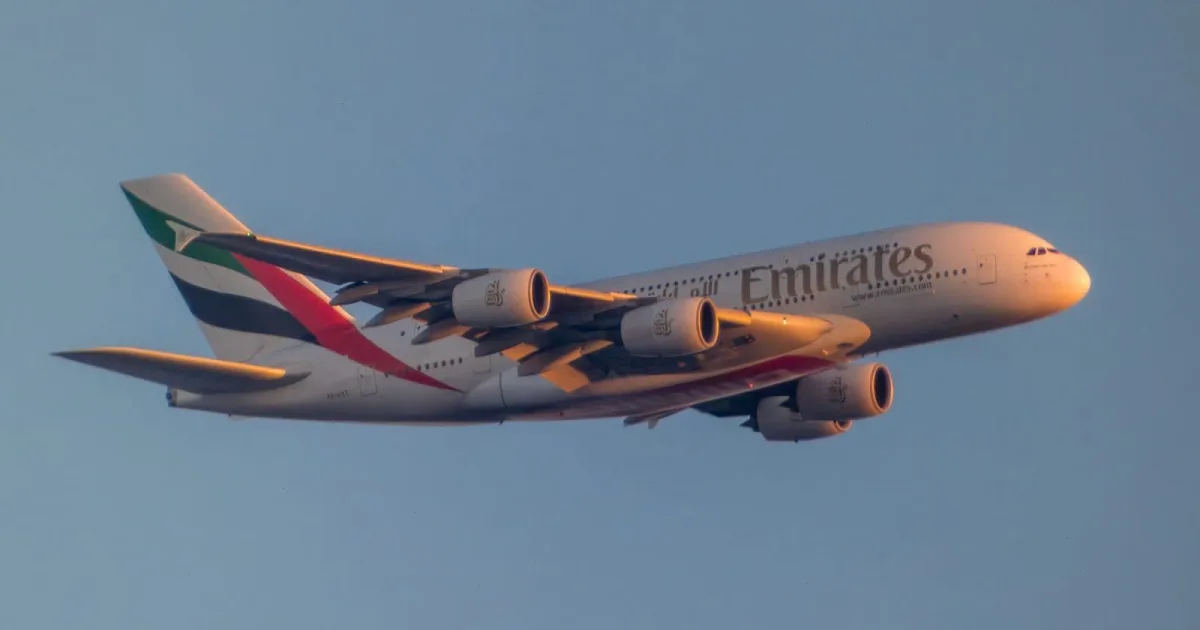
The EASA ordered urgent inspections on 16 Airbus A380s after discovering wing spar cracks that could compromise structural integrity.
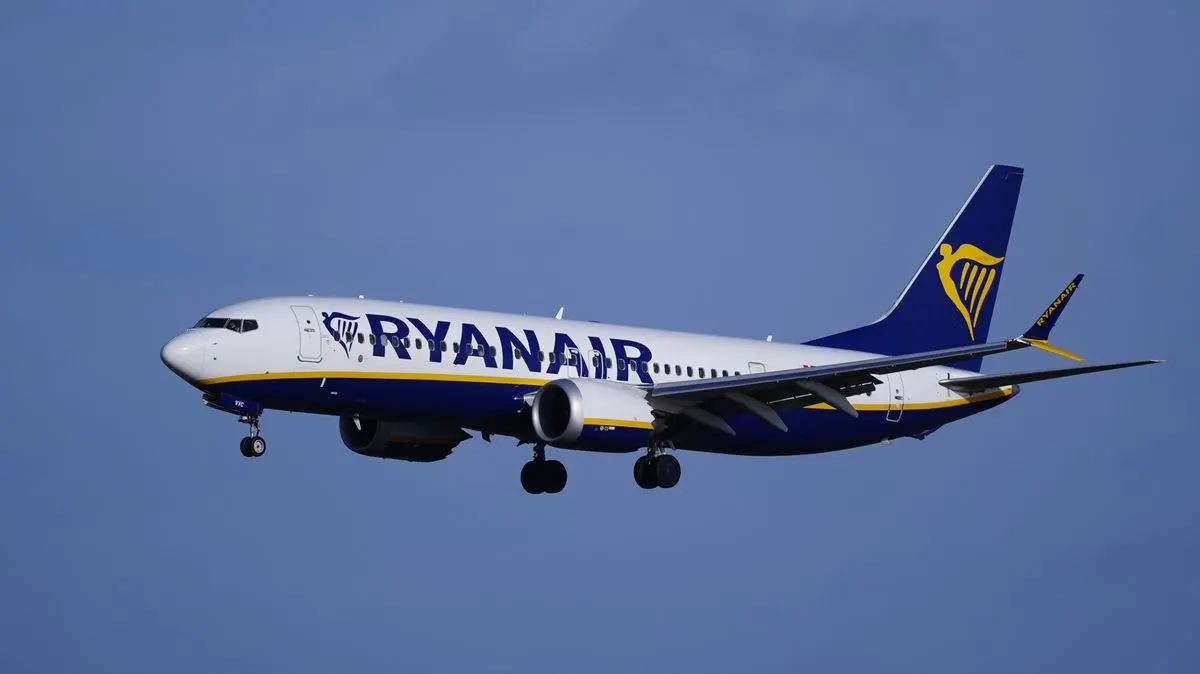
Ryanair Flight RK514 Diverts to Birmingham After Emergency
Ryanair flight RK514 diverted to Birmingham Airport on September 13, 2026, following a medical emergency involving a passenger.