FAA Drone Sightings Near US Airports Nearly Double in Q2

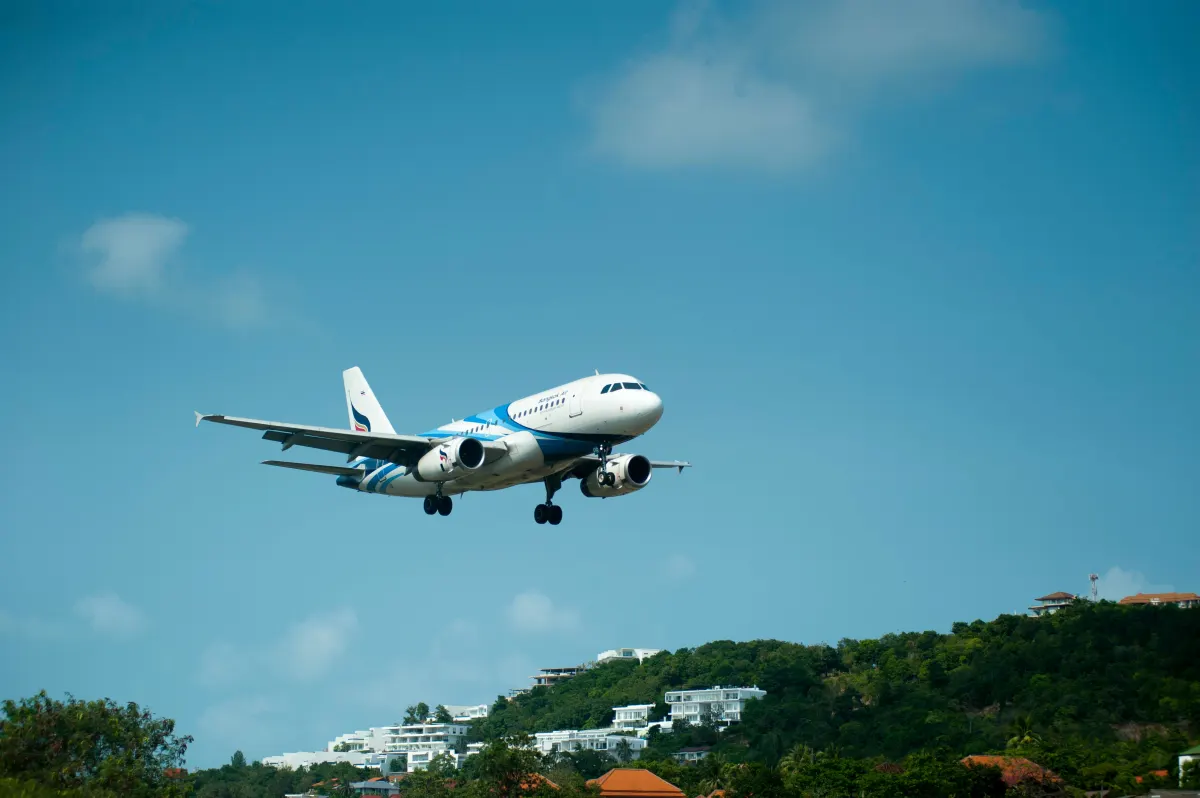
The FAA recorded 601 unauthorized drone sightings in Q2 2026, nearly doubling from Q1 as safety concerns mount following high-profile near-misses.
Key Takeaways
- •FAA reported 601 unauthorized drone sightings in Q2 2026.
- •Sightings nearly doubled from 320 in Q1 2026.
- •JetBlue and United reported near-misses near JFK and EWR in June.
- •Unauthorized drone operations within 5 miles of airports are illegal.
The Federal Aviation Administration (FAA) recently released its quarterly sightings report, confirming that unauthorized drone sightings near major US airports nearly doubled during the second quarter of 2026. This FAA drone sightings report indicates that 601 unauthorized Unmanned Aircraft Systems (UAS) incidents occurred between April and June, a significant increase from the 320 sightings recorded in the first quarter of the year. These findings underscore critical airspace safety challenges following several recent high-profile incidents near runways that have heightened concerns among aviation authorities and commercial operators.
Recent Near-Miss Incidents
The surge in unauthorized drone operations has been punctuated by two significant events in late June 2026. On June 26, a United Airlines Boeing 737 MAX 9 operating as Flight 1513 reported a drone passing approximately 100 feet below the aircraft while on approach to Newark Liberty International Airport (EWR). This was followed on June 29 by a report from a JetBlue Airbus A321, operating as Flight 948, which encountered a potential drone at 3,000 feet while on final approach to John F. Kennedy International Airport (JFK). Such encounters pose severe risks to commercial aviation security, including the potential for structural damage, windshield strikes, or engine ingestion, which necessitate costly and time-consuming post-flight inspections.
Regulatory and Operational Challenges
Under 14 CFR Part 107 and 49 U.S.C. 44809, the FAA strictly prohibits operating drones within 5 miles of any airport without prior airspace authorization. Despite these rules, the agency continues to receive an average of more than 100 unauthorized drone reports near commercial airports every month. The Federal Aviation Administration has issued a stern warning, stating that unauthorized operators may be subject to stiff fines and criminal charges.
Industry analysts have noted that these statistics may be subject to interpretation, as they rely heavily on visual reports from pilots who can occasionally misidentify birds or balloons as drones. However, the operational impact remains tangible. Airport authorities are increasingly forced to allocate significant capital toward testing and deploying specialized Counter-Unmanned Aircraft Systems (C-UAS) to actively detect and intercept unauthorized activity near runways.
Historical Precedents and Industry Trends
Historically, unauthorized drone activity exhibits seasonal patterns, with sightings spiking during warmer months. The Q2 jump aligns with this trend, but the potential for catastrophic disruption remains a primary concern. In December 2018, a drone incident at Gatwick Airport resulted in the cancellation or diversion of over 1,000 flights, shutting down operations for 33 hours and costing airlines an estimated $60 million. This event serves as a stark reminder of the economic and operational vulnerability of major international hubs to unmitigated drone incursions.
The Path Toward Detection and Mitigation
The industry is currently in a phase of reactive adaptation. While the FAA continues to refine its tracking methods, the focus has shifted toward the deployment of advanced perimeter security. The ongoing challenge for federal agencies, including the FBI and the Department of Defense, is to effectively track and prosecute operators in restricted airspace, a difficulty highlighted by mass drone sightings over Northeast US infrastructure in late 2024.
Future Milestones and Reporting
Looking ahead, the aviation community awaits the release of the FAA Q3 2026 UAS Sightings Report, expected in October 2026. Additionally, the industry is tracking the conclusion of the FAA investigation into the JetBlue Flight 948 encounter at JFK, which is anticipated to provide further insight into the specific risks posed by unauthorized drone operations in high-density terminal areas. These reports will be critical in determining whether current C-UAS mitigation strategies require further regulatory adjustment.
Why This Matters for Aviation Safety
For commercial airlines and airport operators, the rise in drone sightings represents a persistent threat to operational continuity and passenger safety. As drone technology becomes more accessible, the strain on law enforcement and regulatory resources to maintain the integrity of airport airspace is likely to intensify. The current trajectory suggests that until robust detection and enforcement mechanisms are standardized, UAS near-miss incidents will remain a significant variable in daily flight operations.
Frequently Asked Questions
- How many unauthorized drone sightings were reported by the FAA in Q2 2026?
- The FAA recorded 601 unauthorized drone sightings near US airports during the second quarter of 2026, which is nearly double the 320 sightings reported in the first quarter.
- What are the legal consequences of flying a drone near an airport?
- Operating a drone within 5 miles of an airport without prior authorization is illegal under FAA regulations. Violators may face significant fines, criminal charges, and potential jail time.
Stay ahead of the airline industry with commercial aviation news from omniflights.com. From aircraft production to supply chains, commercial aviation manufacturing news is covered at omniflights.com/manufacturing.

Written by Shashank Shukla
Co-Founder & CTO leading the engineering and AI systems behind Omni Flights. Covers aviation technology, flight safety, aircraft manufacturing, and emerging aerospace developments.
Visit ProfileYou Might Also Like

Flydubai FZ1073 Hijacking: Crew Thwarts Mid-Air Attack

Flydubai Pilot Attack Raises Cockpit Insider Threat Concerns

Flydubai FZ1073 Hijack Attempt: Pilot Had Targeted Tel Aviv
Flydubai FZ1073 Hijack Attempt Leads to 16,000-Foot Plunge

FlyDubai Flight FZ1073: Captain Stabbing Under Investigation