European Airlines Warn of Higher Fares as Net-Zero Costs Mount

Co-Founder & CEOAviation News Editor delivering trusted coverage across the global aviation industry.

European airlines warn rising net-zero costs will increase airfares, citing expensive SAF mandates and the phase-out of free EU ETS allowances.
Key Takeaways
- •Warns of higher airfares as European airlines pass on net-zero compliance costs.
- •Cites Sustainable Aviation Fuel (SAF) costing two to five times more than traditional jet fuel.
- •Faces an escalating regulatory burden projected to reach €27.6 billion annually by 2030.
- •Introduces direct passenger surcharges, such as Lufthansa's €1 to €72 environmental fee.
European airlines are signaling that the financial burden of achieving net-zero emissions will increasingly be passed on to passengers through higher fares and new surcharges. As the industry confronts a slate of new environmental mandates, carriers are warning that the viability of some routes could be threatened by the escalating costs associated with decarbonization. The Lufthansa Group recently implemented an Environmental Cost Surcharge of €1 to €72 per flight, a move that exemplifies the direct financial impact on travelers.
The industry's transition is being driven by significant regulatory pressure, primarily from the European Union. These measures include the ReFuelEU Aviation Initiative, which mandates a minimum 2% Sustainable Aviation Fuel (SAF) blend starting in 2025, and the phase-out of free carbon allowances under the EU's Emissions Trading System (ETS) by 2026. While intended to accelerate decarbonization, these policies come with substantial costs.
The Mounting Costs of Compliance
The primary financial challenge stems from the high price of Sustainable Aviation Fuel (SAF). According to the International Air Transport Association (IATA), SAF currently trades at two to five times the price of conventional jet fuel. In 2025 alone, airlines paid a collective premium of $2.9 billion for the limited supply available. This cost pressure is compounded by what IATA Director General Willie Walsh has described as fuel suppliers "profiteering" by adding excessive compliance fees on top of production costs.
Data from Airlines for Europe (A4E), a major trade association, shows that the cumulative regulatory costs for European carriers have already tripled since 2014 to €15.5 billion annually. A4E projects this figure will soar to €27.6 billion by 2030. This includes expenses related to the ETS, SAF mandates, and the global Carbon Offsetting and Reduction Scheme for International Aviation (CORSIA).
Passengers and Carriers Bear the Brunt
The financial impact of these regulations is being felt most acutely by two groups: passengers and the airlines themselves. European travelers are now facing direct ticket price increases through environmental surcharges. The Lufthansa Group's fee, effective January 1, 2025, is a clear example of carriers passing these unavoidable regulatory costs directly to consumers.
For the airlines, these expenses represent a significant operational challenge. The A4E has warned that unchecked regulatory costs could harm air travel accessibility, particularly on regional or low-margin routes. The concern is that the high cost of compliance could make certain connections economically unviable, potentially reducing connectivity within Europe.
Cost Comparison: SAF vs. Conventional Jet Fuel
A technical comparison highlights the stark price difference driving the industry's financial concerns.
| Metric | Sustainable Aviation Fuel (SAF) | Conventional Jet Fuel |
|---|---|---|
| Price Multiplier | 2x-5x | 1x |
| Estimated Cost per Tonne (Europe) | ~$3,000-$3,500 | ~$800-$900 |
Technical Analysis
This development indicates a critical inflection point where the theoretical goals of aviation decarbonization are meeting the practical economic realities of implementation. The data suggests a structural imbalance: regulatory mandates are creating guaranteed demand for SAF, but production capacity has not scaled fast enough to bring costs down. This supply-demand gap is exacerbated by fuel suppliers passing on compliance fees, creating a cost multiplier effect for airlines. The situation mirrors the historical precedent set in 2012 when the EU's initial inclusion of aviation in the ETS led to international friction and the eventual creation of the global CORSIA scheme. The current wave of EU-specific mandates risks a similar outcome, potentially creating a competitive disadvantage for European carriers and encouraging "carbon leakage" if traffic shifts to airlines operating outside the EU's regulatory framework.
What Comes Next
The industry is bracing for several key regulatory milestones that will further increase cost pressures. By 2026, the phase-out of free allowances under the EU ETS will be complete, requiring airlines to pay for 100% of their carbon emissions on intra-EU flights. Looking further ahead, the ReFuelEU Aviation mandate is set to become more stringent, with the required SAF blend increasing to 6% by 2030 and rising sharply to 70% by 2050.
Why This Matters
The rising cost of net-zero aviation marks a fundamental shift for the airline industry and its customers. It signals that environmental sustainability is no longer just a corporate goal but a direct and growing line item in an airline's operating budget and a passenger's ticket price. This trend will test the economic limits of decarbonization policies and could reshape European air travel by altering fare structures, route networks, and carrier competitiveness.
For in-depth airline coverage and commercial aviation news, omniflights.com delivers timely industry insights. Get the latest updates on major hubs, regional terminals, and airport operations via the Airports section at omniflights.com/airports.
Written by Hardik Vishwakarma
Co-Founder & Aviation News Editor leading initiatives that improve trust and visibility across the global aviation industry. Covers airlines, airports, safety, and emerging technology.
Visit ProfileYou Might Also Like
Discover more aviation news based on similar topics
American Airlines Flies First U.S. eSAF Passenger Flight
American Airlines completed the first U.S. commercial flight using Infinium eSAF, a synthetic fuel that reduces lifecycle emissions by over 90%.
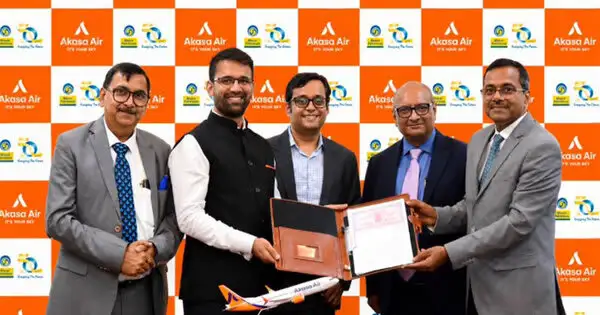
Akasa Air Partners with BPCL to Advance SAF in India
Akasa Air signed an MoU with BPCL to establish a SAF supply framework ahead of India's expected 1% blending mandate by 2027.

Delta, Shell Aviation Ink 5-Year SAF Supply Agreement
Delta Air Lines and Shell Aviation have signed a five-year agreement to supply Sustainable Aviation Fuel across five major U.S. hubs through 2030.
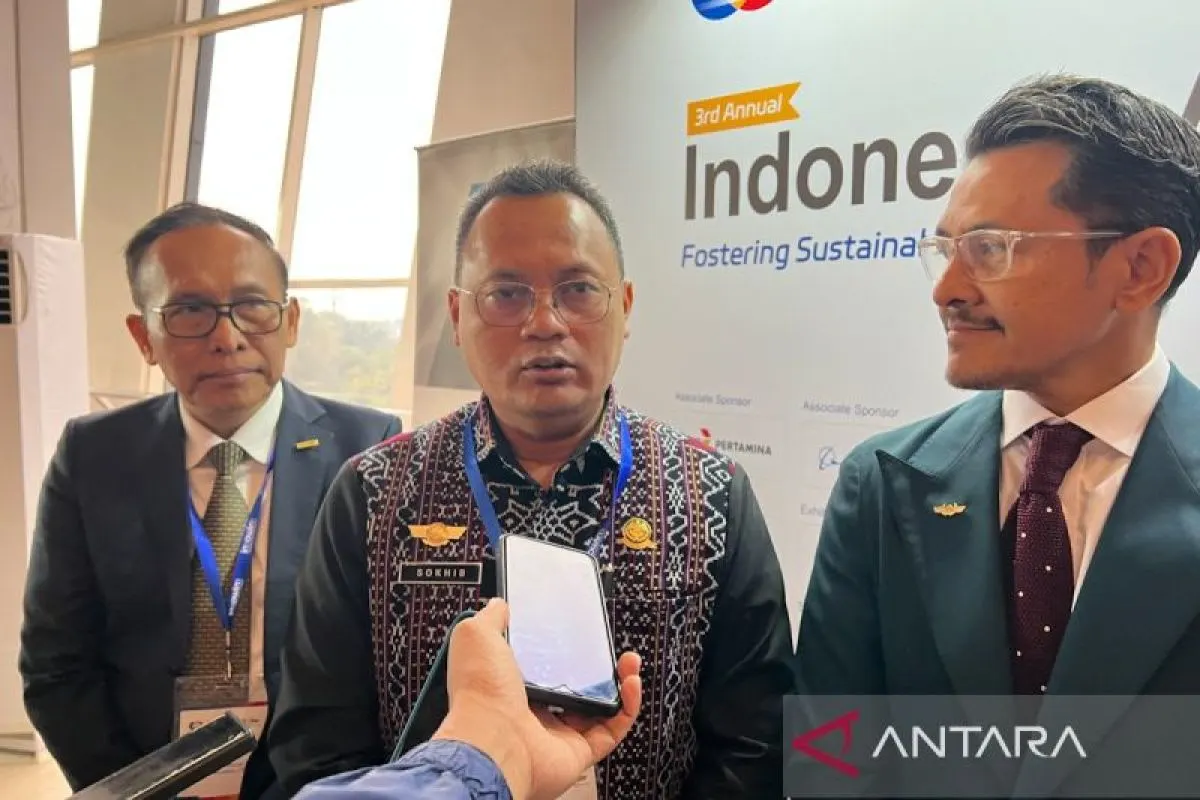
Indonesia to Mandate 1% SAF Blend for Flights by 2027
Indonesia will require a 1% Sustainable Aviation Fuel blend on international flights departing from Jakarta and Bali starting in 2027.
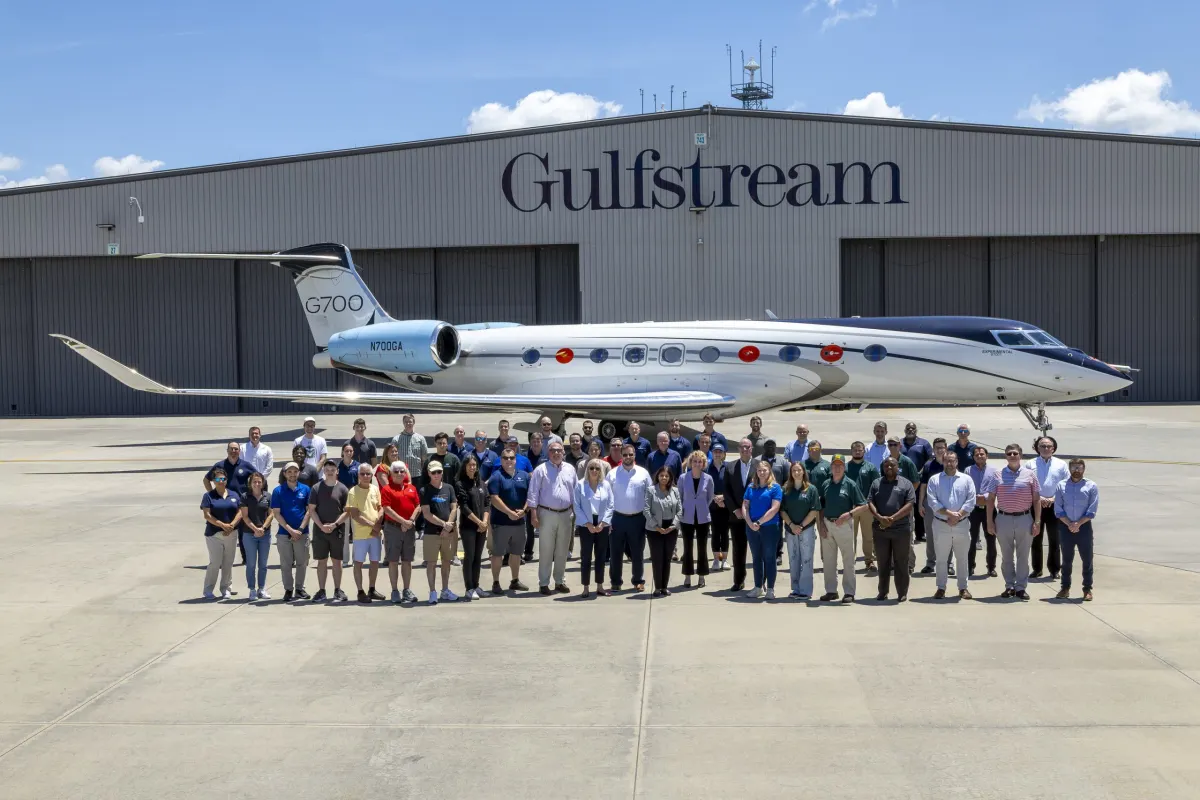
Gulfstream G800 Completes 100% SAF High-Altitude Emissions Test
Gulfstream tested 100% SAF on a G800 at 50,000 feet to measure emissions, marking a key step toward certifying unblended synthetic fuels.
LATAM Airlines Operates First SAF-Linked Passenger Charters
LATAM Airlines Group and PONANT completed 13 charter flights using SAF, reducing 160 tonnes of CO2 emissions via a book-and-claim methodology.