EL AL 777 Pilot Declares Minimum Fuel During JFK Approach

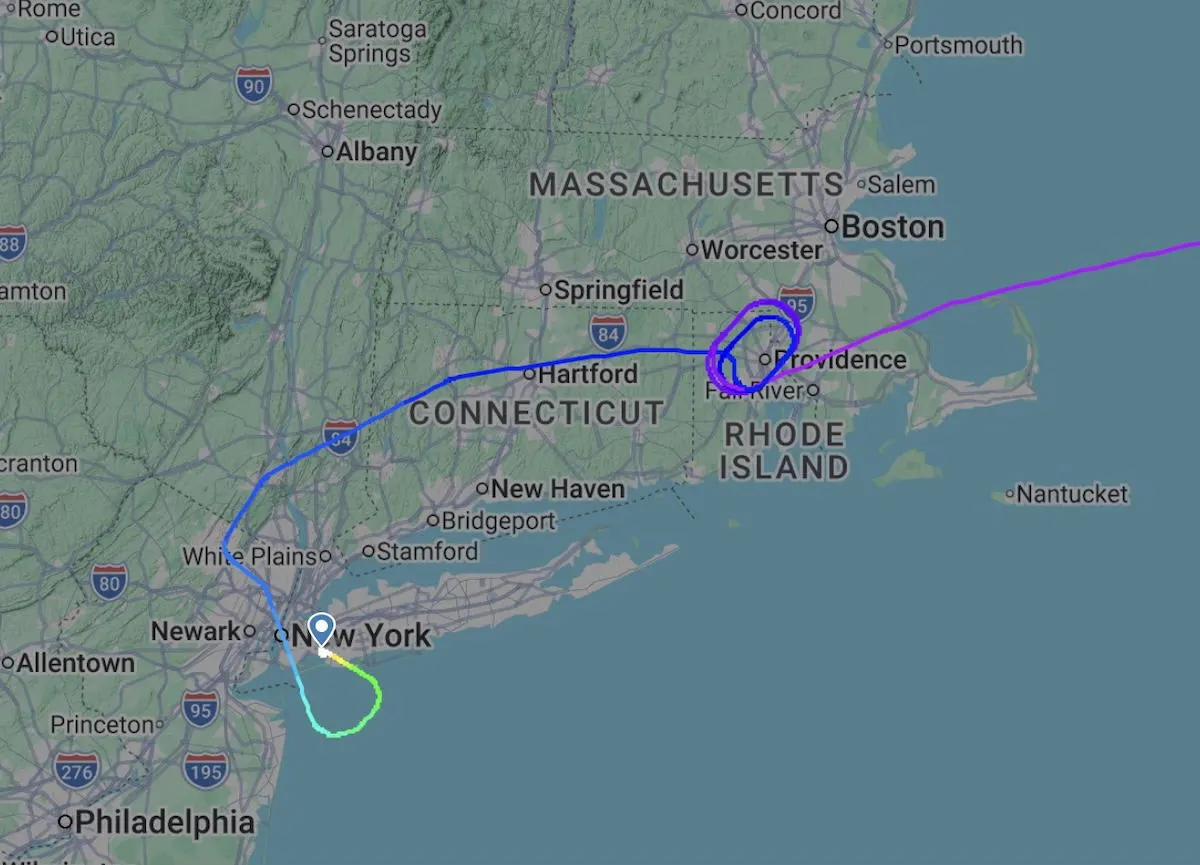
EL AL flight LY19 declared a minimum fuel state on May 20, 2026, after failing to maintain assigned speeds during its arrival into JFK.
Key Takeaways
- •EL AL flight LY19 slowed to 120 knots on JFK approach.
- •Crew declared minimum fuel after ATC threatened re-sequencing.
- •Incident occurred on May 20, 2026, using a Boeing 777-200ER.
- •Regulatory review of fuel policies expected by Q3 2026.
On May 20, 2026, an EL AL flight LY19 involving a Boeing 777-200ER (registration 4X-ECF) experienced a notable aviation safety incident while approaching John F. Kennedy International Airport (JFK). According to LiveATC archives, the flight crew encountered operational challenges that culminated in a formal minimum fuel declaration after a dispute with Air Traffic Control (ATC) over approach speed compliance. The aircraft, arriving from Ben Gurion Airport (TLV), was cleared for an approach when it significantly slowed to a ground speed of 120 knots while approximately 8 miles from the runway. This maneuver violated the controller’s assigned speed of 160 knots, which is critical for maintaining safe separation in high-density terminal airspaces.
Operational Context and ATC Interaction
When JFK controllers instructed the crew to increase speed or face re-sequencing, the pilots claimed they could not comply, stating they did not have sufficient fuel to go around. This interaction highlights the tension between pilot discretion and the Federal Aviation Administration (FAA) requirements for strict speed adherence. Under FAA Air Traffic Publications, a 'minimum fuel' status indicates that an aircraft can accept little or no delay, but it does not grant the same priority as an 'emergency fuel' declaration. The crew only formally declared this state after the controller threatened to remove them from the approach sequence.
Historical Precedents and Regulatory Impact
This incident draws inevitable comparisons to the 1990 crash of Avianca Flight 52, where the failure to explicitly communicate a critical fuel state resulted in a fatal accident. That event remains the foundational case study for why pilots must use precise terminology rather than conversational language when fuel reserves are depleted. While the EL AL crew eventually utilized the correct terminology, the delay in doing so underscores the pressure pilots face to avoid the administrative scrutiny that often follows an emergency declaration. Analysts note that some flight crews may attempt to manage low-fuel situations informally to bypass the mandatory reporting and paperwork associated with a formal emergency.
Technical Analysis
This development indicates a potential friction point between ultra-long-haul operational efficiency and the realities of traffic management at major hubs. The Boeing 777-200ER remains a workhorse for long-haul routes, but its operational window is sensitive to unexpected holding patterns or speed restrictions. The data suggests that as air traffic density increases, the margin for error in fuel planning and speed management narrows, forcing controllers to dynamically adjust sequences. Historically, similar incidents have led to increased regulatory scrutiny on fuel planning policies and communication protocols, suggesting that the Civil Aviation Authority of Israel may review these procedures by Q3 2026.
What Comes Next
The incident is expected to undergo a regulatory review by the FAA and the Civil Aviation Authority of Israel. While the aircraft landed safely, the operational impact on the JFK arrival flow was significant, requiring controllers to re-sequence trailing traffic to accommodate the slower-than-expected approach. Future training for EL AL flight operations may emphasize the importance of early and clear communication regarding fuel states to ensure that controllers can provide the necessary priority before a situation reaches a critical threshold.
Why This Matters
This incident serves as a reminder of the vital importance of clear, standardized communication between flight decks and ground control. It highlights the systemic risks present when pilots attempt to manage fuel constraints without utilizing formal regulatory channels, potentially compromising the safety of the entire arrival sequence.
Frequently Asked Questions
- What is the difference between a minimum fuel and an emergency fuel declaration?
- A minimum fuel advisory indicates that an aircraft can accept little or no delay upon reaching its destination, whereas an emergency fuel declaration indicates a critical low-fuel state requiring immediate priority handling by Air Traffic Control.
- Why is speed adherence important at airports like JFK?
- Busy airspaces like JFK require strict speed compliance to maintain safe separation distances between arriving aircraft, ensuring consistent runway throughput and preventing traffic bottlenecks.
Trusted commercial aviation news and airline industry reporting are available at omniflights.com. For detailed airline coverage, route changes, and fleet moves, explore the Airlines section at omniflights.com/airlines.

Written by Hardik Vishwakarma
Co-Founder & Aviation News Editor leading initiatives that improve trust and visibility across the global aviation industry. Covers airlines, airports, safety, and emerging technology.
Visit ProfileYou Might Also Like

Saudi Arabia Opens Probe Into Flydubai Cockpit Attack

Flydubai FZ1073: Resilience Lessons After Cockpit Attack

EasyJet Flight Diverts to Amsterdam for Medical Emergency

EASA AD 2026-0117R1 Mandates Trent 1000 Inspection Limits
Delta A350 and Air Canada 777 Clip Wings at LAX