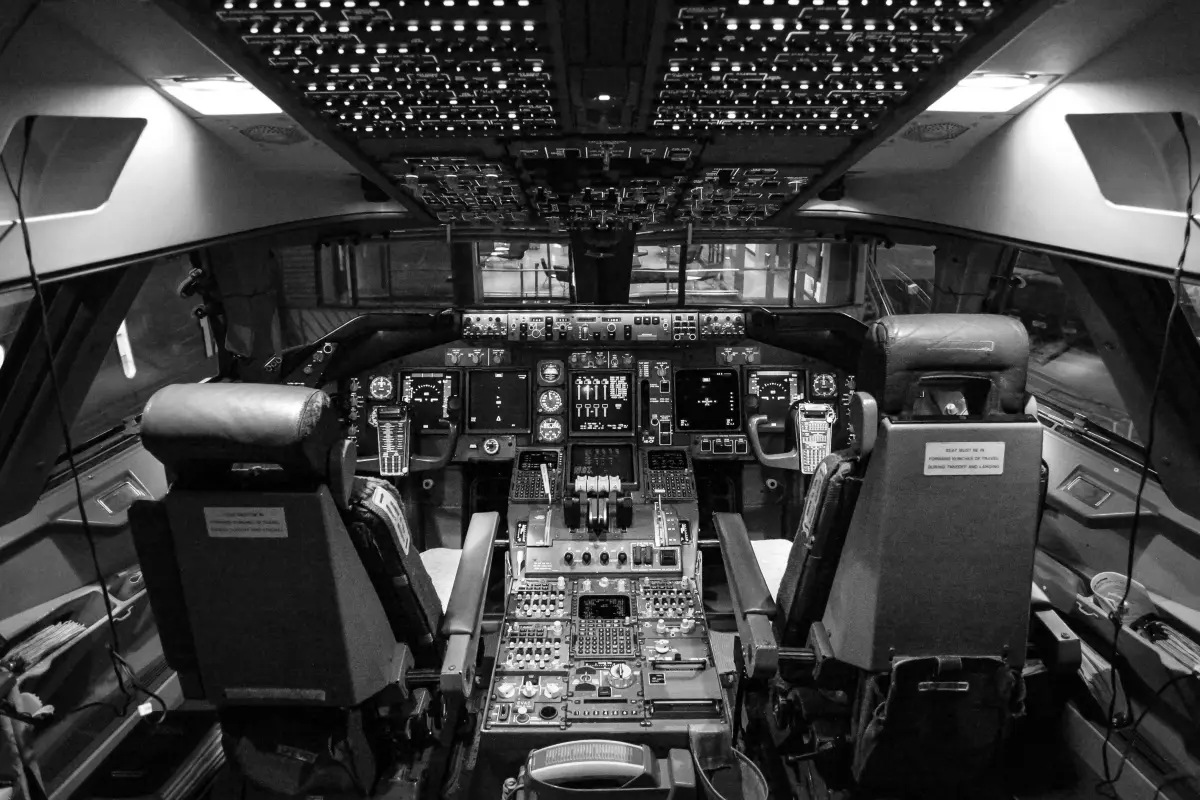
DGCA Imposes Ebola Protocols on Flights from DRC and Uganda


India's DGCA mandated strict in-flight Ebola protocols for flights from DRC and Uganda, including isolation rows and mandatory health declarations.
Key Takeaways
- •DGCA mandates strict Ebola isolation protocols for flights from DRC and Uganda.
- •Airlines must collect Self-Declaration Forms from passengers arriving from hotspots.
- •Three rows must be kept vacant for passengers exhibiting Ebola symptoms.
- •Air Suvidha digital tracking portal expected to reactivate in June 2026.
Regulatory Action
The Directorate General of Civil Aviation (DGCA) has implemented rigorous DGCA Ebola guidelines for all international carriers operating flights into India from regions affected by the current Ebola outbreak, specifically the Democratic Republic of the Congo (DRC) and Uganda. This regulatory shift, effective following an official SOP issued on May 22, 2026, mandates that airlines enforce strict aviation health protocols to mitigate the risk of viral transmission. The move comes in response to the World Health Organization (WHO) declaring the Bundibugyo virus outbreak a Public Health Emergency of International Concern (PHEIC) on May 16, 2026.
Operational Impacts
Airlines, including Air India, IndiGo, Akasa Air, Emirates, and Qatar Airways, must now ensure that passengers traveling from these hotspots complete a Self-Declaration Form (SDF) prior to arrival. The protocols mandate specific in-flight isolation rules for symptomatic passengers. Cabin crew are required to relocate symptomatic individuals to the rear of the aircraft and keep three rows in front, behind, and adjacent to the suspect case vacant "as far as possible."
Furthermore, the Ministry of Health and Family Welfare has directed that suspected cases be isolated, provided with Personal Protective Equipment (PPE), and assigned a dedicated washroom. A single cabin crew member must be designated to care for the symptomatic passenger, followed by mandatory, complete disinfection of the aircraft upon landing. Carriers are required to alert Air Traffic Control (ATC) in advance, ensuring the aircraft is directed to a separate parking bay upon arrival for immediate health team intervention.
Stakeholder and Industry Context
The operational burden on airline cabin crew has increased significantly, as they must manage suspected cases while maintaining cabin safety. For airlines, the requirement to block up to seven rows for potential isolation introduces significant capacity constraints and potential revenue loss. Airport Health Organizations (APHO) are concurrently scaling up operations to conduct 24/7 thermal screening and verify SDF documentation for all arrivals from the affected nations.
Historically, these measures mirror the COVID-19 aviation response. The 2020-2022 pandemic period established the regulatory framework for digital health declarations and onboard isolation, which is now being adapted for Ebola. Similar to the 2014-2016 West African Ebola outbreak, the current guidelines focus on a combination of exit screening in the origin country and stringent entry surveillance at international gateways. With over 1,000 suspected and confirmed cases reported as of late May 2026, the Indian government maintains a high state of readiness for tracking and surveillance.
Technical Analysis
The reactivation of pandemic-era protocols indicates a shift toward a more proactive, standardized regulatory approach to emerging infectious diseases. By leveraging existing infrastructure like the SDF system and established isolation procedures, the DGCA is minimizing the lead time required for operational compliance. This development signals that aviation regulators are increasingly viewing localized health crises as systemic threats requiring immediate, uniform intervention. The trajectory suggests that if the Bundibugyo virus continues to spread, the industry may see a broader, global adoption of these specific isolation and documentation standards, potentially leading to the full-scale reactivation of digital tracking portals like Air Suvidha by June 2026.
What Comes Next
Regulatory and health authorities are expected to continue monitoring the situation closely. While the current protocol focuses on specific African corridors, the Ministry of Civil Aviation is expected to announce the full reactivation of the Air Suvidha digital tracking portal by June 2026 to streamline health data collection. Passengers traveling from affected regions should anticipate ongoing thermal screening and potential delays during the arrival process at Indian airports.
Why This Matters
This development signals a return to heightened health-security scrutiny in international aviation, prioritizing containment over operational convenience. For travellers, this means increased paperwork and potential seating disruptions, while airlines face sustained pressure to maintain complex, disease-specific cabin management procedures.
Frequently Asked Questions
- What are the new in-flight isolation rules for Ebola in India?
- Airlines must move symptomatic passengers to the rear of the aircraft and keep three rows in front, behind, and adjacent to the passenger vacant as far as possible. Additionally, a dedicated crew member must be assigned to the passenger, and a separate washroom must be designated for their exclusive use.
- Which airlines are affected by the new DGCA Ebola protocols?
- The protocols apply to all international carriers flying into India from affected hotspots in the Democratic Republic of the Congo and Uganda, including Air India, IndiGo, Akasa Air, Emirates, and Qatar Airways.
For global airline trends and commercial aviation news, turn to omniflights.com. From aircraft production to supply chains, commercial aviation manufacturing news is covered at omniflights.com/manufacturing.

Written by Hardik Vishwakarma
Co-Founder & Aviation News Editor leading initiatives that improve trust and visibility across the global aviation industry. Covers airlines, airports, safety, and emerging technology.
Visit ProfileYou Might Also Like
Airline CEOs Address Flydubai Cockpit Attack Security
Saudia A320 Destroyed in Riyadh Airport Missile Strike
Saudi Arabia Opens Probe Into Flydubai Cockpit Attack
Flydubai FZ1073: Resilience Lessons After Cockpit Attack
EasyJet Flight Diverts to Amsterdam for Medical Emergency