Cathay Pacific CX624 Evacuated After Cabin Smoke in Hong Kong

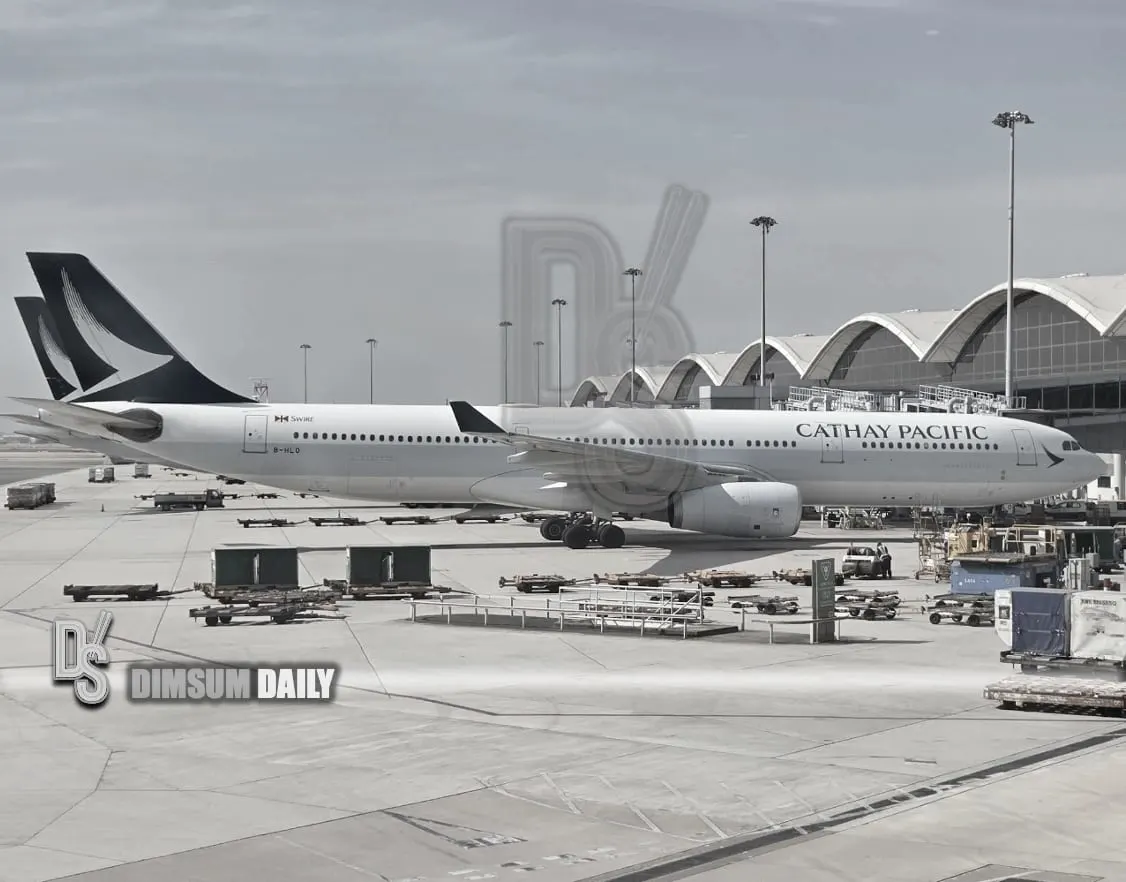
Cathay Pacific flight CX624 from Bengaluru was evacuated at Hong Kong International Airport after cabin smoke was detected upon landing; no injuries...
Key Takeaways
- •Cathay Pacific flight CX624 evacuated at HKG after cabin smoke detected.
- •No injuries reported among passengers or crew during the emergency response.
- •Initial data points to an overheating air-conditioning system on the A350-900.
- •Hong Kong Civil Aviation Department is reviewing maintenance and safety protocols.
Cabin Smoke Incident on Arrival
Cathay Pacific flight CX624 from Kempegowda International Airport (BLR) in Bengaluru was evacuated at Hong Kong International Airport (HKG) on the morning of July 5, 2026, following reports of smoke in the cabin. The flight, which arrived at approximately 9:53 am local time, had successfully touched down and was clearing the runway when the cabin smoke incident occurred.
Emergency response protocols were immediately activated as the aircraft came to a stop. Hong Kong Airport Authority (HKAA) fire services were deployed to the scene as a precautionary measure. All passengers and crew members were able to disembark the aircraft safely using standard procedures. There were zero injuries reported among the individuals on board during the evacuation process.
Technical Assessment of the Event
While early local reports identified the aircraft as an Airbus A330, flight tracking data indicates that the flight was operated by an Airbus A350-900, registered as B-LRP. Preliminary findings suggest the smoke originated from an overheating air-conditioning system. Within the industry, Environmental Control System (ECS) smoke events on widebody aircraft are often attributed to overheating air-conditioning packs or minor oil seal leaks. These occurrences typically produce smoke that dissipates once the system cools and rarely escalate into active cabin fires, though they mandate immediate emergency response and precautionary passenger evacuations as a standard safety practice.
Regulatory Oversight and Maintenance
The Civil Aviation Department (CAD) of Hong Kong has been formally notified of the occurrence. The CAD is currently following established regulatory protocols to review the airline's maintenance actions and ensure the aircraft meets all safety requirements before it is cleared to return to commercial service. A spokesperson for Cathay Pacific confirmed that the company's engineering team is performing the necessary inspections and maintenance checks on the aircraft. The airline emphasized that the safety of its customers and crew remains the primary factor in all operational decisions.
Historical Context and Industry Trends
This event follows a similar safety-related incident in January 2025, when a Cathay Pacific flight, CX811, returned to Boston Logan International Airport following reports of smoke in the cabin and cockpit. That incident also resulted in a safe landing with no injuries reported, highlighting a pattern of precautionary safety measures taken by the carrier when smoke is detected. The current incident is being managed within the framework of standard aviation safety protocols, and the aircraft's return to the fleet is expected by the third quarter of 2026, pending the completion of the CAD's review process.
Why This Matters for Airline Operations
The incident highlights the operational impact of unscheduled maintenance requirements on widebody fleets. For Cathay Pacific engineering and maintenance teams, the primary task remains the identification and repair of the specific ECS component that failed. While the Hong Kong Airport Authority coordinated a rapid emergency response, the event caused only a temporary taxiway stoppage, ensuring that overall operations at the airport remained unaffected. For the broader industry, the event serves as a reminder of the effectiveness of established emergency evacuation protocols in maintaining passenger safety during technical malfunctions.
Frequently Asked Questions
- What caused the cabin smoke on Cathay Pacific flight CX624?
- Preliminary findings suggest the smoke was caused by an overheating air-conditioning system on the Airbus A350-900 aircraft. These types of environmental control system faults are known to occur in widebody aircraft and are typically linked to overheating packs or oil seal leaks.
- Were there any injuries during the evacuation of flight CX624?
- No, all passengers and crew disembarked safely with zero reported injuries following the emergency evacuation at Hong Kong International Airport.
Visit omniflights.com for the latest commercial aviation news and airline industry updates. For airline finances, mergers, and industry strategy, visit the Business category at omniflights.com/business.

Written by Shashank Shukla
Co-Founder & CTO leading the engineering and AI systems behind Omni Flights. Covers aviation technology, flight safety, aircraft manufacturing, and emerging aerospace developments.
Visit ProfileYou Might Also Like

Flydubai FZ1073 Hijacking: Crew Thwarts Mid-Air Attack

Flydubai Pilot Attack Raises Cockpit Insider Threat Concerns

Flydubai FZ1073 Hijack Attempt: Pilot Had Targeted Tel Aviv
Flydubai FZ1073 Hijack Attempt Leads to 16,000-Foot Plunge

FlyDubai Flight FZ1073: Captain Stabbing Under Investigation