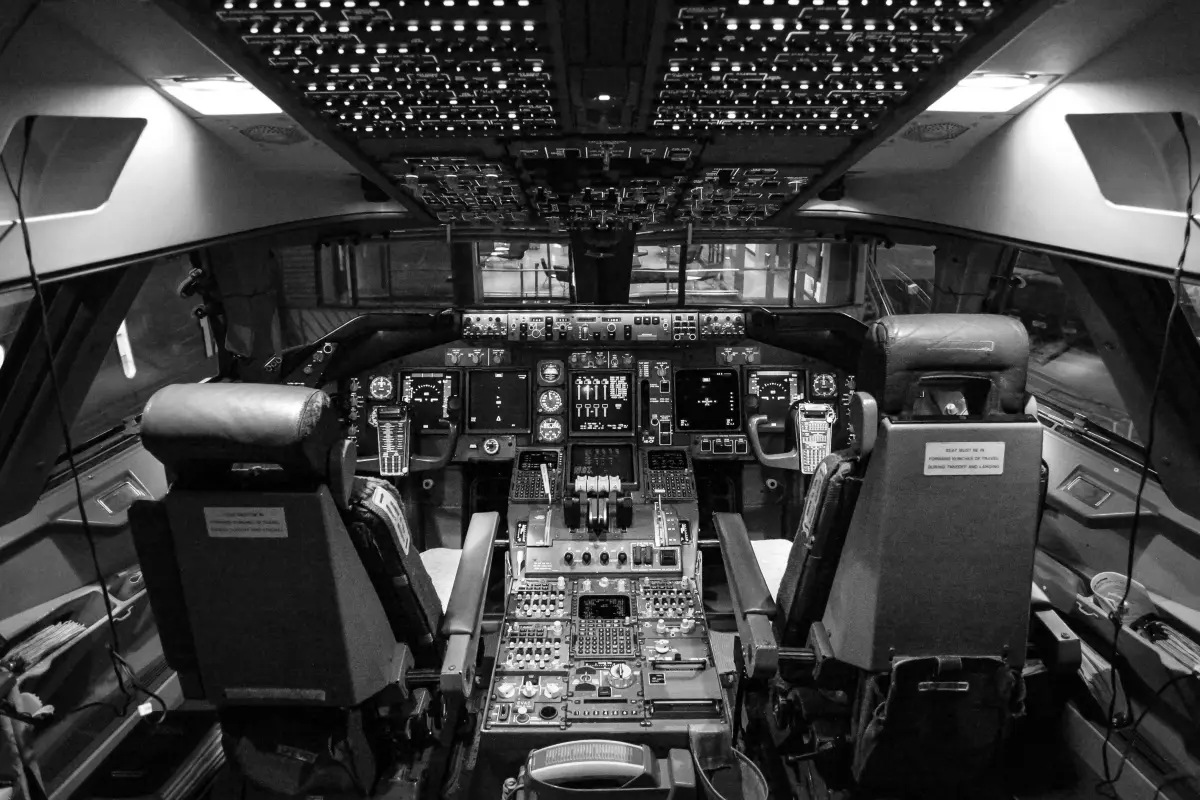
Cathay Pacific CX156: 10 Injured in Severe Turbulence

Ten people were injured when a Cathay Pacific Airbus A350-900 flight from Brisbane to Hong Kong encountered severe turbulence during meal service.
Key Takeaways
- •Cathay Pacific CX156 encountered severe turbulence on May 23, 2026.
- •Ten individuals, including six crew, sustained injuries during the flight.
- •The incident occurred during meal service on an Airbus A350-900.
- •The AAIA expects to issue a preliminary investigation report in June 2026.
Incident Overview
Cathay Pacific CX156, an Airbus A350-900 (specifically the A350-941 variant with Rolls-Royce Trent XWB-84 engines), encountered a severe turbulence incident on May 23, 2026, while en route from Brisbane to Hong Kong. The event occurred approximately two hours before the flight's scheduled arrival, during the cabin meal service. Passengers reported a sudden, violent drop that lasted roughly two seconds, with accounts describing the sensation as akin to "free-falling from a drop tower." The aircraft, carrying approximately 240 people, landed safely at Hong Kong International Airport at 06:45 local time, where it was met by emergency services.
Injuries and Medical Response
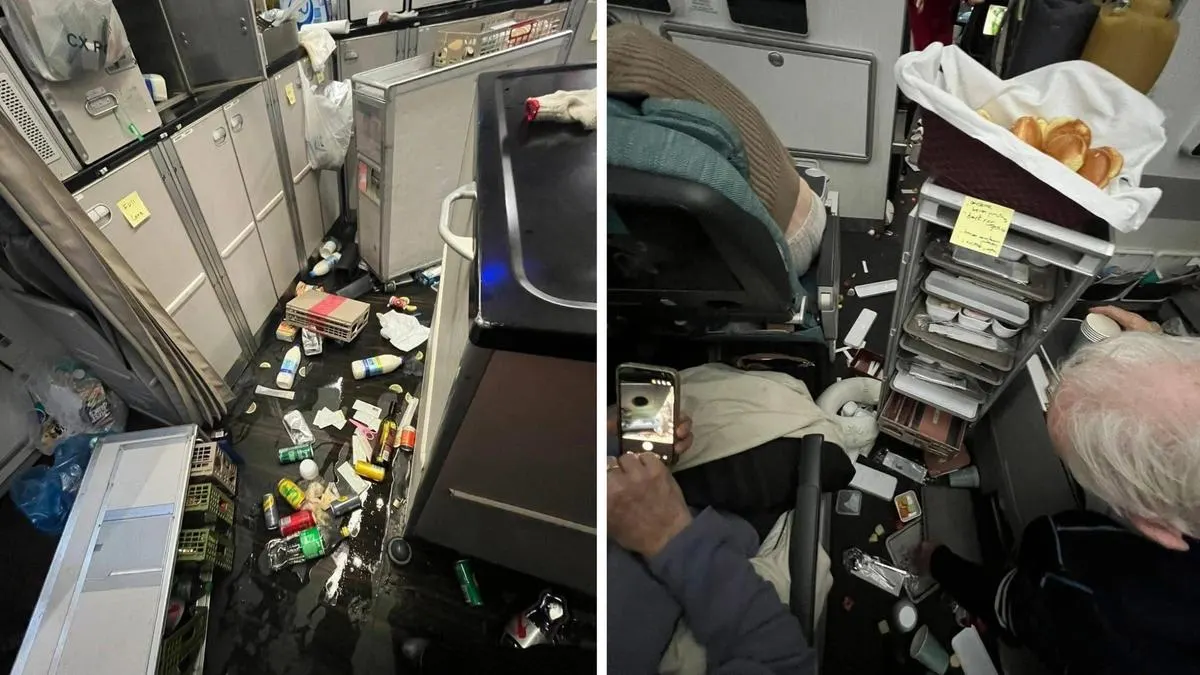
According to an official press statement from Cathay Pacific, the turbulence resulted in injuries to ten individuals: six cabin crew members and four passengers. Eight of the injured were transported to North Lantau Hospital for assessment and treatment, while two others received medical attention on-site at the airport. No life-threatening injuries were reported. Images from the cabin shared on social media depicted the extent of the disruption, showing toppled galley carts, spilled food and beverages, and coffee splattered on the aircraft ceiling, illustrating the high-energy nature of the encounter.
Regulatory and Safety Context
The Hong Kong Air Accident Investigation Authority (AAIA) has initiated an inquiry into the flight data and atmospheric conditions to determine the root cause of the unforecasted event. The incident highlights the ongoing challenges of aviation safety protocols regarding clear-air turbulence. Under the Hong Kong Civil Aviation Department (CAD) guidelines, cabin crew are required to follow strict seatbelt and service suspension protocols during suspected turbulence. However, because clear-air turbulence often occurs without warning, crew members—who are frequently standing or maneuvering heavy service carts—remain disproportionately vulnerable to injury.
Industry Trends and Historical Precedents
This event follows a series of high-profile clear-air turbulence incidents that have shifted industry focus toward data-driven turbulence mitigation. The IATA (International Air Transport Association) Turbulence Aware platform reported a 23% year-over-year increase in turbulence reports during the first half of 2025, totaling nearly 25 million data points. This incident mirrors the Singapore Airlines Flight SQ321 event of May 21, 2024, which resulted in one fatality and over 70 injuries, forcing a global re-evaluation of in-flight seatbelt policies. Furthermore, the LATAM Airlines Flight 800 incident in March 2024, which involved a sudden altitude drop, remains a benchmark for the physical risks posed to unsecured passengers and crew.
Technical Analysis
The increasing frequency of severe turbulence events suggests a structural shift in operational risk for long-haul carriers. As atmospheric researchers link these patterns to broader climate trends, the aviation industry is moving toward real-time Eddy Dissipation Rate (EDR) data integration to enhance predictive capabilities. While airlines emphasize the inherent unpredictability of these weather anomalies, aviation legal representatives note that carriers face strict liability under the Montreal Convention, which provides for significant compensation for proven bodily injuries regardless of fault. The incident on flight CX156 is expected to accelerate the adoption of automated turbulence detection and stricter cabin service suspension mandates across international fleets.
What Comes Next
The AAIA is expected to publish a preliminary investigation report regarding the circumstances of the CX156 incident by June 2026. This report will likely focus on whether meteorological forecasting tools failed to identify the specific clear-air turbulence zone or if the event was entirely undetectable with current technology. Following this, the airline may face pressure from labor unions representing cabin crew to formalize more rigid service suspension triggers during flight segments identified as having higher turbulence risk.
Why This Matters
This incident underscores the rising operational and liability risks associated with clear-air turbulence in an era of changing atmospheric conditions. For airlines, it signals a transition toward more conservative in-flight service models, while for passengers, it reinforces the necessity of maintaining seatbelt discipline even when the fasten-seatbelt sign is not illuminated.
Frequently Asked Questions
- What caused the injuries on Cathay Pacific flight CX156?
- The injuries were caused by a sudden, severe drop in altitude during in-flight meal service, which resulted in cabin items being thrown and cabin crew and passengers being tossed about.
- What is the role of the Hong Kong Air Accident Investigation Authority in this incident?
- The Air Accident Investigation Authority is responsible for investigating the flight data and meteorological conditions to determine the root cause of the turbulence and whether it could have been forecasted.
Access up-to-date commercial aviation news and airline industry developments via omniflights.com. Discover how innovation is shaping aviation through aircraft systems, avionics, and digital tools at omniflights.com/technology.

Written by Hardik Vishwakarma
Co-Founder & Aviation News Editor leading initiatives that improve trust and visibility across the global aviation industry. Covers airlines, airports, safety, and emerging technology.
Visit ProfileYou Might Also Like
Airline CEOs Address Flydubai Cockpit Attack Security
Saudia A320 Destroyed in Riyadh Airport Missile Strike
Saudi Arabia Opens Probe Into Flydubai Cockpit Attack
Flydubai FZ1073: Resilience Lessons After Cockpit Attack
EasyJet Flight Diverts to Amsterdam for Medical Emergency