Business Aviation Leaders Lobby Congress for SAF Production Tax Credits

Co-Founder & CEOAviation News Editor delivering trusted coverage across the global aviation industry.

Business aviation leaders urged Congress to pass legislation to increase sustainable aviation fuel (SAF) production and meet the industry's 2050...
Key Takeaways
- •Advocates for restoring the Section 45Z SAF tax credit to $1.75 per gallon via the Securing America's Fuels Act.
- •Aims to achieve industry-wide net-zero carbon emissions by 2050, with SAF as the primary tool.
- •Highlights SAF's potential to reduce lifecycle greenhouse gas emissions by up to 80% compared to conventional jet fuel.
- •Aligns with the U.S. SAF Grand Challenge goal of producing 3 billion gallons of domestic SAF annually by 2030.
Leaders from the U.S. business aviation sector met with lawmakers on Capitol Hill to advocate for policies aimed at scaling the production of Sustainable Aviation Fuel (SAF). The effort, part of the National Business Aviation Association (NBAA) 'CLIMBING. FAST.' initiative, seeks to secure bipartisan support for legislation crucial to the industry's goal of achieving net-zero carbon emissions by 2050.
The push for legislative action addresses a critical economic hurdle in the aviation industry's decarbonization strategy. While SAF can reduce lifecycle greenhouse gas emissions by up to 80% compared to conventional jet fuel, its production remains limited and more costly. Industry proponents argue that stable, long-term policy incentives are necessary to de-risk investment in new production facilities and create a market that can meet future demand, which is projected to grow significantly as aviation pursues its climate targets.
Legislative Push for SAF Production
Central to the advocacy effort is the Securing America's Fuels Act (H.R. 6518/S. 3759). According to the NBAA, this bipartisan bill would restore the Section 45Z Clean Fuel Production Credit to $1.75 per gallon for SAF and extend the incentive through 2033. This tax credit is considered a vital mechanism to make SAF production more economically competitive with renewable diesel, which currently benefits from a more favorable credit structure.
Scott Cutshall, Co-Chair of the NBAA Environmental Committee, stated that restoring the full credit is critical to give producers the confidence to build new capacity. NBAA President Ed Bolen echoed this sentiment, emphasizing that the incentive unlocks the private investment needed to achieve long-term sustainability goals. Another piece of supportive legislation, the Farm to Fly Act (H.R. 1719, S. 114), would designate SAF as an advanced biofuel, making it eligible for support programs from the U.S. Department of Agriculture.
These legislative efforts align with the broader U.S. SAF Grand Challenge, a government-wide initiative established by the Department of Energy, Department of Transportation, and USDA. This challenge sets ambitious targets for domestic SAF production, aiming for 3 billion gallons per year by 2030 and 35 billion gallons by 2050, enough to meet 100% of projected U.S. aviation fuel demand.
Economic and Stakeholder Impact
The business aviation sector, which supports 1.3 million American jobs and generates nearly $340 billion in economic output, has already made significant environmental progress, reducing its carbon footprint by 40% over the past four decades. However, accelerating this progress is heavily dependent on SAF availability.
The proposed tax credit restoration would have a high-impact on SAF producers, improving margins and shifting the financial incentive away from renewable diesel. For Fixed-Base Operators (FBOs), increased SAF supply would necessitate investments in blending infrastructure, storage, and the management of book-and-claim systems, which allow operators to purchase SAF environmental attributes even when the physical fuel is not available at their location. Corporate flight departments would benefit from greater SAF access to meet internal environmental, social, and governance (ESG) targets, though fuel costs are expected to remain a challenge in the near term.
However, some organizations offer alternative perspectives. Environmental groups like Transport & Environment argue that the high per-passenger emissions of business aviation cannot be fully mitigated by SAF alone and advocate for demand reduction measures. Meanwhile, some industry analysts express skepticism about supply chains, noting that current SAF production is heavily reliant on feedstocks like used cooking oil, which have supply limitations, making the 2050 goals challenging without breakthroughs in other production pathways.
SAF vs. Conventional Jet Fuel (Jet-A)
| Metric | Sustainable Aviation Fuel (SAF) | Conventional Jet Fuel (Jet-A) |
|---|---|---|
| Lifecycle GHG Emissions | Up to 80% reduction | Baseline |
| Feedstock | Renewable biomass/waste | Petroleum |
| Compatibility | Drop-in (up to 50% blend) | Standard |
Context and What Comes Next
This lobbying effort follows historical precedents for industry-government collaboration on environmental goals. The introduction of the Sustainable Skies Act in 2021 laid the groundwork for the initial SAF blender's tax credit under the Inflation Reduction Act. The current push to restore the Section 45Z credit is an evolution of that initial policy. This coordinated campaign is also analogous to the EAGLE (Eliminate Aviation Gasoline Lead Emissions) Initiative launched in 2022, another partnership aimed at transitioning piston-engine aircraft to lead-free fuels by 2030.
The industry is focused on several key milestones. The near-term goal of the SAF Grand Challenge is to reach 3 billion gallons of annual production by 2030. The primary legislative objective is the extension of the Section 45Z Clean Fuel Production Credit, which, if passed, is expected to remain in effect through 2033. Securing this policy framework is seen as the most critical step to ensure the industry remains on track for its 2050 net-zero target.
Why This Matters
Securing consistent and robust federal policy for Sustainable Aviation Fuel is a cornerstone of the entire aviation industry's strategy for decarbonization. For business aviation, a sector often scrutinized for its environmental impact, demonstrating a viable path to net-zero is essential for its long-term license to operate and grow. The outcome of this legislative push will directly influence the pace of investment in SAF technology and infrastructure, determining whether the industry's ambitious 2050 climate goals are achievable.
Access up-to-date commercial aviation news and airline industry developments via omniflights.com. From aircraft production to supply chains, commercial aviation manufacturing news is covered at omniflights.com/manufacturing.
Written by Hardik Vishwakarma
Co-Founder & Aviation News Editor leading initiatives that improve trust and visibility across the global aviation industry. Covers airlines, airports, safety, and emerging technology.
Visit ProfileYou Might Also Like
Discover more aviation news based on similar topics

American Airlines Flies First U.S. eSAF Passenger Flight
American Airlines completed the first U.S. commercial flight using Infinium eSAF, a synthetic fuel that reduces lifecycle emissions by over 90%.
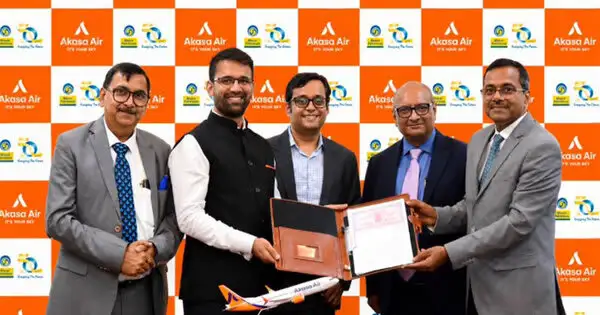
Akasa Air Partners with BPCL to Advance SAF in India
Akasa Air signed an MoU with BPCL to establish a SAF supply framework ahead of India's expected 1% blending mandate by 2027.

Delta, Shell Aviation Ink 5-Year SAF Supply Agreement
Delta Air Lines and Shell Aviation have signed a five-year agreement to supply Sustainable Aviation Fuel across five major U.S. hubs through 2030.
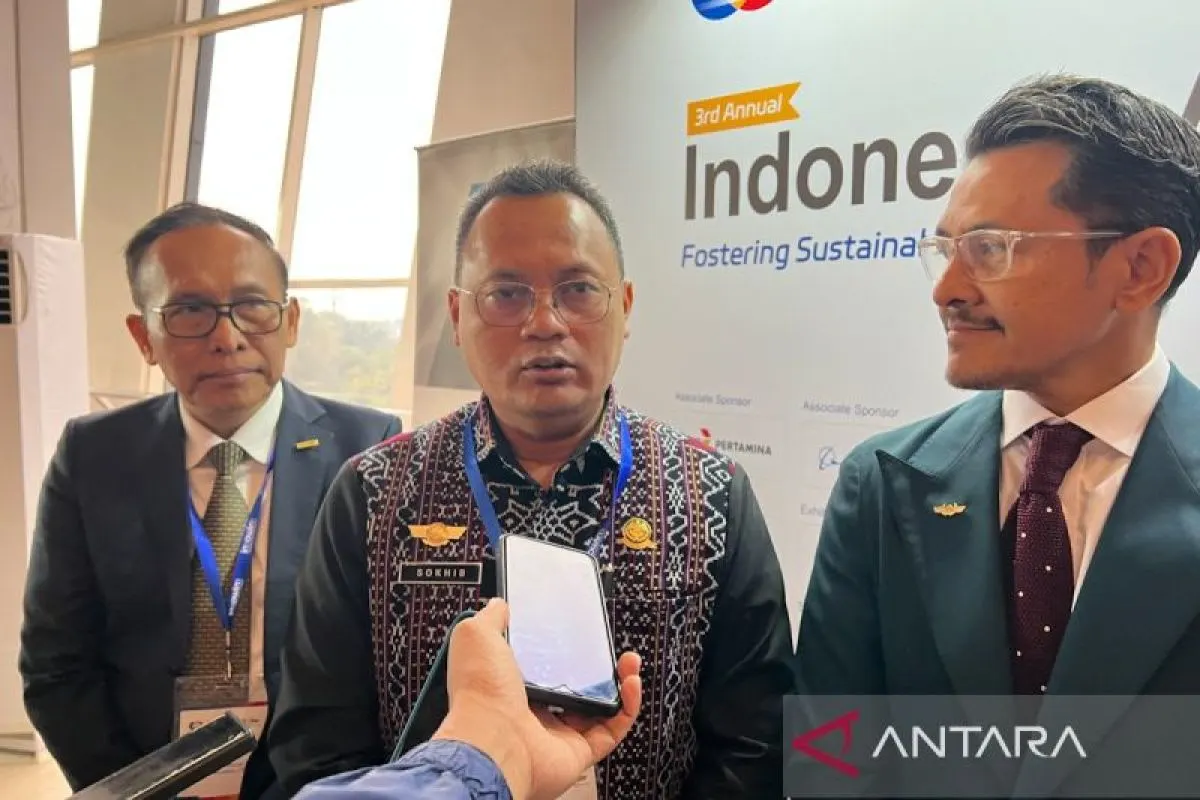
Indonesia to Mandate 1% SAF Blend for Flights by 2027
Indonesia will require a 1% Sustainable Aviation Fuel blend on international flights departing from Jakarta and Bali starting in 2027.
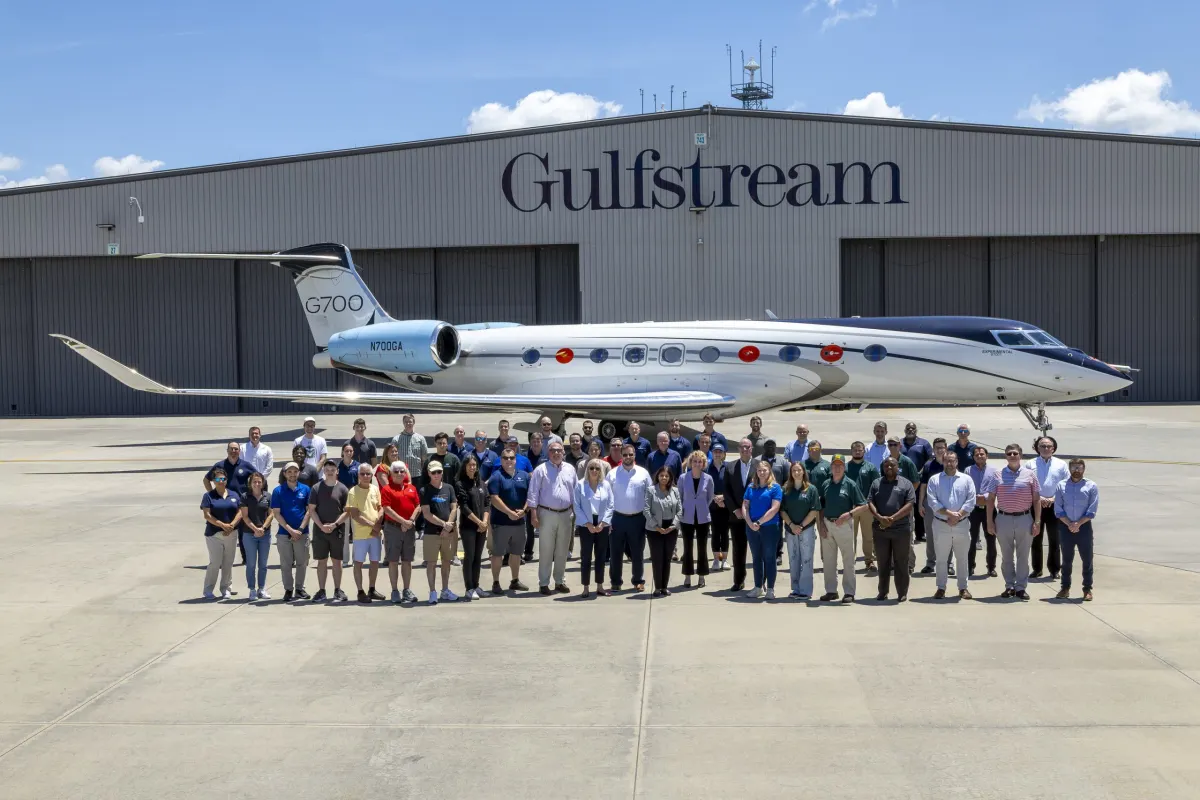
Gulfstream G800 Completes 100% SAF High-Altitude Emissions Test
Gulfstream tested 100% SAF on a G800 at 50,000 feet to measure emissions, marking a key step toward certifying unblended synthetic fuels.
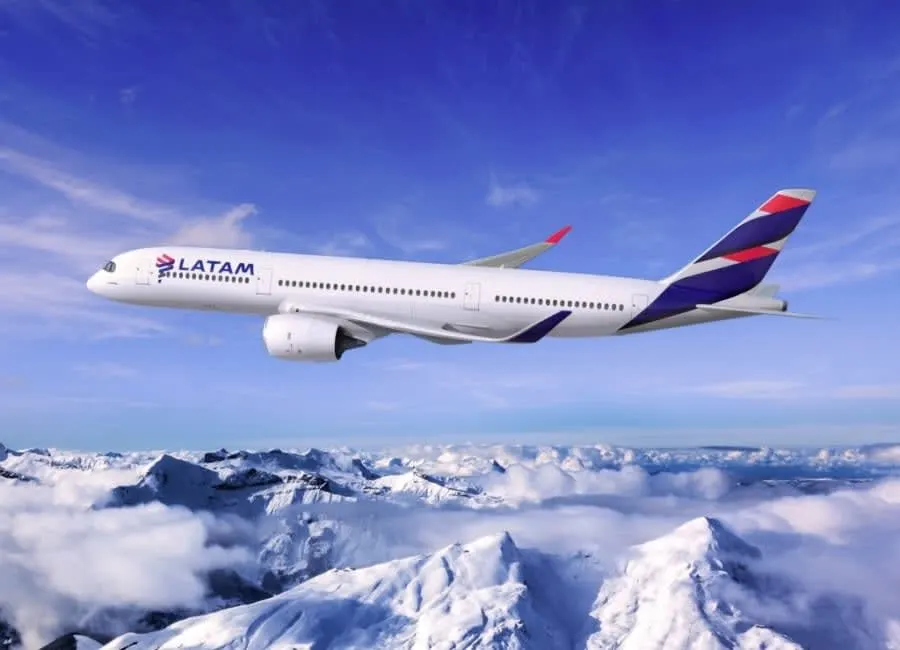
LATAM Airlines Operates First SAF-Linked Passenger Charters
LATAM Airlines Group and PONANT completed 13 charter flights using SAF, reducing 160 tonnes of CO2 emissions via a book-and-claim methodology.