Boeing Warns of Production Delays Amid Iran Conflict Supply Issues

Co-Founder & CEOAviation News Editor delivering trusted coverage across the global aviation industry.

Boeing warns of commercial production delays as the Iran conflict disrupts petroleum-based composite material supplies for its 787 and 777X aircraft.
Key Takeaways
- •Warns of production delays for 787 and 777X due to Iran conflict.
- •Faces supply chain disruption for petroleum-based composite materials.
- •Highlights risk to its 14% backlog from Middle Eastern airlines.
- •Cites potential diversion of resources if U.S. invokes Defense Production Act.
Boeing has signaled that ongoing conflict in Iran, which began on February 28, 2026, is expected to cause a slowdown in its commercial aircraft production lines. The disruption, centered around the effective closure of the Strait of Hormuz, has created a significant crimp in the global oil and gas supply chain, directly impacting the availability of raw materials essential for modern aerospace manufacturing.
The announcement immediately affected market confidence, with Boeing shares (NYSE: BA) dropping nearly 3%, according to TipRanks data. The core issue of these Boeing production delays stems from the aviation impact of the war on petroleum-based components. This directly threatens the manufacturing of key widebody programs, including the Boeing 787 Dreamliner and the 777X, which rely heavily on advanced composite materials.
Supply Chain Under Pressure
The vulnerability of the commercial aircraft supply chain is now in sharp focus. Key raw materials for carbon fiber composites, such as polyacrylonitrile precursor fiber and epoxy resins, are derived from petroleum. The disruption to oil and gas transit through the Strait of Hormuz has created a critical bottleneck for suppliers, including those in nearby regions like the United Arab Emirates (UAE), which is home to key aerospace manufacturers like Strata.
This situation affects not only Boeing but the entire ecosystem of Original Equipment Manufacturers (OEMs). Competitor Airbus has stated it is in 'close dialogue' with its regional customers, indicating an industry-wide effort to assess and mitigate the fallout from the supply shock. For Boeing, the impact is acute, as the 787 and 777X programs are central to its long-haul strategy and order book.
Regional and Regulatory Risks
The Middle East is a critical market for Boeing. The region represents 14% of the company's total commercial aircraft backlog. According to analysis from Leeham News, Boeing holds a 57% market share of the backlog in the Middle East, compared to Airbus's 43%. With 1,710 airplanes currently on order by Middle Eastern airlines and lessors, any significant delivery delays could hamper fleet modernization and expansion plans for major carriers.
Adding another layer of complexity is the potential for U.S. government intervention. There are reports that the administration may invoke the Defense Production Act (DPA) to compel aerospace firms to prioritize military contracts. Such a move would legally require Boeing to accelerate military output, forcing a diversion of resources, labor, and materials away from its commercial aircraft production lines. This shift toward military aerospace prioritization puts further strain on an already stressed commercial supply chain.
Historical Precedent: The Titanium Disruption
This is not the first time a geopolitical event has sent shockwaves through the aerospace supply chain. In February 2022, the Russia-Ukraine war resulted in Boeing and Airbus suspending titanium purchases from Russia's VSMPO-AVISMA, a major global supplier. That event forced a rapid and costly shift to alternative sources, creating temporary but significant stress on production. The current situation with petroleum-based composites echoes that disruption, highlighting the industry's vulnerability to single-source or geographically concentrated raw materials.
Technical Analysis
The ongoing crisis underscores a fundamental weakness in advanced aerospace manufacturing: its dependence on a stable supply of fossil-fuel-derived materials. While the focus of sustainability has largely been on operational emissions, this development reveals a critical vulnerability in the production phase. The Iran conflict's impact on oil supplies acts as a direct threat to the very materials that enable modern, lightweight airframes like the 787. This situation will likely accelerate research and investment into alternative, non-petroleum-based composites and more resilient, diversified supply chains. Furthermore, the potential invocation of the DPA signals a structural shift where geopolitical tensions can force a re-prioritization of national security interests over commercial market demands, a trend that could redefine the business landscape for dual-use manufacturers like Boeing.
What Comes Next
Both Boeing and Airbus are expected to provide more detailed assessments of the supply chain impact and revised delivery schedules during their Q1 2026 earnings calls, which are anticipated in April 2026. Airline customers in the Middle East and globally will be closely watching for guidance on how these delays will affect their fleet planning. Richard Aboulafia, Managing Director at AeroDynamic Advisory, noted that the primary long-term concern may shift from immediate supply issues to a potential drop in demand for commercial jets in the region if the conflict escalates further.
Why This Matters
This development is more than a production issue for a single manufacturer; it is a stress test for the entire global aviation supply chain. It highlights the profound impact of geopolitical instability on highly complex, international manufacturing networks. For airlines, it signals potential delays in receiving new-generation, fuel-efficient aircraft, while for the industry, it serves as a stark reminder of the urgent need to decouple critical manufacturing processes from volatile commodity markets and geopolitical flashpoints.
From airline operations to fleet updates, commercial aviation news lives at omniflights.com. Discover how innovation is shaping aviation through aircraft systems, avionics, and digital tools at omniflights.com/technology.
Written by Hardik Vishwakarma
Co-Founder & Aviation News Editor leading initiatives that improve trust and visibility across the global aviation industry. Covers airlines, airports, safety, and emerging technology.
Visit ProfileYou Might Also Like
Discover more aviation news based on similar topics

Boeing 777X Testing Spills Into 2027 Amid Certification Hurdles
Boeing expects some 777X testing to extend into 2027, though the manufacturer maintains its target for the first delivery of the aircraft that year.

Airbus A350F Completes Ground Tests Before Maiden Flight
Airbus has finished initial ground tests for the A350F, with the freighter set for a late 2026 maiden flight and a 2027 entry into service.
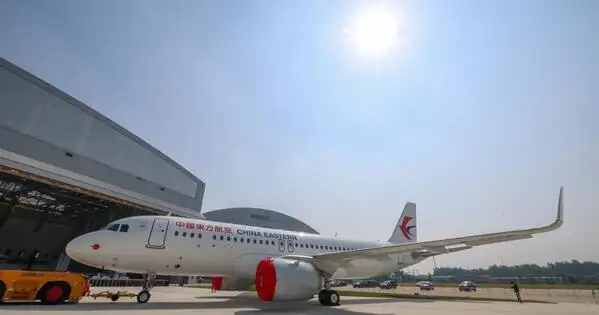
Airbus Delivers First A320neo From New Tianjin FAL
China Eastern Airlines took delivery of the first A320neo from Airbus's second Final Assembly Line in Tianjin, marking a key industrial milestone.
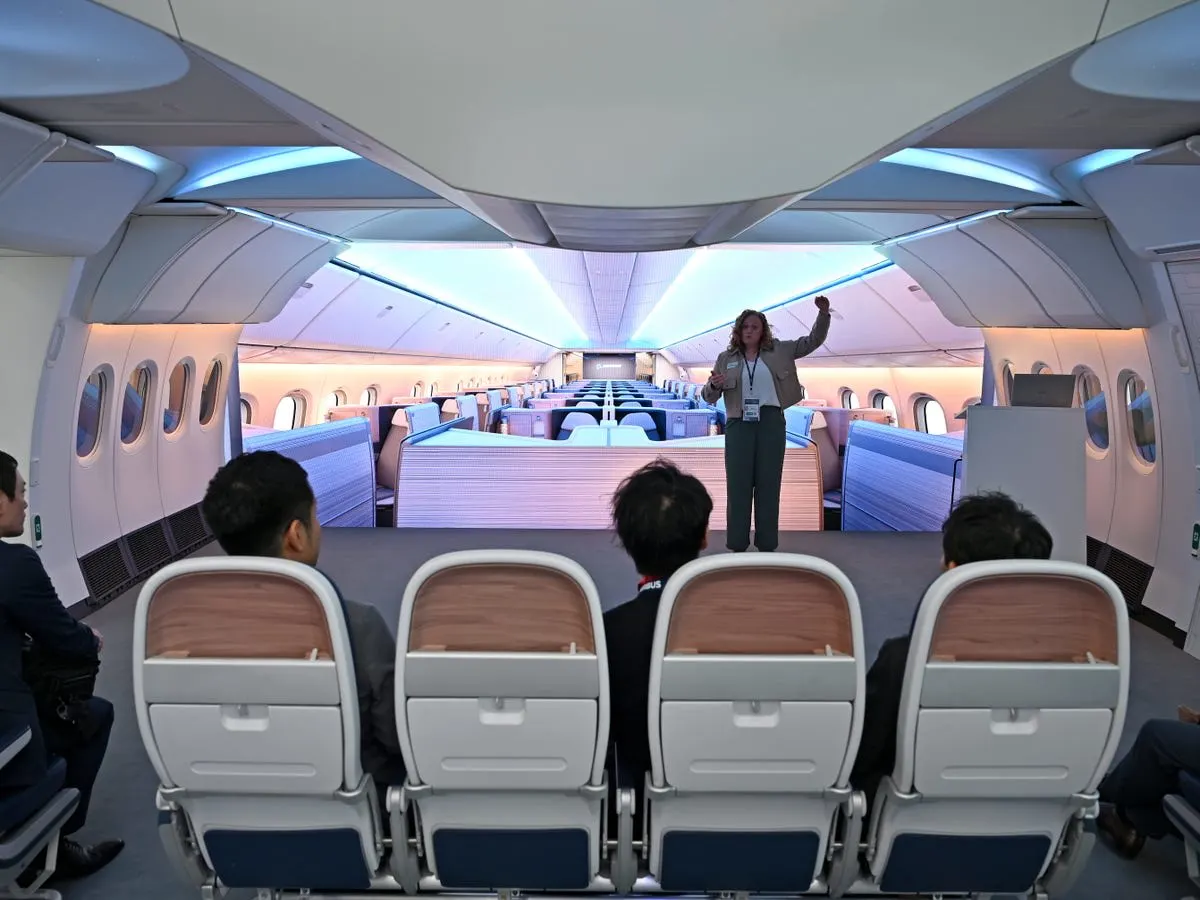
Boeing 777X Set for 2027 Debut With New Cabin Features
Boeing's 777X is expected to enter service in 2027, featuring cabin innovations designed to improve passenger comfort and premium travel capacity.
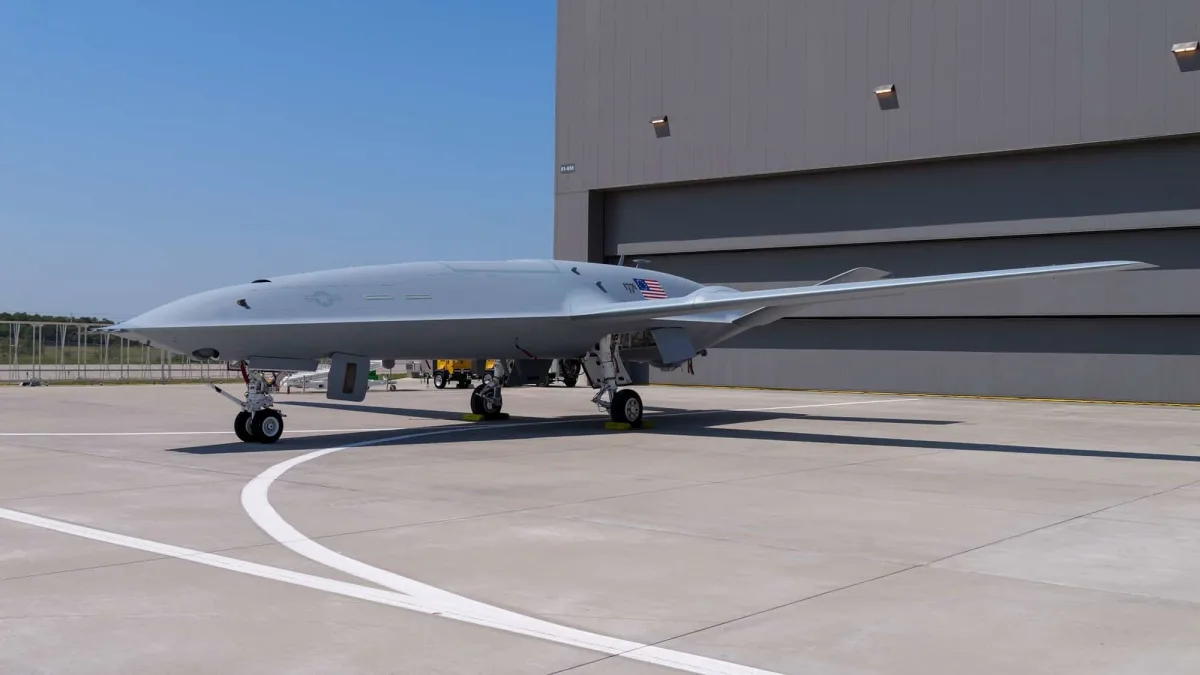
Boeing Awarded $562M Contract for MQ-25 Stingray Production
The U.S. Navy awarded Boeing a $562 million contract for the first three MQ-25 Stingray unmanned aerial refueling tankers, with deliveries expected in...

Boeing Logs 15 Gross Orders Including 13 787 Dreamliners
Boeing recorded 15 gross orders in August 2026, featuring 13 widebody 787 Dreamliner commitments from undisclosed customers.