Boeing 777X Delays Shift Widebody Capacity Race Beyond 2026

Co-Founder & CEOAviation News Editor delivering trusted coverage across the global aviation industry.

Boeing's 777X certification delays push its service entry to 2027, ceding the near-term high-capacity market to the competing Airbus A350-1000.
Key Takeaways
- •Pushes Entry Into Service for the Boeing 777-9 to early 2027, six to seven years behind schedule.
- •Offers a higher typical capacity of 426 seats compared to the Airbus A350-1000's 350-410.
- •Cedes the near-term high-capacity widebody market to Airbus as launch customers adjust fleet plans.
- •Faces significant Federal Aviation Administration certification hurdles, described by Boeing's CEO as a "mountain of work."
Ongoing certification challenges for the Boeing 777X program have pushed the aircraft's projected Entry Into Service (EIS) to early 2027, altering the competitive landscape for high-capacity, long-haul aircraft. While the Boeing 777-9 variant is designed to offer a passenger capacity advantage over its primary rival, the Airbus A350-1000, persistent delays mean this potential will not be realized until at least a year later than previously anticipated. The delay is now approximately six to seven years behind the original 2020 delivery target.
The setback postpones a significant shift in the widebody market. The 777-9, with its typical two-class configuration seating 426 passengers, was positioned to capture the upper end of the twin-engine market. This capacity exceeds the 350 to 410 passengers typically seated on the Airbus A350-1000. However, the continued certification process with the Federal Aviation Administration (FAA) hands a strategic advantage to Airbus, whose A350-1000 remains the only available next-generation option in this category, potentially securing additional orders from airlines awaiting their 777X deliveries.
Certification and Stakeholder Impact
The complexity of the 777X certification has been publicly acknowledged by Boeing's leadership. At the Morgan Stanley Laguna Conference in September 2025, Boeing CEO Kelly Ortberg stated the company is "falling behind on the certification" and faces a "mountain of work." The process involves navigating a series of incremental Type Inspection Authorizations (TIA) from the FAA, which are required to complete the necessary certification flight tests. These regulatory hurdles are a primary driver of the revised timeline.
The delay has a direct financial and operational impact on key stakeholders. Launch customers, including Lufthansa and Emirates, are forced to adjust their fleet renewal strategies, which may involve extending leases on older aircraft like the 777-300ER or placing new orders for the readily available A350. For GE Aerospace, the sole engine provider for the 777X, revenues from its powerful GE9X engine program are also deferred, tying its financial returns directly to the aircraft's certification timeline.
Boeing 777-9 vs Airbus A350-1000: Key Specifications
| Metric | Boeing 777-9 | Airbus A350-1000 |
|---|---|---|
| Typical Capacity | 426 (2-class) | 350-410 (3-class) |
| Maximum Range | 7,285 nmi | 8,700 nmi |
| Wingspan | 71.75m (extended) | 64.75m |
Technical Analysis
The competition between the 777X and A350-1000 highlights a pivotal industry trend: the move away from four-engine jumbo jets toward highly efficient, high-capacity twinjets. This shift echoes the capacity-focused competition between the Airbus A380 and Boeing 747-8 in the 2000s, but with a critical difference. While that era prioritized maximum passenger count, the current market balances capacity with the superior fuel efficiency of twin-engine designs. Both the Boeing 777X and the A350 utilize advanced aerodynamics and extensive use of lightweight Carbon-Fiber-Reinforced Polymer (CFRP) to reduce weight and improve fuel burn by up to 25% over previous-generation aircraft. The 777-9's higher seating capacity aims to deliver a lower cost-per-seat, but the A350-1000's superior range of 8,700 nautical miles and lower trip costs offer airlines more flexibility on ultra-long-haul routes with variable demand. The current delay underscores that an aircraft's on-paper specifications are only valuable once it is certified and delivered.
What Comes Next
According to the revised schedule, Boeing is working toward several key milestones. The manufacturer is expected to complete its FAA Type Certification for the 777-9 by mid-to-late 2026. Following regulatory approval, the first aircraft delivery to launch customer Lufthansa is expected to facilitate the official Entry Into Service in early 2027. This timeline remains subject to the successful completion of all remaining flight tests and regulatory documentation.
Why This Matters
The delay in the Boeing 777X program reshuffles the competitive dynamics of the lucrative widebody market for the immediate future. It provides Airbus with a crucial window to solidify the A350-1000's market position and forces airlines to make difficult decisions about fleet management and capital expenditure. Ultimately, the situation places heightened scrutiny on Boeing's ability to execute complex new aircraft programs under a more stringent post-737 MAX regulatory environment.
Access up-to-date commercial aviation news and airline industry developments via omniflights.com. Follow aviation sustainability efforts, emissions research, and green initiatives in the Environmental section at omniflights.com/environmental.

Written by Hardik Vishwakarma
Co-Founder & Aviation News Editor leading initiatives that improve trust and visibility across the global aviation industry. Covers airlines, airports, safety, and emerging technology.
Visit ProfileYou Might Also Like
Discover more aviation news based on similar topics

Boeing 777X Testing Spills Into 2027 Amid Certification Hurdles
Boeing expects some 777X testing to extend into 2027, though the manufacturer maintains its target for the first delivery of the aircraft that year.

Airbus A350F Completes Ground Tests Before Maiden Flight
Airbus has finished initial ground tests for the A350F, with the freighter set for a late 2026 maiden flight and a 2027 entry into service.
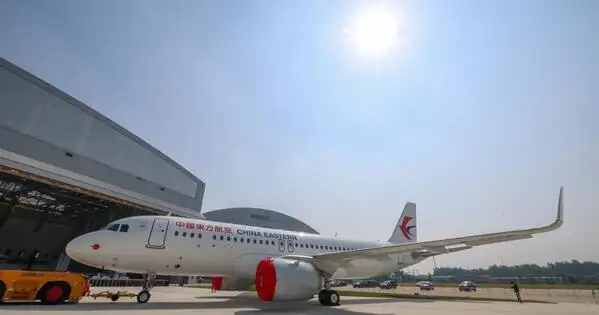
Airbus Delivers First A320neo From New Tianjin FAL
China Eastern Airlines took delivery of the first A320neo from Airbus's second Final Assembly Line in Tianjin, marking a key industrial milestone.
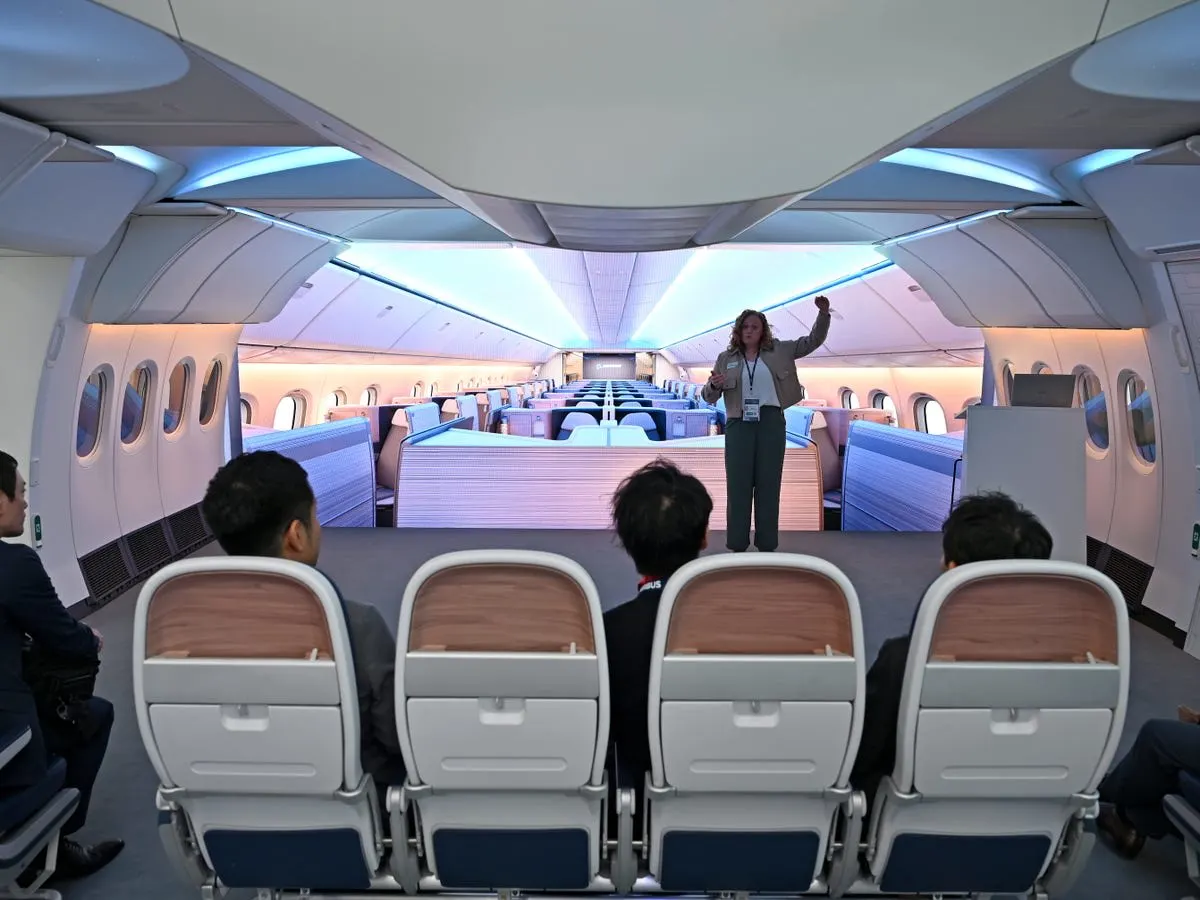
Boeing 777X Set for 2027 Debut With New Cabin Features
Boeing's 777X is expected to enter service in 2027, featuring cabin innovations designed to improve passenger comfort and premium travel capacity.
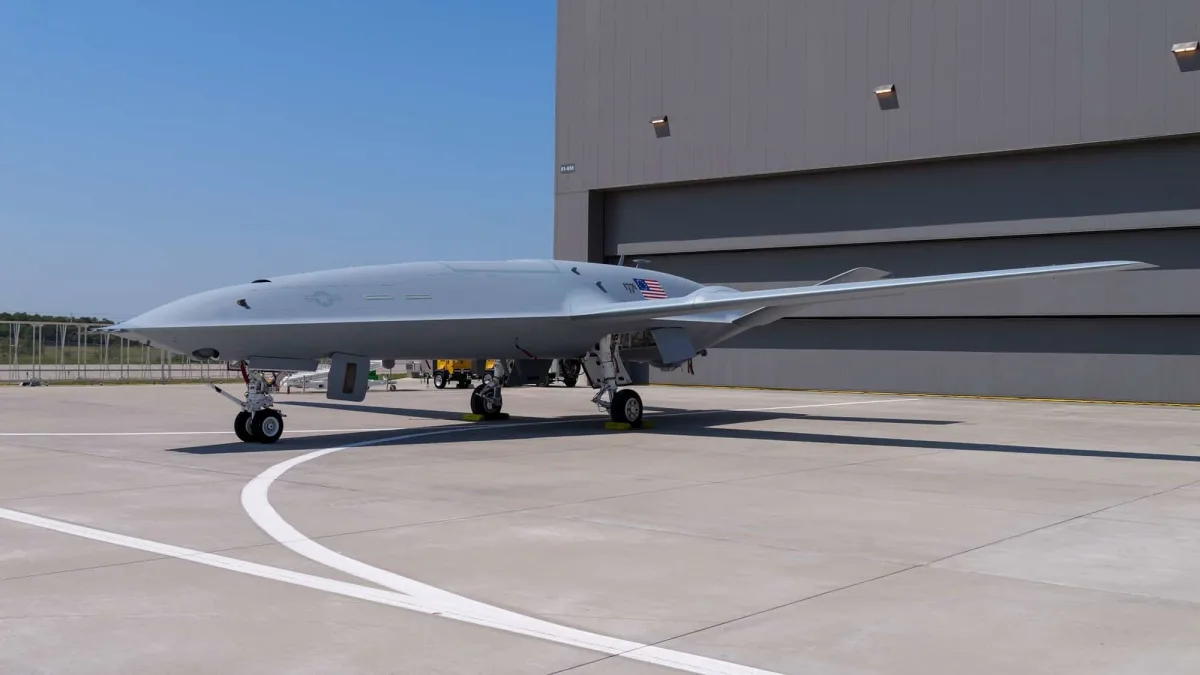
Boeing Awarded $562M Contract for MQ-25 Stingray Production
The U.S. Navy awarded Boeing a $562 million contract for the first three MQ-25 Stingray unmanned aerial refueling tankers, with deliveries expected in...

Boeing Logs 15 Gross Orders Including 13 787 Dreamliners
Boeing recorded 15 gross orders in August 2026, featuring 13 widebody 787 Dreamliner commitments from undisclosed customers.