Boeing 777-9 Conducts Polar Test Flight for Certification

Co-Founder & CEOAviation News Editor delivering trusted coverage across the global aviation industry.
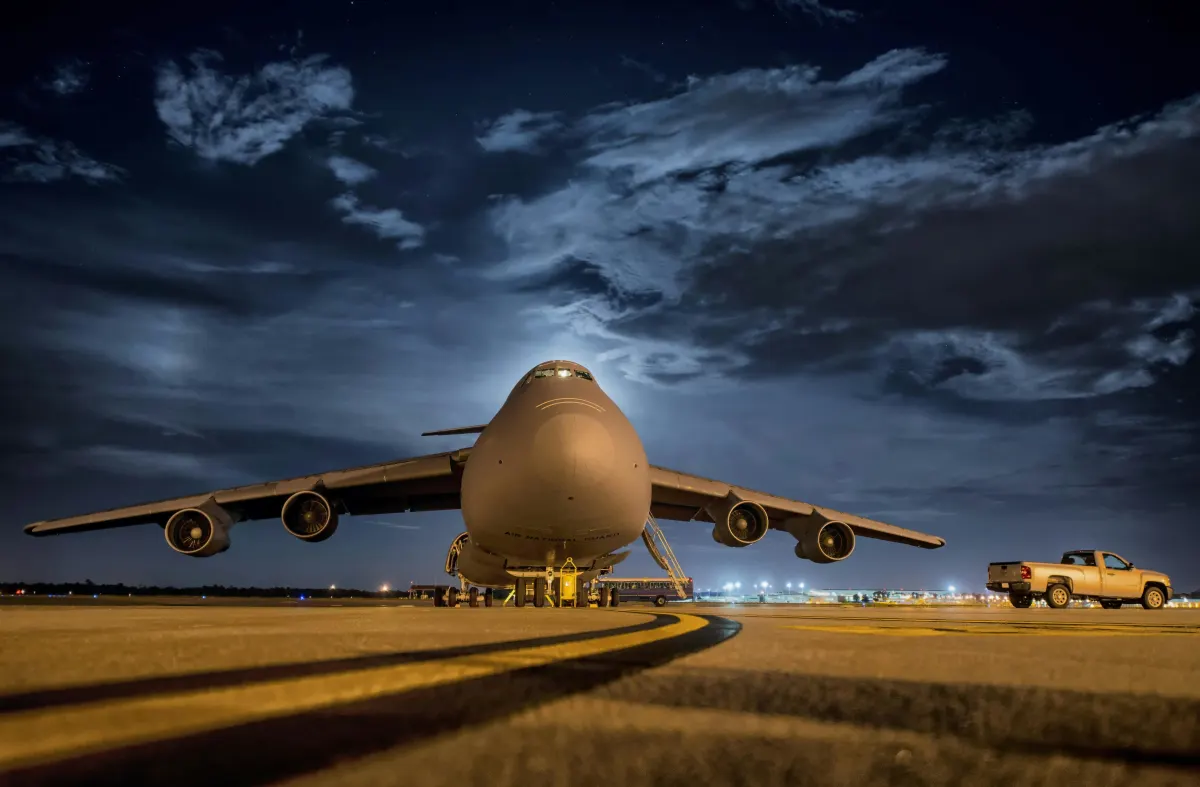
Boeing's first production 777-9, registered N20080, completed an 11-hour polar test flight as part of its ongoing FAA certification program.
Key Takeaways
- •Boeing 777-9 N20080 completed an 11-hour North Pole test flight.
- •Aircraft is currently in FAA Type Inspection Authorization Phase 4.
- •Entry into commercial service is now expected by 2027.
- •Lufthansa has 20 firm orders for the new widebody aircraft.
Advancing the 777-9 Certification Campaign
Boeing is accelerating the development of its Boeing 777-9 test flight program, with the first production aircraft destined for Lufthansa recently completing an 11-hour mission toward the North Pole. This high-latitude sortie represents a critical milestone in the Lufthansa 777X certification process, as the manufacturer works to validate navigation and communication systems in extreme environments. The aircraft, registered as N20080, is currently undergoing Type Inspection Authorization (TIA) Phase 4, a rigorous stage where the Federal Aviation Administration (FAA) evaluates flight controls and performance for final airworthiness approval.
The Path to Commercial Entry
This polar mission is essential for achieving Extended Operations (ETOPS) certification, which allows the twin-engine widebody to fly long-haul routes over remote regions. The Boeing 777-9 program has faced significant hurdles, with commercial entry into service now delayed by approximately seven years, shifting from an initial 2020 target to an expected 2027 debut. Lufthansa has 20 firm orders for the aircraft, which it intends to use to modernize its long-haul fleet and replace less-efficient four-engine jets like the 747-400. The broader Boeing 777-9 test fleet has accumulated over 4,700 flight-test hours, underscoring the intensity of the current campaign.
Competitive Landscape and Technical Specifications
As the industry shifts toward high-capacity, twin-engine aircraft to reduce fuel consumption by up to 20%, the 777-9 remains a central pillar of Boeing’s widebody strategy. The aircraft’s performance is frequently measured against the Airbus A350-1000 as airlines evaluate their future long-haul requirements.
Boeing 777-9 vs. Airbus A350-1000: Key Specifications
| Metric | Boeing 777-9 | Airbus A350-1000 |
|---|---|---|
| Typical Seating | 426 | 350-410 |
| Range | 7,295 nmi | 8,700 nmi |
| Engine | GE9X | Rolls-Royce Trent XWB-97 |
Inside the Certification Math
Historically, the development of new widebody aircraft has required extensive testing in extreme conditions. The Boeing 787 Dreamliner certification in 2011 provides a clear precedent, where a highly anticipated platform overcame multi-year delays through rigorous flight testing. The current TIA Phase 4 testing is a high-stakes environment for GE Aerospace, the manufacturer of the GE9X engine. Any durability issues identified during these long-duration flights could further impact the 2027 delivery schedule. For major operators like Emirates, which has 270 orders across the 777X family, the certification timeline remains a critical bottleneck for fleet expansion.
Expected Milestones for 777-9 Entry
Following the successful completion of high-latitude navigation tests, the program will focus on finalizing system performance data for the FAA. The anticipated timeline for the 777-9 remains focused on achieving full Type Certification by 2027, followed immediately by the first commercial delivery to Lufthansa. While environmental advocacy groups have raised concerns regarding the carbon footprint of such large aircraft, Boeing maintains that the 777-9 offers a significant efficiency improvement over the legacy fleet it is designed to replace.
Why This Matters for Long-Haul Networks
The 777-9’s certification is a bellwether for the future of long-haul aviation and the viability of the twin-engine, long-range model. For airlines currently operating aging, fuel-intensive fleets, the delivery of the 777-9 is essential to meeting long-term sustainability and profitability targets. The success of these polar test flights signals that the program is moving through the final, most technically demanding phases of its development cycle.
Frequently Asked Questions
- What is the status of the Boeing 777-9 certification?
- The Boeing 777-9 is currently undergoing Type Inspection Authorization Phase 4, with FAA test pilots evaluating the aircraft's systems. Commercial service is expected to begin in 2027.
- Why does the 777-9 need to perform polar test flights?
- Polar test flights are required to validate navigation and communication systems at high latitudes, which is a prerequisite for ETOPS certification. This allows the aircraft to operate ultra-long-haul routes over remote areas.
From airline operations to fleet updates, commercial aviation news lives at omniflights.com. Stay informed on aviation incidents, investigations, and best practices in the Safety category at omniflights.com/safety.
Written by Hardik Vishwakarma
Co-Founder & Aviation News Editor leading initiatives that improve trust and visibility across the global aviation industry. Covers airlines, airports, safety, and emerging technology.
Visit ProfileYou Might Also Like
Discover more aviation news based on similar topics

Boeing 777X Testing Spills Into 2027 Amid Certification Hurdles
Boeing expects some 777X testing to extend into 2027, though the manufacturer maintains its target for the first delivery of the aircraft that year.

Airbus A350F Completes Ground Tests Before Maiden Flight
Airbus has finished initial ground tests for the A350F, with the freighter set for a late 2026 maiden flight and a 2027 entry into service.

Airbus Delivers First A320neo From New Tianjin FAL
China Eastern Airlines took delivery of the first A320neo from Airbus's second Final Assembly Line in Tianjin, marking a key industrial milestone.
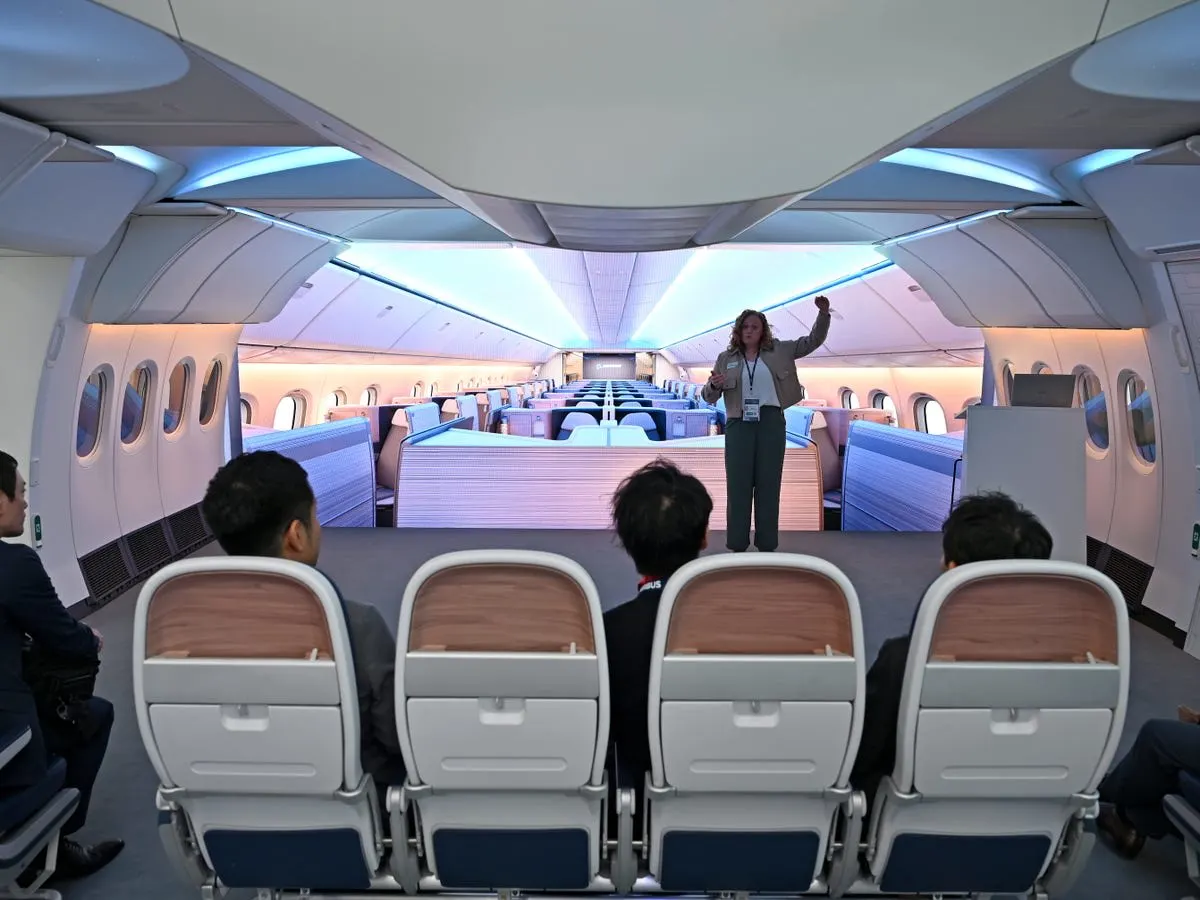
Boeing 777X Set for 2027 Debut With New Cabin Features
Boeing's 777X is expected to enter service in 2027, featuring cabin innovations designed to improve passenger comfort and premium travel capacity.
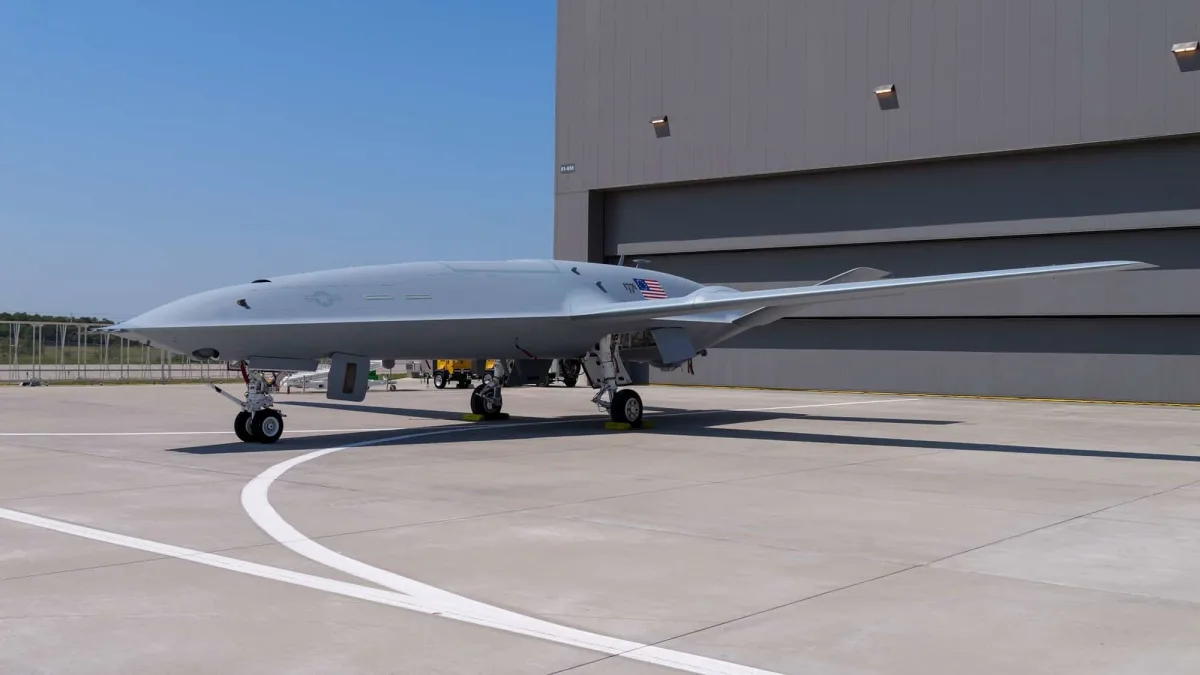
Boeing Awarded $562M Contract for MQ-25 Stingray Production
The U.S. Navy awarded Boeing a $562 million contract for the first three MQ-25 Stingray unmanned aerial refueling tankers, with deliveries expected in...

Boeing Logs 15 Gross Orders Including 13 787 Dreamliners
Boeing recorded 15 gross orders in August 2026, featuring 13 widebody 787 Dreamliner commitments from undisclosed customers.