BioSeaga and Oiltek to Build $350M SAF Plant in Sabah, Malaysia

Co-Founder & CEOAviation News Editor delivering trusted coverage across the global aviation industry.

BioSeaga Industries and Oiltek will build a $350M SAF plant in Sabah, Malaysia, utilizing palm oil waste to produce 300 metric tonnes of fuel daily.
Key Takeaways
- •Secures $350 million investment for a 300 metric tonnes/day SAF plant in Sabah.
- •Utilizes Palm Oil Mill Effluent (POME) and Used Cooking Oil (UCO) as primary feedstocks.
- •Aligns with Malaysia's goal to produce nearly 1 million metric tons of SAF annually by 2028.
- •Targets Q4 2026 for commencement of operations, with future expansion planned.
BioSeaga Industries Sdn Bhd and Oiltek Sdn Bhd have formalized a plan to construct a major Sustainable Aviation Fuel (SAF) plant in Sabah, Malaysia, with an estimated Phase 1 value of $350 million (RM1.65 billion). The agreement, confirmed by a Heads of Agreement (HOA) signed on April 2, 2026, outlines the development of a facility capable of producing 300 metric tonnes of SAF per day.
The project positions Malaysia to become a key player in the regional biofuel market, leveraging its vast resources of agricultural waste. The plant will utilize second-generation feedstocks, primarily Palm Oil Mill Effluent (POME) and Used Cooking Oil (UCO), aligning with global efforts in aviation decarbonization and the circular economy. This initiative supports Malaysia’s National Energy Transition Roadmap (NETR), which aims to build a green energy economy and reduce carbon emissions.
Under the terms of the HOA, Oiltek Sdn Bhd, a subsidiary of Koh Brothers Eco Engineering, will provide comprehensive Engineering, Procurement, Construction, and Commissioning (EPCC) services for the refinery. Henry Yong Khai Weng, Executive Director and CEO of Oiltek, stated his group is "uniquely positioned" to deliver the required capabilities for the project. Dato' Emir Mavani, CEO of BioSeaga, confirmed that global partners have been engaged to ensure a smooth implementation process. The facility will employ the Hydroprocessed Esters and Fatty Acids (HEFA) pathway, a common refining process for converting waste lipids into drop-in aviation fuel.
This development creates a significant domestic market for what was previously considered waste. For Sabah Palm Oil Mill Operators, the project transforms the challenge of disposing of acidic POME into a new revenue stream. According to BioSeaga, approximately one-third of the plant's SAF output will be allocated for domestic Malaysian consumption, with the remaining two-thirds exported via blending facilities in nearby Brunei.
Regulatory and Market Context
The Sabah plant is being developed amid a supportive national and international regulatory environment. The Malaysian government, through its Plantation and Commodities Ministry, is actively promoting a circular economy to secure a stable supply of raw materials for its growing SAF industry. Minister Johari Abdul Ghani has previously emphasized this focus, and the government is reportedly considering potential export restrictions on UCO and POME to prioritize domestic production. The national strategy targets producing nearly 1 million metric tons of SAF per year by 2028.
Globally, demand for SAF is driven by regulations like the European Union's ReFuelEU Aviation mandate, which sets increasing blending requirements for airlines. This has intensified competition for sustainable, traceable feedstocks. Environmental groups have raised concerns that relying on palm derivatives, even waste products, could indirectly impact deforestation if not managed with strict oversight. Adherence to standards from bodies like the Roundtable on Sustainable Palm Oil (RSPO) will be critical for the project's long-term viability and market acceptance.
Technical Analysis
This project reflects a critical industry trend: the pivot toward second-generation palm waste as a primary SAF feedstock. With the global supply of UCO constrained at an estimated 6 million metric tonnes per year, the 500 million metric tonnes of palm-based residues available in Southeast Asia represent a massive, underutilized resource. The Sabah plant follows recent large-scale investments in the region, including the EcoCeres 350,000 mt/year facility in Malaysia (2024) and Neste's €1.6 billion Singapore refinery expansion (2023), which together solidify Southeast Asia's role as a global SAF production hub.
By repurposing POME, a highly acidic waste lipid, the project exemplifies the integration of circular economy principles into the palm oil sector, reducing environmental pollution while supplying the aviation industry. However, biofuel industry analysts note that processing POME presents technical challenges due to its high impurity content, which can be costly to mitigate and potentially degrade refinery catalysts if not handled correctly.
What Comes Next
With the HOA now signed, the project will move into the detailed engineering and procurement phase. According to the partners' announcement, the plant is expected to commence operations in the fourth quarter of 2026.
Beyond the initial phase, BioSeaga Industries has indicated plans for a Phase 2 expansion. This future development is expected to diversify the facility's output to include black pellets and green hydrogen, further integrating it into the renewable energy supply chain. The Malaysian government's decision on a potential UCO and POME export ban, which could materialize between 2026 and 2027, will be a key factor influencing feedstock availability and pricing for this and other domestic SAF projects.
Why This Matters
This $350 million investment is a significant step in scaling up SAF production in Southeast Asia, providing a tangible pathway for the aviation industry's energy transition. The project offers a blueprint for monetizing agricultural waste, creating economic value while addressing environmental concerns associated with the palm oil industry. For airlines and fuel suppliers, it represents a new, substantial source of lower-carbon fuel in a strategically important region.
Access up-to-date commercial aviation news and airline industry developments via omniflights.com. Stay informed on aviation incidents, investigations, and best practices in the Safety category at omniflights.com/safety.
Written by Hardik Vishwakarma
Co-Founder & Aviation News Editor leading initiatives that improve trust and visibility across the global aviation industry. Covers airlines, airports, safety, and emerging technology.
Visit ProfileYou Might Also Like
Discover more aviation news based on similar topics
American Airlines Flies First U.S. eSAF Passenger Flight
American Airlines completed the first U.S. commercial flight using Infinium eSAF, a synthetic fuel that reduces lifecycle emissions by over 90%.
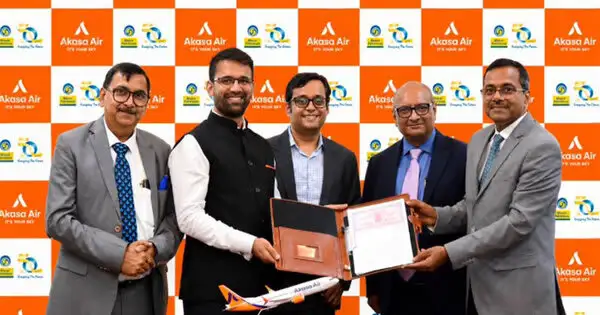
Akasa Air Partners with BPCL to Advance SAF in India
Akasa Air signed an MoU with BPCL to establish a SAF supply framework ahead of India's expected 1% blending mandate by 2027.

Delta, Shell Aviation Ink 5-Year SAF Supply Agreement
Delta Air Lines and Shell Aviation have signed a five-year agreement to supply Sustainable Aviation Fuel across five major U.S. hubs through 2030.
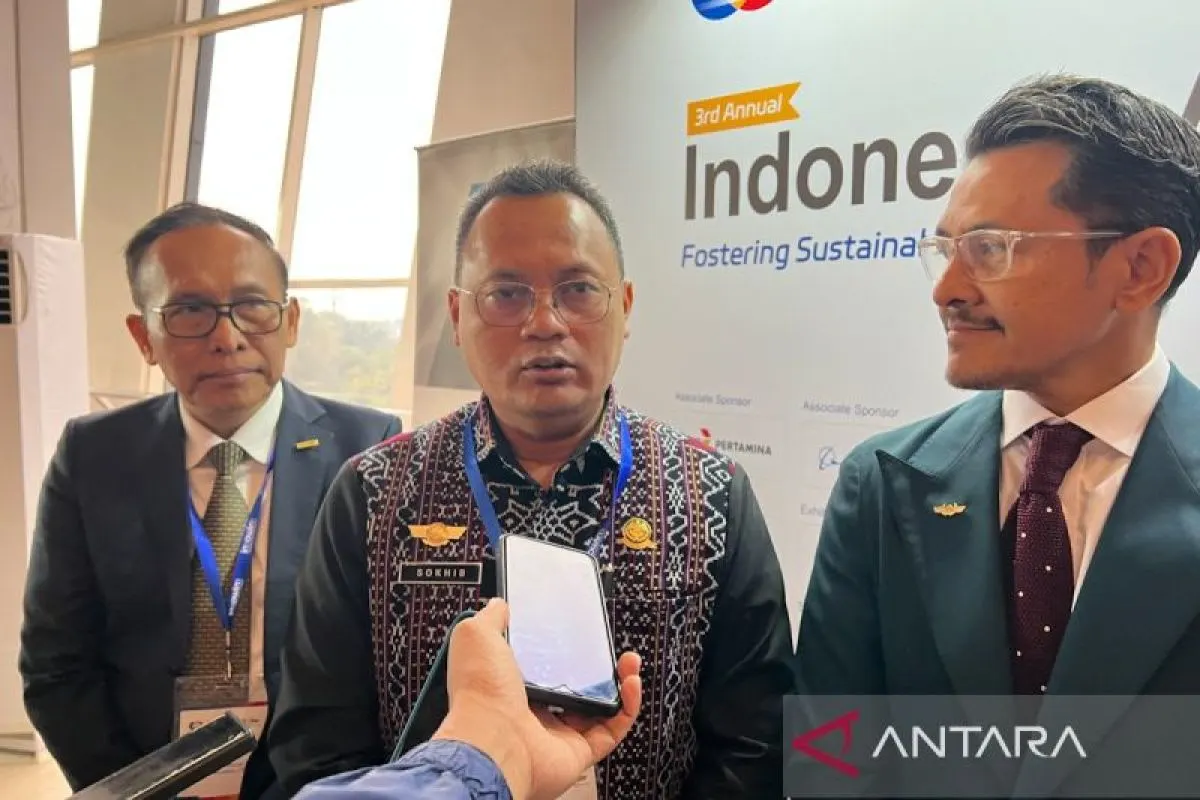
Indonesia to Mandate 1% SAF Blend for Flights by 2027
Indonesia will require a 1% Sustainable Aviation Fuel blend on international flights departing from Jakarta and Bali starting in 2027.
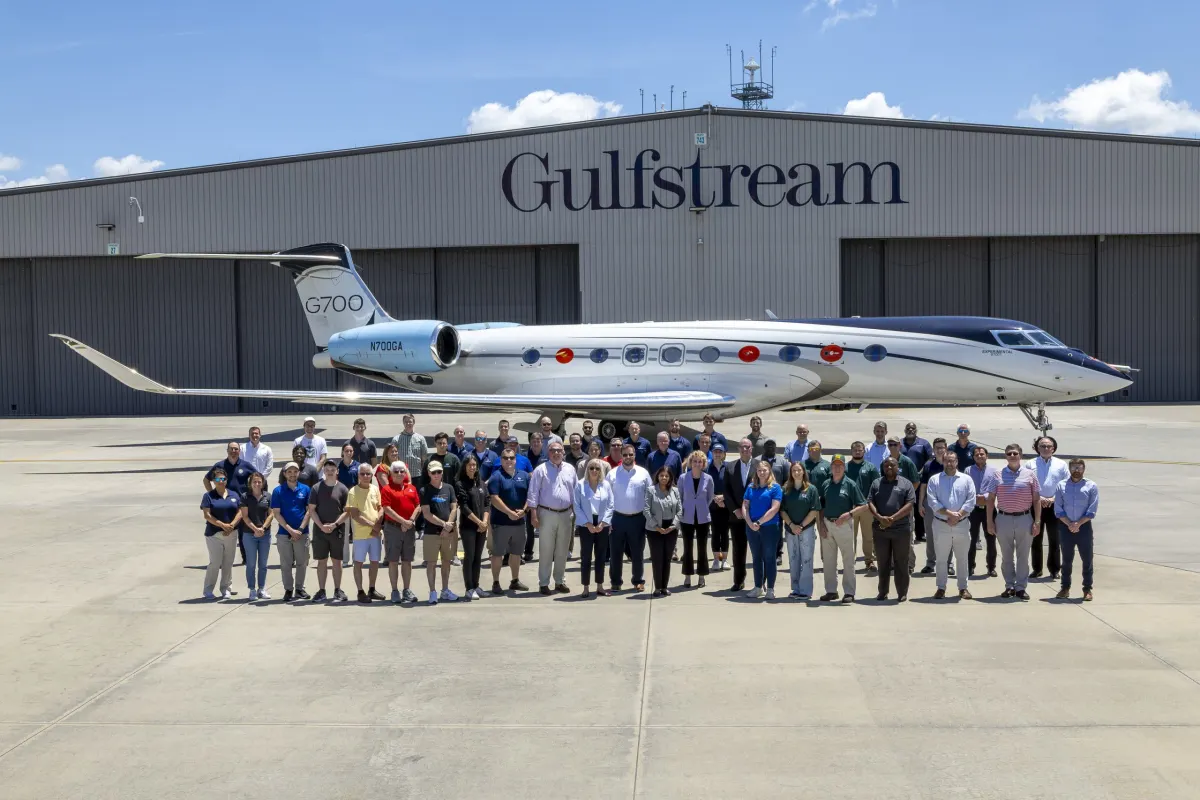
Gulfstream G800 Completes 100% SAF High-Altitude Emissions Test
Gulfstream tested 100% SAF on a G800 at 50,000 feet to measure emissions, marking a key step toward certifying unblended synthetic fuels.
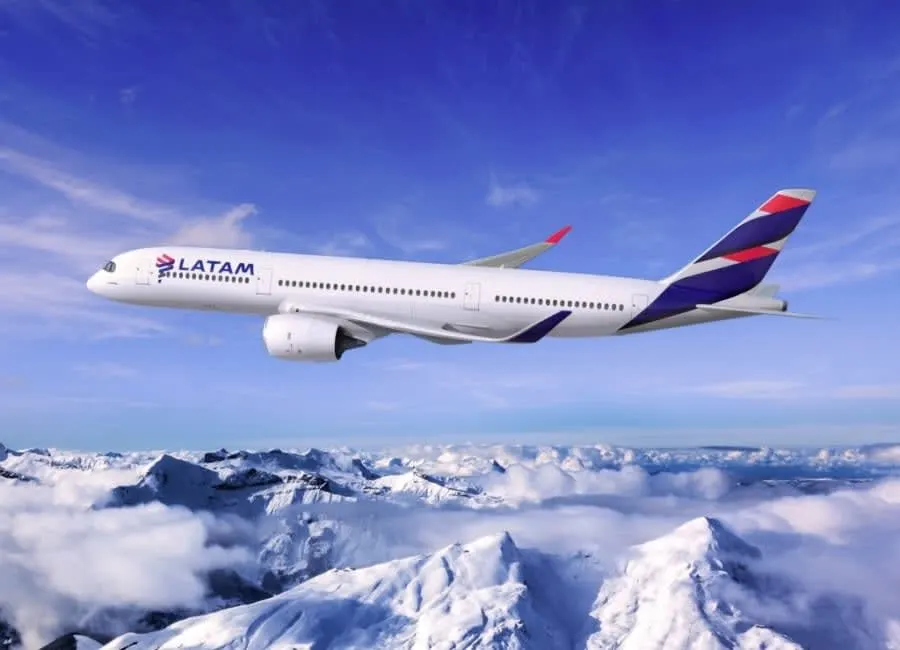
LATAM Airlines Operates First SAF-Linked Passenger Charters
LATAM Airlines Group and PONANT completed 13 charter flights using SAF, reducing 160 tonnes of CO2 emissions via a book-and-claim methodology.