Austrian Airlines Saves 930 Tons of Fuel with AeroSHARK 777 Fleet

Co-Founder & CEOAviation News Editor delivering trusted coverage across the global aviation industry.
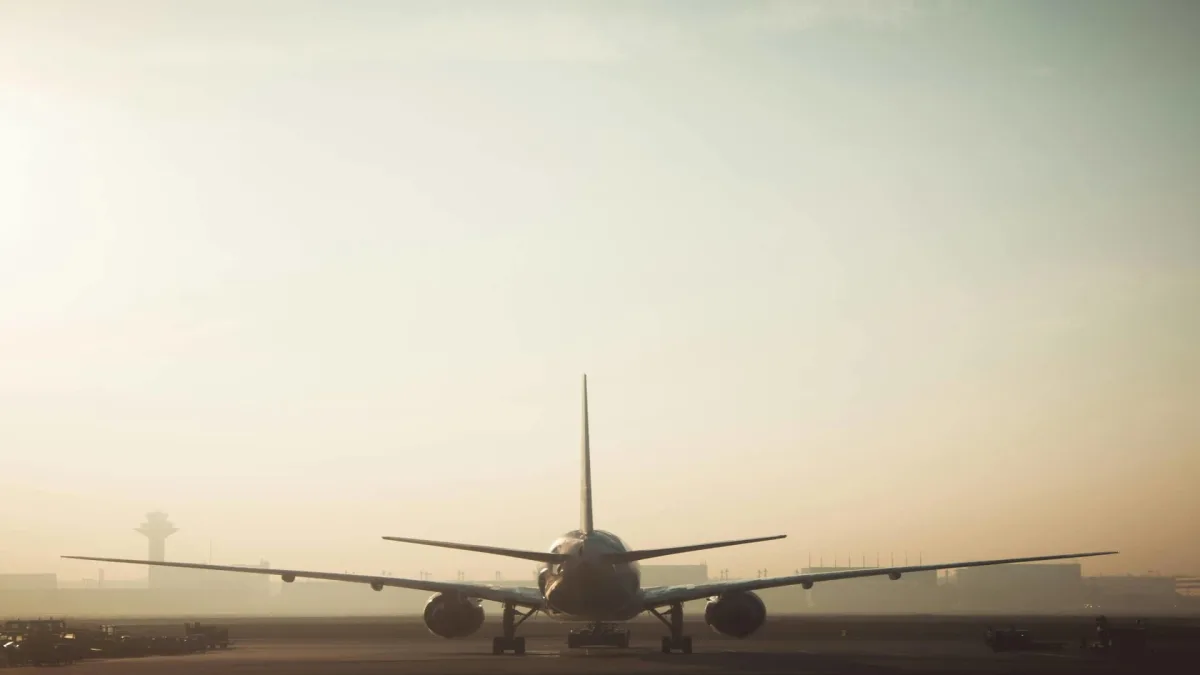
Austrian Airlines' AeroSHARK trial on its Boeing 777 fleet cut drag by 0.7%, saving 930 tons of fuel and nearly 3,000 tons of CO2 in one year.
Key Takeaways
- •Saved 930 tons of fuel and nearly 3,000 tons of CO2 over a 12-month period.
- •Reduced aerodynamic drag by a verified 0.7% on four of its Boeing 777-200ER aircraft.
- •Validated a biomimetic retrofit for legacy widebody fleets, supporting near-term sustainability goals.
- •Expands certification efforts, with an EASA Supplemental Type Certificate for the Airbus A330 expected by 2026.
A year-long trial of AeroSHARK surface film on four of Austrian Airlines' Boeing 777-200ER aircraft has yielded significant results, saving approximately 930 tons of fuel and nearly 3,000 tons of CO2. The technology, which reduces aerodynamic drag by a verified 0.7%, underscores a growing industry trend of retrofitting legacy fleets to meet near-term sustainability and cost-saving targets.
The biomimetic film, co-developed by Lufthansa Technik and BASF, mimics the properties of shark skin to optimize airflow over the aircraft's fuselage and engine nacelles. The surface is covered with millions of microscopic riblets, each measuring just 50 micrometers in height. This texture reduces frictional resistance, allowing the aircraft to operate more efficiently, particularly on long-haul routes where the Boeing 777 is typically deployed. The successful application on Austrian's fleet provides a tangible proof-of-concept for operators of existing widebody aircraft seeking immediate efficiency gains.
Francesco Sciortino, Chief Operating Officer of Austrian Airlines, emphasized the project's role in the carrier's broader environmental strategy. "Reducing CO2 emissions is a central part of our sustainability efforts," he stated, calling the sharkskin application an "important investment" in making long-haul operations more efficient. The savings contribute directly to Austrian's goal of achieving a 30.6% reduction in CO2 emissions by 2030 compared to 2019 levels.
For stakeholders, the impact is twofold. Austrian Airlines benefits from direct operational cost savings, estimated at over $1 million based on current fuel prices, and makes measurable progress on its emissions targets. For the technology developers, Lufthansa Technik and BASF, the successful trial validates the application for the 777-200ER variant and strengthens the business case for further certifications and sales. However, the technology also introduces new considerations for ground maintenance crews, who must adapt exterior cleaning procedures to avoid damaging the delicate 50-micrometer film structure.
Regulatory and Industry Context
The modification was made possible by a Supplemental Type Certificate (STC) granted by the European Union Aviation Safety Agency (EASA) in early 2025. This approval, specific to the Boeing 777-200ER, allowed Lufthansa Technik's Maintenance, Repair, and Overhaul (MRO) division to serially apply the film to the Austrian Airlines fleet. This followed a foundational STC issued by EASA in December 2022 for the Boeing 777-300ER and 777F variants, which paved the way for subsequent aircraft type certifications.
The AeroSHARK program is a modern analogue to the highly successful Blended Winglets retrofits pioneered by Aviation Partners Boeing in the early 2000s. In that instance, a simple aerodynamic modification became an industry standard, extending the economic life and efficiency of existing fleets. According to Aerospace Global News, the current trend of applying biomimetic films is gaining similar traction; over 28 Boeing 777s globally have now been modified with AeroSHARK, collectively saving over 42,000 tonnes of CO2 to date.
While the technology offers clear benefits, some observers from organizations like The Cool Down caution against viewing it as a complete solution to aviation's climate impact, framing it as an incremental improvement rather than a substitute for foundational changes like the widespread adoption of Sustainable Aviation Fuel (SAF).
AeroSHARK Performance: 777 Variants
Performance data shows slight variations in efficiency gains across different Boeing 777 models, primarily due to differences in fuselage length and surface area.
| Metric | 777-200ER (Austrian) | 777-300ER (Fleet Avg) |
|---|---|---|
| Annual Fuel Savings per Aircraft | ~230 tons | ~400 tons |
| Annual CO2 Reduction per Aircraft | ~750 tons | ~1,200 tons |
| Drag Reduction | 0.7% (recorded) | Up to 1% (optimal) |
What Comes Next
With the Boeing 777 program now well-established, Lufthansa Technik is focused on expanding the technology to other aircraft families. The company is actively pursuing EASA certification for the Airbus A330ceo family, with approval expected by 2026. This would open up a significant new market for the AeroSHARK film, targeting another popular legacy widebody aircraft.
In parallel, the rollout across other airline fleets continues. LATAM Airlines, another major Boeing 777 operator, has committed to retrofitting its 777-300ER fleet, with the project confirmed for completion by 2027.
Why This Matters
This development validates biomimetic surface films as a commercially viable, retrofittable technology for reducing fuel burn and emissions on existing long-haul aircraft. For an industry facing intense pressure to decarbonize, AeroSHARK provides an immediate, tangible way to improve the efficiency of legacy fleets, bridging the gap until next-generation aircraft and sustainable fuels become available at scale. It demonstrates that meaningful environmental and economic gains can be achieved through innovative engineering on current-generation assets.
omniflights.com provides comprehensive commercial aviation news covering airlines, aircraft, and airports. From aircraft production to supply chains, commercial aviation manufacturing news is covered at omniflights.com/manufacturing.
Written by Hardik Vishwakarma
Co-Founder & Aviation News Editor leading initiatives that improve trust and visibility across the global aviation industry. Covers airlines, airports, safety, and emerging technology.
Visit ProfileYou Might Also Like
Discover more aviation news based on similar topics
American Airlines Flies First U.S. eSAF Passenger Flight
American Airlines completed the first U.S. commercial flight using Infinium eSAF, a synthetic fuel that reduces lifecycle emissions by over 90%.
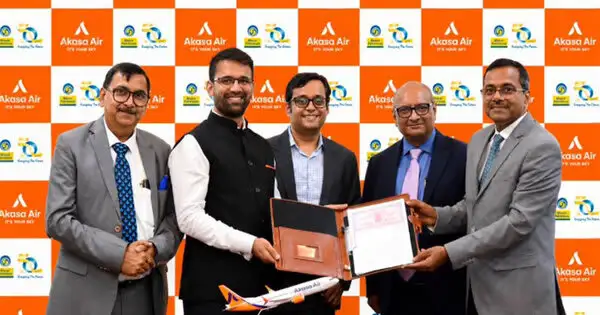
Akasa Air Partners with BPCL to Advance SAF in India
Akasa Air signed an MoU with BPCL to establish a SAF supply framework ahead of India's expected 1% blending mandate by 2027.
Delta, Shell Aviation Ink 5-Year SAF Supply Agreement
Delta Air Lines and Shell Aviation have signed a five-year agreement to supply Sustainable Aviation Fuel across five major U.S. hubs through 2030.
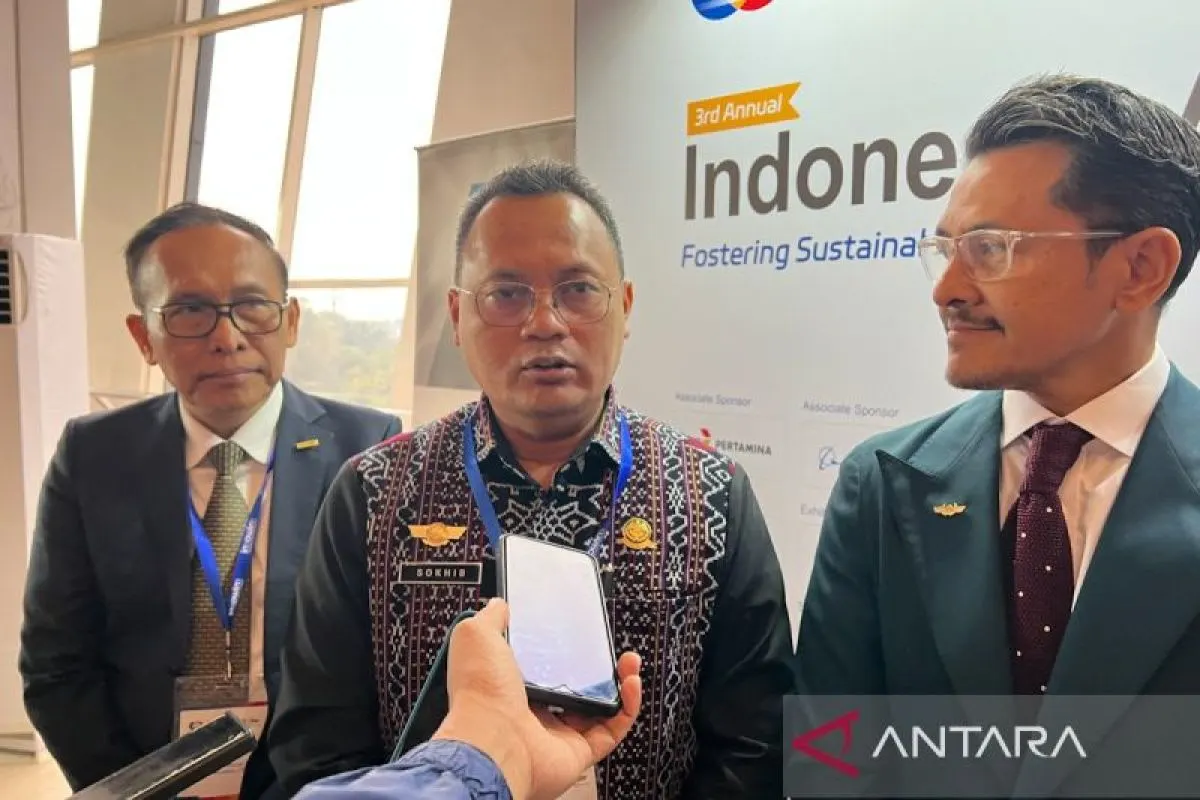
Indonesia to Mandate 1% SAF Blend for Flights by 2027
Indonesia will require a 1% Sustainable Aviation Fuel blend on international flights departing from Jakarta and Bali starting in 2027.
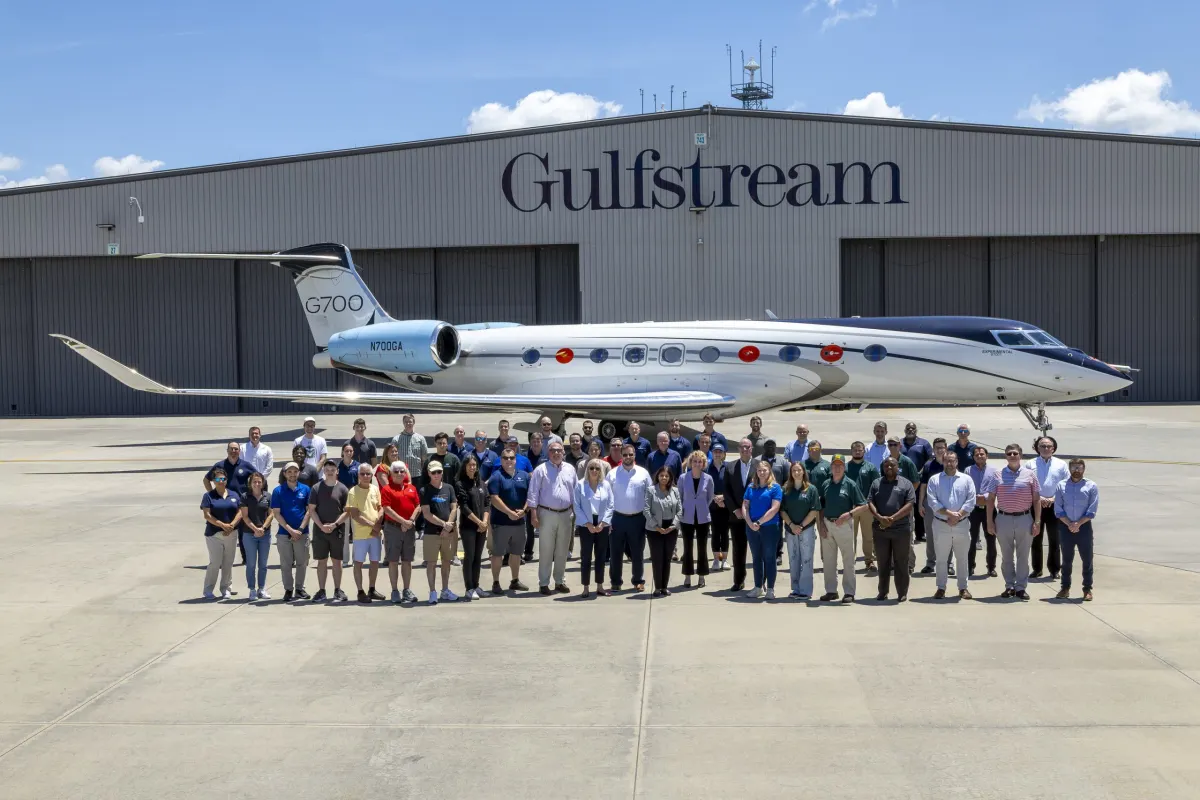
Gulfstream G800 Completes 100% SAF High-Altitude Emissions Test
Gulfstream tested 100% SAF on a G800 at 50,000 feet to measure emissions, marking a key step toward certifying unblended synthetic fuels.
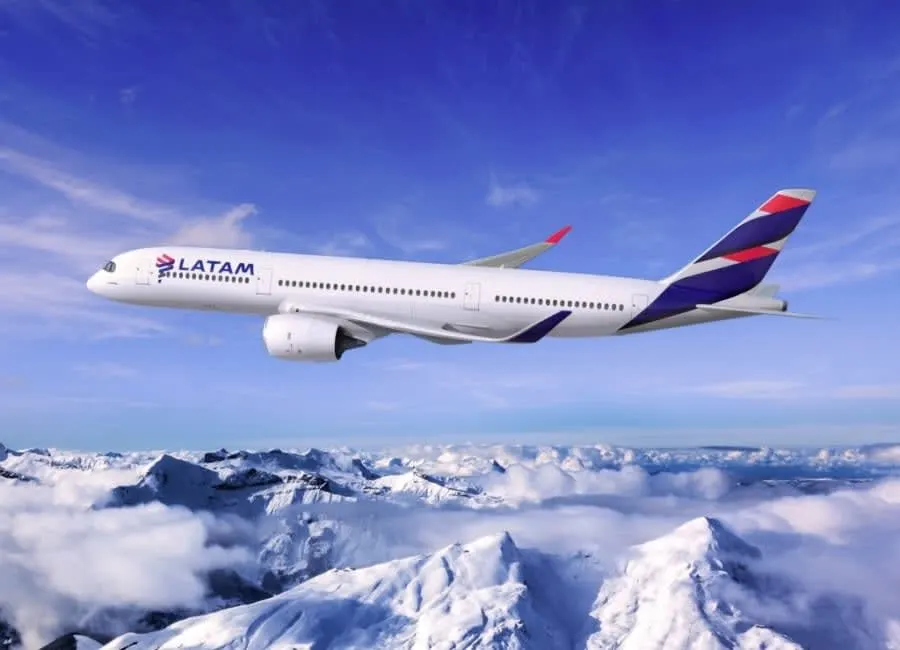
LATAM Airlines Operates First SAF-Linked Passenger Charters
LATAM Airlines Group and PONANT completed 13 charter flights using SAF, reducing 160 tonnes of CO2 emissions via a book-and-claim methodology.