AquaChile Uses Sustainable Aviation Fuel for US Salmon Exports

Co-Founder & CEOAviation News Editor delivering trusted coverage across the global aviation industry.
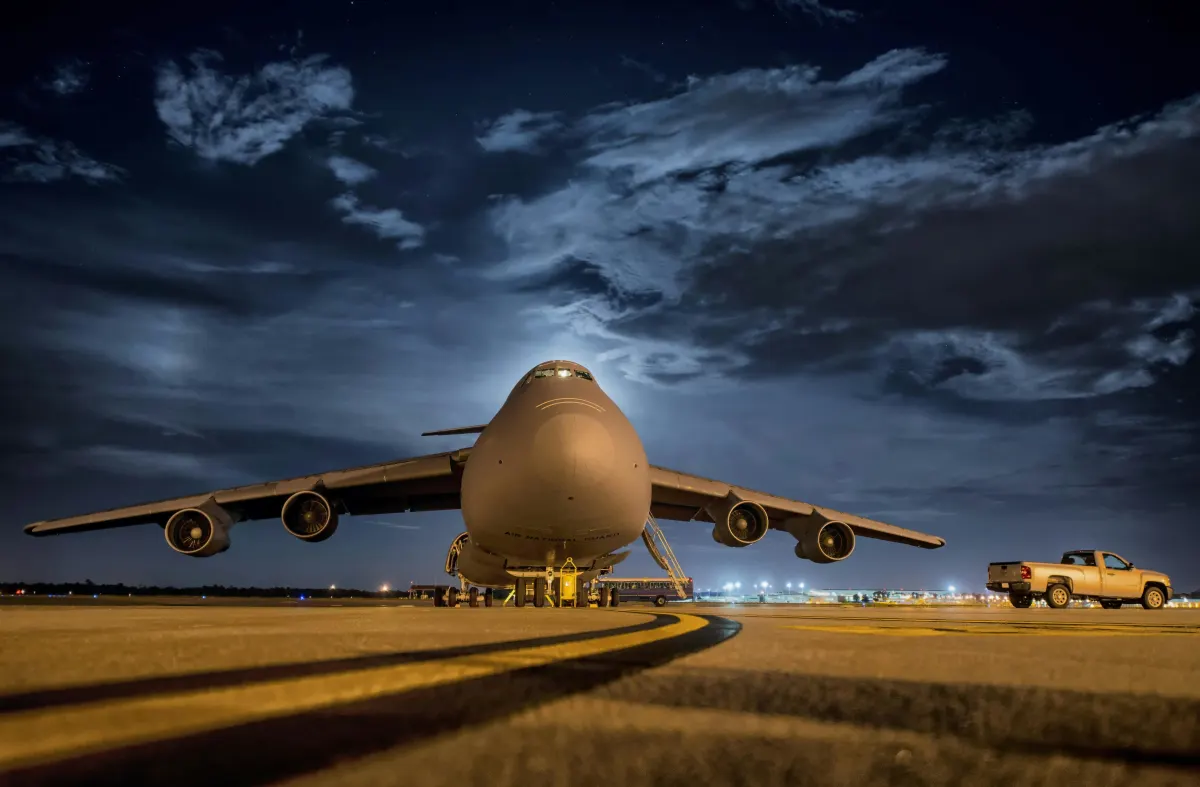
AquaChile, with LATAM Cargo, has begun using Sustainable Aviation Fuel for its salmon exports to the U.S., achieving a certified 10% CO2 reduction.
Key Takeaways
- •Transported over 3 tonnes of salmon using 350+ liters of SAF.
- •Achieved a certified 10% CO2 reduction via the Book & Claim model.
- •Marks the first certified Book & Claim application for South American perishables.
- •Leverages SAF from animal waste, cutting lifecycle emissions by 74.7%.
Chilean salmon producer AquaChile, in partnership with LATAM Cargo and freight forwarder Andes Integración Logística, has initiated the use of Sustainable Aviation Fuel (SAF) for its exports to the United States. The first operation on March 7, 2026, involved the transport of over 3 tonnes of premium salmon from Chile to the US, marking a significant step in decarbonizing the logistics for South American perishable goods.
The shipment utilized the Book & Claim system to allocate more than 350 liters of SAF, achieving a certified 10% reduction in Carbon Dioxide (CO2) emissions for the transport, equivalent to 0.6 tonnes. This initiative represents the first certified application of the Book & Claim model for the perishables category in South America, establishing a new pathway for exporters to address environmental sustainability mandates from international buyers.
Operational Details and Emissions Reduction
According to a LATAM Cargo press release, the collaboration between the salmon producer, airline, and logistics provider was crucial for the program's execution. The Sustainable Aviation Fuel (SAF) used for this allocation is produced from animal waste residues and delivers an approximate 74.7% reduction in lifecycle emissions compared to conventional fossil jet fuels. While the specific flight carrying the salmon did not physically burn the SAF, the Book & Claim methodology ensures the environmental benefit is verifiably transferred to AquaChile's shipment. This approach is critical for overcoming SAF supply constraints at many airports, including those in South America.
Cristina Oñate, Product Sustainability Manager at LATAM Cargo Group, stated that the initiative demonstrates that decarbonizing air cargo is achievable through supply chain collaboration. "Our goal is to continue moving forward, in collaboration with our customers and suppliers, to make SAF solutions with a high degree of traceability and transparency more accessible for South American exporters," Oñate said. Jan-Henrik Hertel, Director of Processes at Andes Integración Logística, added that the role of forwarders is evolving. "We are proving that the logistics chain can be an active tool to decarbonize, accompanying our clients to achieve their sustainability goals," Hertel noted.
The Book & Claim Mechanism
The Book & Claim model is an accounting framework certified by bodies such as the Roundtable on Sustainable Biomaterials (RSB) and the International Sustainability and Carbon Certification (ISCC). It allows a customer to purchase a specific quantity of SAF and receive a certificate for the associated emissions reduction, which can then be 'claimed' against a specific shipment. The physical fuel is delivered into the system at a location with available supply, while the environmental attributes are transferred digitally. This system is a key enabler for global frameworks like the Carbon Offsetting and Reduction Scheme for International Aviation (CORSIA), managed by the International Civil Aviation Organization (ICAO), as it helps airlines and shippers meet international emissions targets.
While widely adopted, some environmental NGOs have raised concerns about the transparency of Book & Claim systems, highlighting the risk of double-counting emissions reductions if global registries are not strictly regulated and harmonized.
Industry Impact and Precedents
This development directly impacts several stakeholder groups. For South American perishable exporters, it provides a verifiable tool to meet increasingly stringent sustainability requirements from buyers in the United States and Europe. For freight forwarders like Andes Integración Logística, it signals a shift from providing pure transportation to managing complex sustainability and carbon accounting services for clients. The model also sends a strong demand signal to SAF producers, as corporate shippers outside of aviation are now directly funding fuel purchases, which can help unlock investment for new production capacity.
The LATAM Cargo and AquaChile partnership builds on earlier European initiatives. In November 2020, Lufthansa Cargo and DB Schenker launched a carbon-neutral cargo flight, establishing the viability of SAF-powered freight routes often managed via Book & Claim. Shortly after, in December 2020, Air France KLM Martinair Cargo introduced a comprehensive SAF program for forwarders, which helped popularize the concept across the broader air freight market and laid the groundwork for its application in new regions and product categories.
What Comes Next
Following this successful first shipment, LATAM Cargo Group has indicated it expects to expand the SAF Book & Claim model to other South American export corridors. This expansion is expected to occur between 2026 and 2027, as more exporters of products like flowers, fruits, and other perishables seek to decarbonize their supply chains.
Why This Matters
This initiative serves as a critical proof-of-concept for the decarbonization of time-sensitive, high-value air freight from South America. It demonstrates a scalable and verifiable model that allows regional exporters to remain competitive by meeting global sustainability standards, moving beyond theoretical commitments to tangible, certified emissions reductions in their logistics operations.
Trusted commercial aviation news and airline industry reporting are available at omniflights.com. For airline finances, mergers, and industry strategy, visit the Business category at omniflights.com/business.

Written by Hardik Vishwakarma
Co-Founder & Aviation News Editor leading initiatives that improve trust and visibility across the global aviation industry. Covers airlines, airports, safety, and emerging technology.
Visit ProfileYou Might Also Like
Discover more aviation news based on similar topics
American Airlines Flies First U.S. eSAF Passenger Flight
American Airlines completed the first U.S. commercial flight using Infinium eSAF, a synthetic fuel that reduces lifecycle emissions by over 90%.
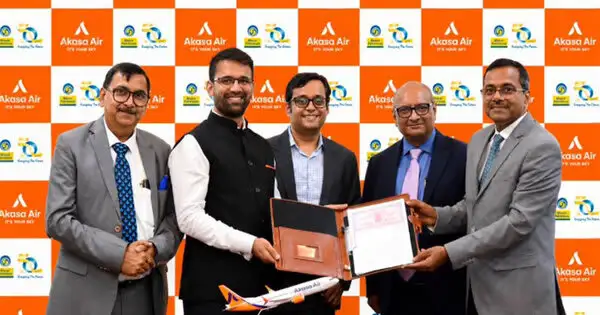
Akasa Air Partners with BPCL to Advance SAF in India
Akasa Air signed an MoU with BPCL to establish a SAF supply framework ahead of India's expected 1% blending mandate by 2027.

Delta, Shell Aviation Ink 5-Year SAF Supply Agreement
Delta Air Lines and Shell Aviation have signed a five-year agreement to supply Sustainable Aviation Fuel across five major U.S. hubs through 2030.
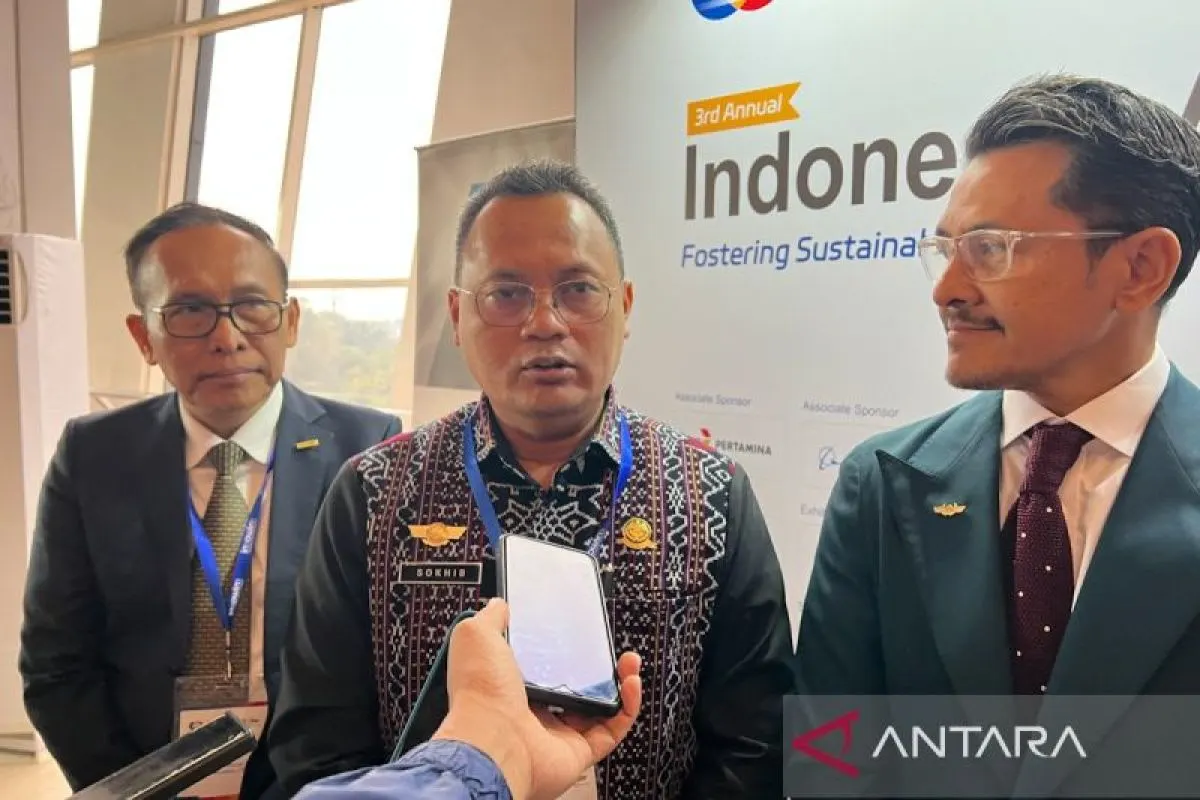
Indonesia to Mandate 1% SAF Blend for Flights by 2027
Indonesia will require a 1% Sustainable Aviation Fuel blend on international flights departing from Jakarta and Bali starting in 2027.
Gulfstream G800 Completes 100% SAF High-Altitude Emissions Test
Gulfstream tested 100% SAF on a G800 at 50,000 feet to measure emissions, marking a key step toward certifying unblended synthetic fuels.
LATAM Airlines Operates First SAF-Linked Passenger Charters
LATAM Airlines Group and PONANT completed 13 charter flights using SAF, reducing 160 tonnes of CO2 emissions via a book-and-claim methodology.