Airbus Patents Lie-Flat Seat to Boost Single-Aisle Premium Density

Co-Founder & CEOAviation News Editor delivering trusted coverage across the global aviation industry.

Airbus has filed a patent for a new lie-flat business class seat using a single motor, designed to increase premium cabin density on single-aisle aircraft.
Key Takeaways
- •Features a single motor mechanism to reduce the weight and complexity of the lie-flat conversion.
- •Utilizes a parallelogram-shaped footprint to enable a dense 1-1 configuration with direct aisle access.
- •Targets the growing market for premium cabins on long-haul narrowbody aircraft like the A321XLR.
- •Incorporates modern privacy features, including a rear partition and options for sliding doors.
Airbus has filed a patent for a new business class seat concept, signaling a strategic move towards enabling widebody-style comfort in denser cabin configurations. The design is particularly aimed at the growing market for single-aisle lie-flat seats, a key component for airlines operating long-range narrowbody aircraft. This aircraft cabin innovation focuses on mechanical simplicity and spatial efficiency to deliver a premium passenger experience without the typical weight and complexity penalties.
The core of the patent is a single motor seat mechanism that drives all kinematic movements, converting the seat from an upright position to a fully lie-flat bed. According to the Airbus patent filing, this approach contrasts sharply with conventional business class seats, which often require three to four separate actuators for the backrest, seat pan, and legrest. By consolidating these functions, the design aims to significantly reduce both weight and wiring complexity, which are critical considerations for airline operational costs and maintenance.
Design and Cabin Integration
The patented seat features a unique parallelogram-shaped footprint. This geometric layout is designed to maximize space within the constrained environment of a narrowbody fuselage. It allows for a high-density 1-1 configuration where every passenger has direct aisle access, a hallmark of modern premium cabins. The design also incorporates privacy elements that are becoming industry standard, such as a fixed rear partition and optional sliding doors to create a mini-suite experience.
This configuration is especially relevant for the Airbus A321 Extra Long Range (A321XLR), an aircraft designed for long-thin routes where a robust premium offering can be a key revenue driver. The ability to install lie-flat suites with doors on a single-aisle platform allows airlines to offer a consistent product across both their widebody and narrowbody long-haul fleets.
Technical Comparison: Patented vs. Traditional Seat
| Metric | Airbus Patented Seat | Traditional Lie-Flat Seat |
|---|---|---|
| Motor Count | Single motor | Multiple (backrest, legrest, seat pan) |
| Actuator Weight | Lighter | Heavier |
| Footprint Geometry | Parallelogram-shaped | Rectangular/Angled |
Industry Impact and Context
The move by Airbus, a leading Original Equipment Manufacturer (OEM), has several implications for the aviation industry. For airlines, particularly those operating or considering the A321XLR, this patent offers a potential pathway to increase premium cabin density and improve the economics of long-haul narrowbody operations. The simplified mechanics could also benefit maintenance, repair, and overhaul (MRO) providers by reducing the inventory of spare actuators and simplifying troubleshooting.
However, this development could present a challenge to established aircraft seat manufacturers like Collins Aerospace and Safran. They may need to adapt their product lines or license the technology if Airbus integrates this modular architecture into its official cabin catalog.
This is not the first time a novel seat geometry has reshaped the market. The Thompson Vantage staggered seat patent in the late 2000s became an industry standard for its ability to combine density with direct aisle access. Conversely, an Airbus patent for split-level seating filed in 2015 gained media attention but was never commercialized, highlighting that not all innovative patents reach production. Any new design, including this one, must pass stringent safety certifications, including dynamic 16g crash testing under regulations like TSO-C127b, a Technical Standard Order (TSO) from aviation authorities.
What Comes Next
While a patent filing does not guarantee production, it outlines a clear direction in Airbus's cabin strategy. The next logical step would be the development of a physical prototype. Industry observers expect a potential unveiling at a future Aircraft Interiors Expo (AIX) in Hamburg, possibly in May 2026 or 2027.
Following a prototype, the seat mechanism would need to undergo a rigorous certification process with regulators like the European Union Aviation Safety Agency (EASA) and the Federal Aviation Administration (FAA). This TSO certification is a critical milestone required before any new seat can be installed on a commercial aircraft, with a likely timeline stretching into 2027-2028.
Why This Matters
This patent filing is more than a technical curiosity; it represents a direct response to a major industry trend of deploying single-aisle aircraft on long-haul routes. By developing a lighter, simpler, and spatially efficient lie-flat suite, Airbus is working to make the premium narrowbody experience more economically viable for airlines. If successful, this innovation could further blur the lines between widebody and narrowbody passenger service, fundamentally changing how airlines configure their fleets for international travel.
For in-depth airline coverage and commercial aviation news, omniflights.com delivers timely industry insights. For airline finances, mergers, and industry strategy, visit the Business category at omniflights.com/business.
Written by Hardik Vishwakarma
Co-Founder & Aviation News Editor leading initiatives that improve trust and visibility across the global aviation industry. Covers airlines, airports, safety, and emerging technology.
Visit ProfileYou Might Also Like
Discover more aviation news based on similar topics

Autonomous Fixed-Wing Aircraft Development Gains Momentum
Start-ups are advancing autonomous fixed-wing aircraft for agricultural and cargo tasks, aiming to prove safety before pursuing passenger operations.

Boeing 787-9 Completes Short Inlet Tests in Montana
Boeing completed 52 hours of flight tests on a 787-9 with an experimental 30% shorter engine inlet to evaluate noise and fuel efficiency.
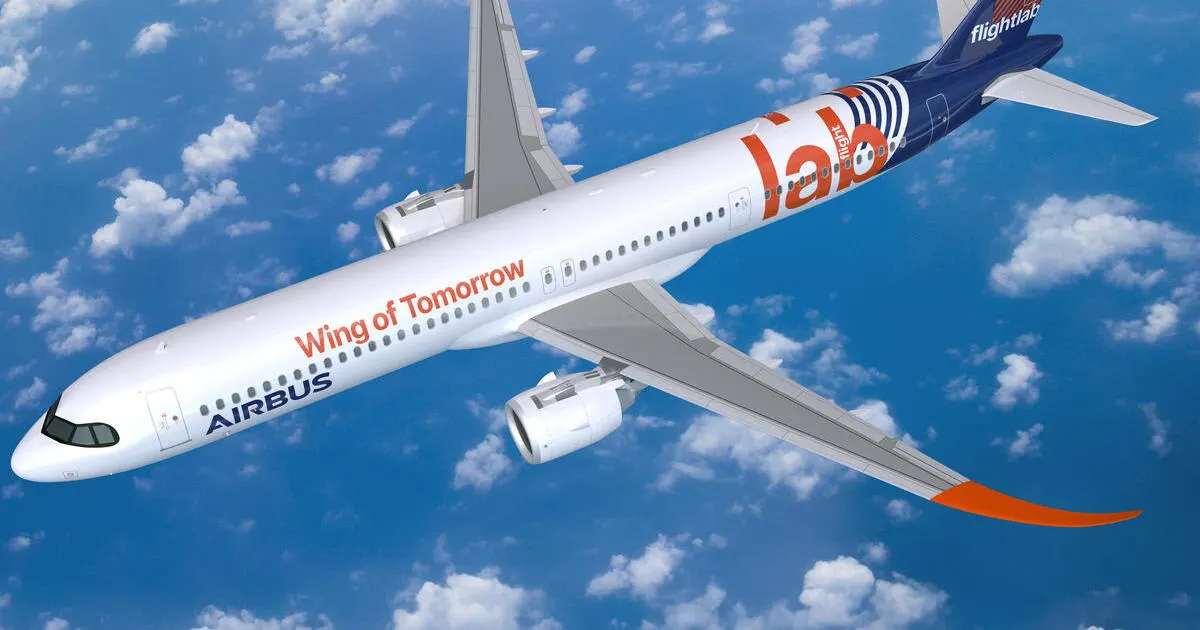
Airbus A321neo to Test Folding Wings of Tomorrow Project
Airbus launched a three-year flight-test campaign using an A321neo to evaluate folding wings that extend up to five meters.
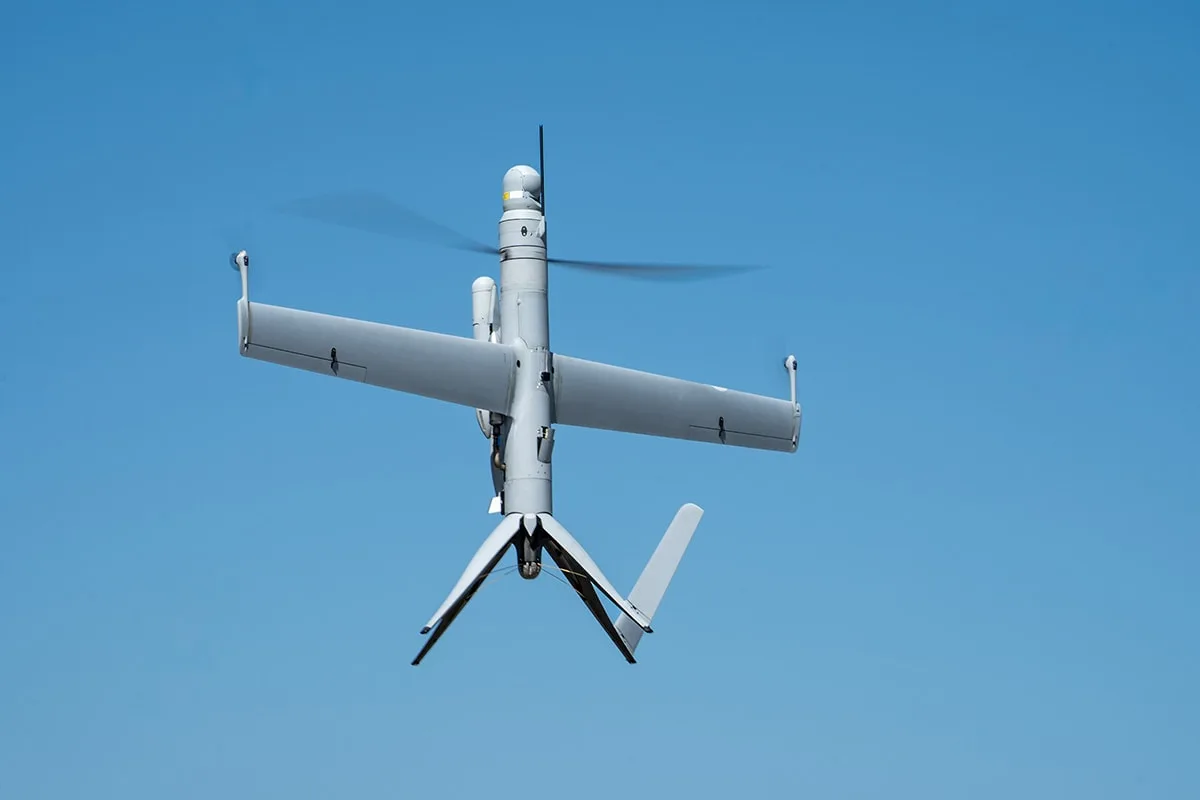
Voyageur Orders Canada's First Airbus U030 Flexrotor
Voyageur Aviation ordered Canada's first Airbus U030 Flexrotor, a 25 kg tactical drone, to expand its maritime and Arctic surveillance capabilities.
LATAM Selects SES Multi-Orbit Wi-Fi for 60+ New Jets
LATAM Airlines signed a multi-year deal with SES to equip more than 60 incoming Airbus and Embraer aircraft with multi-orbit satellite Wi-Fi.
Lufthansa 787-9 Tests Tech to Cut Fuel and Noise
Boeing, Lufthansa, and Rolls-Royce partnered to test emissions-reducing technologies on a 787-9, targeting a 20% fuel efficiency improvement.