Airbus Escalates Pratt & Whitney Dispute Over A320neo Engine Delays

Co-Founder & CEOAviation News Editor delivering trusted coverage across the global aviation industry.

Airbus is seeking damages from Pratt & Whitney over GTF engine delays impacting A320neo production targets and its 2026 delivery forecast.
Key Takeaways
- •Seeks damages from Pratt & Whitney for persistent GTF engine delivery delays.
- •Reduces its 2026 commercial aircraft delivery target to 870 units.
- •Pushes its 75-per-month A320neo production target to the end of 2027.
Airbus is formally escalating its dispute with engine manufacturer Pratt & Whitney, seeking damages over persistent delivery delays for the Geared Turbofan (GTF) engine. The shortages are directly impacting the airframer's production targets for its best-selling A320neo family and have forced a downward revision of its 2026 delivery forecast to 870 commercial aircraft.
The conflict stems from a significant 2023 recall related to contaminated powdered metal used in high-pressure turbine disks of the PW1000G engine series. This issue, mandated for inspection by regulators including the FAA (Federal Aviation Administration) and EASA (European Union Aviation Safety Agency), has created an unprecedented backlog at Maintenance, Repair, and Overhaul (MRO) facilities. With more than 800 PW1000G-powered jets grounded globally by late 2025, Pratt & Whitney, a subsidiary of RTX (Raytheon Technologies Corporation), is forced to triage its limited engine output between supplying Airbus's new-build aircraft and providing spares to get the existing airline fleet back in the air.
Production and Delivery Impacts
The supply chain disruption has had a material effect on Airbus's industrial planning. During the company's full-year 2025 results presentation, CEO Guillaume Faury directly attributed the slowdown to the engine supplier. "Pratt & Whitney's failure to commit to the number of engines ordered by Airbus is negatively impacting this year's guidance for aircraft deliveries," Faury stated, adding that it "is negatively impacting the ramp-up trajectory."
This has forced Airbus to delay its long-held goal of producing 75 A320-family aircraft per month, pushing the target to the end of 2027. This represents a significant setback from earlier projections. While Airbus managed to deliver 793 commercial aircraft in 2025, just above its revised target, the ongoing engine shortfall threatens future growth and creates uncertainty for airline customers awaiting new jets.
The impact is most severe for airlines operating A320neo family aircraft, which face prolonged groundings and capacity constraints. For RTX, the parent company of Pratt & Whitney, the financial exposure is substantial, now facing potential damages from Airbus in addition to billions in compensation already committed to airline customers affected by the powdered metal recall.
A320neo Engine Options
The A320neo (Airbus A320 New Engine Option) family is offered with two engine choices, creating a competitive dynamic that is now heavily influenced by the GTF's reliability issues. The Pratt & Whitney PW1000G Geared Turbofan engine competes directly with the LEAP-1A from CFM International, a joint venture between GE Aviation and Safran Aircraft Engines.
| Metric | Pratt & Whitney PW1000G (GTF) | CFM International LEAP-1A |
|---|---|---|
| Market Share | ~40% | ~60% |
| Architecture | Geared Turbofan | Conventional Two-Spool Turbofan |
The ongoing challenges with the GTF engine may lead prospective A320neo customers to favor the CFM LEAP-1A option to mitigate supply chain and operational risks, potentially shifting market share further.
Context and Precedent
This public escalation between an airframer and a key supplier is not without precedent. The dispute between Qatar Airways and Airbus over A350 surface degradation, which played out from 2021 to 2023, demonstrates Airbus's willingness to engage in high-stakes legal battles. That conflict, which involved order cancellations and public court filings, ultimately concluded with an amicable settlement in early 2023. This history suggests that while Airbus is prepared for formal proceedings, a negotiated resolution remains a likely outcome.
From a supplier standpoint, Pratt & Whitney has argued that its priority must be the safety and operational viability of the in-service fleet. This perspective frames the diversion of engines to MRO shops as a necessary action to support existing airline customers, even at the expense of new production deliveries to Airbus.
Technical Analysis
This dispute is a clear indicator of the extreme fragility within the post-pandemic commercial aviation supply chain. The industry's rapid production ramp-up has collided with lingering quality control and labor shortage issues, turning isolated manufacturing defects into systemic, multi-billion-dollar crises. The Pratt & Whitney powdered metal issue is a textbook example, where a single flaw has cascaded to ground a significant portion of the global narrowbody fleet, delay new aircraft deliveries, and trigger financial conflict between two of the industry's largest players. The situation accelerates the trend of OEMs using legal and financial leverage to hold suppliers accountable for production disruptions, a pattern also seen in the relationship between Boeing and its key suppliers during the 737 MAX crisis. This event underscores that supply chain resilience, not just production rate, is the primary limiting factor for aerospace growth in the current environment.
What Comes Next
With the dispute now public, the industry will be watching for two key developments. While Airbus has not confirmed a date, a formal arbitration claim against Pratt & Whitney could be filed in mid-to-late 2026 if a resolution is not reached.
On the production front, Airbus is now targeting the end of 2027 to achieve its 75-per-month A320-family production rate. Achieving this milestone is contingent on its entire supply chain, particularly engine manufacturers, stabilizing and meeting committed delivery schedules.
Why This Matters
The Airbus-Pratt & Whitney conflict highlights a critical tension in modern aerospace manufacturing: the struggle to balance the production of new aircraft with the maintenance needs of the vast global fleet. For airlines, this dispute translates into further delays for new, fuel-efficient aircraft and prolonged groundings of existing assets. For the broader industry, it serves as a stark warning about the long-tail financial and operational consequences of a single point of failure in a highly concentrated supply chain.
omniflights.com provides comprehensive commercial aviation news covering airlines, aircraft, and airports. Discover how innovation is shaping aviation through aircraft systems, avionics, and digital tools at omniflights.com/technology.
Written by Hardik Vishwakarma
Co-Founder & Aviation News Editor leading initiatives that improve trust and visibility across the global aviation industry. Covers airlines, airports, safety, and emerging technology.
Visit ProfileYou Might Also Like
Discover more aviation news based on similar topics

Boeing 777X Testing Spills Into 2027 Amid Certification Hurdles
Boeing expects some 777X testing to extend into 2027, though the manufacturer maintains its target for the first delivery of the aircraft that year.

Airbus A350F Completes Ground Tests Before Maiden Flight
Airbus has finished initial ground tests for the A350F, with the freighter set for a late 2026 maiden flight and a 2027 entry into service.
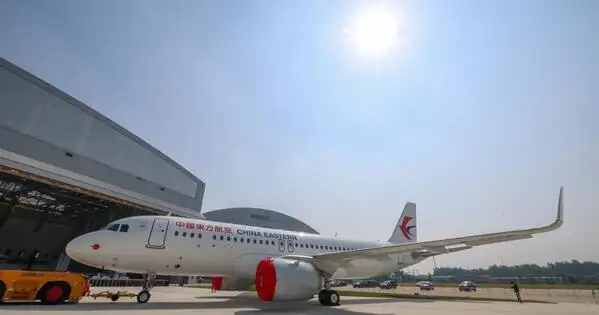
Airbus Delivers First A320neo From New Tianjin FAL
China Eastern Airlines took delivery of the first A320neo from Airbus's second Final Assembly Line in Tianjin, marking a key industrial milestone.
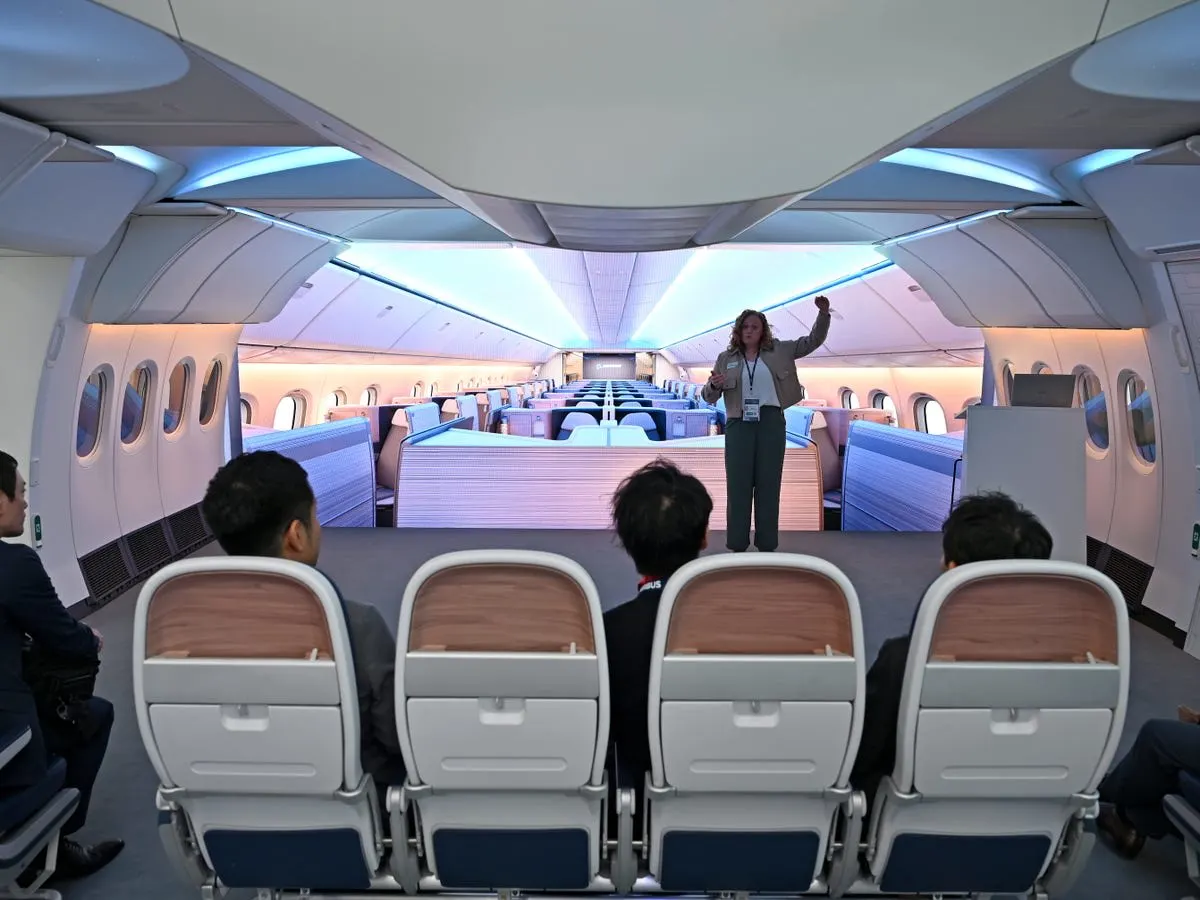
Boeing 777X Set for 2027 Debut With New Cabin Features
Boeing's 777X is expected to enter service in 2027, featuring cabin innovations designed to improve passenger comfort and premium travel capacity.
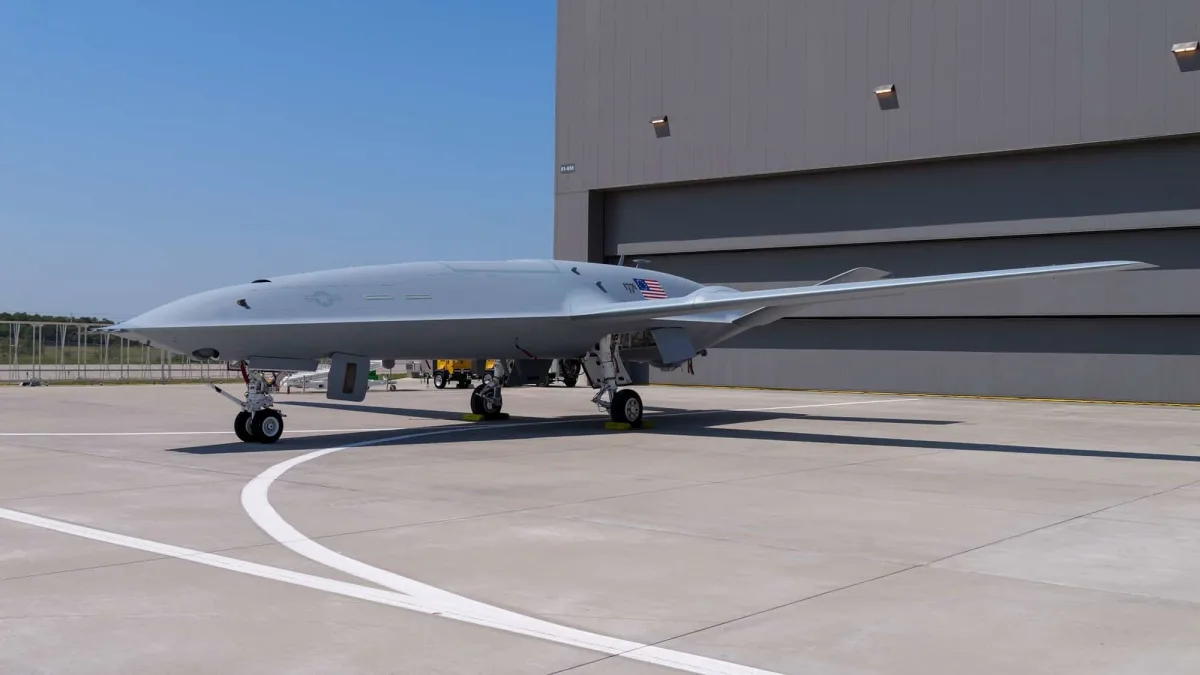
Boeing Awarded $562M Contract for MQ-25 Stingray Production
The U.S. Navy awarded Boeing a $562 million contract for the first three MQ-25 Stingray unmanned aerial refueling tankers, with deliveries expected in...
Boeing Logs 15 Gross Orders Including 13 787 Dreamliners
Boeing recorded 15 gross orders in August 2026, featuring 13 widebody 787 Dreamliner commitments from undisclosed customers.