Airbus A350F Begins Ground Testing in Toulouse Ahead of 2027 EIS

Co-Founder & CEOAviation News Editor delivering trusted coverage across the global aviation industry.
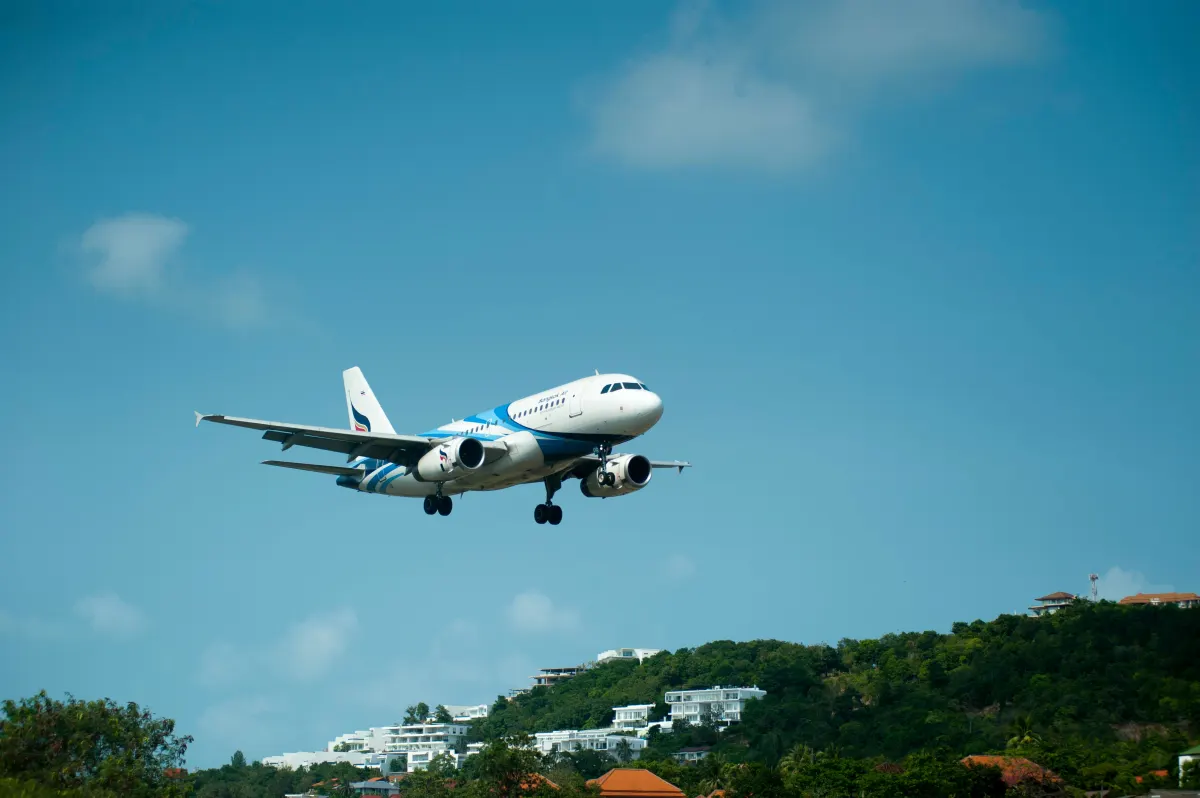
Airbus has commenced A350F ground testing in Toulouse, a key milestone for validating its cargo systems ahead of its planned 2027 entry into service.
Key Takeaways
- •Begins critical ground testing of its unique cargo loading system and main-deck cargo door in Toulouse.
- •Targets a firm Entry Into Service (EIS) for the second half of 2027 after a previous delay.
- •Features a 111-tonne payload capacity and an industry-leading 169.5-inch wide cargo door.
- •Represents Airbus's first clean-sheet design to directly challenge Boeing's dominance in the large freighter market.
Airbus has initiated a critical phase of ground testing for its new A350F freighter at the Final Assembly Line (FAL) in Toulouse, France. This step is essential for advancing the program toward its targeted Entry Into Service (EIS) in the second half of 2027. The tests are designed to validate the functionality of systems unique to the cargo variant, particularly its advanced Cargo Loading System (CLS) and the industry's largest Main-Deck Cargo Door (MDCD).
The commencement of ground testing signifies a tangible progression for the A350F program, which represents Airbus’s most direct challenge to Boeing’s long-standing dominance in the large widebody freighter market. Successful validation of these systems is a mandatory prerequisite for securing type certification from the European Union Aviation Safety Agency (EASA) and the U.S. Federal Aviation Administration (FAA). The program's schedule is under close scrutiny following an earlier pushback from a 2025/2026 target due to supply chain constraints.
Key systems under evaluation include the powered CLS, which manages the movement and securing of freight pallets, and the massive aft cargo door. According to Airbus specifications, the MDCD has a clear opening of 169.5 inches, making it 15% wider than the door on the current-generation Boeing 777F. This design allows for the loading of oversized cargo, including large aircraft engines like the Rolls-Royce Trent XWB, which powers the A350 passenger variants. Guillaume Terrien, Airbus's Ground Test Design Lead for the A350F, noted that a 'co-design' approach between engineering and ground test teams, which began in 2021, was crucial for reaching this stage. In response to industry speculation about potential further delays, Crawford Hamilton, Head of Freighter Marketing at Airbus, recently affirmed the timeline, stating, "the EIS is in the second half of 2027 and remains so."
Stakeholder Impact
The A350F's development has significant implications across the aerospace sector. For Boeing Commercial Airplanes, it introduces the first viable, clean-sheet competitor in a highly profitable market segment it has historically monopolized. This threatens future sales of its own next-generation freighter, the 777-8F. For cargo airlines, the A350F provides a new high-efficiency option with a maximum payload of 111 tonnes and a range of 4,700 nautical miles, enabling them to renew aging fleets of 747-400Fs and older 777Fs. The aircraft is also designed to meet the upcoming International Civil Aviation Organization (ICAO) CO2 emissions standards taking effect in 2027, a key regulatory driver for the current freighter replacement cycle. Other stakeholders include Rolls-Royce, the exclusive engine supplier with its Trent XWB-97, which secures long-term revenue, and fuselage supplier Spirit AeroSystems, which remains under pressure to resolve production bottlenecks to maintain the 2027 schedule.
Technical Comparison: A350F vs Competitors
Airbus A350F vs. Boeing 777-8F: Key Specifications
| Metric | Airbus A350F | Boeing 777-8F |
|---|---|---|
| Payload | 111 tonnes | 118 tonnes |
| Cargo Volume | 695 cubic meters | 766 cubic meters |
| Range | 4,700 nm | 4,410 nm |
Airbus A350F vs. Boeing 777F (Current Gen): Key Specifications
| Metric | Airbus A350F | Boeing 777F (Current Gen) |
|---|---|---|
| Main-Deck Cargo Door Width | 175 inches | 146 inches |
| Payload | 111 tonnes | 103.7 tonnes |
Technical Analysis
The A350F program marks a strategic pivot for Airbus, moving beyond the moderate success of its A330-200F to directly contest the heavy freight market. This development is timed to capitalize on a major fleet replacement cycle, driven by the ICAO 2027 emissions regulations that will render current-production freighters like the Boeing 767F and 777F non-compliant. The situation mirrors, in reverse, the 2009 entry of the Boeing 777F, which became the dominant widebody twin-engine freighter and solidified Boeing's market position. The A350F's progress suggests the air cargo market is entering a new era of competition. While Boeing's 777-8F offers greater absolute payload and volume, Airbus is betting on the A350F's efficiency, commonality with the A350 passenger fleet, and its uniquely large cargo door as key differentiators. The program's ultimate success, however, remains contingent on Airbus and its suppliers navigating persistent supply chain issues to avoid further erosion of the delivery timeline.
What Comes Next
With ground testing underway, the A350F program is progressing toward several critical milestones. The aircraft's first flight is expected to take place sometime in 2026. Following the flight test campaign, Airbus will seek type certification from both EASA and the FAA, a milestone anticipated for mid-2027. Upon successful certification, Airbus plans to deliver the first aircraft to a customer for Entry Into Service, which, according to the manufacturer, is confirmed for the second half of 2027.
Why This Matters
The successful progression of the Airbus A350F program is set to reshape the competitive landscape of the global air cargo industry. It introduces genuine competition into the large freighter segment for the first time in over a decade, providing airlines with greater choice and potentially driving down acquisition and operating costs. For the broader industry, it signals a definitive shift toward a new generation of more fuel-efficient and environmentally compliant freighters, accelerating the retirement of older, less efficient aircraft.
For in-depth airline coverage and commercial aviation news, omniflights.com delivers timely industry insights. For airline finances, mergers, and industry strategy, visit the Business category at omniflights.com/business.

Written by Hardik Vishwakarma
Co-Founder & Aviation News Editor leading initiatives that improve trust and visibility across the global aviation industry. Covers airlines, airports, safety, and emerging technology.
Visit ProfileYou Might Also Like
Discover more aviation news based on similar topics

Boeing 777X Testing Spills Into 2027 Amid Certification Hurdles
Boeing expects some 777X testing to extend into 2027, though the manufacturer maintains its target for the first delivery of the aircraft that year.

Airbus A350F Completes Ground Tests Before Maiden Flight
Airbus has finished initial ground tests for the A350F, with the freighter set for a late 2026 maiden flight and a 2027 entry into service.

Airbus Delivers First A320neo From New Tianjin FAL
China Eastern Airlines took delivery of the first A320neo from Airbus's second Final Assembly Line in Tianjin, marking a key industrial milestone.
Boeing 777X Set for 2027 Debut With New Cabin Features
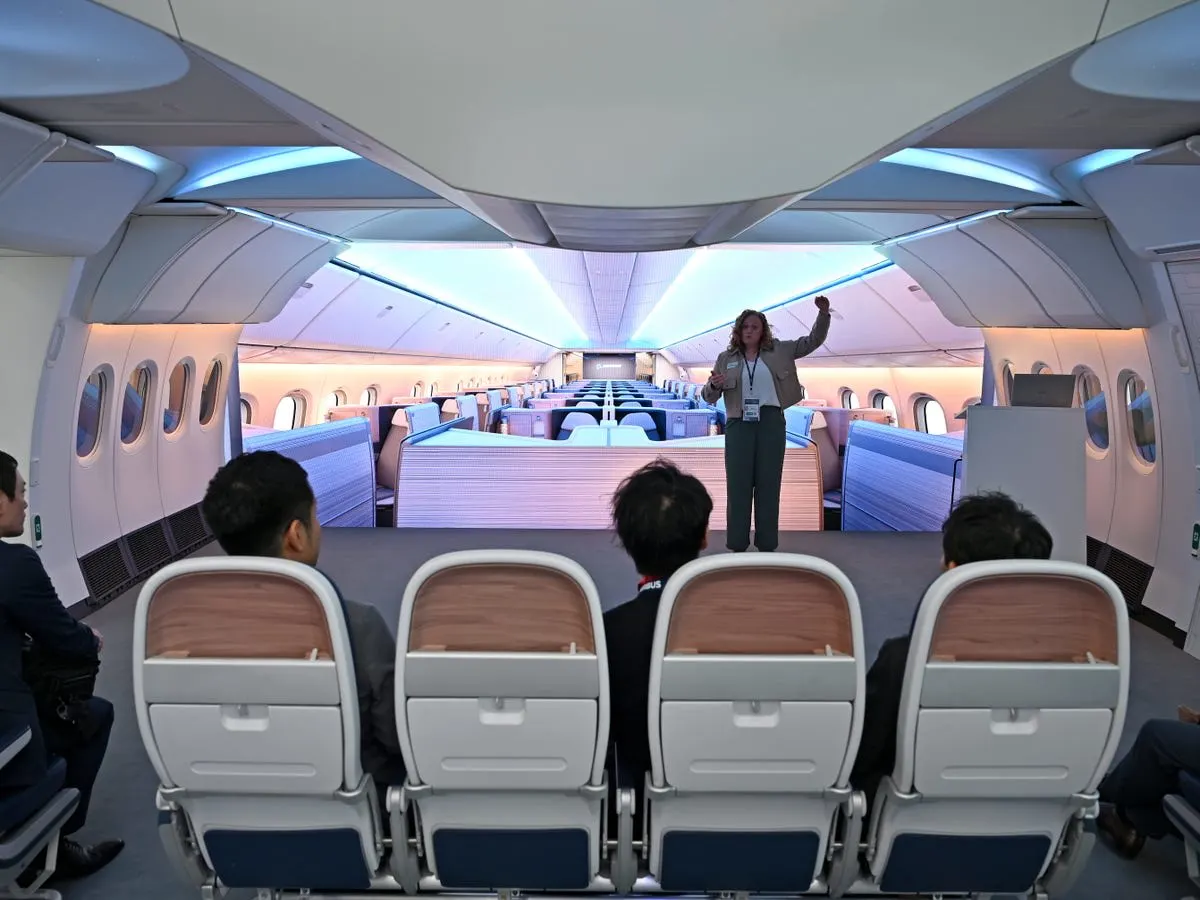
Boeing's 777X is expected to enter service in 2027, featuring cabin innovations designed to improve passenger comfort and premium travel capacity.
Boeing Awarded $562M Contract for MQ-25 Stingray Production
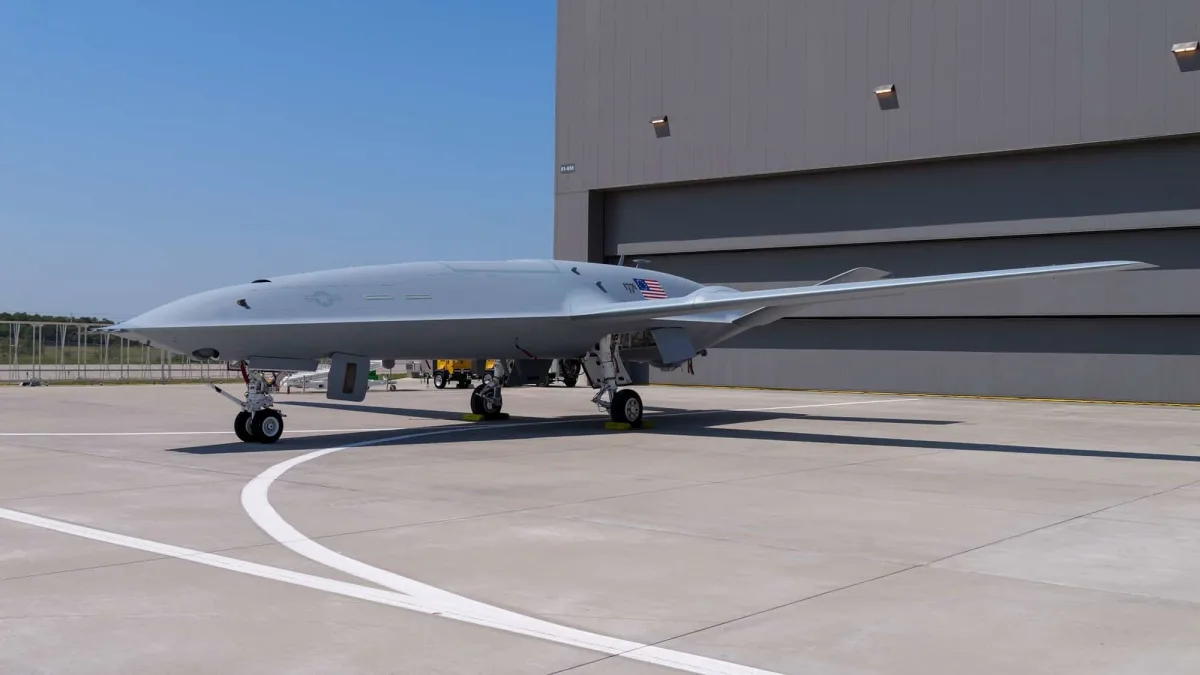
The U.S. Navy awarded Boeing a $562 million contract for the first three MQ-25 Stingray unmanned aerial refueling tankers, with deliveries expected in...

Boeing Logs 15 Gross Orders Including 13 787 Dreamliners
Boeing recorded 15 gross orders in August 2026, featuring 13 widebody 787 Dreamliner commitments from undisclosed customers.