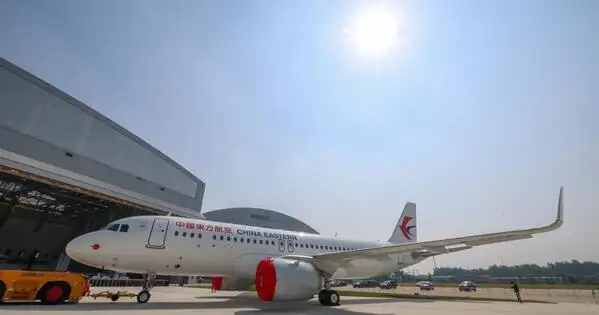
Collins Aerospace Opens UK Hub for Electric Thrust Systems

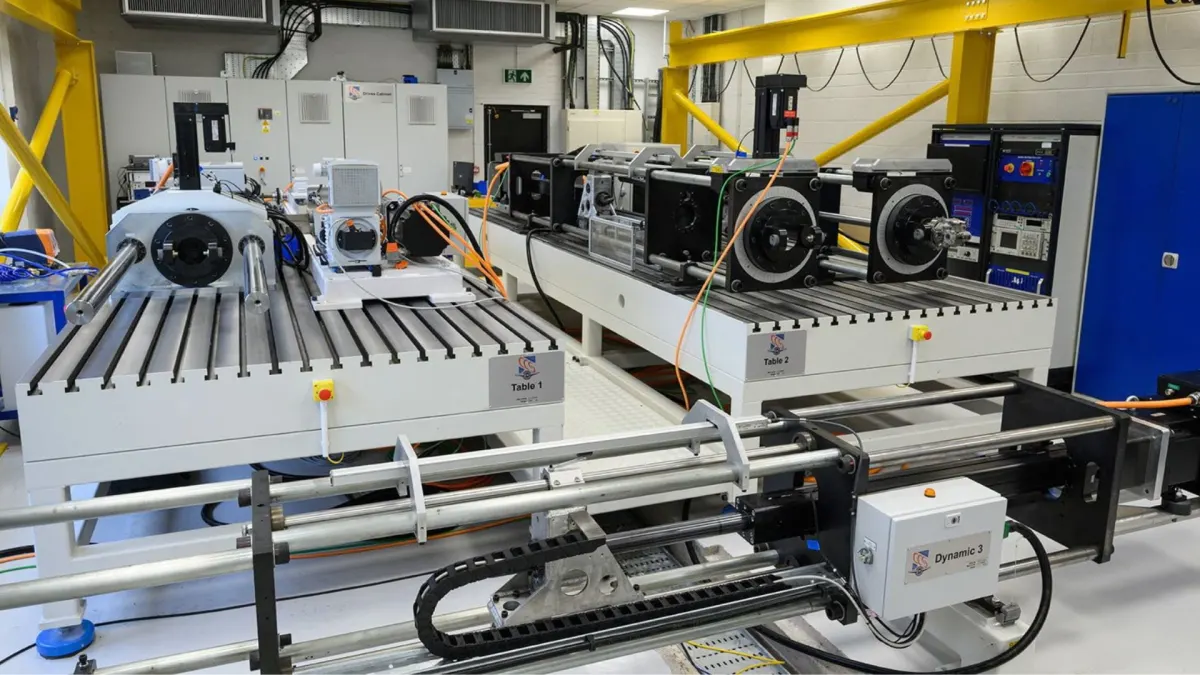
Collins Aerospace opened a new UK engineering hub to advance electric thrust reverser systems, reducing nacelle weight by up to 20 percent.
Key Takeaways
- •Collins Aerospace opened a new UK engineering hub in Wolverhampton.
- •ElecTRAS technology reduces nacelle actuation weight by 15-20%.
- •The system has logged over 15 million flight hours in commercial service.
- •New facility aims to accelerate certification of electric thrust systems.
Expanding Electric Thrust Capabilities in Wolverhampton
Collins Aerospace, a business unit of RTX, has inaugurated a new engineering facility in Wolverhampton, U.K., to accelerate the development and certification of next-generation electric thrust reverser systems. This Collins Aerospace engineering hub serves as a specialized Center of Excellence (CoE), focusing on the refinement of the company’s proprietary elecTRAS (Electric Thrust Reverser Actuation System) technology. By eliminating hydraulic complexity to improve fuel efficiency and lower maintenance costs, the facility supports the broader industry shift toward More-Electric Aircraft (MEA) architectures.
The Shift Toward More-Electric Aircraft
Modern aviation design is increasingly defined by the transition to MEA, where heavy hydraulic and pneumatic systems are systematically replaced by solid-state electrical alternatives. This shift is critical for manufacturers aiming to reduce overall aircraft weight and improve fuel burn efficiency. The elecTRAS actuation technology is a cornerstone of this trend, as it removes the need for hydraulic fluids, pumps, and complex line interfaces. According to RTX, the aircraft electrification technology advancements integrated into this architecture enable a 15-20% reduction in nacelle actuation weight at the integrated aircraft system level.
Performance and Reliability Data
While the new Wolverhampton facility focuses on future iterations, the underlying technology has already established a significant operational track record. Collins Aerospace reports that its elecTRAS systems have accumulated over 15 million flight hours in commercial service. The system has successfully completed 2.2 million flight cycles across more than 700 Airbus A350 aircraft. This field data provides a robust baseline for engineers at the new Wolverhampton Center of Excellence as they work to scale these systems for upcoming aircraft programs.
Stakeholder and Operational Impact
For Aircraft Original Equipment Manufacturers (OEMs), the adoption of electric actuation provides a direct path to meeting stringent weight-reduction and fuel-efficiency targets. Simultaneously, Airline Maintenance Operations (MROs) stand to benefit from simplified maintenance protocols. By removing hydraulic fluid interfaces, the system eliminates the risks associated with fluid leaks and the routine inspections required for traditional hydraulic pumps and lines. Conversely, suppliers of traditional hydraulic components may face a long-term reduction in demand as electric architectures become the industry standard for new designs.
Electric Thrust Reverser Actuation Systems vs. Traditional Hydraulic Systems
| Metric | Electric Thrust Reverser Actuation Systems (elecTRAS) | Traditional Hydraulic Systems |
|---|---|---|
| Power Source | Electrical motors and controllers | Hydraulic fluid and pumps |
| Nacelle Actuation Weight | 15-20% reduction | Baseline heavy hydraulic infrastructure |
| Maintenance Complexity | Simplified (no fluid interfaces or leak risks) | High (requires routine fluid management and line inspections) |
Engineering the Future of Actuation
Ajay Mahajan, President of Advanced Structures at Collins Aerospace, stated that the new facility underscores a commitment to cost-effective aerospace solutions. The company is employing a modular testing approach that simulates real-world flight conditions early in the design phase. This methodology is intended to reduce downstream certification delays and program costs. Historically, this evolution mirrors the industry's transition seen in 2011 with the Boeing 787 Dreamliner, which replaced traditional bleed air and hydraulic systems with electrical power for core functions like wing ice protection. The new hub aims to build upon the foundation laid when the Airbus A350 first entered service in 2015 with initial electric thrust reverser capabilities, scaling those benefits for the next generation of airframes.
Certification Timeline for Next-Gen Systems
Development at the Wolverhampton hub will focus on optimizing the next iteration of elecTRAS for upcoming commercial aircraft platforms. While specific timelines for individual airframer integration remain subject to proprietary development schedules, the facility is designed to support rapid prototyping and certification testing throughout the remainder of 2026 and into 2027. The hub's integration of advanced simulation tools is expected to streamline the certification process, ensuring that new electric components meet global airworthiness standards with greater speed and precision than traditional testing cycles allowed.
Frequently Asked Questions
- What is the primary benefit of the elecTRAS technology?
- The elecTRAS technology eliminates hydraulic fluids, which simplifies maintenance by removing the need for fluid management and leak inspections. Additionally, it enables a 15-20% reduction in nacelle actuation weight, contributing to improved aircraft fuel efficiency.
- How many flight hours has the elecTRAS technology accumulated?
- Collins Aerospace's elecTRAS technology has accumulated over 15 million flight hours in commercial service, with 2.2 million flight cycles completed on Airbus A350 aircraft.
Visit omniflights.com for the latest commercial aviation news and airline industry updates. For airline finances, mergers, and industry strategy, visit the Business category at omniflights.com/business.

Written by Shashank Shukla
Co-Founder & CTO leading the engineering and AI systems behind Omni Flights. Covers aviation technology, flight safety, aircraft manufacturing, and emerging aerospace developments.
Visit ProfileYou Might Also Like
Boeing Tests MUM-T Software for MQ-25A and F/A-18 Teaming
COMAC C919 Faces Production Delays Amid US Export Curbs

Boeing Awarded $14.7B Contract for PAC-3 Missile Seekers

Boeing 777X Testing Spills Into 2027 Amid Certification Hurdles

Airbus A350F Completes Ground Tests Before Maiden Flight