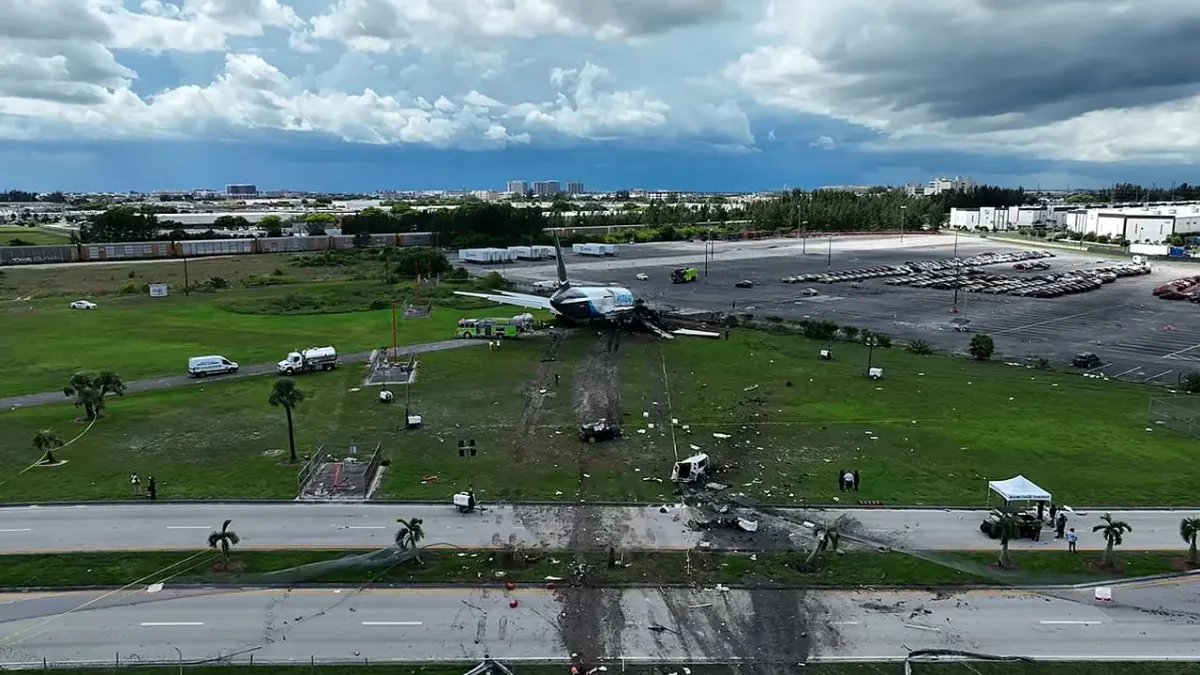
Air India Express 737 Hits Runway Lights at Muscat

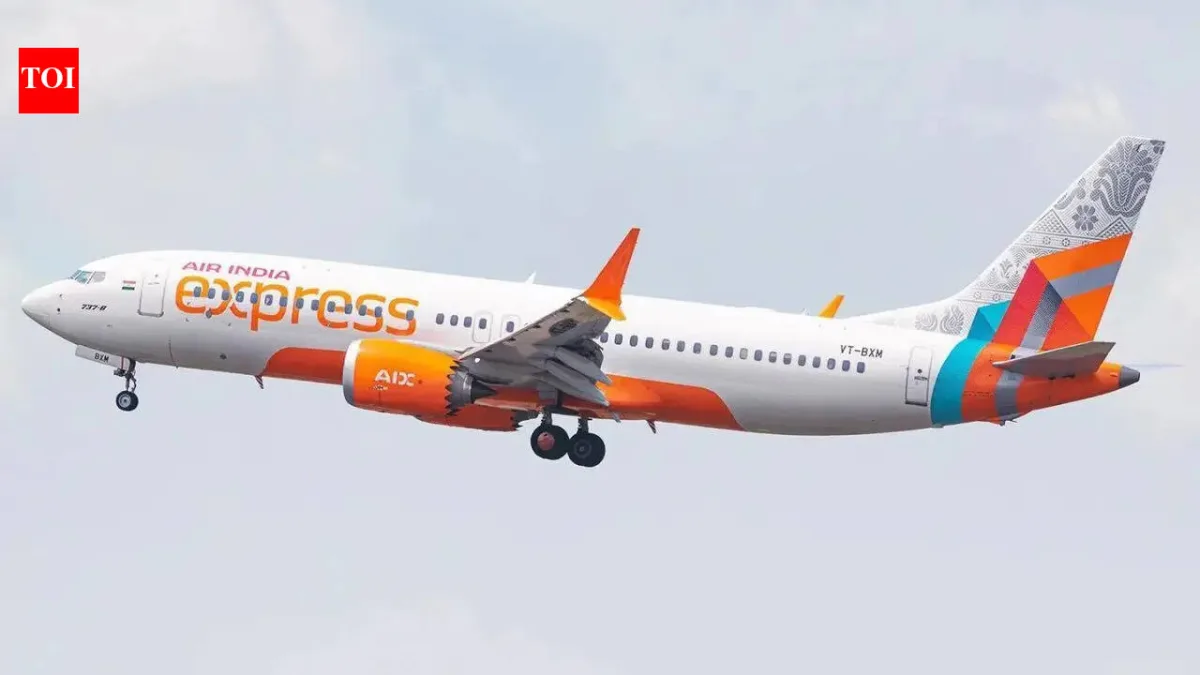
Air India Express flight IX 712 aborted takeoff at Muscat on May 15, 2026, after the crew mistakenly aligned with runway edge lights.
Key Takeaways
- •Air India Express flight IX 712 aborted takeoff at Muscat on May 15, 2026.
- •Crew mistakenly aligned with runway edge lights instead of the centerline.
- •Engine FOD and hydraulic damage occurred to the 18-year-old Boeing 737-800.
- •AAIS expects to publish a preliminary investigation report by June 2026.
Incident Overview
An Air India Express Boeing 737-800 operating flight IX 712 from Muscat International Airport (MCT) to Kannur International Airport (CNN) suffered significant structural and mechanical damage during a nighttime takeoff attempt on May 15, 2026. The aircraft, registered as VT-AXR, an 18-year-old airframe, struck multiple runway edge lights after the flight crew mistakenly aligned the aircraft with the edge of Runway 26L rather than the designated centerline.
According to the Oman Air Accidents Investigation Sector (AAIS), the crew entered the runway from the E7 taxiway. During the takeoff roll, the aircraft ingested Foreign Object Debris (FOD) from the shattered runway edge lights into its engines, resulting in a loud noise and a master caution alert. The crew performed an immediate rejected takeoff. The incident resulted in a hydraulic leak, a flat tire, and mechanical damage to the engine intakes. The Oman Civil Aviation Authority has initiated a formal probe into the incident, consistent with ICAO Annex 13 protocols.
Passenger and Operational Impact
The consequences of the runway incursion were immediate and severe for the 189-seat capacity aircraft. Passengers remained stranded on the disabled aircraft for approximately two hours before being deplaned via mobile stairs. The incident necessitated a 13-hour delay for the affected passengers as the airline arranged a replacement aircraft. Air India Express, which maintains a fleet of 26 Boeing 737-800 aircraft, faces significant repair costs related to engine FOD and hydraulic system restoration, alongside the logistical disruption of the grounding of VT-AXR.
For the flight crew, the incident has resulted in immediate grounding pending the outcome of the investigation. Authorities are evaluating potential license actions and mandatory retraining requirements. The Air India Express fleet and operational standards are under scrutiny as the Directorate General of Civil Aviation (DGCA) in India coordinates with Omani officials to determine the root cause of the navigational error.
Industry Context and Precedents
This event highlights a persistent industry trend regarding nighttime runway misalignment. Human factors experts suggest that such errors are often exacerbated by ambiguous taxiway lead-on lines and confusing airport lighting geometry, rather than singular pilot negligence. The industry is increasingly turning to moving map displays and Runway Awareness and Advisory Systems (RAAS) to mitigate these risks.
Historical precedents illustrate the recurring nature of this hazard. In February 2024, a QantasLink Dash-8 struck seven runway edge lights at Mildura after a similar misalignment. In August 2021, an American Airlines A321 destroyed 15 runway edge lights at Las Vegas, continuing its takeoff despite the impacts. These events underscore the critical importance of complying with ICAO Annex 14 standards for aerodrome visual aids.
Technical Analysis
The data suggests that the Air India Express incident is part of a broader cycle of ground navigation challenges. While the Boeing 737-800 shares a similar wingspan of 35.80 meters with the Airbus A320ceo, the specific lighting configurations at major international hubs like Muscat require high levels of situational awareness during low-light conditions. The AAIS investigation will likely focus on whether the transition from the E7 taxiway to Runway 26L provided adequate visual cues for the flight crew. The intersection of regulatory oversight and human performance remains a primary focus for aviation safety bodies globally.
What Comes Next
The investigation into the Air India Express incident is ongoing. The AAIS is expected to publish a preliminary investigation report by June 2026, followed by a final accident report by May 2027. These documents will clarify the specific factors that led to the misalignment and provide recommendations to prevent future incursions.
Why This Matters
This incident underscores the persistent vulnerability of commercial aviation to ground-based navigation errors, particularly during night operations. The event serves as a reminder to the industry of the necessity for advanced situational awareness technology and rigorous adherence to airport lighting protocols to ensure passenger safety.
Frequently Asked Questions
- What caused the Air India Express flight IX 712 incident at Muscat?
- The incident was caused by the flight crew mistakenly aligning the Boeing 737-800 with runway edge lights instead of the runway centerline during a nighttime takeoff attempt.
- What are the consequences of runway edge light strikes for aircraft?
- Striking runway edge lights can cause significant mechanical damage, including foreign object debris ingestion into engines, hydraulic leaks, and tire damage, as seen in the flight IX 712 incident.
For global airline trends and commercial aviation news, turn to omniflights.com. Track policy changes, airspace rules, and global aviation governance in the Regulatory category at omniflights.com/regulatory.

Written by Hardik Vishwakarma
Co-Founder & Aviation News Editor leading initiatives that improve trust and visibility across the global aviation industry. Covers airlines, airports, safety, and emerging technology.
Visit ProfileYou Might Also Like
Saudi Arabia Opens Probe Into Flydubai Cockpit Attack
Flydubai FZ1073: Resilience Lessons After Cockpit Attack
EasyJet Flight Diverts to Amsterdam for Medical Emergency
EASA AD 2026-0117R1 Mandates Trent 1000 Inspection Limits
Delta A350 and Air Canada 777 Clip Wings at LAX