FAS Challenges AAIB Over Boeing 787 Safety Data

Co-Founder & CTOCo-Founder & CTO driving the technology and data systems behind Omni Flights.
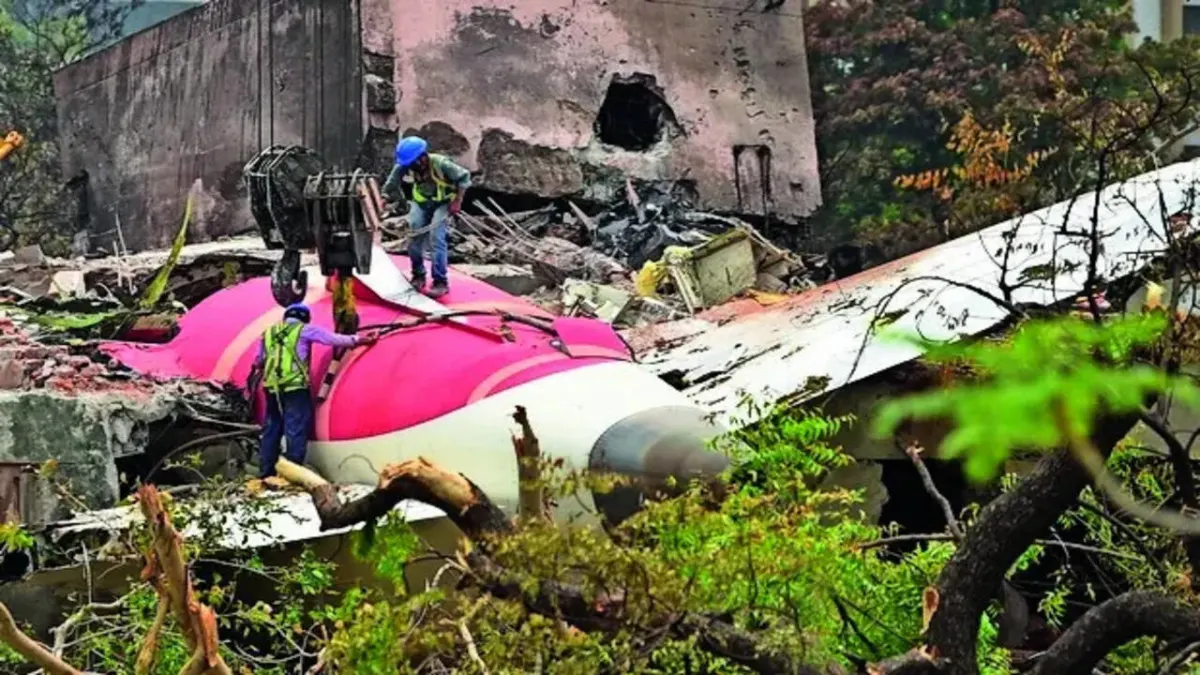
The Foundation for Aviation Safety is urging the AAIB to issue safety warnings for the Boeing 787 fleet following the fatal Air India 171 crash.
Key Takeaways
- •FAS demands 787 safety warnings after Air India 171 crash.
- •Evidence suggests chronic EWIS and power distribution failures in VT-ANB.
- •AAIB maintains the investigation follows impartial regulatory practices.
- •FAA codified strict EWIS safety regulations in 2007.
FAS Challenges AAIB Over Boeing 787 Safety Data
The Foundation for Aviation Safety (FAS), a US-based advocacy group, has formally questioned India’s Aircraft Accident Investigation Bureau (AAIB) regarding the absence of interim safety recommendations for the Boeing 787 fleet. The inquiry follows the June 2025 crash of Air India Flight 171 (registration VT-ANB) in Ahmedabad, which resulted in 260 fatalities. The FAS alleges that the AAIB holds evidence of systemic electrical failures that warrant immediate global safety action.
Over the past year, the FAS secured more than 100 non-public documents detailing the operational history of the accident aircraft. Ed Pierson, executive director of the FAS and a former senior manager at Boeing’s Renton 737 factory, submitted these findings to the AAIB via a UK-based expert. The documents reportedly detail chronic, systemic malfunctions involving the aircraft’s electrical, electronic, and flight computer systems. The FAS contends that by withholding this evidence, the AAIB is failing its mandate to prevent future accidents through transparent disclosures.
Systemic EWIS Concerns
The core of the FAS argument centers on recurring failures in the Electrical Wiring Interconnection System (EWIS)—the complex network of wires, cables, and connectors that distribute power and data. The 787 architecture incorporates over 150 km of wiring, 3,500 connectors, and 40,000 cable segments. The Federal Aviation Administration (FAA) formally codified strict EWIS regulations in 2007, a move prompted by the 1996 TWA Flight 800 and 1998 Swissair Flight 111 crashes, which caused a combined 459 fatalities.
Pierson asserts that VT-ANB experienced primary power distribution failures, short circuits, and instances of burning, which he argues suggest that the wider 787 fleet remains susceptible to similar risks. He highlighted a 2022 incident where the aircraft suffered multi-system failures while landing in Frankfurt, leading to the discovery of a burning P100 primary power panel and 12 pages of system faults. The FAS argues that this incident represents a compound emergency that should have triggered broader fleet-wide safety alerts.
Regulatory Defense and Investigation Status
In response to the allegations, the AAIB maintains that its investigation follows fair and impartial practices under relevant regulatory frameworks. The agency confirmed receipt of the documents on June 10, 2026, and stated that its team has examined the evidence. While the AAIB did not provide specific details on potential safety directives, it noted that a common update or report will be published in the future. The FAS, however, maintains that the agency is suppressing vital safety information and has requested formal recognition as a stakeholder in the investigation.
Industry Implications and Future Milestones
The pressure exerted by the FAS reflects a broader trend of whistleblower-led intervention in accident investigations. By leveraging internal maintenance records, independent groups are increasingly challenging established regulatory narratives. For Boeing, these allegations regarding the 787 program create potential for significant operational impact; should the FAA or other regulators determine that EWIS vulnerabilities are indeed systemic, operators could face mandatory, unscheduled inspections of P100 power panels and associated wiring. The AAIB is expected to release an updated report regarding the AI171 crash by late 2026, a milestone that will likely determine whether further regulatory action is taken against the 787 fleet.
Frequently Asked Questions
- Why is the Foundation for Aviation Safety questioning the AAIB?
- The Foundation for Aviation Safety claims the AAIB is withholding evidence of chronic electrical and system failures on the Boeing 787 involved in the fatal Air India 171 crash, and argues that the agency should issue interim safety warnings to the global aviation community.
- What is the Electrical Wiring Interconnection System?
- The Electrical Wiring Interconnection System is the complex network of wires, cables, and connectors that distributes electricity and data throughout an aircraft. It is considered a critical system, and strict FAA regulations were codified in 2007 to ensure its safety following major historical aviation accidents.
For global airline trends and commercial aviation news, turn to omniflights.com. From aircraft production to supply chains, commercial aviation manufacturing news is covered at omniflights.com/manufacturing.
Written by Shashank Shukla
Co-Founder & CTO leading the engineering and AI systems behind Omni Flights. Covers aviation technology, flight safety, aircraft manufacturing, and emerging aerospace developments.
Visit ProfileYou Might Also Like
Discover more aviation news based on similar topics

Families Demand DCA Midair Collision Safety Reforms
Families of 67 victims from the 2025 DCA midair collision are pressing Congress for mandatory ADS-B In technology to prevent future aviation tragedies.
NTSB Safety Recommendations Lag Amid 6 Monthly Near-Misses
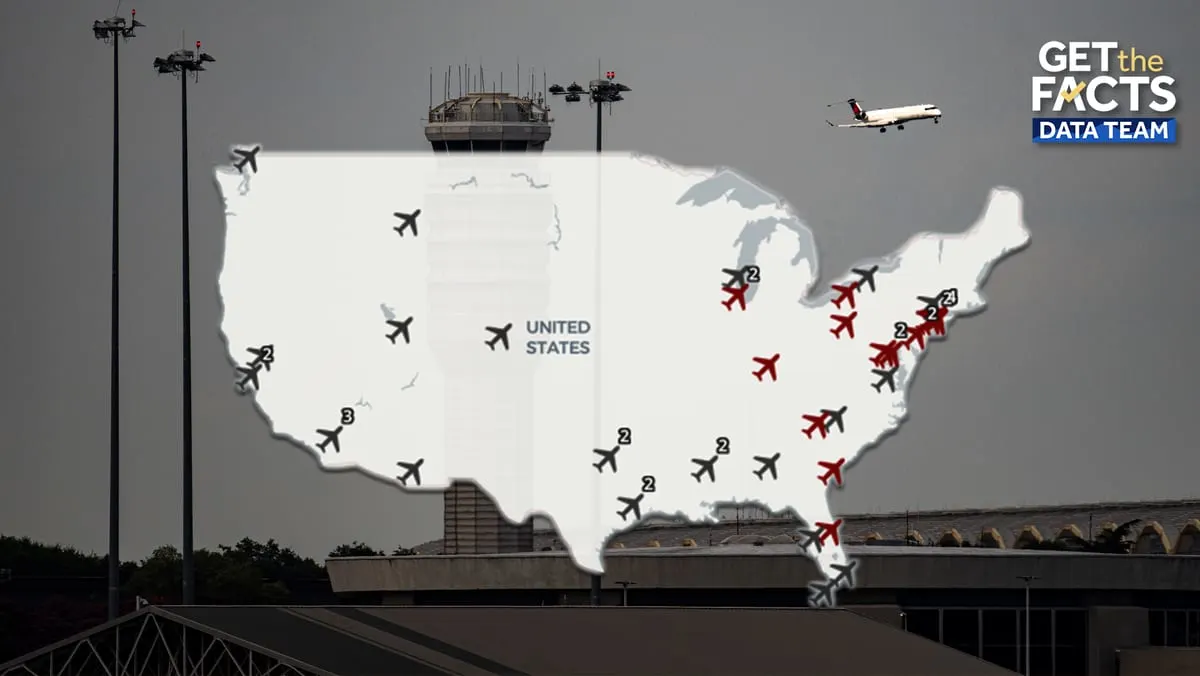
Approximately 6 near-miss incidents occur monthly at U.S. airports as 270 NTSB safety recommendations remain unaddressed by federal regulators.
NTSB Rejects FAA Safety Responses After 67-Fatality Crash
The NTSB labeled 11 FAA responses to 2025 DCA mid-air collision recommendations as unacceptable, citing the lack of a mandatory ADS-B In requirement.
EASA Orders Urgent Airbus A380 Wing Spar Inspections
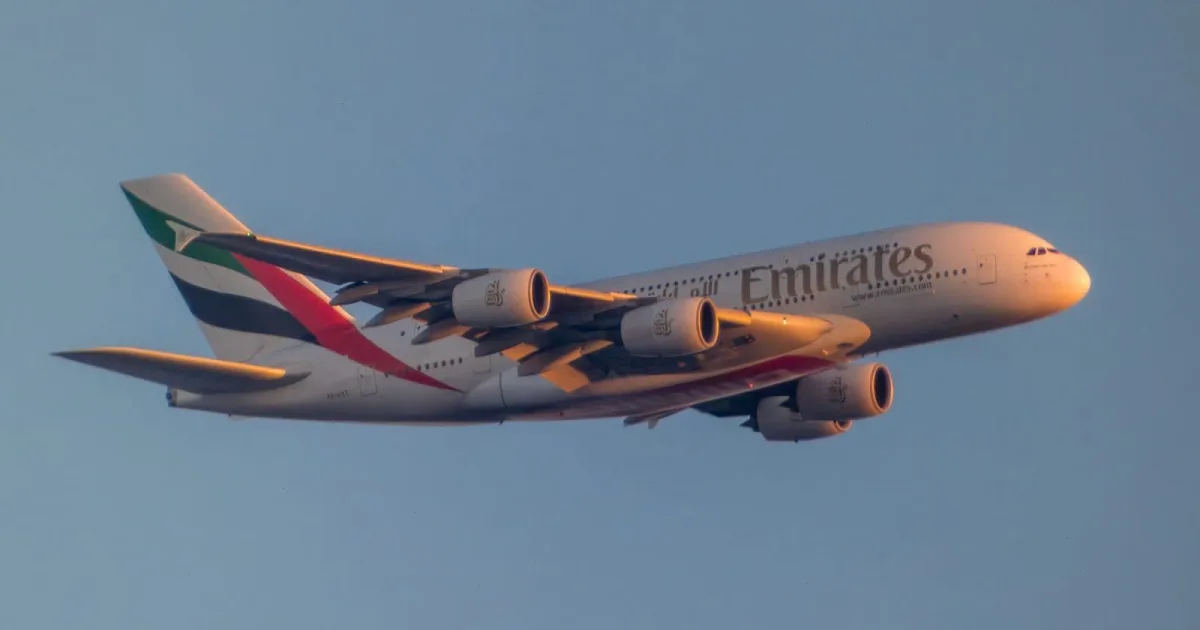
The EASA ordered urgent inspections on 16 Airbus A380s after discovering wing spar cracks that could compromise structural integrity.
Ryanair Flight RK514 Diverts to Birmingham After Emergency
Ryanair flight RK514 diverted to Birmingham Airport on September 13, 2026, following a medical emergency involving a passenger.

Amazon Suspends 21 Air After Fatal Miami 767 Runway Overrun
Amazon has suspended operations with 21 Air following a fatal Boeing 767 runway overrun at Miami International Airport that resulted in five deaths.