EASA Orders Urgent Airbus A380 Wing Spar Inspections

Co-Founder & CTOCo-Founder & CTO driving the technology and data systems behind Omni Flights.
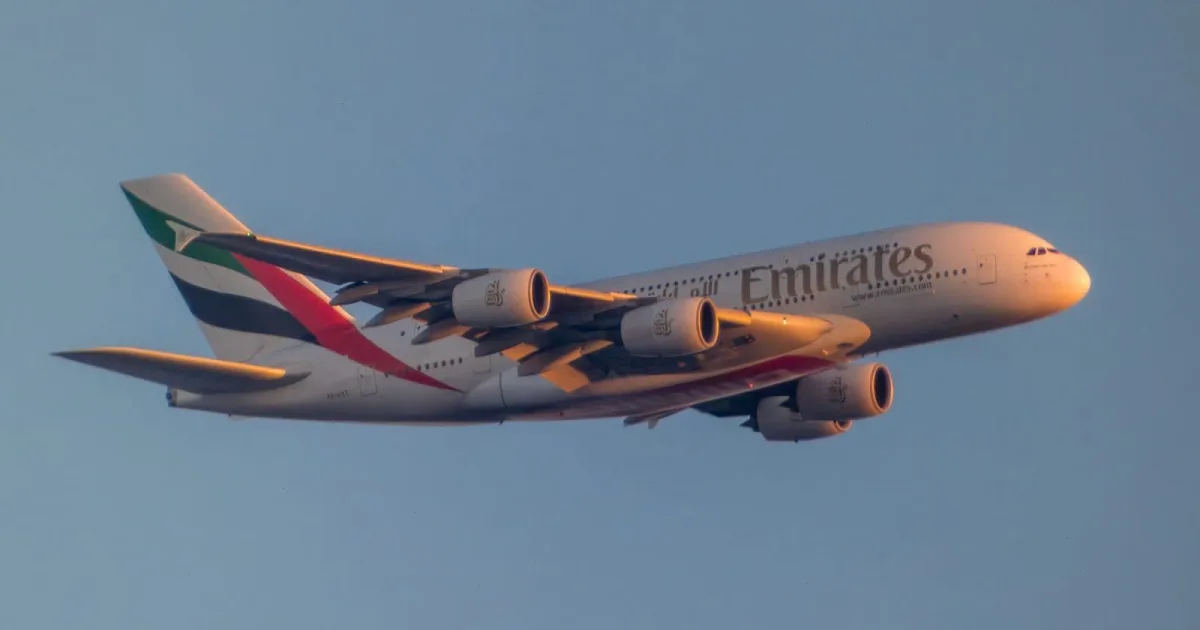
The EASA ordered urgent inspections on 16 Airbus A380s after discovering wing spar cracks that could compromise structural integrity.
Key Takeaways
- •EASA issued an emergency directive for 16 Airbus A380 wing spar inspections.
- •Emirates operates 15 of the 16 affected aircraft requiring urgent checks.
- •Five Emirates A380s must be inspected before their next passenger flight.
- •Remaining affected aircraft must complete inspections within 25 flight cycles.
Regulatory Action on A380 Wing Integrity
The European Union Aviation Safety Agency (EASA) has issued an Emergency Airworthiness Directive (EAD) 2026-0119-E mandating urgent inspections of the wing mid-spars on 16 specific Airbus A380 aircraft. This regulatory action follows the discovery of fatigue cracks that could potentially reduce the structural integrity of the aircraft's primary wing box. The directive, effective as of June 2026, focuses on a subset of the global fleet, reflecting a shift toward highly specific, data-driven maintenance rather than broad-based groundings.
Operational Impact and Fleet Distribution
The scope of the directive is concentrated among two major operators. According to the EASA documentation, 15 of the 16 affected aircraft are operated by Emirates, while one is operated by Qantas. The directive categorizes the required maintenance into two distinct groups based on the severity of the findings. The five Emirates aircraft identified in 'Group 1' are mandated to undergo inspection before their next passenger flight. The remaining 11 aircraft, including the single Qantas unit, must complete the inspection process within 25 flight cycles.
For Emirates, the directive presents a significant operational challenge. The airline has confirmed it is complying with the order and will ensure all necessary rework is completed before returning the affected jets to service. Conversely, the single Qantas A380 affected by the order was already positioned in Germany for heavy maintenance, which has mitigated any immediate schedule disruption for the Australian carrier.
Technical Context and Historical Precedents
The current emergency directive is a direct consequence of a previous order, Airworthiness Directive (AD) 2025-0280, which mandated mid-spar checks on A380 aircraft returning from extended storage. The results of those inspections indicated that the cracks were more prevalent than initially anticipated in specific airframes.
Historically, the A380 has faced similar structural challenges. In 2012, a global inspection program was triggered by wing rib-feet cracking, which eventually led to a fleet-wide retrofit program costing approximately $330 million. Furthermore, in 2019, EASA mandated inspections on 25 older A380 airframes due to cracks exacerbated by hydrogen embrittlement during long-term parking. These events establish a pattern of localized structural fatigue emerging as the global A380 fleet ages.
Inside the Wing Spar Fatigue Analysis
The A380 wing spar serves as the primary load-bearing element of the wing structure. Unlike smaller components, the spar is critical to the aircraft's overall airframe stiffness. According to former Qantas A380 Captain Richard de Crespigny, while the term 'cracks' is concerning to the traveling public, modern aircraft wings are designed with significant structural redundancy. He noted that these targeted inspections are designed to detect microscopic flaws long before they reach a critical threshold that would pose an in-flight threat. However, Emirates President Tim Clark has previously argued that the recurring requirement to inspect and rework these massive wing structures places a substantial financial and operational burden on operators, as it forces high-capacity aircraft out of service for extended periods.
Inspection Timeline and Next Steps
The EASA has established a strict compliance timeline to address the structural concerns. The Group 1 inspections for the five identified Emirates aircraft are scheduled for completion immediately, with the aircraft prohibited from further passenger service until cleared. The remaining Group 2 inspections are expected to be phased in over the coming months as the aircraft reach their 25-cycle limit. Airbus support teams are currently deploying specialized engineering resources to assist operators in executing the necessary repairs and ensuring compliance with the EASA safety standards.
Why the A380 Structural Integrity Matters
For the aviation industry, this development highlights the complexities of maintaining the world's largest passenger aircraft as the fleet matures. The A380 remains a critical component of long-haul capacity for carriers like Emirates, and the ability to manage localized structural fatigue without resorting to permanent fleet groundings is essential for the aircraft's continued viability. For passengers, the directive serves as a reminder of the rigorous, ongoing nature of aviation safety oversight, where regulatory bodies and manufacturers monitor individual aircraft histories to prevent degradation before it impacts operations.
Frequently Asked Questions
- Why did the EASA order urgent inspections for specific Airbus A380s?
- The EASA issued an Emergency Airworthiness Directive because cracks were discovered in the wing mid-spars of 16 specific Airbus A380 aircraft. These cracks were identified as a potential risk to the structural integrity of the wing box, necessitating immediate inspection and potential rework.
- Which airlines are affected by the EASA A380 wing spar inspection order?
- The directive primarily affects Emirates, which operates 15 of the 16 identified aircraft. The remaining affected aircraft is operated by Qantas.
Stay ahead of the airline industry with commercial aviation news from omniflights.com. From aircraft production to supply chains, commercial aviation manufacturing news is covered at omniflights.com/manufacturing.
Written by Shashank Shukla
Co-Founder & CTO leading the engineering and AI systems behind Omni Flights. Covers aviation technology, flight safety, aircraft manufacturing, and emerging aerospace developments.
Visit ProfileYou Might Also Like
Discover more aviation news based on similar topics
Ryanair Flight RK514 Diverts to Birmingham After Emergency
Ryanair flight RK514 diverted to Birmingham Airport on September 13, 2026, following a medical emergency involving a passenger.
Amazon Suspends 21 Air After Fatal Miami 767 Runway Overrun
Amazon has suspended operations with 21 Air following a fatal Boeing 767 runway overrun at Miami International Airport that resulted in five deaths.
FAA Proposes A220 Fuel Line Inspections for US Operators
The FAA issued a proposed directive requiring inspection of motive-flow fuel lines on 13 US-registered Airbus A220s to prevent potential leaks.
NATS Denies Military Jet Role in UK ATC Outage
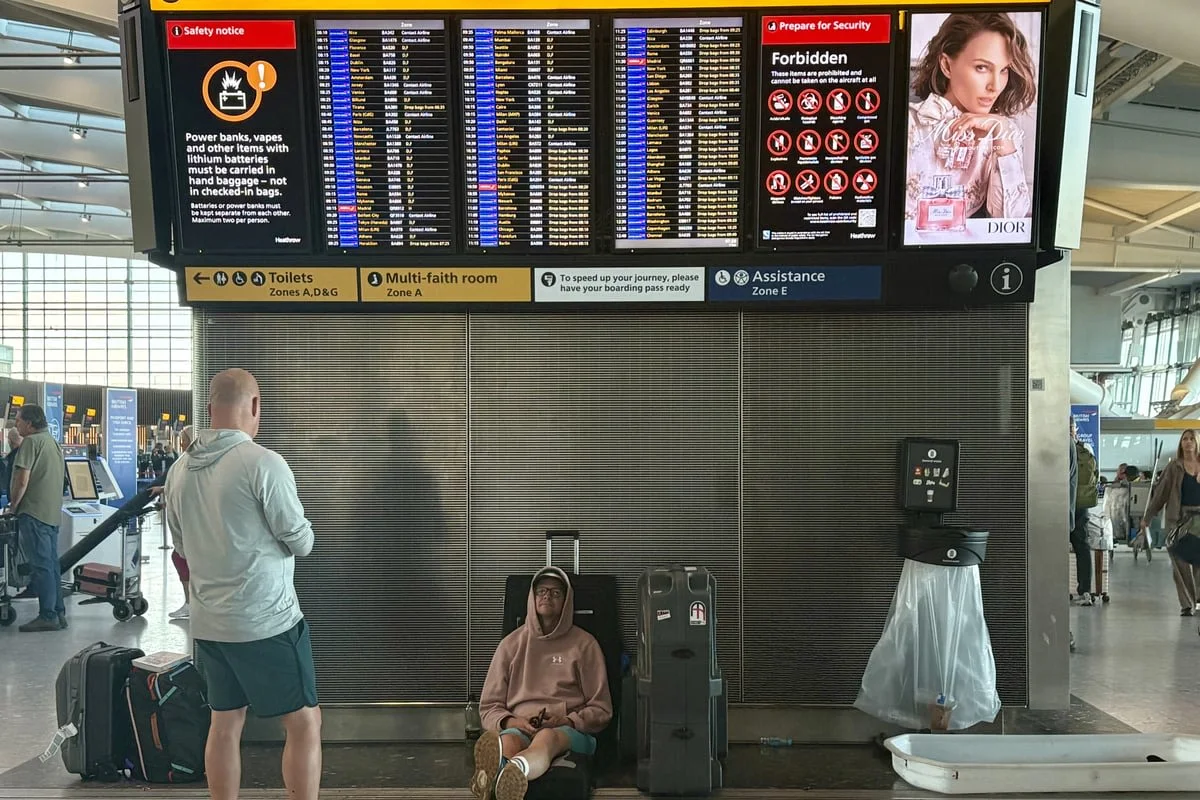
The UK Ministry of Defence denied its aircraft caused a NATS outage that led to over 2,000 flight cancellations and calls for CEO resignation.
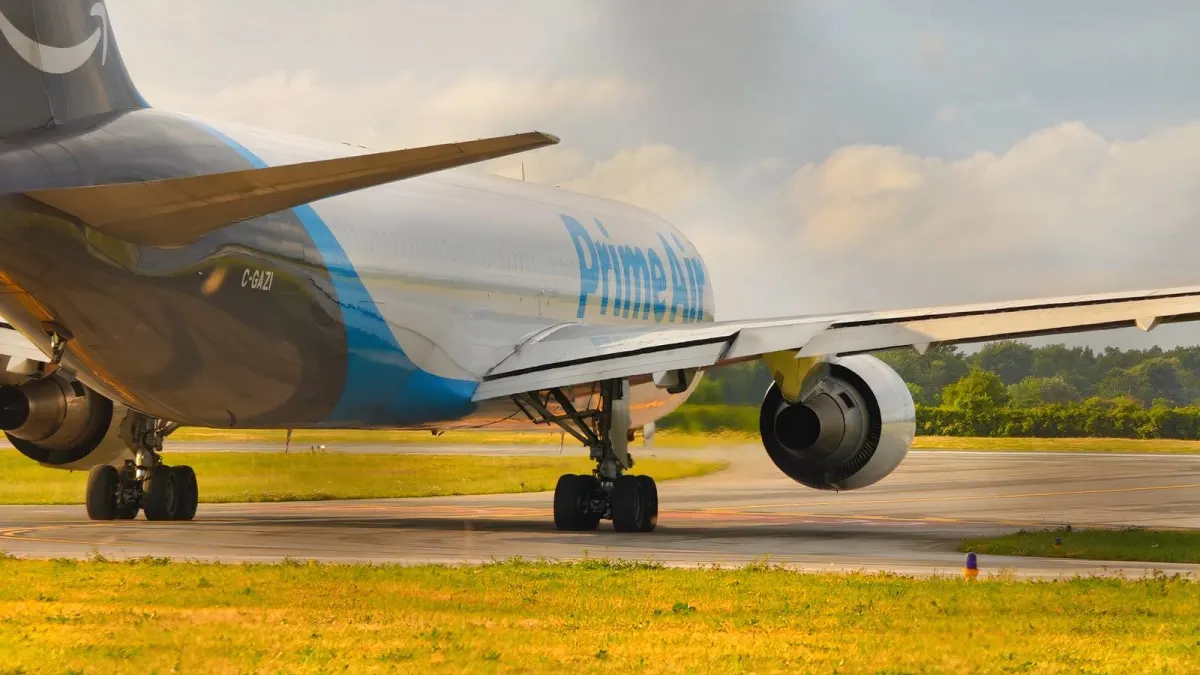
21 Air Miami Crash: NTSB Investigates 767 Runway Overrun
A fatal 21 Air Boeing 767 crash at Miami International Airport has triggered an NTSB investigation amid scrutiny of Amazon Air's contract oversight.

Amazon Cargo Plane Crash: 5 Remembered After MIA Excursion
Five cleaning crew members died after an Amazon-contracted Boeing 767 overran the runway at Miami International Airport at 158 knots.