Families Demand DCA Midair Collision Safety Reforms

Co-Founder & CTOCo-Founder & CTO driving the technology and data systems behind Omni Flights.
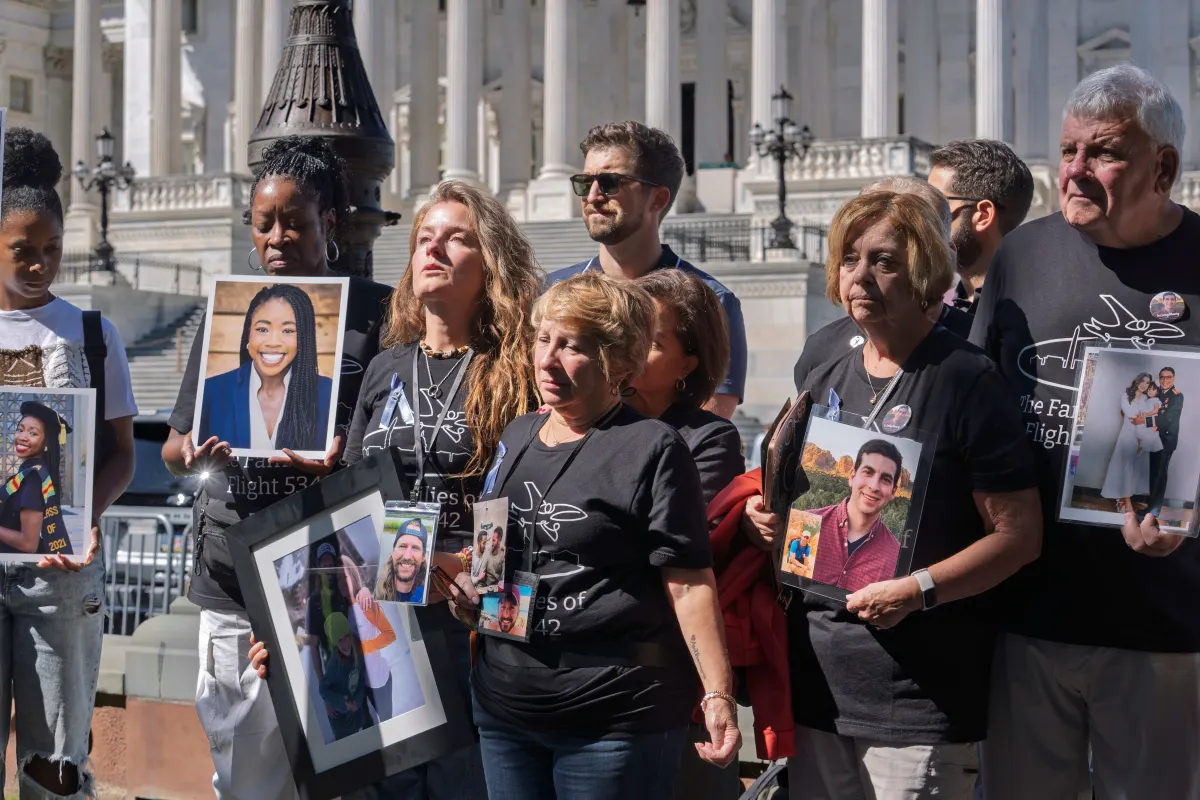
Families of 67 victims from the 2025 DCA midair collision are pressing Congress for mandatory ADS-B In technology to prevent future aviation tragedies.
Key Takeaways
- •DCA midair collision resulted in 67 fatalities in January 2025.
- •Families demand mandatory ADS-B In technology to improve cockpit visibility.
- •NTSB issued 50 safety recommendations, many currently awaiting legislation.
- •ROTOR Act seeks to mandate ADS-B In in high-volume terminal airspace.
Families Demand Aviation Safety Reform
Loved ones of the 67 people who died in the January 29, 2025, DCA midair collision are urging Congress and federal regulators to implement immediate safety reforms. The tragedy, involving American Airlines Flight 5342 and a U.S. Army Black Hawk helicopter, remains the deadliest U.S. aviation disaster since 2001. Families gathered outside the U.S. Capitol on Tuesday, demanding that the legislative process prioritize safety over the delays that often follow high-profile crashes.
According to the DCA25MA108 - NTSB report, everyone aboard perished when the two aircraft collided near Ronald Reagan Washington National Airport. The National Transportation Safety Board (NTSB) has issued 50 safety recommendations following the investigation. However, families expressed frustration that many of these measures, specifically those involving mandatory ADS-B In technology (Automatic Dependent Surveillance–Broadcast), remain stalled due to political gridlock and industry lobbying.
The Legislative and Regulatory Hurdle
Lawmakers are currently attempting to reconcile competing safety proposals, including the ROTOR Act (Rotorcraft Operations Transparency and Oversight Reform Act). This bipartisan legislation aims to mandate ADS-B In equipment in high-volume airspace and close loopholes that allow military aircraft to operate without broadcasting their location. Despite this, the upcoming midterm elections have created a narrow window for legislative action. NTSB Chairwoman Jennifer Homendy emphasized the moral urgency of the situation, stating, “We can’t spend another moment looking them in the eye and doing nothing.”
Technical Analysis: ADS-B In vs. Out
The core of the safety debate centers on the transition from visual separation to advanced electronic surveillance. While ADS-B Out is already required in most U.S. airspace to assist air traffic control, ADS-B In remains optional for many operators, limiting the situational awareness available directly to pilots in the cockpit.
| Metric | ADS-B Out | ADS-B In |
|---|---|---|
| Functionality | Broadcasts position to ATC | Receives and displays traffic |
| Primary Benefit | ATC surveillance | Pilot situational awareness |
| Mandate Status | Required in most US airspace | Not universally mandated |
Stakeholder Perspectives and Economic Impacts
While American Airlines has led the industry by equipping more than 300 of its roughly 1,000 aircraft with ADS-B In, other carriers and private operators cite cost concerns as a barrier to universal adoption. Portable devices, which cost approximately $400, are used by many general aviation pilots to access location data on tablets, yet proponents argue that a fully integrated, standardized system is necessary for commercial operations. Conversely, military officials have argued that operational security requires certain exemptions from civilian broadcasting mandates to maintain mission readiness.
What Comes Next for the ROTOR Act
Legislative progress remains subject to the outcome of the November elections. Congressional leaders, including Senators Ted Cruz and Maria Cantwell, have expressed hope that a compromise bill can be passed during the lame duck session. Simultaneously, the Federal Aviation Administration (FAA) is expected to continue its multi-year effort to implement the remaining NTSB safety recommendations, with full procedural overhauls for terminal airspace expected between 2026 and 2027.
Why This Matters for Aviation Safety
The failure to mandate advanced collision-avoidance technology reflects a broader industry tension between operational efficiency and the cost of safety. Historically, events like the 1986 Cerritos collision forced the adoption of TCAS II, and the 2009 Colgan Air crash spurred the 1,500-hour pilot rule. If the families of Flight 5342 succeed, the resulting reforms would likely mirror these precedents by permanently ending the reliance on 'see-and-avoid' visual separation in congested terminal areas, fundamentally reshaping how fixed-wing and rotorcraft traffic interact in American skies.
Frequently Asked Questions
- What is the primary safety technology recommended by the NTSB after the DCA midair collision?
- The NTSB recommends mandating ADS-B In (Automatic Dependent Surveillance–Broadcast In) technology for aircraft in high-volume airspace to provide pilots with direct cockpit displays of nearby traffic.
- How many fatalities resulted from the January 2025 midair collision involving American Airlines Flight 5342?
- The January 29, 2025, midair collision resulted in 67 total fatalities, including 64 individuals on American Airlines Flight 5342 and 3 crew members on the U.S. Army Black Hawk helicopter.
omniflights.com is your source for accurate commercial aviation news and global aviation updates. Discover how innovation is shaping aviation through aircraft systems, avionics, and digital tools at omniflights.com/technology.
Written by Shashank Shukla
Co-Founder & CTO leading the engineering and AI systems behind Omni Flights. Covers aviation technology, flight safety, aircraft manufacturing, and emerging aerospace developments.
Visit ProfileYou Might Also Like
Discover more aviation news based on similar topics
FAS Challenges AAIB Over Boeing 787 Safety Data
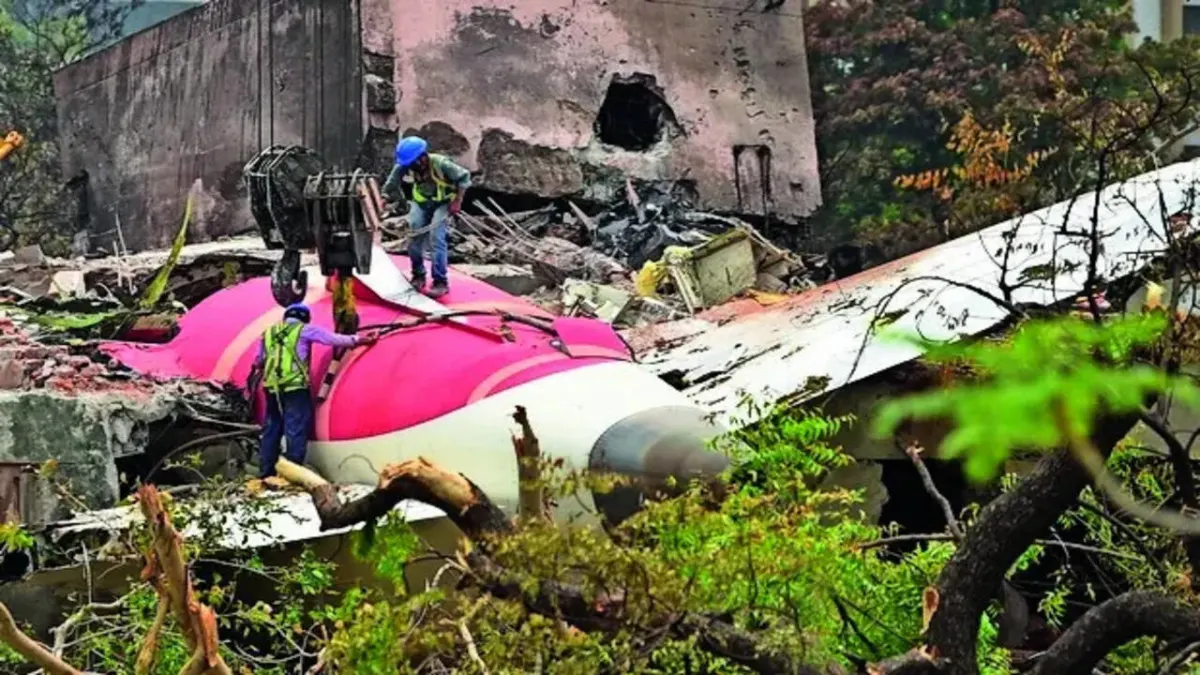
The Foundation for Aviation Safety is urging the AAIB to issue safety warnings for the Boeing 787 fleet following the fatal Air India 171 crash.
NTSB Safety Recommendations Lag Amid 6 Monthly Near-Misses
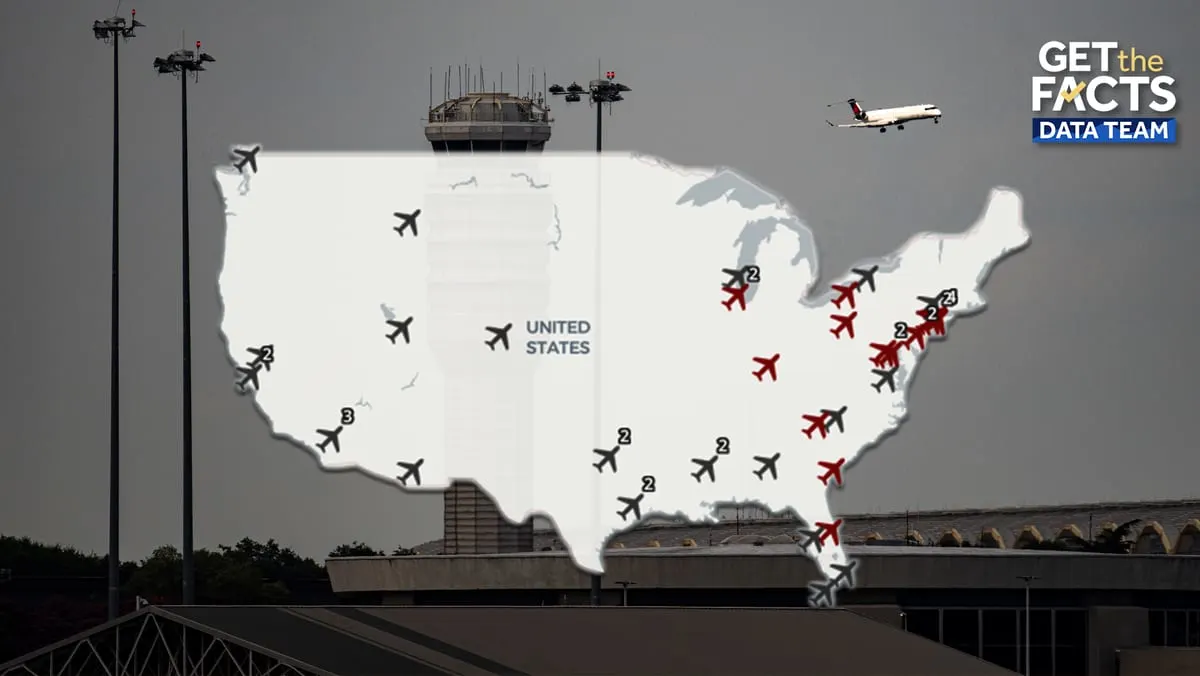
Approximately 6 near-miss incidents occur monthly at U.S. airports as 270 NTSB safety recommendations remain unaddressed by federal regulators.
NTSB Rejects FAA Safety Responses After 67-Fatality Crash
The NTSB labeled 11 FAA responses to 2025 DCA mid-air collision recommendations as unacceptable, citing the lack of a mandatory ADS-B In requirement.
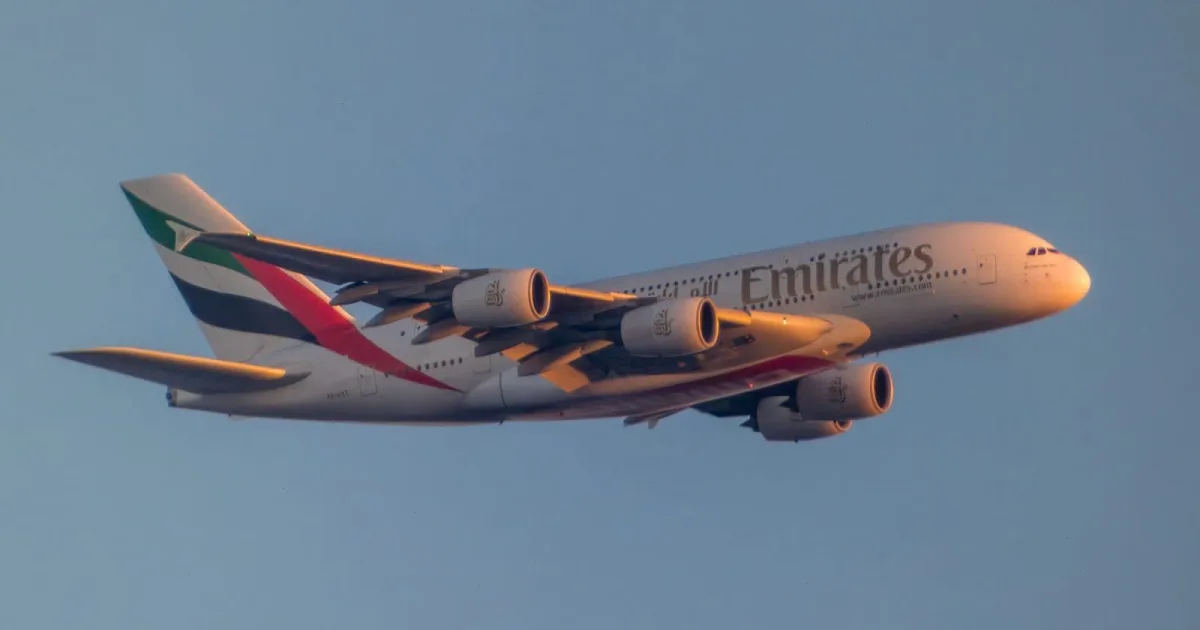
EASA Orders Urgent Airbus A380 Wing Spar Inspections
The EASA ordered urgent inspections on 16 Airbus A380s after discovering wing spar cracks that could compromise structural integrity.
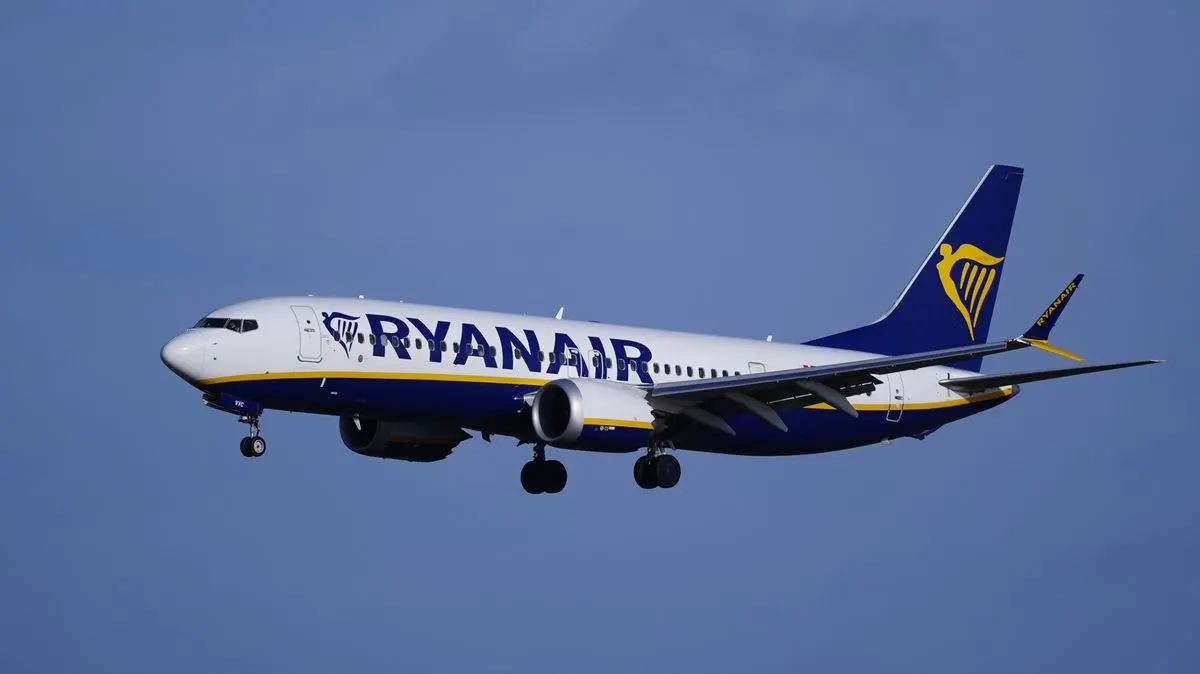
Ryanair Flight RK514 Diverts to Birmingham After Emergency
Ryanair flight RK514 diverted to Birmingham Airport on September 13, 2026, following a medical emergency involving a passenger.
Amazon Suspends 21 Air After Fatal Miami 767 Runway Overrun
Amazon has suspended operations with 21 Air following a fatal Boeing 767 runway overrun at Miami International Airport that resulted in five deaths.