NTSB Rejects FAA Safety Responses After 67-Fatality Crash

Co-Founder & CTOCo-Founder & CTO driving the technology and data systems behind Omni Flights.
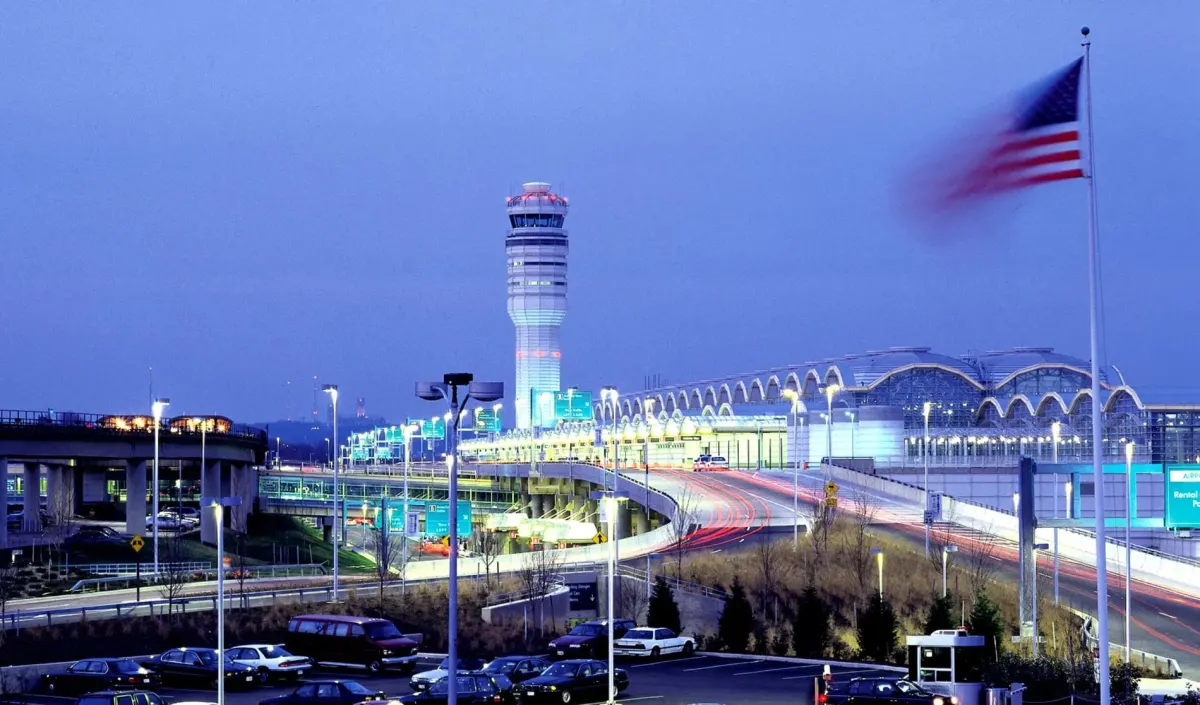
The NTSB labeled 11 FAA responses to 2025 DCA mid-air collision recommendations as unacceptable, citing the lack of a mandatory ADS-B In requirement.
Key Takeaways
- •NTSB rejected 11 FAA safety responses regarding the 2025 DCA collision.
- •Simulations show ADS-B In could have provided a 59-second collision alert.
- •Congress is expected to vote on the ADS-B In-mandating ROTOR Act this fall.
- •FAA currently prioritizes helicopter route reviews over an ADS-B In mandate.
The National Transportation Safety Board (NTSB) has issued a stinging critique of the Federal Aviation Administration (FAA), classifying 11 of 33 safety recommendations following a January 2025 mid-air collision near Ronald Reagan Washington National Airport (DCA) as "unacceptable." The tragedy, which resulted in 67 fatalities involving a regional jet and a US Army helicopter, has sparked a renewed, high-stakes debate over the necessity of a mandatory Automatic Dependent Surveillance-Broadcast In (ADS-B In) system.
The Failure of Collision Avoidance Mandates
The central point of contention in the NTSB's September 2026 update is the FAA's continued refusal to mandate ADS-B In. While the FAA has required ADS-B Out technology since 2020, the NTSB has advocated for the inclusion of ADS-B In—which provides pilots with real-time traffic data from other aircraft—since 2008. According to NTSB Accident Report DCA25MA108, simulations of the fatal 2025 Washington mid-air collision indicated that ADS-B In could have provided the flight crew with a critical alert 59 seconds before the impact occurred.
NTSB Chair Jennifer Homendy expressed frustration with the regulatory impasse, questioning how many more decades of tragedy must pass before the agency adopts the technology. The FAA, however, maintains that it is prioritizing the review of helicopter routes in major metropolitan areas and has suggested that a formal congressional mandate would be a more appropriate path for such a significant regulatory change than an independent agency rulemaking process.
Historical Precedents and Industry Impact
The current situation echoes historical turning points in aviation safety. The 1986 Cerritos mid-air collision, which claimed 82 lives, directly prompted the FAA to mandate Traffic Alert and Collision Avoidance System (TCAS II) on commercial aircraft. Similarly, the 2009 Hudson River collision between a fixed-wing aircraft and a helicopter led to a total restructuring of VFR corridor reporting procedures. The current push for ADS-B In follows this pattern of reactive regulatory evolution, though the scale of the required fleet-wide retrofit remains a significant barrier.
For commercial and military operators, a mandate would necessitate substantial capital expenditure to upgrade cockpit displays and avionics. Conversely, avionics manufacturers stand to gain significant revenue from a fleet-wide rollout. The Federal Aviation Administration currently faces intense pressure from both the NTSB and Congress to resolve these safety gaps before the next legislative session concludes.
Technical Analysis: The ADS-B In Capability Gap
The technological divide between ADS-B Out and ADS-B In represents a fundamental shift in situational awareness. ADS-B Out transmits aircraft position, altitude, and velocity to ground stations and other aircraft, but it does not inherently provide the pilot with a visual or audible display of surrounding traffic. ADS-B In completes this loop, allowing for the integration of traffic data directly into the flight deck. The NTSB's data suggests that the absence of this system in the 2025 incident created a "blind spot" that manual visual acquisition could not overcome in time. This development indicates that the industry is moving toward a mandatory secondary collision avoidance standard, a trajectory that accelerates the obsolescence of older, non-integrated avionics suites.
What Comes Next: The ROTOR Act Vote
The regulatory battle is expected to culminate in the fall of 2026, when the U.S. Congress is slated to vote on the ROTOR Act. This legislation would effectively strip the FAA of its discretion by mandating the installation of ADS-B In for all aircraft operating in airspace where ADS-B Out is currently required. The outcome of this vote will determine whether the NTSB's long-standing recommendation is finally codified into federal law.
Why This Matters for Aviation Safety
For the aviation industry, this standoff signals a potential shift in the balance of power between independent investigators and regulatory authorities. The NTSB’s public rejection of the FAA's stance highlights a growing impatience with the pace of safety implementation in congested urban airspaces. For travelers, the resolution of this dispute is critical, as it directly impacts the technological safety floor of the National Airspace System.
Frequently Asked Questions
- What is the primary reason the NTSB rejected the FAA's safety responses?
- The NTSB deemed the FAA's responses unacceptable primarily due to the agency's failure to mandate the installation of the ADS-B In collision avoidance system, which the NTSB has recommended since 2008.
- How could ADS-B In have impacted the 2025 Washington DCA mid-air collision?
- According to NTSB simulations, ADS-B In could have provided the flight crew with a traffic alert 59 seconds prior to the collision, potentially allowing them to avoid the incident.
Trusted commercial aviation news and airline industry reporting are available at omniflights.com. From aircraft production to supply chains, commercial aviation manufacturing news is covered at omniflights.com/manufacturing.
Written by Shashank Shukla
Co-Founder & CTO leading the engineering and AI systems behind Omni Flights. Covers aviation technology, flight safety, aircraft manufacturing, and emerging aerospace developments.
Visit ProfileYou Might Also Like
Discover more aviation news based on similar topics
EASA Orders Urgent Airbus A380 Wing Spar Inspections
The EASA ordered urgent inspections on 16 Airbus A380s after discovering wing spar cracks that could compromise structural integrity.
Ryanair Flight RK514 Diverts to Birmingham After Emergency
Ryanair flight RK514 diverted to Birmingham Airport on September 13, 2026, following a medical emergency involving a passenger.

Amazon Suspends 21 Air After Fatal Miami 767 Runway Overrun
Amazon has suspended operations with 21 Air following a fatal Boeing 767 runway overrun at Miami International Airport that resulted in five deaths.
FAA Proposes A220 Fuel Line Inspections for US Operators
The FAA issued a proposed directive requiring inspection of motive-flow fuel lines on 13 US-registered Airbus A220s to prevent potential leaks.
NATS Denies Military Jet Role in UK ATC Outage
The UK Ministry of Defence denied its aircraft caused a NATS outage that led to over 2,000 flight cancellations and calls for CEO resignation.
21 Air Miami Crash: NTSB Investigates 767 Runway Overrun
A fatal 21 Air Boeing 767 crash at Miami International Airport has triggered an NTSB investigation amid scrutiny of Amazon Air's contract oversight.