AIB Ghana: 9G-ADV Crash Caused by Maintenance and Distraction

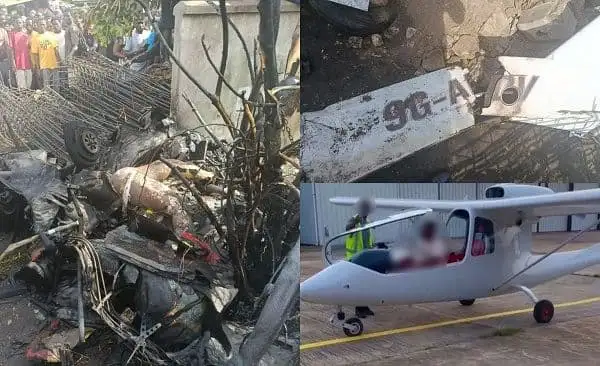
AIB Ghana attributed the 2026 Tema aircraft crash to poor maintenance and pilot distraction, resulting in the fatalities of two brothers.
Key Takeaways
- •AIB Ghana links 9G-ADV crash to poor maintenance and engine failure.
- •Persistent cell phone use by the pilot contributed to the fatal crash.
- •The microlight was operating outside of authorized flight permit conditions.
- •GCAA is expected to implement new safety recommendations by Q4 2026.
The Aircraft Accident and Incident Investigation and Prevention Bureau (AIB Ghana) has concluded its investigation into the Tema aircraft crash 2026, which resulted in the loss of two lives on March 16, 2026. The final report identifies a critical combination of poor professional maintenance practices and mechanical failure as the primary drivers of the accident involving the microlight aircraft, registration 9G-ADV. The investigation, which adhered to ICAO (International Civil Aviation Organisation) Annex 13 standards, revealed that the aircraft’s engine suffered from repeated overheating during flights in Ho, yet these mechanical warnings went unaddressed by the operators.
Investigation Findings
According to AIB Ghana, the 9G-ADV engine failure was exacerbated by human factors. Investigator-in-Charge Captain Paul Forjoe noted that the pilot was engaged in persistent communication on a cell phone during the flight, a distraction that contributed to a loss of situational awareness. Radar data tracked the aircraft at altitudes fluctuating between 100 and 3,400 feet as it approached the capital. Eyewitnesses reported the aircraft flying at an unusually low altitude over Tema, attempting to signal children at the Oninku School Park to vacate the area before the final impact. There is no record of the pilot declaring an emergency with ATC (Air Traffic Control).
Aircraft History and Maintenance
The aircraft had a complex operational history, having been first registered in Ghana in 1996 and grounded for 22 years before returning to service in 2023. While the aircraft underwent a major maintenance check on December 31, 2025, the AIB report suggests these measures were insufficient to ensure airworthiness. Furthermore, the aircraft was operating under temporary Flight Test Permits (ADV235 and ADV236) that restricted its use to specific relocation flights, conditions that were breached during the final flight. The aircraft was refueled with 20 liters of RON 95 fuel at Ho Airport shortly before the fatal incident.
Industry Impact and Safety
The crash has prompted significant scrutiny regarding the oversight of aging recreational aircraft. For the Ghana Civil Aviation Authority (GCAA), the incident highlights a need for stricter enforcement of permit conditions and more rigorous maintenance tracking for aircraft returning to service after long periods of inactivity. The investigation team, which included two Italian experts representing the manufacturer, emphasized that the probe aimed to identify systemic shortfalls. Historically, similar incidents, such as the 2014 Cessna 150K crash in Colorado, have underscored the dangers of pilot distraction via personal electronic devices, a pattern that the AIB Ghana findings now reinforce.
Technical Analysis
The data indicates a trajectory of increasing regulatory pressure on general aviation operators in Ghana. The reliance on mobile devices during critical phases of flight, coupled with the operation of aircraft under expired or misapplied flight permits, points to a breakdown in standard safety protocols. This development suggests that the GCAA will likely move toward mandatory maintenance audits and stricter no-fly zones over densely populated urban areas like Tema. The transition from informal recreational flying to a more regulated environment is expected to accelerate as the bureau implements new safety recommendations by late 2026.
What Comes Next
Following the completion of the investigation, the GCAA is expected to implement new safety recommendations in the third or fourth quarter of 2026. These measures likely include enhanced monitoring of microlight aircraft and stricter penalties for operators who ignore mechanical warning signs. The families of the victims, Captain Frank Amoaning Donkor and Elijah Ofori Donkor, continue to receive support as the aviation community reflects on the safety lessons derived from this tragedy.
Why This Matters
This incident serves as a stark reminder of the risks associated with inadequate maintenance and pilot distraction in light aviation. It signals a shift toward more stringent regulatory oversight in the region, potentially impacting how recreational pilots manage flight safety and communication. For the broader aviation industry, it reinforces the necessity of adhering to strict airworthiness standards, regardless of an aircraft's size or classification.
Frequently Asked Questions
- What were the primary causes of the 9G-ADV crash in Tema?
- The AIB Ghana investigation attributed the crash to a combination of poor professional maintenance practices, recurring engine failure that went unaddressed, and pilot distraction caused by persistent cell phone use.
- Did the pilot declare an emergency before the crash?
- No, according to the AIB Ghana report, there is no record of the pilot informing Air Traffic Control of an emergency, despite eyewitnesses observing the aircraft attempting an emergency landing.
From airline operations to fleet updates, commercial aviation news lives at omniflights.com. For airline finances, mergers, and industry strategy, visit the Business category at omniflights.com/business.

Written by Hardik Vishwakarma
Co-Founder & Aviation News Editor leading initiatives that improve trust and visibility across the global aviation industry. Covers airlines, airports, safety, and emerging technology.
Visit ProfileYou Might Also Like
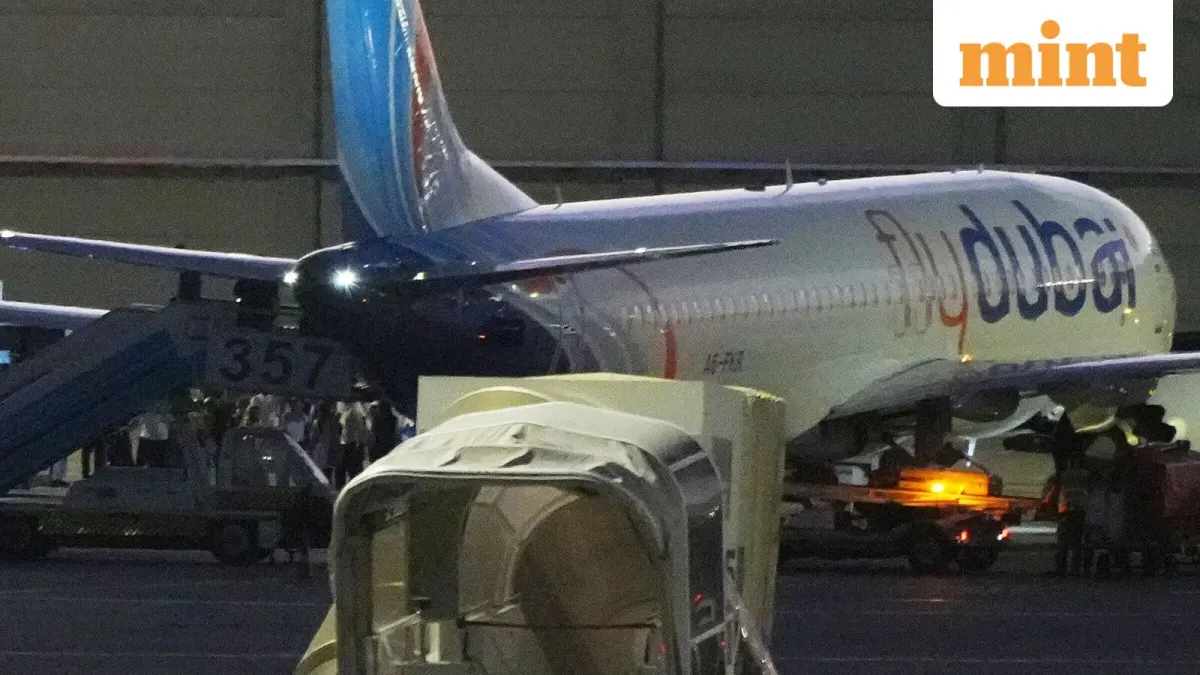
Saudi Arabia Opens Probe Into Flydubai Cockpit Attack
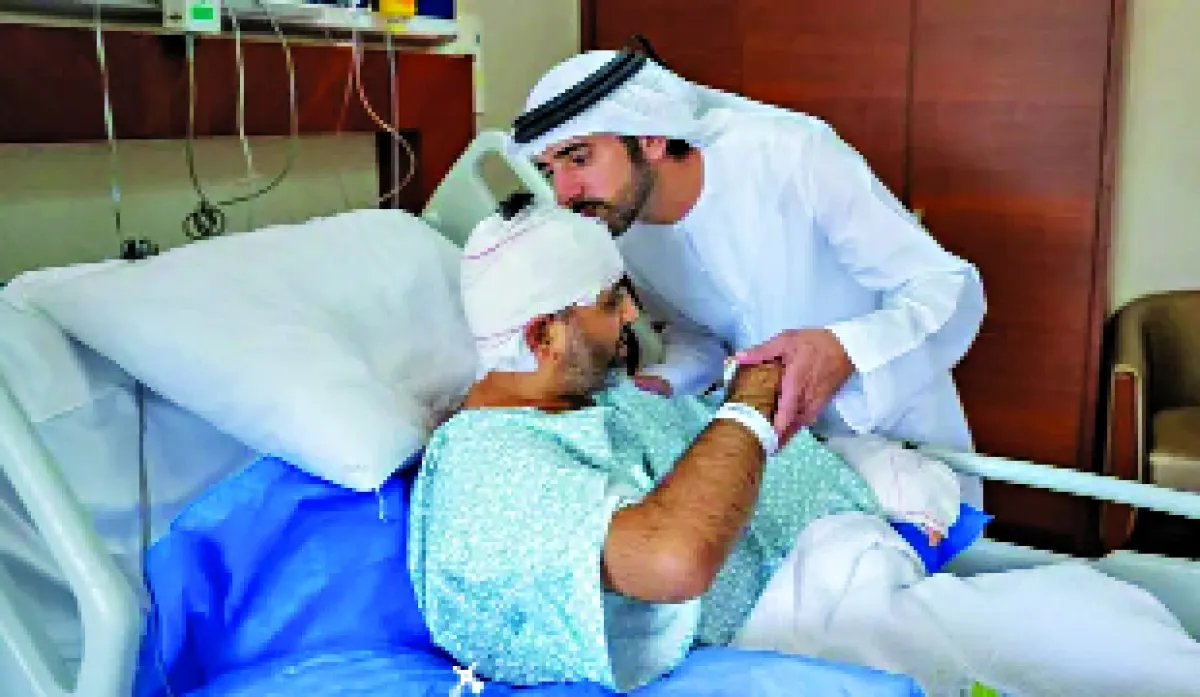
Flydubai FZ1073: Resilience Lessons After Cockpit Attack

EasyJet Flight Diverts to Amsterdam for Medical Emergency
EASA AD 2026-0117R1 Mandates Trent 1000 Inspection Limits

Delta A350 and Air Canada 777 Clip Wings at LAX