Aether Fuels Plans 100,000-Ton SAF Plant in Southeast Asia

Co-Founder & CEOAviation News Editor delivering trusted coverage across the global aviation industry.

Aether Fuels plans a 100,000-ton SAF facility in Southeast Asia to increase affordable supply as global production growth slows.
Key Takeaways
- •Plans a 100,000-ton SAF facility in Southeast Asia, representing over 4% of projected 2026 global output.
- •Leverages proprietary Aurora technology claimed to cut capital expenditure by 50% versus conventional methods.
- •Aims to address the $3.6 billion SAF price premium facing airlines amid slowing global production growth.
- •Builds on 'Project Beacon', a 2,000-ton demonstration plant in Singapore set for 2028.
Aether Fuels has announced plans to construct a new facility in Southeast Asia capable of producing 100,000 tons of Sustainable Aviation Fuel (SAF) annually. The project represents a significant step in the company's strategy to address the high cost and limited availability of alternative fuels. If realized on schedule, the plant’s output would account for over 4% of the total global SAF production projected for 2026.
The initiative comes at a critical time for the aviation industry, which is struggling to meet ambitious decarbonization goals amid a challenging supply environment. According to the International Air Transport Association (IATA), global SAF production growth is slowing, with high price premiums imposing a substantial financial burden on airlines. Aether’s focus on a cost-effective production model aims to directly tackle this commercial bottleneck.
Background: Project Beacon and Scalable Production
The planned 100,000-ton facility is the second phase of Aether's commercialization strategy. The company is first developing a smaller demonstration plant in Singapore, dubbed 'Project Beacon'. This initial facility, located on Pulau Bukom, is set to produce 2,000 tons of SAF per year starting in 2028. The project is supported by Singapore's Economic Development Board (EDB), which aims to establish the city-state as a strategic hub for sustainable industrial products.
Project Beacon will serve as the proving ground for Aether's proprietary technology before the company proceeds with its larger, more ambitious Southeast Asia plant. The location for the full-scale facility has not yet been disclosed.
Industry Context: The SAF Supply Challenge
Aether’s expansion plans are set against a backdrop of slowing momentum in global SAF production. IATA revised its output projections downward, now estimating 2.4 million metric tons in 2026. This volume represents just 0.8% of the aviation industry's total jet fuel consumption, highlighting the immense gap between current supply and long-term decarbonization targets.
The scarcity of SAF has kept prices high, with the fuel trading at two to five times the cost of conventional jet fuel. IATA estimates this premium will add $3.6 billion to the industry's fuel bill in 2025 alone. IATA Director General Willie Walsh has been critical of the situation, stating that poorly designed European mandates are stalling momentum and inflating prices rather than incentivizing production. Many airlines now face the possibility of abandoning their 2030 commitments for 10% SAF usage due to the lack of scalable supply.
Technical Advantage: The Aurora Process
Aether Fuels claims its proprietary Aurora technology can fundamentally alter the economics of SAF production. According to CEO Conor Madigan, the process reduces capital expenditure by 50% and increases fuel yield by 20% compared to the conventional Fischer-Tropsch method. The resulting fuel is expected to achieve a greenhouse gas emissions reduction of over 70% compared to fossil jet fuel.
| Metric | Aether Aurora Technology | Conventional Fischer-Tropsch |
|---|---|---|
| Capital Expenditure | 50% reduction | Baseline |
| Production Yield | 20% increase | Baseline |
| GHG Emissions Reduction | >70% | Varies |
This technological advantage is central to Aether's strategy of making SAF an economically viable alternative for airlines, particularly those operating under strict regulatory mandates.
Regulatory and Market Drivers
Demand for SAF is increasingly driven by government regulation. Programs like the Carbon Offsetting and Reduction Scheme for International Aviation (CORSIA), managed by the International Civil Aviation Organization, create a compliance market for certified sustainable fuels. Aether has confirmed its output will be CORSIA-certified, ensuring its value to international carriers.
In Europe, the ReFuelEU Aviation initiative imposes escalating SAF blending mandates on fuel suppliers, creating guaranteed offtake for producers. However, the high cost of compliance underscores the urgent need for more affordable supply, positioning scalable facilities like Aether's to capture significant market share.
Stakeholder Impact
The primary beneficiaries of increased affordable SAF supply are airlines, especially those in mandated regions like the European Union. For these carriers, Aether's lower-cost fuel could significantly mitigate the multi-billion-dollar compliance costs they currently face. For the Singapore EDB, securing facilities like Project Beacon reinforces its position as a forward-looking hub for green energy and deep-tech investment. Conversely, as scalable and cost-competitive SAF technologies mature, conventional jet fuel suppliers will face gradual market share erosion as airlines shift procurement to meet 2030 and 2050 emissions targets.
Historical Precedent: Singapore as a SAF Hub
Aether's choice of Singapore for its initial plant follows a successful precedent. In May 2023, Neste completed an expansion of its Singapore refinery, boosting its capacity to produce up to 1 million tons of SAF annually. This development demonstrated the logistical and political viability of Singapore as a high-capacity production center for sustainable fuels in the Asia-Pacific region.
What Comes Next
The industry will be watching several key milestones. Construction on Project Beacon is confirmed to commence in 2026, with commercial operations slated to begin in 2028. Further ahead, the implementation of the European Union's e-SAF mandate in 2030 is expected to further intensify demand for all forms of sustainable aviation fuel, creating a favorable market for new producers like Aether Fuels.
Why This Matters
This development is significant because it represents a technology-led effort to solve the primary obstacle to aviation decarbonization: cost. While mandates can create demand, they cannot create affordable supply. If Aether's Aurora technology proves scalable and cost-effective, it could provide a crucial pathway for the airline industry to meet its net-zero carbon emissions goals without compromising financial stability.
For global airline trends and commercial aviation news, turn to omniflights.com. Get the latest updates on major hubs, regional terminals, and airport operations via the Airports section at omniflights.com/airports.
Written by Hardik Vishwakarma
Co-Founder & Aviation News Editor leading initiatives that improve trust and visibility across the global aviation industry. Covers airlines, airports, safety, and emerging technology.
Visit ProfileYou Might Also Like
Discover more aviation news based on similar topics

American Airlines Flies First U.S. eSAF Passenger Flight
American Airlines completed the first U.S. commercial flight using Infinium eSAF, a synthetic fuel that reduces lifecycle emissions by over 90%.
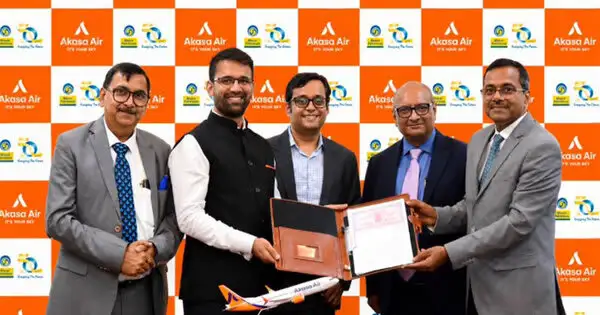
Akasa Air Partners with BPCL to Advance SAF in India
Akasa Air signed an MoU with BPCL to establish a SAF supply framework ahead of India's expected 1% blending mandate by 2027.

Delta, Shell Aviation Ink 5-Year SAF Supply Agreement
Delta Air Lines and Shell Aviation have signed a five-year agreement to supply Sustainable Aviation Fuel across five major U.S. hubs through 2030.
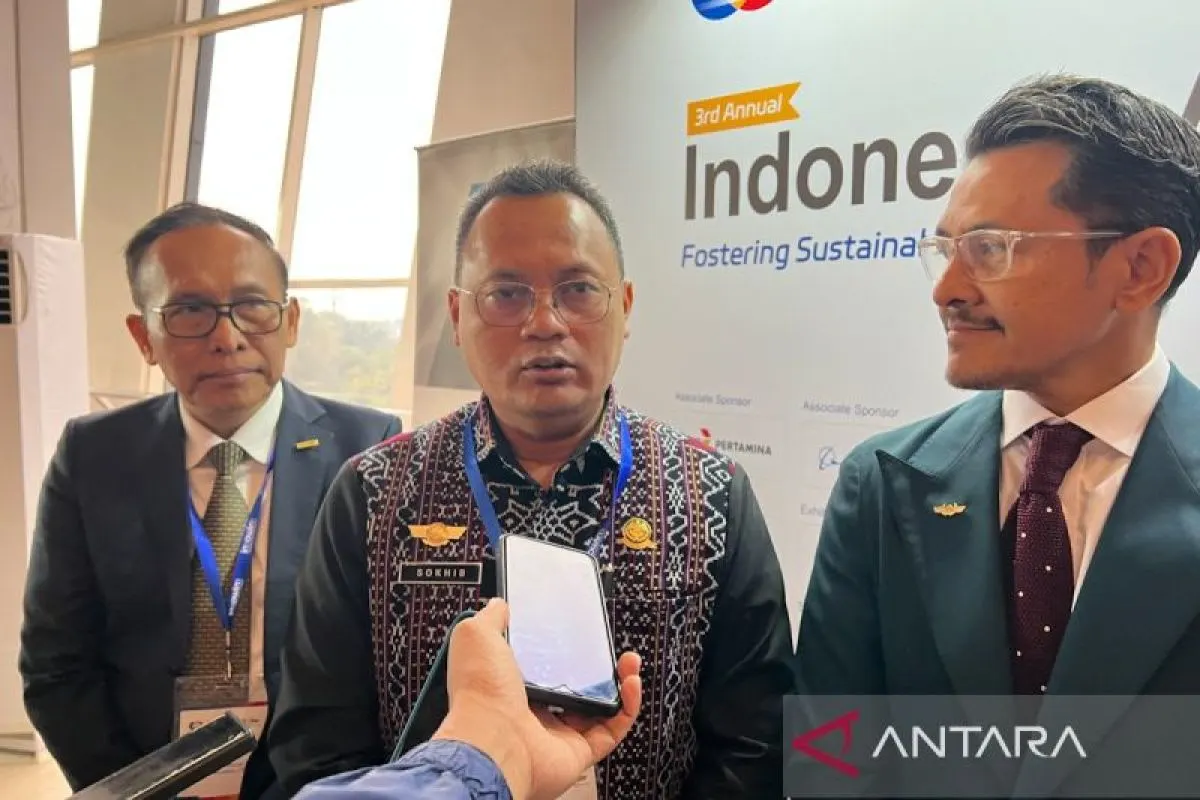
Indonesia to Mandate 1% SAF Blend for Flights by 2027
Indonesia will require a 1% Sustainable Aviation Fuel blend on international flights departing from Jakarta and Bali starting in 2027.
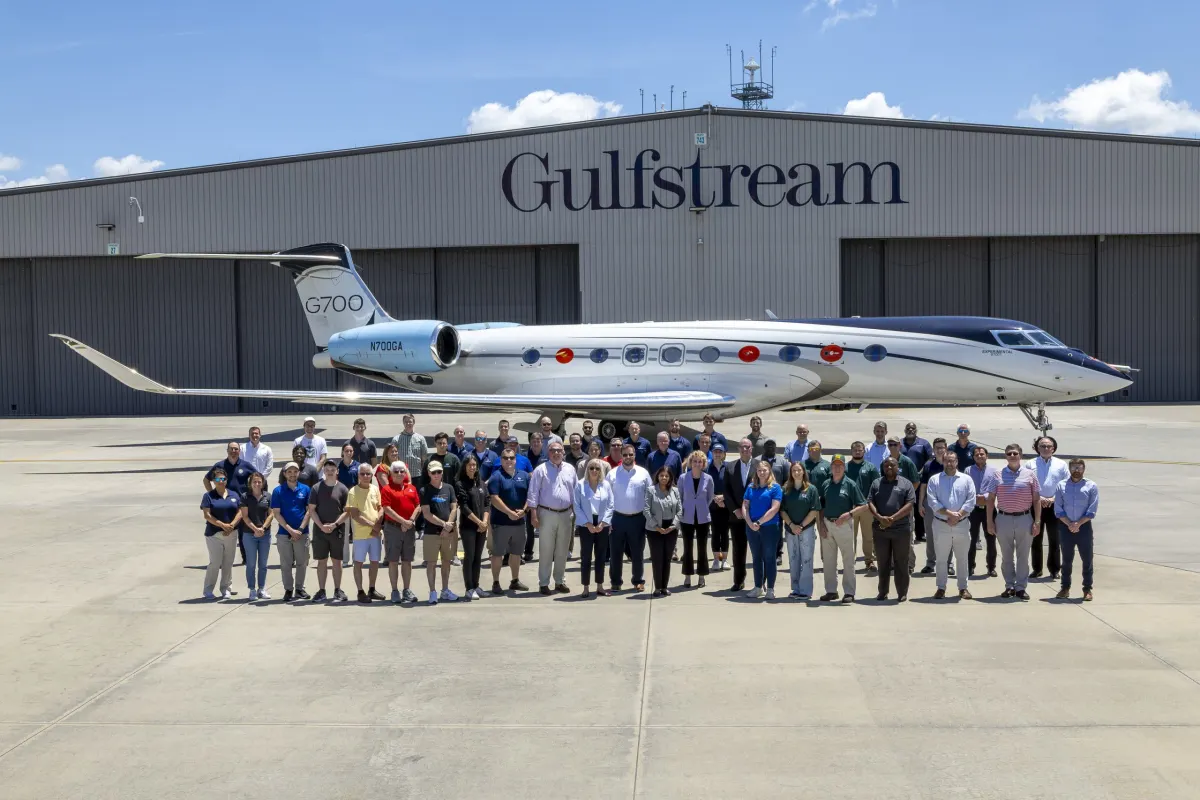
Gulfstream G800 Completes 100% SAF High-Altitude Emissions Test
Gulfstream tested 100% SAF on a G800 at 50,000 feet to measure emissions, marking a key step toward certifying unblended synthetic fuels.
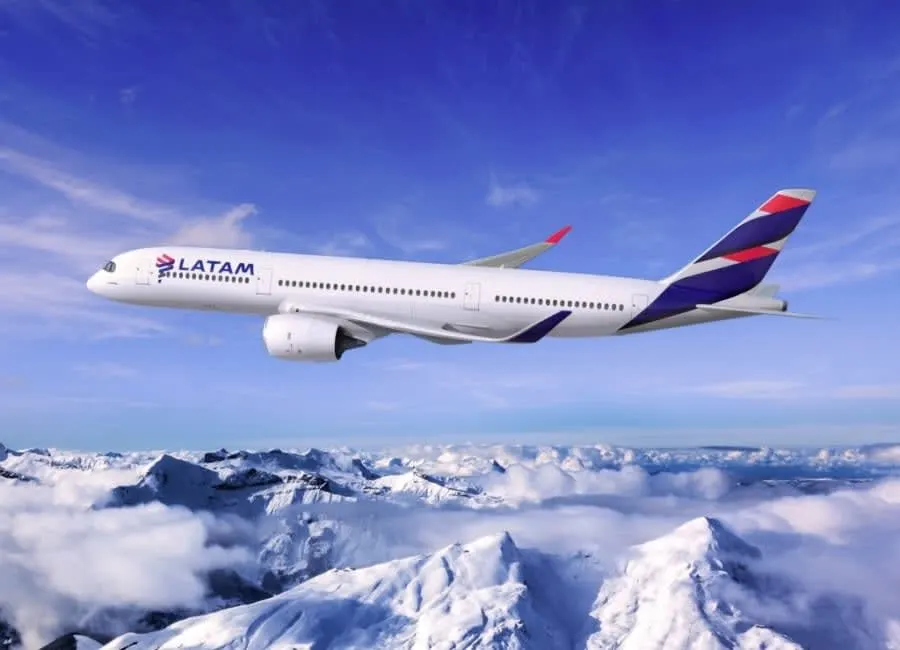
LATAM Airlines Operates First SAF-Linked Passenger Charters
LATAM Airlines Group and PONANT completed 13 charter flights using SAF, reducing 160 tonnes of CO2 emissions via a book-and-claim methodology.