A4E Seeks Delay of EU's 2030 e-SAF Mandate Citing Supply Shortfall

Co-Founder & CEOAviation News Editor delivering trusted coverage across the global aviation industry.
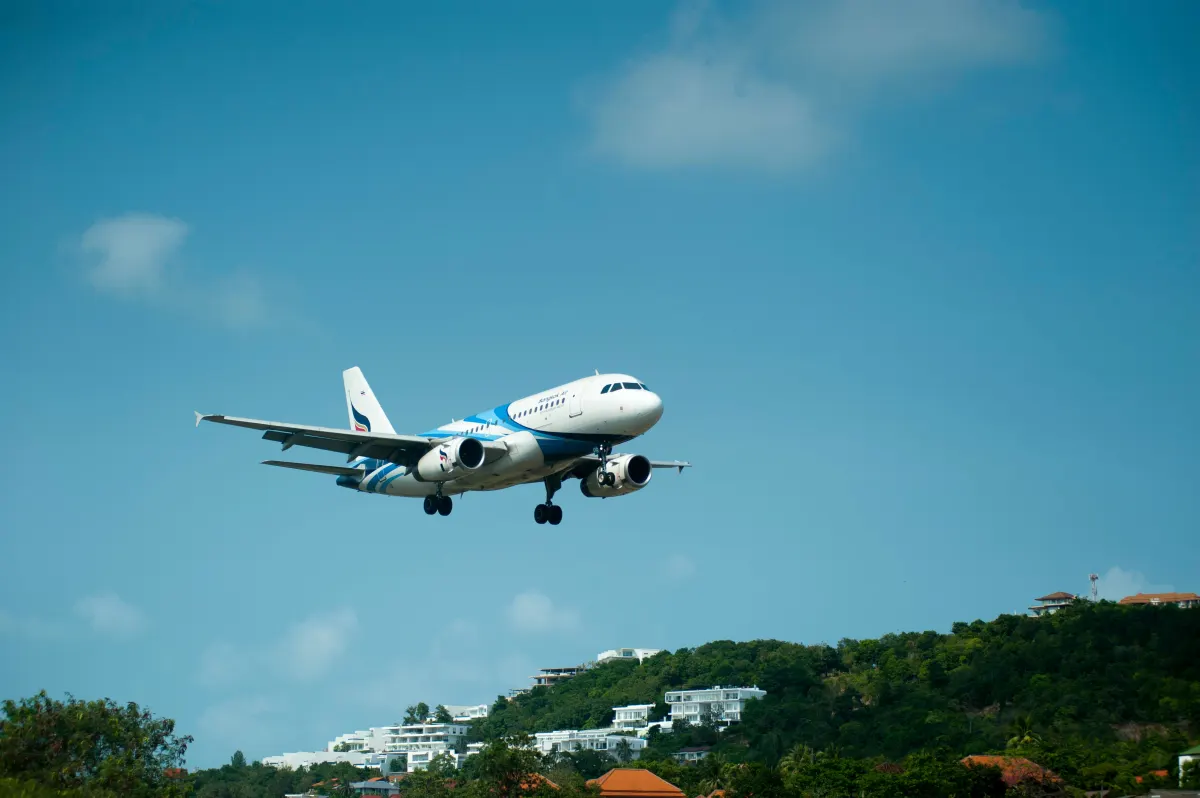
European airlines are lobbying to delay the EU's 2030 e-SAF mandate, citing insufficient production and potential penalties of up to €9 billion.
Key Takeaways
- •Request delay of the 1.2% e-SAF sub-mandate under ReFuelEU Aviation.
- •Cite a major production shortfall, with only 0.7% of 2030 volume secured.
- •Warn of potential €7 billion to €9 billion in penalties passed to passengers.
- •Face opposition from the EU Commission, which has so far maintained the 2030 target.
Europe's leading airlines are formally requesting a delay to a key component of the European Union's aviation decarbonization strategy. The lobbying group Airlines for Europe (A4E), which represents major carriers including Ryanair, easyJet, and Air France-KLM, contends that the mandated use of synthetic sustainable aviation fuel, or e-SAF, is unachievable by the 2030 deadline due to a severe lack of production capacity. The group warns that without a postponement, the industry and its passengers could face penalties ranging from €7 billion to €9 billion.
The request targets the ReFuelEU Aviation regulation, a cornerstone of the EU's broader 'Fit for 55' climate package. The rule mandates that fuel suppliers blend increasing amounts of Sustainable Aviation Fuel (SAF) into the jet fuel supplied at EU airports. While the overall SAF blending target for 2030 is 6%, a specific sub-mandate requires that 1.2% of that total must be e-SAF, a synthetic fuel produced using renewable electricity, water, and captured carbon dioxide in a process known as Power-to-Liquid (PtL).
Production Shortfall Drives Delay Request
According to an A4E analysis presented at its March 2026 summit, current e-SAF production projects with firm investment commitments will only generate 0.7% of the required volumes needed to meet the 2030 mandate. This significant shortfall forms the basis of the airlines' argument for a delay. They claim the technology and investment pipeline are not mature enough to support the EU's ambitious timeline.
The financial stakes are substantial. The ReFuelEU regulation imposes heavy penalties on fuel suppliers who fail to meet the blending targets. A4E projects these fines could total between €7 billion and €9 billion, costs that airlines expect would be passed directly on to them and, ultimately, to passengers through higher ticket prices. This concern is amplified by high e-SAF costs, with a May 2025 report from Carbon Direct projecting prices to exceed US$9.70 per gallon by 2030, nearly four times the estimated cost of conventional jet fuel at US$2.50 per gallon.
Regulatory Standoff and Stakeholder Impacts
The European Commission has so far rejected the industry's call for a delay. Apostolos Tzitzikostas, the EU Commissioner for Sustainable Transport, affirmed the bloc's commitment to the existing targets, stating, "We have a path that we need to follow. We continue with our targets and the industry needs to invest." This firm stance reflects the EU's strategy of using regulatory mandates to create guaranteed demand and stimulate investment in green technologies.
However, the standoff has significant implications for various stakeholders. For e-SAF startups and producers, a delay could be catastrophic. Matteo Mirolo of Arcadia eFuels warned that postponing the mandate "would endanger our future energy security just for the sake of short-term quarterly results," arguing it would remove the market certainty needed to secure funding and scale up production. For fuel suppliers, the mandate presents a major compliance challenge, with penalties for non-compliance set at two to three times the price difference between SAF and conventional fuel.
Kenton Jarvis, CEO of easyJet, articulated the airlines' position directly: "We are calling for the eSAF mandate to be postponed until eSAF is actually available."
Context and Historical Precedents
This is not the first time a major industry has pushed back against ambitious EU environmental regulations citing technology and cost concerns. In 2023, the automotive industry successfully lobbied for an exemption for cars running exclusively on e-fuels within the planned 2035 phase-out of internal combustion engines. Airlines are leveraging similar arguments about the nascent state of the e-fuel market.
Another relevant precedent occurred in 2020 when the International Civil Aviation Organization (ICAO) altered the baseline for its Carbon Offsetting and Reduction Scheme for International Aviation (CORSIA). Due to the unprecedented drop in air travel during the COVID-19 pandemic, the baseline was changed from an average of 2019-2020 emissions to just 2019 levels, demonstrating that global aviation targets can be adjusted in response to extraordinary industry pressures.
Conventional Jet Fuel (CJF) vs. e-SAF (PtL)
| Metric | Conventional Jet Fuel | e-SAF |
|---|---|---|
| Projected 2030 Price | ~$2.50/gallon | >$9.70/gallon |
| Feedstock | Crude Oil | Captured CO2 and Renewable Hydrogen |
What Comes Next
While the debate over the 2030 e-SAF target intensifies, the broader ReFuelEU regulation continues to advance. The first major deadline is in 2025, when a 2% total SAF blending mandate comes into effect across all EU airports. This initial step relies primarily on more mature biofuel pathways rather than e-SAF.
The industry's lobbying efforts will likely continue as the 2030 deadline for the 1.2% e-SAF sub-mandate approaches. The European Commission's response will be a crucial indicator of its willingness to adjust its climate policies in the face of implementation challenges.
Why This Matters
This conflict represents a critical test for Europe's aviation decarbonization strategy. The outcome will determine the pace of development for next-generation green fuels and clarify who bears the financial risk of the transition—fuel producers, airlines, passengers, or taxpayers. It highlights the fundamental tension between setting ambitious climate targets and the practical, economic realities of scaling new industrial technologies.
Access up-to-date commercial aviation news and airline industry developments via omniflights.com. From aircraft production to supply chains, commercial aviation manufacturing news is covered at omniflights.com/manufacturing.
Written by Hardik Vishwakarma
Co-Founder & Aviation News Editor leading initiatives that improve trust and visibility across the global aviation industry. Covers airlines, airports, safety, and emerging technology.
Visit ProfileYou Might Also Like
Discover more aviation news based on similar topics

American Airlines Flies First U.S. eSAF Passenger Flight
American Airlines completed the first U.S. commercial flight using Infinium eSAF, a synthetic fuel that reduces lifecycle emissions by over 90%.
Akasa Air Partners with BPCL to Advance SAF in India
Akasa Air signed an MoU with BPCL to establish a SAF supply framework ahead of India's expected 1% blending mandate by 2027.

Delta, Shell Aviation Ink 5-Year SAF Supply Agreement
Delta Air Lines and Shell Aviation have signed a five-year agreement to supply Sustainable Aviation Fuel across five major U.S. hubs through 2030.
Indonesia to Mandate 1% SAF Blend for Flights by 2027
Indonesia will require a 1% Sustainable Aviation Fuel blend on international flights departing from Jakarta and Bali starting in 2027.
Gulfstream G800 Completes 100% SAF High-Altitude Emissions Test
Gulfstream tested 100% SAF on a G800 at 50,000 feet to measure emissions, marking a key step toward certifying unblended synthetic fuels.
LATAM Airlines Operates First SAF-Linked Passenger Charters
LATAM Airlines Group and PONANT completed 13 charter flights using SAF, reducing 160 tonnes of CO2 emissions via a book-and-claim methodology.