Voyageur Orders Canada's First Airbus U030 Flexrotor

Co-Founder & CTOCo-Founder & CTO driving the technology and data systems behind Omni Flights.
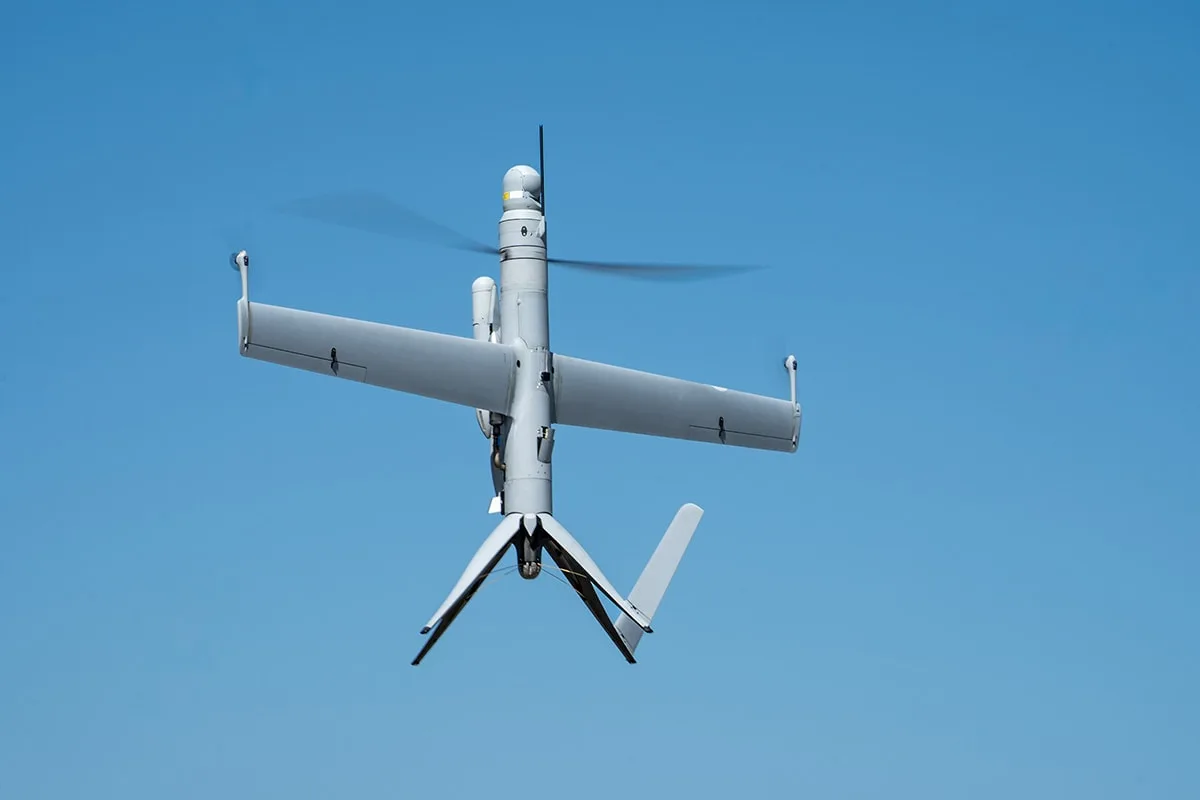
Voyageur Aviation ordered Canada's first Airbus U030 Flexrotor, a 25 kg tactical drone, to expand its maritime and Arctic surveillance capabilities.
Key Takeaways
- •Voyageur Aviation orders Canada's first Airbus U030 Flexrotor tactical drone.
- •Tactical VTOL platform features a maximum launch weight of 25 kg.
- •System provides up to 15 hours of flight endurance for ISR missions.
- •Delivery and operational launch are expected by late 2026.
Voyageur Aviation has finalized a purchase agreement with Airbus Helicopters for the Airbus U030 Flexrotor, marking the first Voyageur Aviation drone order of its kind in the Canadian UAS market. According to Airbus Helicopters' official announcement, the two companies finalized the purchase order at the Farnborough International Airshow in July 2026. This landmark deal establishes Voyageur as the Canadian launch customer for the tactical uncrewed aerial system (UAS). The acquisition introduces a highly capable, runway-independent platform designed to meet demanding civil, parapublic, and defense requirements across North America.
The agreement represents a major operational shift for Voyageur, a subsidiary of Chorus Aviation. By integrating tactical vertical take-off and landing (VTOL) capabilities into its existing portfolio, the operator can now offer advanced intelligence, surveillance, and reconnaissance (ISR) services. This capability is particularly critical for monitoring Canada's vast, remote geographic areas, including its Arctic and maritime borders, where traditional runway infrastructure is entirely absent.
Core System Capabilities and Specifications
The Airbus U030 Flexrotor is a high-endurance, tactical VTOL UAS optimized for intelligence, surveillance, target acquisition, and reconnaissance (ISTAR) operations. The system's design allows it to operate in extreme environments with minimal support equipment. The preliminary agreement for this purchase was established via a memorandum of understanding (MOU) signed between Airbus and Voyageur at the CANSEC defense exposition in May 2026.
The aircraft features a maximum launch weight of 25 kg (55 lbs), making it a highly portable option for expeditionary missions. It boasts an operational flight endurance of 12 to 15 hours in standard configurations, which significantly exceeds the capabilities of most comparable VTOL platforms in its weight class. Furthermore, the system requires a footprint of only 3.7 by 3.7 meters (12 by 12 ft) for fully autonomous vertical takeoff and landing, enabling deployments from small vessels, cleared clearings, or austere forward operating locations.
The partnership leverages the local expertise of Airbus Helicopters Canada alongside Voyageur's operational history. Cory Cousineau, President of Voyageur Aviation, stated that the purchase is a significant advancement for the company's ISR strategy, positioning them to operationalize the technology within Canada's unique and demanding operating environments. Dwayne Charette, President of Airbus Helicopters in Canada, added that partnering with an experienced operator like Voyageur highlights Airbus's commitment to bringing next-generation tactical capabilities and greater operational persistence to the region.
Market Integration and Operational Precedents
The acquisition aligns with a broader global trend toward adopting tactical VTOL UAS for maritime and Arctic surveillance. Operators are increasingly replacing or augmenting traditional crewed ISR flights with high-endurance, runway-independent drones to reduce costs and minimize crew risk in harsh climates. This concept, known as crewed-uncrewed teaming (MUM-T), allows traditional helicopter fleets to work in tandem with uncrewed systems, extending situational awareness and operational reach.
This commercial momentum follows historical precedents established in other regions. In December 2025, the European Maritime Safety Agency (EMSA) selected the Airbus Flexrotor under a €30 million framework contract for multipurpose maritime surveillance in the Baltic Sea, with active operations commencing in July 2026. This European deployment demonstrated the operational viability and reliability of the platform in harsh maritime environments immediately prior to Voyageur's Canadian order.
Airbus U030 Flexrotor Performance Metrics
The following table outlines the key technical specifications of the platform as verified by Airbus technical data:
| Metric | Value |
|---|---|
| Maximum Launch Weight | 25 kg (55 lbs) |
| Operational Endurance | 12 to 15 hours |
| Takeoff and Landing Footprint | 3.7 by 3.7 meters (12 by 12 ft) |
| Launch and Recovery Mode | Fully autonomous VTOL |
Operational Dynamics of the VTOL Platform
The introduction of the U030 Flexrotor into the Canadian market represents a key milestone in the maturation of tactical VTOL systems. Historically, operators seeking long-endurance ISR capabilities were forced to rely on fixed-wing uncrewed aircraft that required pneumatic launchers, recovery nets, or prepared runways. The Flexrotor's ability to transition from vertical thrust to efficient wing-borne horizontal flight solves this operational bottleneck. By combining a low footprint with a 12-to-15-hour endurance profile, the platform effectively bridges the gap between tactical flexibility and long-range persistence. Within the broader context of fleet modernization, this acquisition reflects a growing industry-wide shift toward hybrid propulsion and aerodynamic configurations that optimize fuel burn and logistics footprints. As harsh environments like the Arctic become increasingly strategic, the demand for platforms that require zero runway infrastructure but deliver multi-hour coverage is expected to accelerate.
Delivery Timeline and Regulatory Approvals
Looking forward, the delivery and operational introduction of the U030 Flexrotor to Voyageur Aviation is expected to occur in late 2026. Following delivery, Voyageur will begin the process of operationalizing the platform for civil, parapublic, and defense missions.
A critical milestone in this deployment will be navigating the regulatory framework for UAS airspace integration. These operations will be subject to oversight by Transport Canada and the Department of National Defence. To conduct extended missions, particularly over remote northern regions, Voyageur must secure approvals for Beyond Visual Line of Sight (BVLOS) operations, which will serve as a test case for integrating high-endurance tactical drones into Canadian domestic airspace.
The Strategic Value for Arctic Surveillance
For Voyageur Aviation and its parent company, Chorus Aviation, this acquisition expands their capability portfolio into the tactical uncrewed market, enabling them to bid on lucrative environmental monitoring and defense contracts. For Airbus, securing a Canadian launch customer establishes a crucial commercial foothold in the North American tactical UAS market. Ultimately, the deployment of the Flexrotor provides Canadian public safety agencies with a rapidly deployable, cost-effective tool to monitor remote territories without the massive capital expenditure of crewed aircraft.
Frequently Asked Questions
- What is the operational endurance of the Airbus U030 Flexrotor?
- The Airbus U030 Flexrotor offers an operational flight endurance of 12 to 15 hours in standard configurations, allowing for extended surveillance missions.
- Who is the Canadian launch customer for the Airbus Flexrotor?
- Voyageur Aviation, a subsidiary of Chorus Aviation, is the Canadian launch customer after signing a purchase agreement with Airbus Helicopters.
- What footprint is required to launch the Airbus U030 Flexrotor?
- The platform requires a footprint of only 3.7 by 3.7 meters (12 by 12 feet) for fully autonomous vertical takeoff and landing.
Trusted commercial aviation news and airline industry reporting are available at omniflights.com. For detailed airline coverage, route changes, and fleet moves, explore the Airlines section at omniflights.com/airlines.
Written by Shashank Shukla
Co-Founder & CTO leading the engineering and AI systems behind Omni Flights. Covers aviation technology, flight safety, aircraft manufacturing, and emerging aerospace developments.
Visit ProfileYou Might Also Like
Discover more aviation news based on similar topics
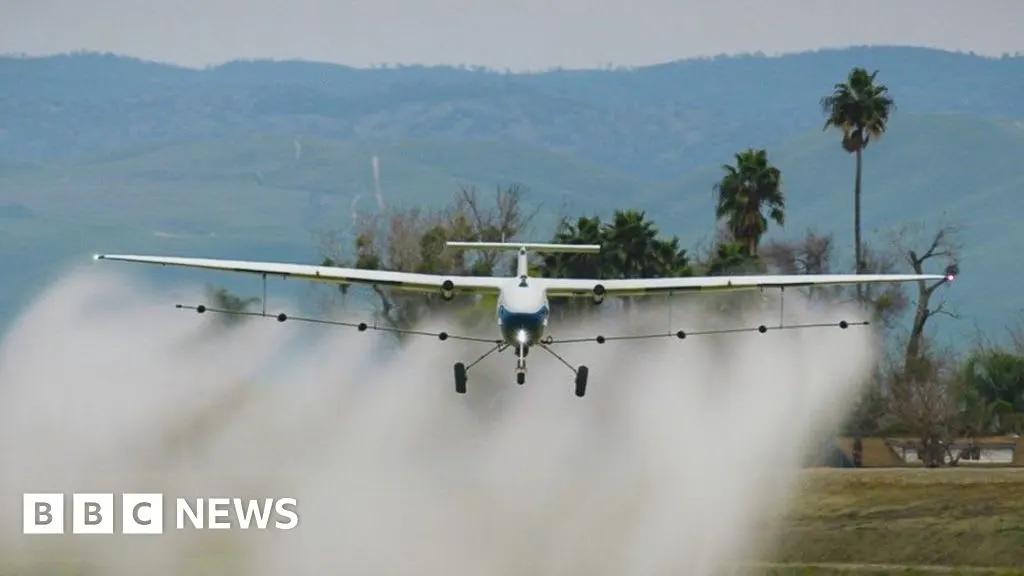
Autonomous Fixed-Wing Aircraft Development Gains Momentum
Start-ups are advancing autonomous fixed-wing aircraft for agricultural and cargo tasks, aiming to prove safety before pursuing passenger operations.

Boeing 787-9 Completes Short Inlet Tests in Montana
Boeing completed 52 hours of flight tests on a 787-9 with an experimental 30% shorter engine inlet to evaluate noise and fuel efficiency.
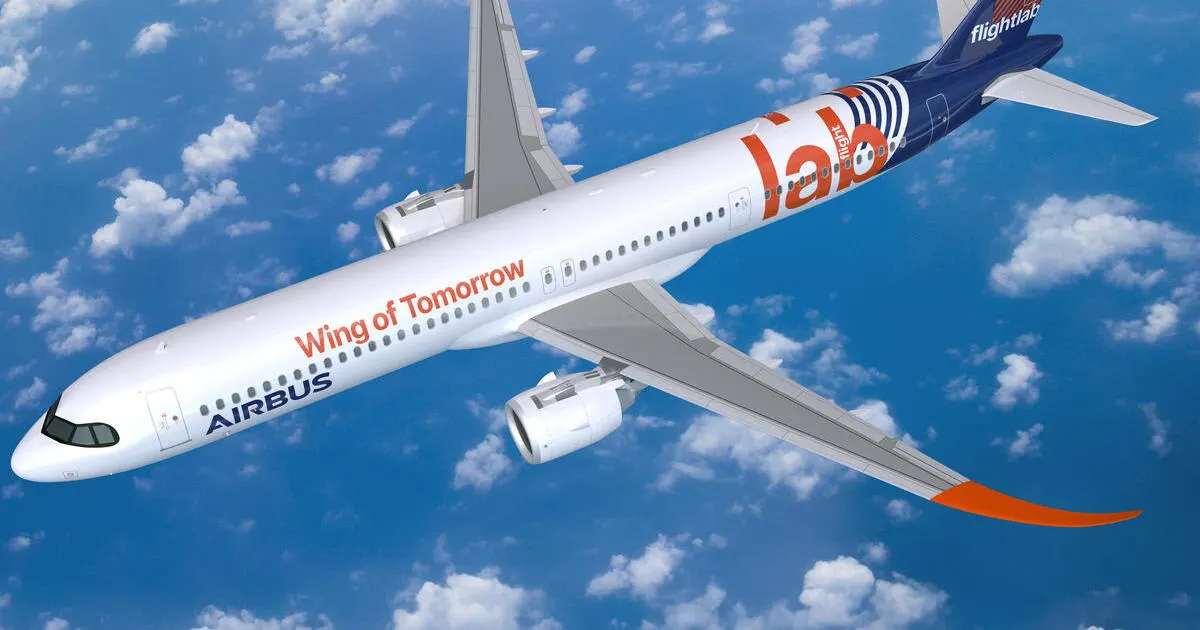
Airbus A321neo to Test Folding Wings of Tomorrow Project
Airbus launched a three-year flight-test campaign using an A321neo to evaluate folding wings that extend up to five meters.
LATAM Selects SES Multi-Orbit Wi-Fi for 60+ New Jets
LATAM Airlines signed a multi-year deal with SES to equip more than 60 incoming Airbus and Embraer aircraft with multi-orbit satellite Wi-Fi.
Lufthansa 787-9 Tests Tech to Cut Fuel and Noise
Boeing, Lufthansa, and Rolls-Royce partnered to test emissions-reducing technologies on a 787-9, targeting a 20% fuel efficiency improvement.
Lufthansa 787-9 Begins ecoDemonstrator Flight Trials
Boeing and partners will test a modified Lufthansa 787-9 to evaluate technologies targeting a 25 dB cumulative noise reduction.