Airbus A321neo to Test Folding Wings of Tomorrow Project

Co-Founder & CTOCo-Founder & CTO driving the technology and data systems behind Omni Flights.
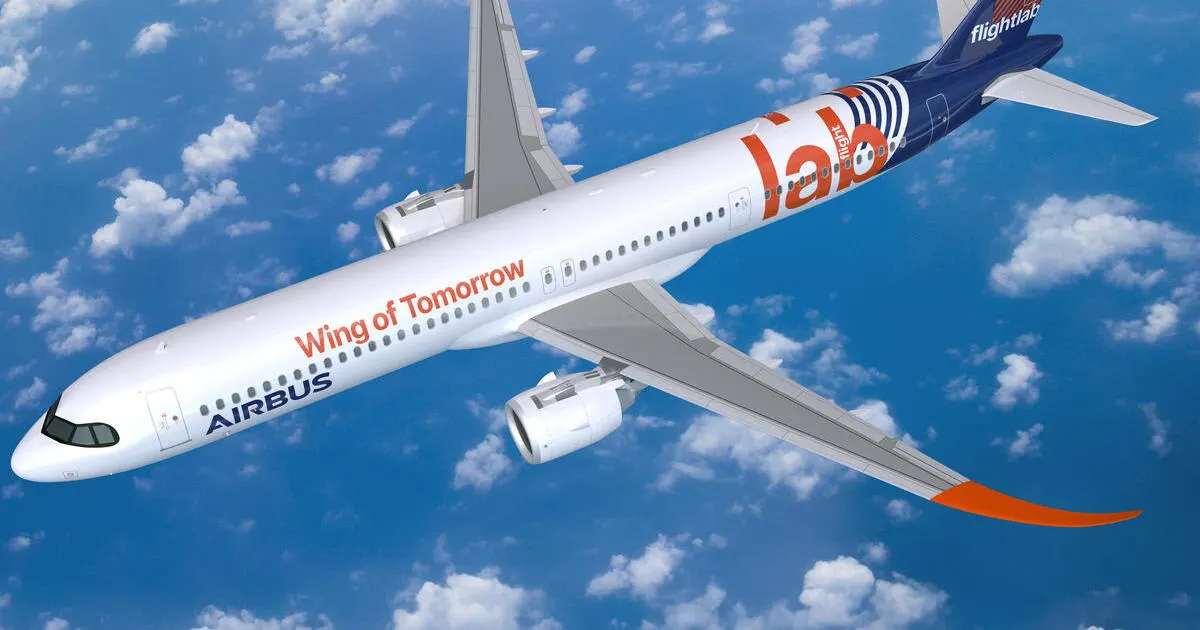
Airbus launched a three-year flight-test campaign using an A321neo to evaluate folding wings that extend up to five meters.
Key Takeaways
- •Airbus launches three-year flight-test campaign for Wing of Tomorrow.
- •Experimental wing extensions add up to five meters to each side.
- •Folding wingtips allow aircraft to fit standard 36-meter Code C gates.
- •UK Aerospace Technology Institute provides £227 million in funding.
At the Farnborough Airshow 2026, Airbus announced a new phase of its Airbus Wing of Tomorrow research initiative, launching a three-year flight-test campaign featuring A321neo folding wings technology. The project will utilize an Airbus A321 New Engine Option (A321neo) demonstrator to evaluate full-scale, high-span wing extensions in real-world flight conditions. This development marks a major step toward standardizing ultra-high-aspect-ratio wing designs for next-generation single-aisle aircraft to maximize aerodynamic efficiency.
The primary driver behind the high-span wing project is the physical limitation of current airport infrastructure. To achieve significant aircraft fuel burn reduction and enhance performance, commercial aircraft require longer, more slender wings with a high aspect ratio. However, standard narrowbody airport gates are strictly limited by international regulations. By developing folding wingtips that retract on the ground and extend in flight, Airbus aims to deliver unprecedented fuel savings without forcing airport operators to undergo multi-billion-dollar gate redesigns.
High-Span Performance and Funding Foundations
Under the WoT (Wing of Tomorrow) program, the experimental wing extensions will add approximately 4.5 to 5 meters (up to 16.5 feet) of span to each side of the demonstrator aircraft during flight. According to the official Airbus press release, this three-year campaign will rigorously evaluate the structural and aerodynamic performance of these high-span systems.
To put these dimensions into perspective, the ICAO (International Civil Aviation Organization) Aerodrome Reference Code C specifications restrict narrowbody aircraft to a maximum wingspan of 36 meters (118 feet) to ensure they fit within standard airport gates. The folding mechanism allows the A321neo demonstrator to maintain a compliant footprint on the ground while expanding to an in-flight span of approximately 45 meters.
Funding for this ambitious research has been heavily supported by public-private partnerships. The United Kingdom's Aerospace Technology Institute (ATI) has provided £227 million in funding for the Wing of Tomorrow program since 2014, highlighting the long-term strategic value of the technology.
Sue Partridge, the Airbus Head of the Wing of Tomorrow program, emphasized the necessity of the project: "Importantly, the wing is one of the biggest levers we have to improve flight efficiency, which is why the Wing of Tomorrow is so critical for our next generation single aisle aircraft. This flight-test campaign will allow us to safely challenge traditional design limits and explore the benefits of longer wings."
Furthermore, technology project lead Richard MacPherson noted that these wing enhancements have "the potential to give the same, if not more, efficiency gains than next generation engines."
The operational implications of this technology vary across the aviation value chain. For airport operators, the successful deployment of folding wings carries high-severity financial significance, as it completely avoids the multi-billion-dollar infrastructure costs associated with widening taxiways and modifying Code C gates. For airlines operating the A320 family, the technology promises a medium-severity positive impact by delivering substantial fuel burn reductions without disrupting existing gate turnaround times or parking procedures. Meanwhile, for competing manufacturer Boeing, this development increases competitive pressure on its eventual narrowbody replacement programs, as Airbus aggressively matures the aerodynamic technologies required for a clean-sheet successor.
Adapting Widebody Technology to the Single-Aisle Market
The concept of folding wingtips is not entirely new to commercial aviation, but its application to narrowbody aircraft represents a major technical shift. In 2020, the first flight of the Boeing 777X successfully demonstrated folding wingtips on a widebody airframe. This milestone allowed the large twin-engine jet to fit into standard Code E airport gates while maximizing aerodynamic efficiency in flight. This historical precedent established the commercial viability and regulatory pathway for folding wing structures. However, adapting this mechanical complexity to the much higher-cycle, rapid-turnaround environment of the single-aisle market presents entirely new engineering challenges.
To understand how the demonstrator compares to current production aircraft, the following table details the key specifications of the standard narrowbody versus the experimental testbed:
Standard A321neo vs. Wing of Tomorrow Demonstrator: Key Specifications
| Metric | Standard A321neo | Wing of Tomorrow Demonstrator |
|---|---|---|
| Wingspan (Ground) | 35.8m (Code C compliant) | Under 36m (when folded) |
| Wingspan (In-Flight) | 35.8m | ~45m (with 4.5-5m extensions deployed) |
| Wingtip Design | Fixed upward-curving Sharklets | Latched multi-meter folding extensions |
The Aerodynamic Math Behind High-Aspect-Ratio Wings
This development indicates a clear industry trajectory toward high-aspect-ratio aerodynamics as a primary lever for decarbonization. Historically, engine technology has driven the majority of efficiency gains, but as turbofan design reaches thermodynamic limits, airframe aerodynamics must fill the gap. The Wing of Tomorrow program accelerates the precedent set by the Boeing 777X, proving that folding wing mechanisms can be scaled down to high-cycle single-aisle operations. By transitioning from fixed upward-curving Sharklets to active, latched folding extensions, Airbus is addressing a critical structural force: the physical limit of airport real estate. This approach allows the manufacturer to bypass the constraints of ICAO Code C gate limits, paving the way for next-generation single-aisle aircraft that achieve unprecedented fuel burn reduction through pure geometric efficiency rather than relying solely on next-generation propulsion.
Timeline for the A321neo Flight-Test Campaign
The transition from ground-based structural testing to active flight evaluation will follow a structured developmental timeline. The primary milestones for the program are scheduled as follows:
- Second half of 2027: Airbus is expected to commence active flight testing of the A321neo demonstrator equipped with the extended, folding wings. This phase will focus on aerodynamic stability, latching reliability, and load-bearing performance under various flight envelopes.
- 2029: Airbus expects the formal conclusion of the Wing of Tomorrow flight-test campaign. The data gathered during this three-year period will directly inform the design parameters and manufacturing processes for Airbus's next clean-sheet narrowbody aircraft, anticipated in the 2030s.
Why Gate Compatibility Dictates Next-Gen Design
This development signals that the future of narrowbody efficiency is inextricably linked to airport compatibility. By successfully scaling folding wing technology to the single-aisle market, Airbus positions itself to deliver massive fuel savings to airlines without requiring global airports to rebuild their gate infrastructure. For the aviation industry, this project proves that environmental sustainability and operational practicality can be integrated into a single, cohesive design.
Frequently Asked Questions
- What is the purpose of the Airbus Wing of Tomorrow program?
- The Wing of Tomorrow program is an Airbus research initiative focused on developing next-generation aerodynamic wing structures. It aims to improve fuel efficiency and reduce carbon emissions through high-aspect-ratio wings and folding wingtips.
- How wide are the wing extensions on the A321neo demonstrator?
- The experimental wing extensions add approximately 4.5 to 5 meters (up to 16.5 feet) to each side of the aircraft, bringing the total in-flight wingspan to about 45 meters.
- Why do future narrowbody aircraft need folding wings?
- Folding wings allow aircraft to utilize highly efficient, longer wingspans in flight while still fitting into standard 36-meter airport gates regulated by ICAO Aerodrome Reference Code C specifications.
Stay ahead of the airline industry with commercial aviation news from omniflights.com. For reporting on UAP sightings, investigations, and aviation-related encounters, see the UAPs section at omniflights.com/uaps.
Written by Shashank Shukla
Co-Founder & CTO leading the engineering and AI systems behind Omni Flights. Covers aviation technology, flight safety, aircraft manufacturing, and emerging aerospace developments.
Visit ProfileYou Might Also Like
Discover more aviation news based on similar topics
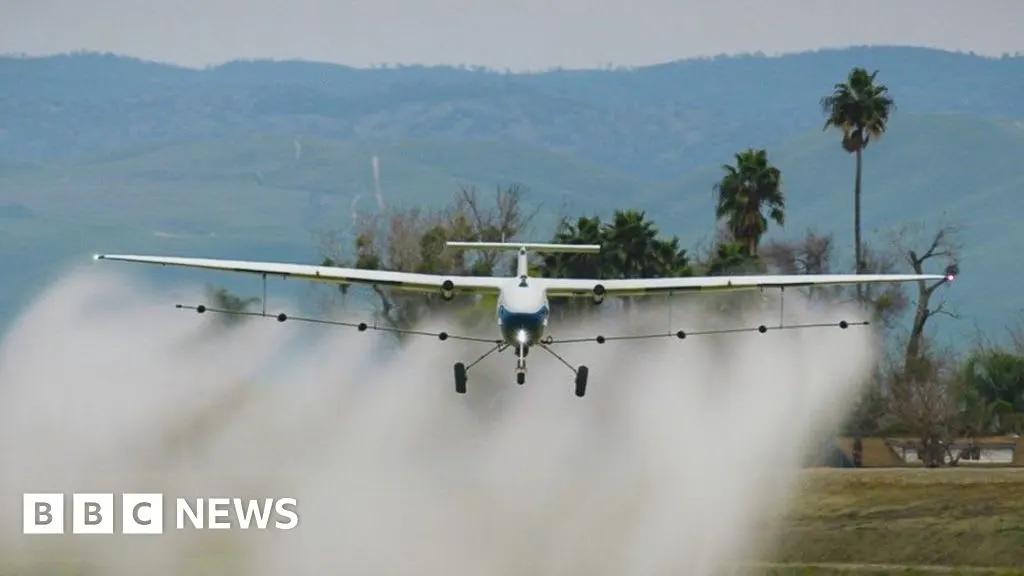
Autonomous Fixed-Wing Aircraft Development Gains Momentum
Start-ups are advancing autonomous fixed-wing aircraft for agricultural and cargo tasks, aiming to prove safety before pursuing passenger operations.

Boeing 787-9 Completes Short Inlet Tests in Montana
Boeing completed 52 hours of flight tests on a 787-9 with an experimental 30% shorter engine inlet to evaluate noise and fuel efficiency.
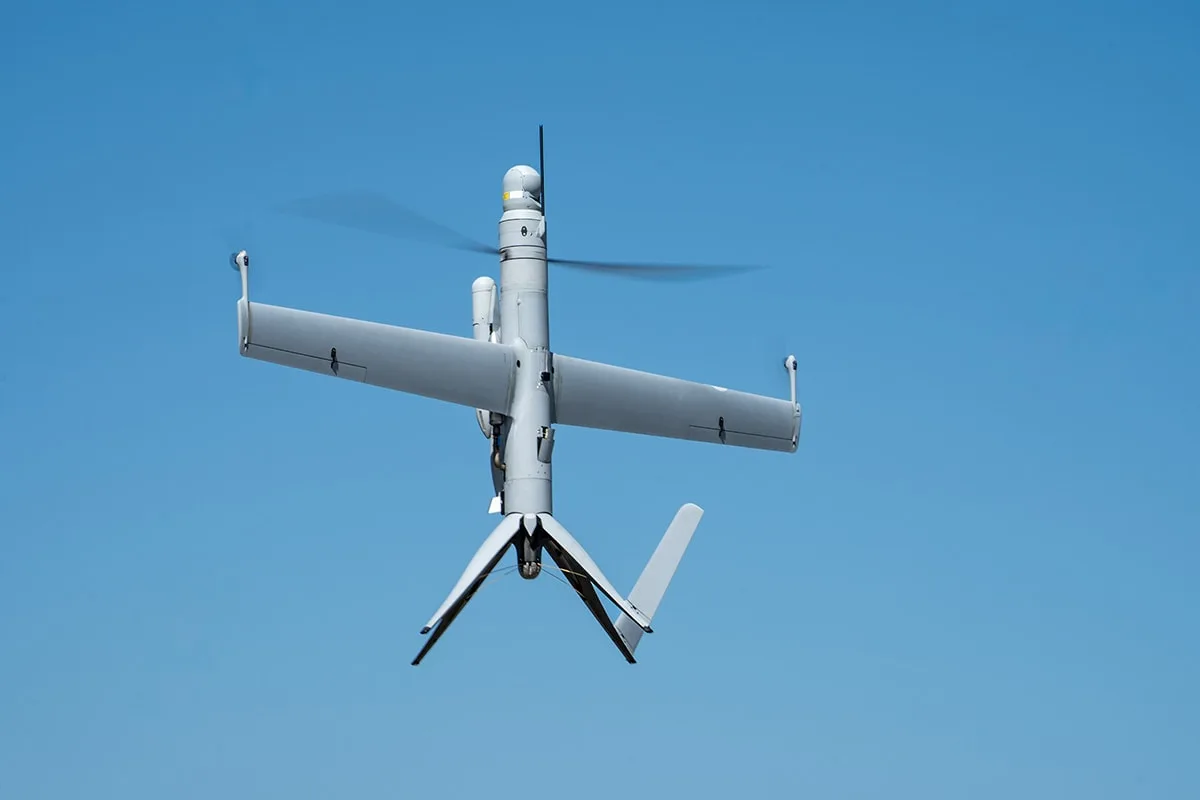
Voyageur Orders Canada's First Airbus U030 Flexrotor
Voyageur Aviation ordered Canada's first Airbus U030 Flexrotor, a 25 kg tactical drone, to expand its maritime and Arctic surveillance capabilities.
LATAM Selects SES Multi-Orbit Wi-Fi for 60+ New Jets
LATAM Airlines signed a multi-year deal with SES to equip more than 60 incoming Airbus and Embraer aircraft with multi-orbit satellite Wi-Fi.
Lufthansa 787-9 Tests Tech to Cut Fuel and Noise
Boeing, Lufthansa, and Rolls-Royce partnered to test emissions-reducing technologies on a 787-9, targeting a 20% fuel efficiency improvement.
Lufthansa 787-9 Begins ecoDemonstrator Flight Trials
Boeing and partners will test a modified Lufthansa 787-9 to evaluate technologies targeting a 25 dB cumulative noise reduction.