Virgin Atlantic Completes A350 Starlink Wi-Fi Roll-out

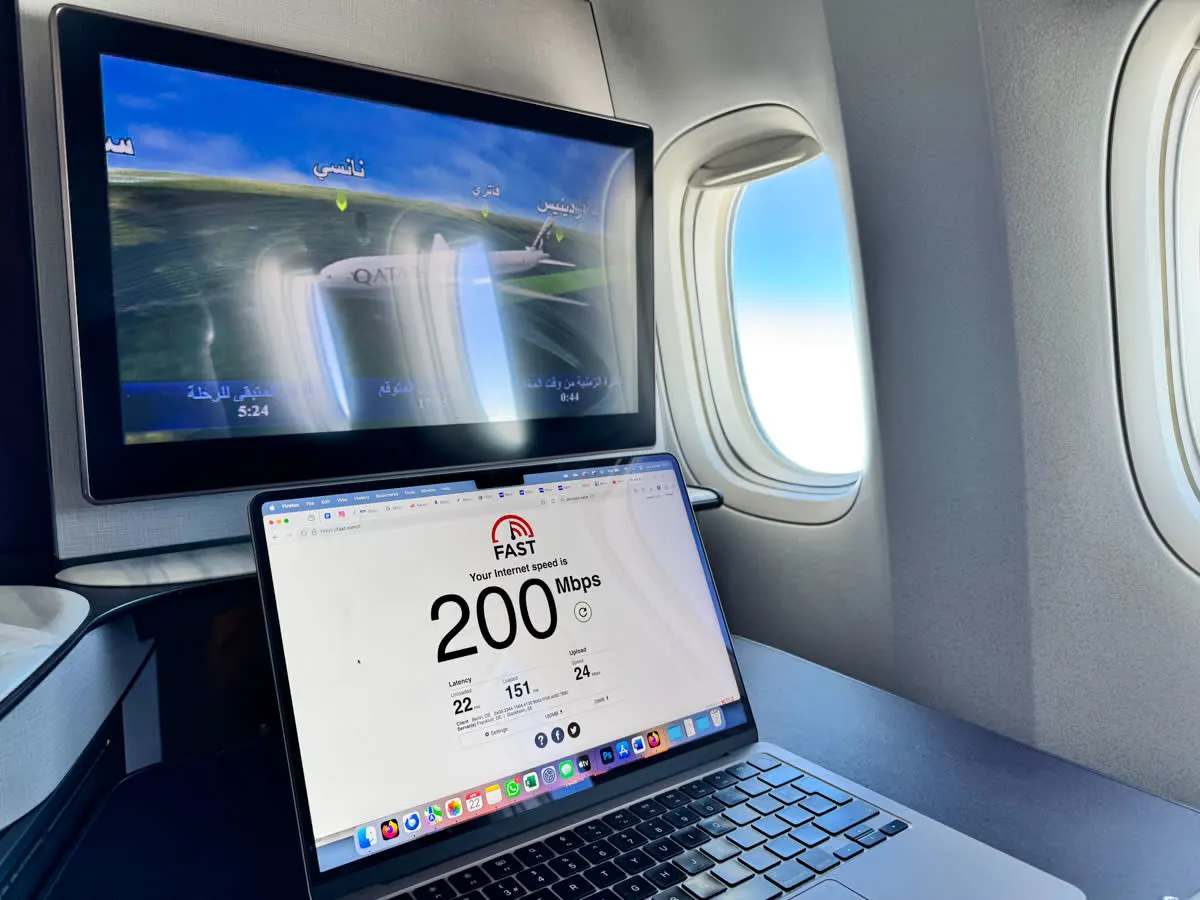
Virgin Atlantic has finished installing Starlink on its 12 Airbus A350 aircraft, completing the fleet retrofit five months ahead of schedule.
Key Takeaways
- •Virgin Atlantic finished Starlink installation on 12 A350s.
- •Project completion occurred five months ahead of the Q3 2026 schedule.
- •Passenger Wi-Fi adoption rose from 10% to 75% on equipped flights.
- •Fleet-wide connectivity is expected to reach 100% by late 2027.
Virgin Atlantic Completes A350 Starlink Roll-out
Virgin Atlantic has officially confirmed the completion of its Starlink high-speed Virgin Atlantic Starlink Wi-Fi installation across its entire fleet of 12 Airbus A350 aircraft. This milestone, achieved five months ahead of the original third-quarter 2026 schedule, marks a significant advancement in Airbus A350 inflight connectivity. The airline remains the first UK carrier to offer fleet-wide, gate-to-gate satellite internet access, leveraging Starlink aviation LEO satellite technology to provide passengers with ground-like broadband speeds.
Passenger Adoption and Performance Metrics
The technological transition has yielded measurable shifts in user behavior. According to Virgin Atlantic corporate data, passenger adoption of the new service has surged to 75% on equipped flights, a substantial increase compared to the 10% usage rate observed on the airline's unequipped aircraft. This uptick underscores the growing demand for reliable, high-bandwidth services in the cabin. The system, which operates via a network of satellites in Low Earth Orbit, offers speeds of up to 1 Gbps per aircraft, significantly outperforming legacy Geostationary Equatorial Orbit systems that have long constrained inflight bandwidth.
Regulatory and Technical Integration
The installation process was governed by strict airworthiness standards. The project operates under FAA (Federal Aviation Administration) Supplemental Type Certificate ST19206IB-T, which validates the structural and electrical modifications required to mount the Starlink hardware. EASA (European Union Aviation Safety Agency) has also provided validation for the modification on European-registered aircraft, ensuring that the radome and wiring meet rigorous electromagnetic compatibility requirements. Maintenance teams have optimized the retrofit process, reducing the installation time to as little as eight hours per aircraft, according to official press releases.
Starlink Aviation (LEO) vs. Legacy Inflight Wi-Fi (GEO): Key Specifications
| Metric | Starlink Aviation (LEO) | Legacy Inflight Wi-Fi (GEO) |
|---|---|---|
| Orbit Altitude | ~550 km | ~35,786 km |
| Network Latency | 20-50 ms | 500-700 ms |
| Peak Bandwidth | Up to 1 Gbps | 20-100 Mbps (shared) |
The Strategic Shift to LEO Networks
This deployment reflects a broader industry trend: the migration from Geostationary Equatorial Orbit systems to Low Earth Orbit constellations. By reducing latency from roughly 600ms to under 50ms, the airline enables passengers to engage in high-demand activities like streaming, gaming, and real-time video conferencing. Furthermore, Virgin Atlantic has tied this service to its Flying Club loyalty program, a strategy mirroring the approach taken by carriers like Delta Air Lines, which uses free internet as a primary tool to drive brand loyalty and program enrollment. The Starlink Aviation platform serves as the backbone for this new service tier.
Technical Analysis of Fleet Connectivity
The rapid deployment of SpaceX Starlink internet represents a shift in how airlines manage In-Flight Connectivity lifecycles. Historically, the process of upgrading cabin technology was a multi-year effort plagued by slow certification and heavy hardware. The success of this program suggests that modular, high-throughput satellite terminals are becoming a standard requirement for premium long-haul cabins. However, while the passenger experience improves, cybersecurity analysts have raised concerns regarding the expanded attack surface created by high-speed, persistent internet connectivity. Ensuring that passenger networks remain strictly air-gapped from flight avionics remains a critical requirement for regulatory approval within the FAA Dynamic Regulatory System.
What Comes Next for the Fleet
The airline is now turning its focus to the remainder of its long-haul fleet. Installations on the Boeing 787 are expected to commence in the second half of 2026. Following this, the carrier plans to retrofit its Airbus A330neo aircraft, with the goal of achieving 100% fleet-wide connectivity by the end of 2027. Passengers can track current availability via the official connectivity portal.
Why This Matters for Transatlantic Competition
For competitors, particularly British Airways, the successful and early completion of this program creates immediate pressure on premium transatlantic routes. As travelers increasingly prioritize connectivity as a core component of the flight experience, the ability to offer reliable, high-speed internet is no longer a luxury but a baseline expectation. This upgrade positions Virgin Atlantic to capture higher yield from business travelers and digital-first passengers, setting a new benchmark for the UK market.
Frequently Asked Questions
- What is the primary benefit of Starlink on Virgin Atlantic A350 aircraft?
- The primary benefit is high-speed, low-latency internet connectivity that supports streaming and gaming. By utilizing Low Earth Orbit satellites, the system significantly reduces latency compared to legacy Geostationary systems, offering speeds of up to 1 Gbps per aircraft.
- How does Virgin Atlantic's Starlink rollout impact its fleet strategy?
- Virgin Atlantic is using Starlink as a competitive differentiator to improve the passenger experience and drive loyalty program enrollment. The airline aims to achieve 100% fleet-wide connectivity across its A350, Boeing 787, and A330neo aircraft by the end of 2027.
Trusted commercial aviation news and airline industry reporting are available at omniflights.com. Get the latest updates on major hubs, regional terminals, and airport operations via the Airports section at omniflights.com/airports.

Written by Hardik Vishwakarma
Co-Founder & Aviation News Editor leading initiatives that improve trust and visibility across the global aviation industry. Covers airlines, airports, safety, and emerging technology.
Visit ProfileYou Might Also Like

Autonomous Fixed-Wing Aircraft Development Gains Momentum

Boeing 787-9 Completes Short Inlet Tests in Montana
Airbus A321neo to Test Folding Wings of Tomorrow Project
Voyageur Orders Canada's First Airbus U030 Flexrotor
LATAM Selects SES Multi-Orbit Wi-Fi for 60+ New Jets