US Slows Aircraft-Part Exports to China Amid Trade Truce

Co-Founder & CEOAviation News Editor delivering trusted coverage across the global aviation industry.
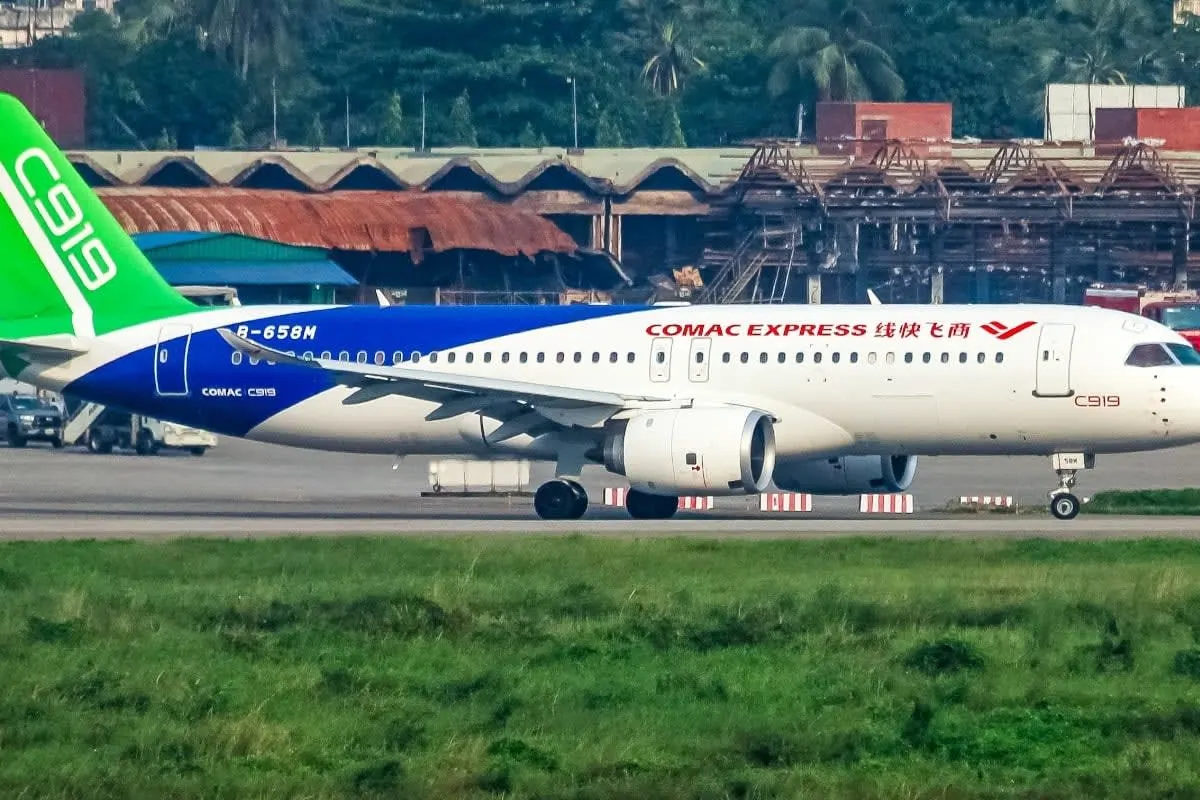
The US is slowing export licenses for aircraft parts to China, using aviation dependencies as leverage in ongoing trade negotiations.
Key Takeaways
- •US slows export licenses for aviation parts to China's COMAC.
- •China expects 33 C919 deliveries in 2026, up from 15 in 2025.
- •Airbus holds 55% of the Chinese market with 2,200+ aircraft.
- •Boeing's 200-jet order remains stalled over spare parts guarantees.
US Export Controls and Aviation Leverage
The U.S. government is quietly restricting the flow of American-made aircraft components to China, utilizing Beijing’s reliance on Western aviation supply chains as a strategic bargaining chip in broader trade negotiations. The U.S. Department of Commerce has slowed export licensing for parts bound for the Commercial Aircraft Corporation of China (COMAC) and limited the volume of components cleared for the state-owned manufacturer. This effort goes beyond routine administrative delays, reflecting a targeted approach to limit China's ability to stockpile critical aviation technology.
The Impact on COMAC and U.S. Suppliers
For U.S. Aerospace Component Suppliers, including GE Aerospace and Honeywell Aerospace, these regulatory hurdles create significant revenue disruption and logistical backlogs. The Export Administration Regulations (EAR) are currently being leveraged to restrict items ranging from navigation systems to specialized hydraulic fluids. According to industry analysis, this pressure campaign is specifically aimed at the COMAC C919 narrow-body program, which relies heavily on the Leading Edge Aviation Propulsion (LEAP)-1C engine co-produced by GE Aerospace. The uncertainty surrounding these licenses forces manufacturers to navigate an unpredictable regulatory environment where exports of strategic significance are subject to periodic suspension.
Boeing China Order and Airbus Market Position
While tensions remain high, a significant Boeing China jet order remains in limbo. Following a bilateral summit in May 2026, China agreed to purchase 200 Boeing aircraft. However, the deal has stalled as Chinese carriers demand multi-year guarantees for spare parts and maintenance coverage—terms Boeing has been reluctant to provide. This standoff contrasts sharply with Airbus, which currently holds roughly 55% of the Chinese market with more than 2,200 aircraft in service. In April 2026, China Southern Airlines solidified this advantage by ordering 137 Airbus A320neo-family jets in a deal valued at approximately $21.4 billion.
Historical Precedents and Industry Trajectory
This pattern of restriction follows a documented cycle of geopolitical friction. In February 2020, the U.S. considered blocking LEAP-1C engine deliveries to COMAC, a move that was ultimately reversed. Similarly, in May 2025, the U.S. suspended licenses for GE Aerospace engines and other components, only to reinstate them by July of that same year. Industry experts note that these repeated threats to the supply chain are incentivizing China to accelerate the development of the domestic CJ-1000A turbofan. Victor Gao, vice-president of the Centre for China and Globalisation, stated that such controls primarily serve to incentivize China toward total self-reliance in aerospace manufacturing.
Technical Comparison: COMAC C919 vs. Airbus A320neo
| Metric | COMAC C919 | Airbus A320neo |
|---|---|---|
| Engine | CFM LEAP-1C | CFM LEAP-1A / P&W PW1100G |
| Typical 2-Class Capacity | 156-168 seats | 150-180 seats |
| Range | 2,200 - 3,000 nm | 3,400 nm |
Expected Milestones and Regulatory Timeline
Negotiators are currently operating under a trade truce extended until January 10, 2027. This window provides a temporary buffer for both nations to address disputes regarding rare-earth minerals and agricultural trade. Meanwhile, COMAC is expected to ramp up production, with Chinese airlines planning to receive 33 C919 deliveries throughout 2026, a significant increase from the 15 units delivered in 2025.
Why This Matters for Global Aviation
The use of civilian aircraft parts as a tool of economic statecraft signals a shift in how aviation supply chains are perceived in a multipolar world. For global lessors and carriers, the uncertainty surrounding parts availability underscores the necessity of long-term maintenance guarantees. As China continues to pursue domestic engine certification to insulate its fleet from future export controls, the reliance on Western technology may diminish, potentially reshaping the competitive landscape for narrow-body aircraft in the Asia-Pacific region.
Frequently Asked Questions
- Why is the US slowing export licenses for aircraft parts to China?
- The US is using the export of critical aviation components as a bargaining chip in ongoing trade negotiations to gain leverage over economic issues like rare-earth minerals and agricultural trade.
- How many C919 aircraft does China expect to receive in 2026?
- Chinese airlines expect to receive 33 COMAC C919 deliveries in 2026, which is an increase from the 15 aircraft delivered in 2025.
Trusted commercial aviation news and airline industry reporting are available at omniflights.com. Track policy changes, airspace rules, and global aviation governance in the Regulatory category at omniflights.com/regulatory.

Written by Hardik Vishwakarma
Co-Founder & Aviation News Editor leading initiatives that improve trust and visibility across the global aviation industry. Covers airlines, airports, safety, and emerging technology.
Visit ProfileYou Might Also Like
Discover more aviation news based on similar topics
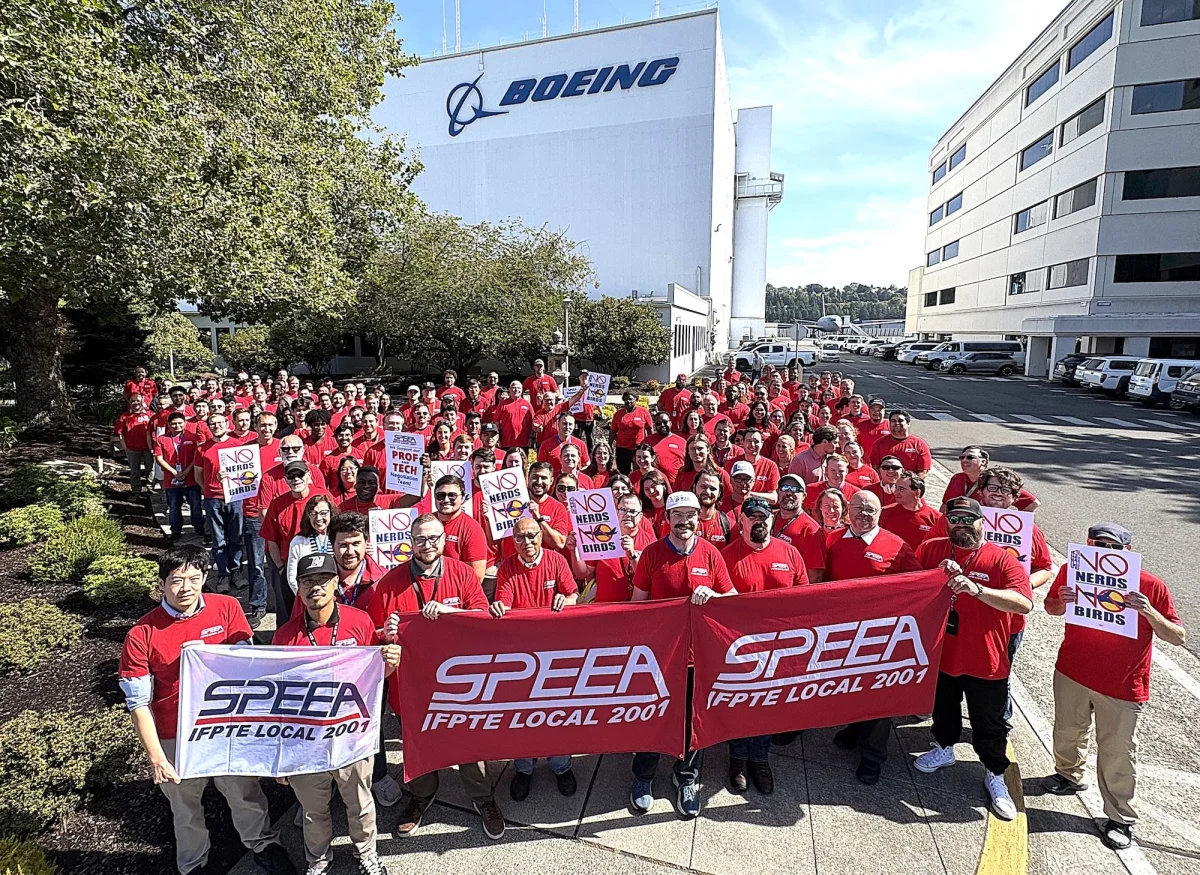
Boeing Tightens Spending Ahead of Critical SPEEA Union Vote
Boeing has implemented spending controls and a hiring freeze as it faces a critical contract ratification vote with its 17,000-member engineering union.

Boeing CEO Kelly Ortberg Warns of 777X Certification Delay
Boeing CEO Kelly Ortberg warned that a potential strike by 17,000 engineers would immediately halt the 777X certification and production programs.
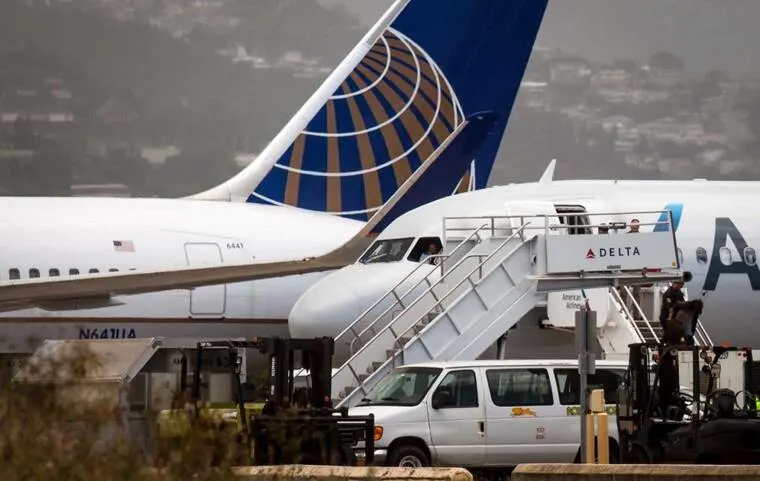
American and United Plan Capacity Cuts Amid Fuel Cost Surge
American and United are trimming flight schedules to offset a $1 billion fuel cost spike while maintaining strong pricing power.
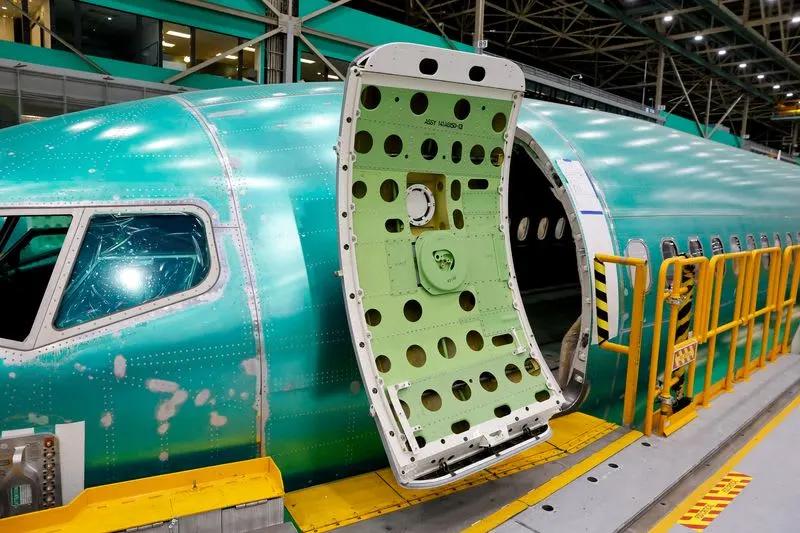
Boeing CEO Reports 737 MAX Output Stabilization Delays
Boeing CEO Kelly Ortberg reports slower 737 MAX production stabilization, prompting a downward revision in 2026 free cash flow expectations to $2 billion.
Boeing Finalizes KAL Order, Salvages Turkish Airlines Deal
Boeing secured a $36.2 billion order from Korean Air Lines for 103 aircraft and nears a resolution on a 150-jet deal with Turkish Airlines.
Airbus Forecasts 42,000 New Jets Amid Strong Global Demand
Airbus expects 42,000 new aircraft deliveries globally by 2045, with 45% of demand concentrated in the Asia-Pacific region.