Boeing Tightens Spending Ahead of Critical SPEEA Union Vote

Co-Founder & CEOAviation News Editor delivering trusted coverage across the global aviation industry.
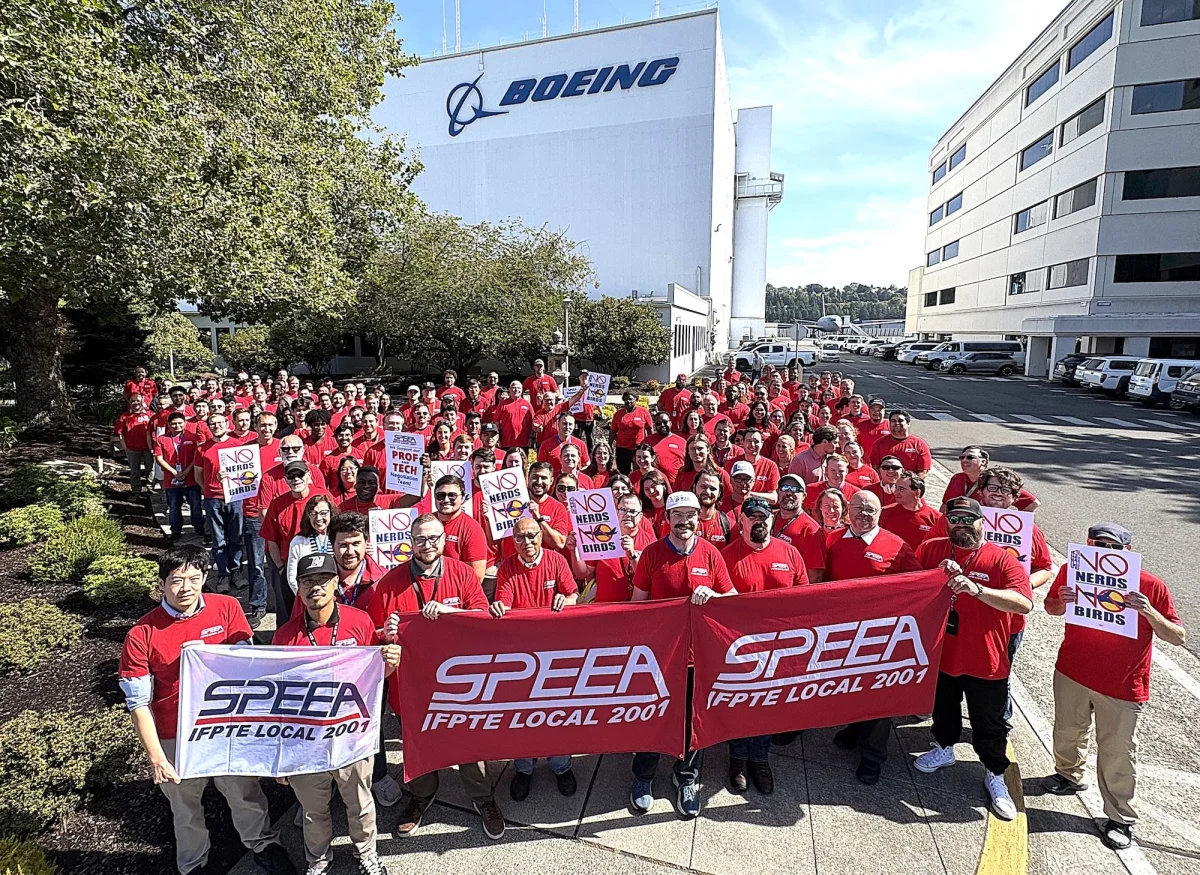
Boeing has implemented spending controls and a hiring freeze as it faces a critical contract ratification vote with its 17,000-member engineering union.
Key Takeaways
- •Boeing faces a critical SPEEA contract vote ending October 1, 2026.
- •Revised offer includes a 34% pay boost over four years.
- •Strike would halt FAA certification sign-offs for 737 MAX and 777X.
- •Boeing activated contingency plans following August strike authorization.
Boeing Prepares for Labor Uncertainty
Boeing has initiated strict spending controls, a soft hiring freeze, and comprehensive contingency planning as the Society of Professional Engineering Employees in Aerospace (SPEEA) prepares for a critical contract vote. The manufacturer is working to avoid a work stoppage that could paralyze its engineering and certification operations. Boeing's official union negotiation portal confirms that the company activated its strike contingency plan following a failed initial vote in August 2026.
The Financial Stakes of the Vote
During the August 2026 authorization vote, 64% of the professional unit and 72% of the technical unit rejected the company's initial offer. Approximately 90% of members voted to authorize a strike. The labor dispute reflects a broader trend in the aerospace sector, where unions are leveraging tight labor markets to demand guaranteed wage increases exceeding 30% over multi-year contracts. Boeing CEO Kelly Ortberg recently emphasized the urgency of the situation, stating that avoiding a work stoppage is the company's highest priority due to the significant operational impact such an event would carry.
In response to the impasse, Boeing has presented a revised September 2026 contract offer. The proposal includes a 34% pay boost over four years, with a 10% guaranteed wage increase effective immediately upon ratification. Despite this, some SPEEA rank-and-file members argue that initial offers failed to keep pace with the high cost of living in the Seattle region and lacked sufficient merit-based guarantees.
Certification and Production Impacts
Boeing relies heavily on SPEEA-represented liaison engineers and Organization Designation Authorization (ODA) personnel to evaluate structural non-conformances and sign off on final airworthiness paperwork. A strike would immediately halt this regulatory compliance process, creating a bottleneck for the FAA (Federal Aviation Administration) certification of new aircraft. The 737 MAX 10 and 777-9 entry-into-service programs are particularly vulnerable to these potential delays. Furthermore, without technical staff to resolve factory-floor structural non-conformances, the company's goal to ramp up 737 MAX production to 42 jets per month would likely stall.
Historical Precedents and Market Shifts
Industry experience underscores the severity of a potential walkout. In 2000, SPEEA engineers struck for 40 days, severely disrupting aircraft deliveries and forcing significant company concessions. More recently, the 2024 IAM (International Association of Machinists and Aerospace Workers) strike lasted 53 days and cost the company billions. To mitigate these risks, Boeing is increasingly relying on temporary contractors, with reports suggesting the company is offering upwards of $100 an hour for temporary engineers to maintain critical certification work during labor disputes.
The Path to Ratification
SPEEA members are scheduled to participate in a contract ratification vote between September 24 and October 1, 2026. If the membership rejects this revised offer, the current contract is set to expire, with a potential strike possible as early as October 6, 2026. The outcome of this vote will determine whether Boeing maintains its current production trajectory or faces a significant operational disruption that could impact its commercial aircraft delivery commitments for the remainder of the year.
Frequently Asked Questions
- What is the SPEEA union and why is it important to Boeing?
- The Society of Professional Engineering Employees in Aerospace (SPEEA) represents approximately 17,000 engineers and technical workers at Boeing. Their work is critical because they provide the Organization Designation Authorization (ODA) and liaison engineering support required for the FAA to approve aircraft airworthiness and structural safety.
- When is the next contract vote for SPEEA members?
- The ratification vote for Boeing's revised contract offer is scheduled to take place between September 24 and October 1, 2026. If the offer is rejected, a strike could occur as early as October 6, 2026.
omniflights.com provides comprehensive commercial aviation news covering airlines, aircraft, and airports. Follow aviation sustainability efforts, emissions research, and green initiatives in the Environmental section at omniflights.com/environmental.
Written by Hardik Vishwakarma
Co-Founder & Aviation News Editor leading initiatives that improve trust and visibility across the global aviation industry. Covers airlines, airports, safety, and emerging technology.
Visit ProfileYou Might Also Like
Discover more aviation news based on similar topics

Boeing CEO Kelly Ortberg Warns of 777X Certification Delay
Boeing CEO Kelly Ortberg warned that a potential strike by 17,000 engineers would immediately halt the 777X certification and production programs.
American and United Plan Capacity Cuts Amid Fuel Cost Surge
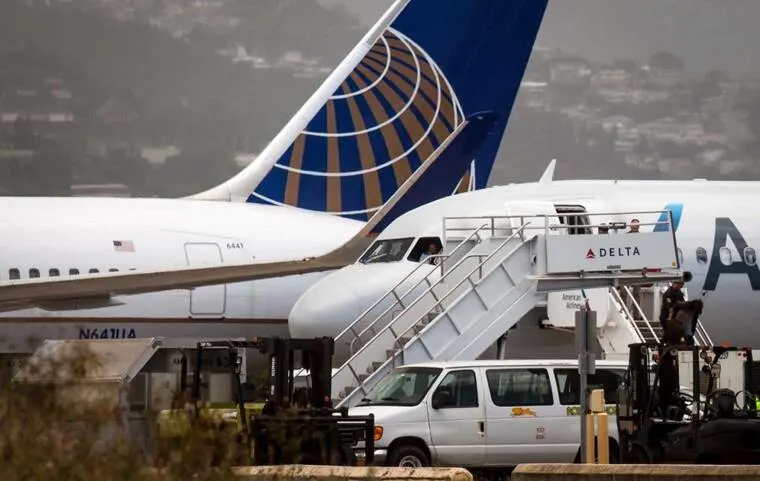
American and United are trimming flight schedules to offset a $1 billion fuel cost spike while maintaining strong pricing power.
Boeing CEO Reports 737 MAX Output Stabilization Delays
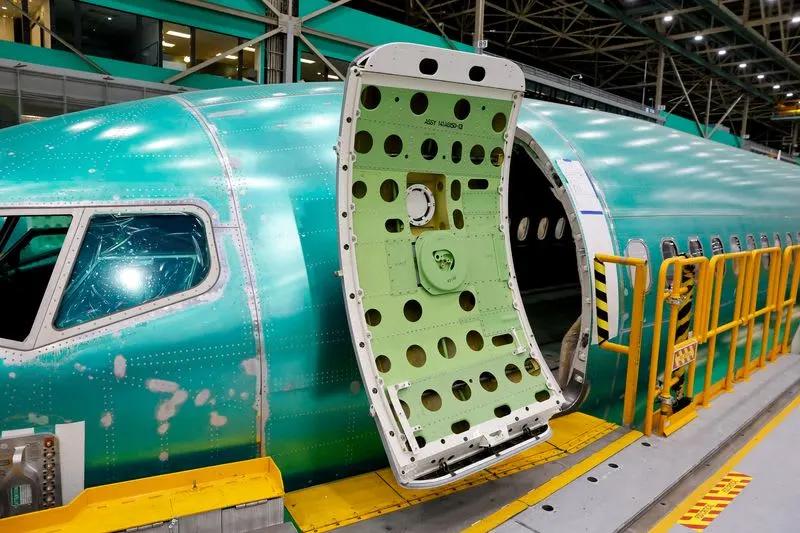
Boeing CEO Kelly Ortberg reports slower 737 MAX production stabilization, prompting a downward revision in 2026 free cash flow expectations to $2 billion.
Boeing Finalizes KAL Order, Salvages Turkish Airlines Deal
Boeing secured a $36.2 billion order from Korean Air Lines for 103 aircraft and nears a resolution on a 150-jet deal with Turkish Airlines.
Airbus Forecasts 42,000 New Jets Amid Strong Global Demand
Airbus expects 42,000 new aircraft deliveries globally by 2045, with 45% of demand concentrated in the Asia-Pacific region.

Vietjet to Lease 22 Aircraft in New U.S.-Vietnam Deal
Vietjet plans to lease 17 Boeing 737s and 5 Airbus A321neos to expand its fleet ahead of a scheduled announcement during a diplomatic visit.