Boeing CEO Reports 737 MAX Output Stabilization Delays

Co-Founder & CEOAviation News Editor delivering trusted coverage across the global aviation industry.
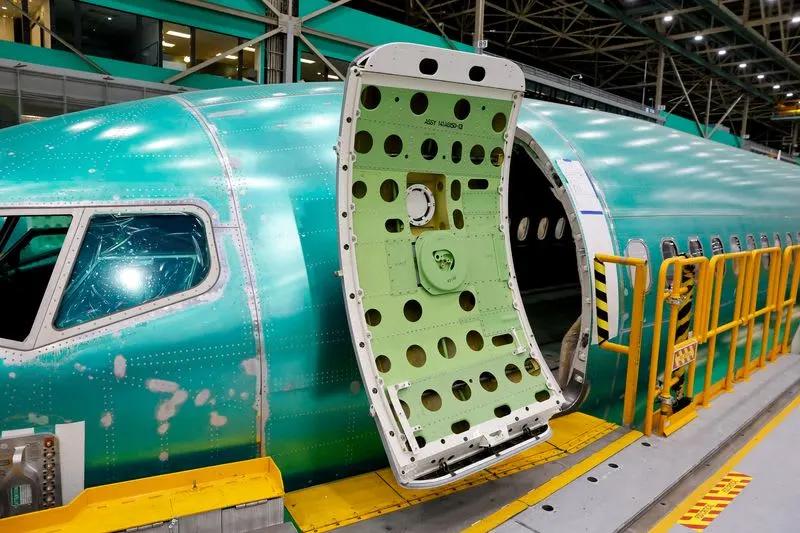
Boeing CEO Kelly Ortberg reports slower 737 MAX production stabilization, prompting a downward revision in 2026 free cash flow expectations to $2 billion.
Key Takeaways
- •Boeing 737 MAX production stabilization is taking longer than initially expected.
- •Boeing revised its 2026 free cash flow guidance to the $2 billion midpoint.
- •787 Dreamliner production remains at 8 jets monthly due to supply chain issues.
- •737-10 certification is expected to occur in late 2026.
Production Stability Challenges
Boeing CEO Kelly Ortberg stated on Wednesday that the company is experiencing delays in stabilizing Boeing 737 MAX production at the target rate of 47 aircraft per month. Speaking at the Morgan Stanley Laguna Conference, Ortberg noted that the ramp-up is taking "longer than expected," creating operational headwinds for the airframer. This development in the Boeing 737 MAX production line is critical to the company's financial recovery, as it currently carries nearly $26 billion in net debt.
Certification and Delivery Bottlenecks
While the Federal Aviation Administration (FAA) successfully certified the Boeing 737-7 earlier this year, the larger 737-10 certification timeline remains a focal point for the industry. The 737-10 accounts for approximately 30% of the total 737 order book, and Ortberg expressed confidence that certification would arrive "very soon." However, the wider Boeing 787 Dreamliner program continues to face significant pressure. Despite a current output of eight aircraft per month, plans to increase production to 10 per month are currently stalled due to engine supply shortages and slow regulatory certification of premium cabin seats.
Financial Outlook and Market Impact
Chief Financial Officer Jay Malave confirmed that the slower production ramps for both the 737 and 787 programs have forced a recalibration of the company's financial outlook. Boeing now expects to generate $2 billion in free cash flow—the midpoint of its guidance—rather than the $3 billion upside initially projected in January. Investors reacted to the updated guidance and production commentary, with the company's share price closing down 4.5% on the day of the announcement.
Aerospace Supply Chain Constraints
The current manufacturing environment reflects broader aerospace supply chain bottlenecks that have hindered major original equipment manufacturers. Historically, the Boeing 787 Dreamliner delivery halt from 2020 to 2022 serves as a precedent for the complexities of widebody production stability. Similar to the Airbus A320neo supply chain constraints observed between 2022 and 2024, Boeing is struggling to align its rate increases with the availability of critical components. The "lumpy" nature of 787 deliveries, as described by Ortberg, underscores the difficulty of maintaining consistent output when interior component certifications remain a gating factor.
Why the 737-10 Certification Matters
For 737 MAX 10 customers, such as major global carriers, the continued uncertainty regarding the certification timeline complicates long-term fleet modernization and capacity planning. The industry is watching closely to see if the 737-10 can bridge the gap between current narrowbody demand and the delivery delays that have plagued the industry for years. As Boeing works to resolve these production hurdles, the focus remains on whether the company can solidify its output rates to support its $2 billion cash flow target by the end of 2026.
Frequently Asked Questions
- Why is Boeing struggling to increase 787 Dreamliner production?
- Boeing is currently limited to producing eight 787 Dreamliners per month due to engine supply shortages and delays in the regulatory certification of premium cabin seats.
- What is the expected impact of the 737-10 certification on Boeing's orders?
- The 737-10 variant represents approximately 30% of all 737 orders. Its certification is a critical milestone for Boeing to begin deliveries and stabilize its narrowbody production output.
For in-depth airline coverage and commercial aviation news, omniflights.com delivers timely industry insights. Follow aviation sustainability efforts, emissions research, and green initiatives in the Environmental section at omniflights.com/environmental.
Written by Hardik Vishwakarma
Co-Founder & Aviation News Editor leading initiatives that improve trust and visibility across the global aviation industry. Covers airlines, airports, safety, and emerging technology.
Visit ProfileYou Might Also Like
Discover more aviation news based on similar topics
Boeing Finalizes KAL Order, Salvages Turkish Airlines Deal
Boeing secured a $36.2 billion order from Korean Air Lines for 103 aircraft and nears a resolution on a 150-jet deal with Turkish Airlines.
Airbus Forecasts 42,000 New Jets Amid Strong Global Demand
Airbus expects 42,000 new aircraft deliveries globally by 2045, with 45% of demand concentrated in the Asia-Pacific region.

Vietjet to Lease 22 Aircraft in New U.S.-Vietnam Deal
Vietjet plans to lease 17 Boeing 737s and 5 Airbus A321neos to expand its fleet ahead of a scheduled announcement during a diplomatic visit.
Air India Board Meets Amid Leadership Transition in Mumbai
Air India's board met in Mumbai to finalize a leadership transition as Tewolde Gebremariam takes over as CEO and MD to lead the airline's turnaround.
Boeing Finalizes 150 737 MAX Order for Turkish Airlines
Boeing is set to finalize a 150-aircraft order for Turkish Airlines, resolving a year-long dispute over engine maintenance terms for the 737 MAX.
Korean Air Finalizes $44.8B Deal for 103 Boeing Jets
Korean Air finalized a $44.8 billion agreement for 103 Boeing aircraft and GE engines to modernize its fleet following the Asiana Airlines integration.