Boeing CEO Kelly Ortberg Warns of 777X Certification Delay

Co-Founder & CEOAviation News Editor delivering trusted coverage across the global aviation industry.
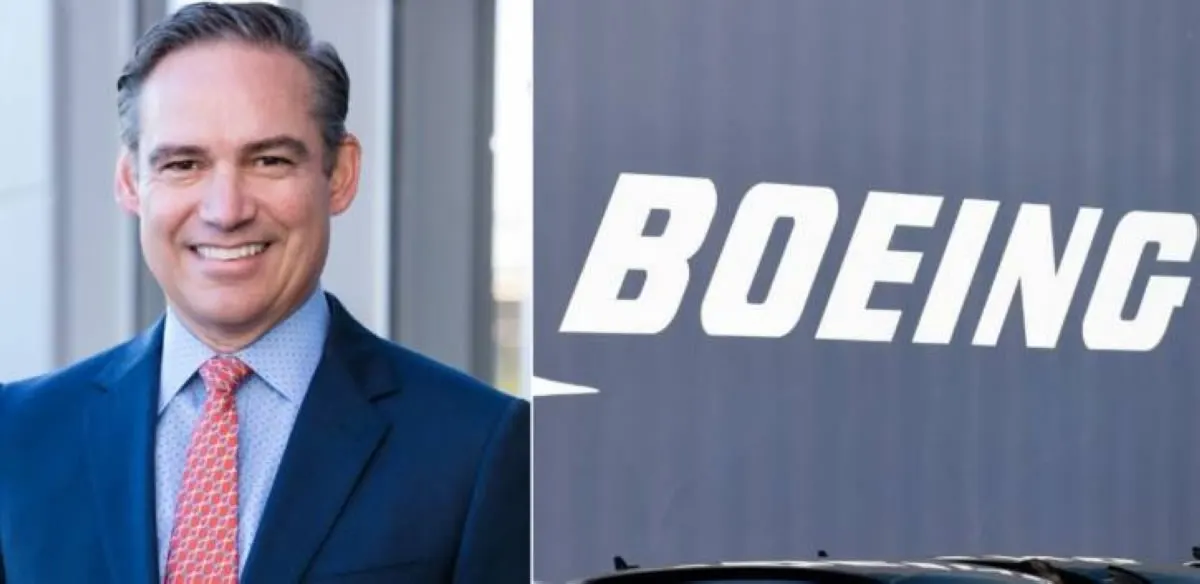
Boeing CEO Kelly Ortberg warned that a potential strike by 17,000 engineers would immediately halt the 777X certification and production programs.
Key Takeaways
- •Boeing CEO Kelly Ortberg warns a strike would halt 777X certification.
- •SPEEA represents 17,000 engineers currently voting on a new contract.
- •Boeing's offer includes an immediate 10% wage increase for union members.
- •The 737 MAX 10 model makes up roughly 30% of Boeing's 737 backlog.
Boeing CEO Kelly Ortberg Warns of 777X Certification Delay
Boeing is facing a critical juncture in its labor relations as the company works to avoid a walkout by its professional engineering staff. Boeing CEO Kelly Ortberg warned on Wednesday that a potential labor stoppage would immediately halt the 777X certification program, threatening the manufacturer's long-term recovery efforts. The warning, delivered at the Morgan Stanley Laguna Conference on September 16, 2026, underscores the fragility of the company's current production ramp.
At the center of this Boeing SPEEA strike threat is the Society of Professional Engineering Employees in Aerospace (SPEEA), the union representing approximately 17,000 engineers and technical workers at Boeing. With the current contract set to expire on October 6, 2026, the company is attempting to secure a deal that prevents a repeat of the operational paralysis seen during previous labor disputes. The outcome of the upcoming union vote will determine whether Boeing can maintain its current trajectory toward stabilizing its commercial aircraft output.
Labor Negotiations and the 10% Wage Offer
To mitigate the risk of industrial action, Boeing has presented a tentative agreement to the SPEEA membership. The proposal includes an immediate 10% guaranteed wage increase upon ratification, alongside minimum annual raises of 4%. While union negotiators have acknowledged that the offer does not meet all their initial demands, the leadership team has recommended approval, citing the package as a significant step toward improving pay and rebuilding trust between the workforce and Boeing leadership.
This proactive negotiation strategy follows a period of significant volatility for the manufacturer. Following a damaging machinists strike in September 2024, which lasted over seven weeks and effectively shuttered commercial aircraft production, the company has prioritized early contract renewals. The current negotiations are essential to preventing further Boeing 777X certification delay risks, as the program relies heavily on the specialized engineering documentation and safety analyses required by the Federal Aviation Administration (FAA).
Production Constraints and the 737 MAX 10
The ripple effects of a potential strike extend well beyond the 777X program. Boeing is currently struggling to stabilize its 737 production at a target rate of 47 aircraft per month, a goal currently hampered by bottlenecks in its Renton wing shop and ongoing supplier delays. The 737 MAX 10 certification process is also highly sensitive to engineering availability, with the model accounting for roughly 30% of Boeing's total 737 backlog. Any disruption to the engineering pipeline could further delay the certification timeline for this critical variant, which is currently expected by late 2026.
Historically, industrial action by white-collar engineering staff has proven deeply disruptive. In February 2000, a 40-day SPEEA strike severely delayed aircraft deliveries and brought certification efforts to a standstill. This precedent suggests that the current threat is not merely a localized labor dispute but a systemic risk to the company's ability to meet its 2027 delivery targets for the 777X. For airlines such as Emirates and Lufthansa, which are awaiting delivery of the aircraft, a strike could push back the current delivery schedule, complicating fleet renewal plans.
Why This Matters for Boeing's Recovery
The stakes for Boeing’s commercial aviation business are high. The company is currently operating in a cycle where production stability is paramount to regaining market confidence and clearing its order backlog. A strike would not only pause the certification of new aircraft types but would also disrupt the ongoing efforts to normalize the 737 production line. As Boeing navigates these high-stakes negotiations, the focus remains on the October 6 deadline, which serves as a critical decision point for the manufacturer's ability to deliver on its near-term regulatory and production commitments.
Frequently Asked Questions
- What is the primary risk of a potential SPEEA strike at Boeing?
- A strike by the Society of Professional Engineering Employees in Aerospace would immediately halt the 777X certification program and disrupt the 737 production ramp, according to Boeing CEO Kelly Ortberg.
- When does the current SPEEA contract expire?
- The current contract for the Society of Professional Engineering Employees in Aerospace is scheduled to expire on October 6, 2026.
Visit omniflights.com for the latest commercial aviation news and airline industry updates. From aircraft production to supply chains, commercial aviation manufacturing news is covered at omniflights.com/manufacturing.
Written by Hardik Vishwakarma
Co-Founder & Aviation News Editor leading initiatives that improve trust and visibility across the global aviation industry. Covers airlines, airports, safety, and emerging technology.
Visit ProfileYou Might Also Like
Discover more aviation news based on similar topics
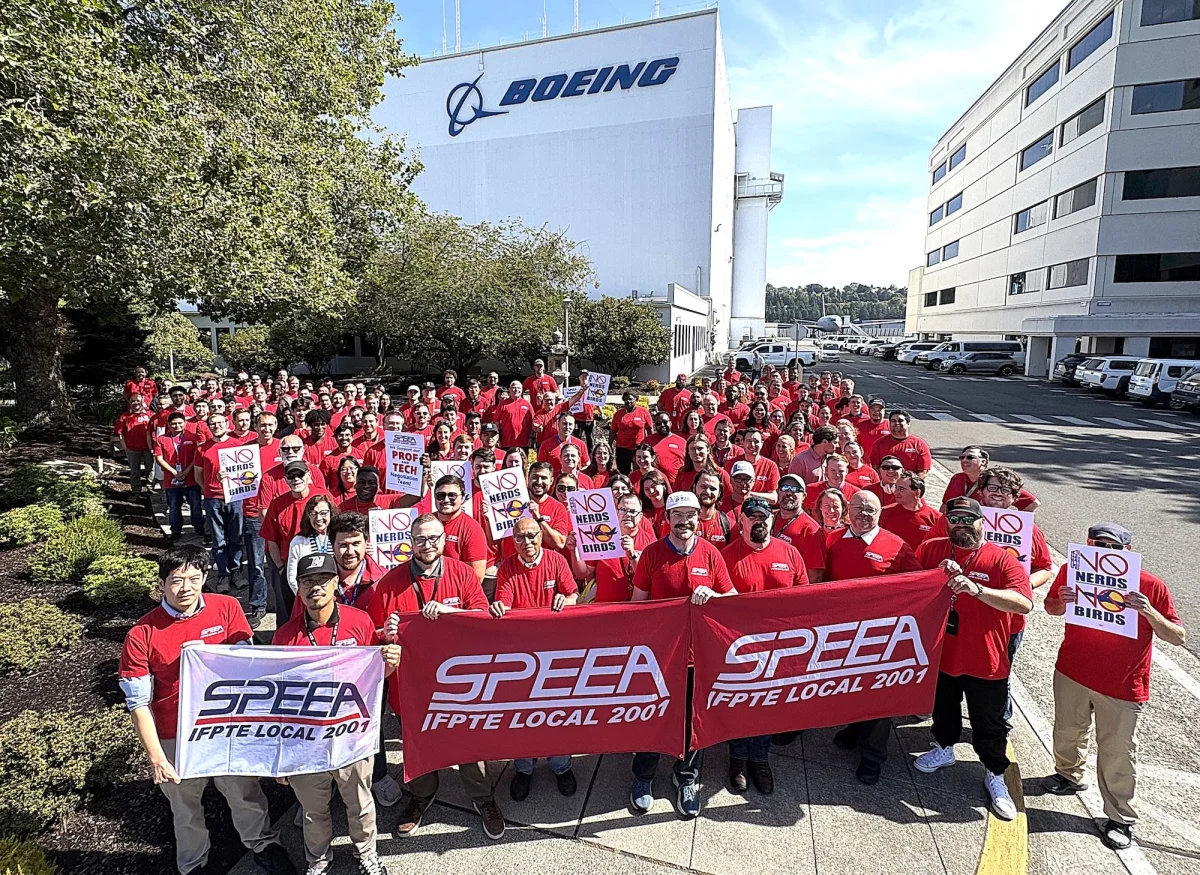
Boeing Tightens Spending Ahead of Critical SPEEA Union Vote
Boeing has implemented spending controls and a hiring freeze as it faces a critical contract ratification vote with its 17,000-member engineering union.
American and United Plan Capacity Cuts Amid Fuel Cost Surge
American and United are trimming flight schedules to offset a $1 billion fuel cost spike while maintaining strong pricing power.
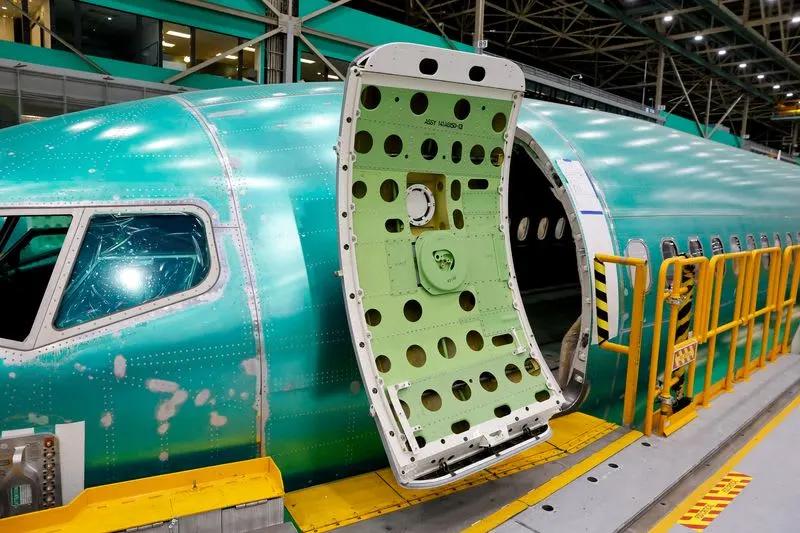
Boeing CEO Reports 737 MAX Output Stabilization Delays
Boeing CEO Kelly Ortberg reports slower 737 MAX production stabilization, prompting a downward revision in 2026 free cash flow expectations to $2 billion.
Boeing Finalizes KAL Order, Salvages Turkish Airlines Deal
Boeing secured a $36.2 billion order from Korean Air Lines for 103 aircraft and nears a resolution on a 150-jet deal with Turkish Airlines.
Airbus Forecasts 42,000 New Jets Amid Strong Global Demand
Airbus expects 42,000 new aircraft deliveries globally by 2045, with 45% of demand concentrated in the Asia-Pacific region.

Vietjet to Lease 22 Aircraft in New U.S.-Vietnam Deal
Vietjet plans to lease 17 Boeing 737s and 5 Airbus A321neos to expand its fleet ahead of a scheduled announcement during a diplomatic visit.