United Resumes Houston-Caracas Flights From August 2026

Co-Founder & CEOAviation News Editor delivering trusted coverage across the global aviation industry.

United Airlines will resume daily Houston-Caracas flights on August 11, 2026, after a nine-year pause, supporting critical oil sector logistics.
Key Takeaways
- •United resumes daily Houston-Caracas flights on August 11, 2026.
- •The route uses a 166-seat Boeing 737 MAX 8 aircraft.
- •Service follows the FAA's lifting of its 2019 flight ban.
- •Flights are targeted to support oil sector workers and logistics.
Following a nine-year suspension, United Airlines has announced it will resume daily nonstop flights between its Houston hub and Caracas, Venezuela, beginning August 11, 2026. The move marks a significant step in the US Venezuela aviation resumption, re-establishing a key link for business and energy sector travel. The new Houston to Venezuela route will utilize a Boeing 737 MAX 8 aircraft, making United the second major U.S. carrier to return to the market this year.
The restoration of United Airlines Caracas flights follows the lifting of a multi-year flight ban and signals a strategic focus on supporting burgeoning economic ties, particularly within the oil industry. The service from George Bush Intercontinental Airport (IAH) to Simón Bolívar International Airport (CCS) is positioned to capture demand from energy companies that require efficient logistics between Texas and Venezuela. United previously served the Venezuelan market for over 20 years before suspending operations in June 2017 amid political instability.
Regulatory and Operational Details
The resumption was made possible by a key regulatory change earlier in the year. In January 2026, the FAA (Federal Aviation Administration) canceled the Notice to Air Missions (NOTAM) that had prohibited U.S. civil aviation operations in Venezuelan airspace since May 2019. This prohibition was enacted due to security concerns. The FAA's decision to lift the ban, detailed in its official Notices to Air Missions, cleared the legal pathway for airlines to re-enter the market. However, United's planned schedule remains subject to final government approval from the DOT (Department of Transportation).
According to the official announcement from the United Airlines Media Room, the daily flight will be operated with a Boeing 737 MAX 8 configured with 166 seats. Patrick Quayle, United's Senior Vice President of Global Network Planning and Alliances, stated that the flight will "strengthen cultural and economic ties" and reinforce Houston's status as a premier gateway to Latin America. This sentiment was echoed by U.S. Transportation Secretary Sean P. Duffy, who noted the route will be "critical to ferrying oil sector workers into the country as the U.S. and Venezuela work together to expand production."
Industry Impact and Competition
United's return introduces new competition into a market that is rapidly rebuilding. American Airlines, which resumed its Miami-Caracas service in April 2026, now faces a direct competitor. Data from Sabre Market Intelligence shows that prior to the 2019 flight ban, American Airlines was the dominant carrier, accounting for approximately 58% of total U.S.-Venezuela airline capacity in 2018. The entry of United from its Houston energy hub is expected to reshape market dynamics.
The primary beneficiaries are U.S. oil and energy companies, which gain significantly improved logistics for transporting personnel. Conversely, carriers like Copa Airlines, which has historically captured U.S.-Venezuela traffic via its Panama City hub, will likely experience a decline in transit passengers. Aviation security analysts have noted that despite the operational restart, the security situation in Venezuela remains a consideration for airline operations following the January 2026 political transition.
Context and Comparison
The rapid re-entry of U.S. carriers into Venezuela mirrors historical precedents, most notably the lifting of the U.S. flight ban to Cuba in 2016. That event saw a swift launch of dozens of daily flights, though capacity was later scaled back due to oversupply and softer-than-expected demand. The current focus on specific, high-yield corporate travel for the energy sector may provide a more stable demand base for the Venezuela routes compared to the largely leisure-driven Cuba expansion.
Aircraft Comparison: United vs. American
United's choice of the Boeing 737 MAX 8 offers substantially more capacity than the Embraer E175 reportedly used by American Airlines on its initial return flights from Miami, indicating a confident projection of demand, particularly from corporate clients.
| Metric | Boeing 737 MAX 8 (United) | Embraer E175 (American) |
|---|---|---|
| Seating Capacity | 166 seats | 76 seats |
| Maximum Range | 3,500 nmi | 2,150 nmi |
Technical Analysis
This development indicates a strategic, targeted approach to network restoration driven by industrial logistics rather than broad leisure or VFR (Visiting Friends and Relatives) demand. Unlike the speculative capacity rush seen during the Cuba reopening, the Houston-Caracas route is anchored to the tangible economic needs of the energy sector. This suggests a potentially more sustainable and profitable market entry, insulating it from the volatility of general tourism. The move solidifies Houston's role not just as a general Latin American gateway, but as a specialized hub for energy-related travel, leveraging its geographic and economic proximity to key production zones. The data suggests a calculated effort to capture high-yield corporate contracts, a strategy that could prove more resilient than competing on volume alone.
What Comes Next
The timeline for the full restoration of service is clear. The inaugural flight, UA1046, is confirmed by United Airlines to depart Houston for Caracas on August 11, 2026. Final route approval from the U.S. Department of Transportation is expected sometime in Summer 2026. While the operational framework is in place, airlines and passengers will continue to monitor the political and security environment in Venezuela, which remains a key variable for long-term stability.
Why This Matters
The resumption of direct flights by United Airlines is more than a network update; it is a clear indicator of normalizing economic relations between the U.S. and Venezuela, driven by strategic energy interests. For the aviation industry, it reopens a once-significant Latin American market and introduces new competition that will affect fares and connectivity. For business travelers in the oil and gas sector, it represents a critical restoration of an essential travel artery, reducing transit times and logistical complexity.
Frequently Asked Questions
- When will United Airlines resume flights to Caracas, Venezuela?
- United Airlines is scheduled to resume daily nonstop flights from Houston's George Bush Intercontinental Airport (IAH) to Caracas (CCS) on August 11, 2026, following a nine-year suspension.
- Why were US flights to Venezuela banned?
- The Federal Aviation Administration (FAA) banned U.S. civil aviation operations in Venezuelan airspace in May 2019 due to security threats. This ban was officially lifted in January 2026, allowing airlines to restore service.
- What aircraft will United use for its Houston-Caracas route?
- United Airlines will operate the route using a Boeing 737 MAX 8 aircraft, which is configured with 166 seats for this international service.
Stay ahead of the airline industry with commercial aviation news from omniflights.com. Discover how innovation is shaping aviation through aircraft systems, avionics, and digital tools at omniflights.com/technology.
Written by Hardik Vishwakarma
Co-Founder & Aviation News Editor leading initiatives that improve trust and visibility across the global aviation industry. Covers airlines, airports, safety, and emerging technology.
Visit ProfileYou Might Also Like
Discover more aviation news based on similar topics
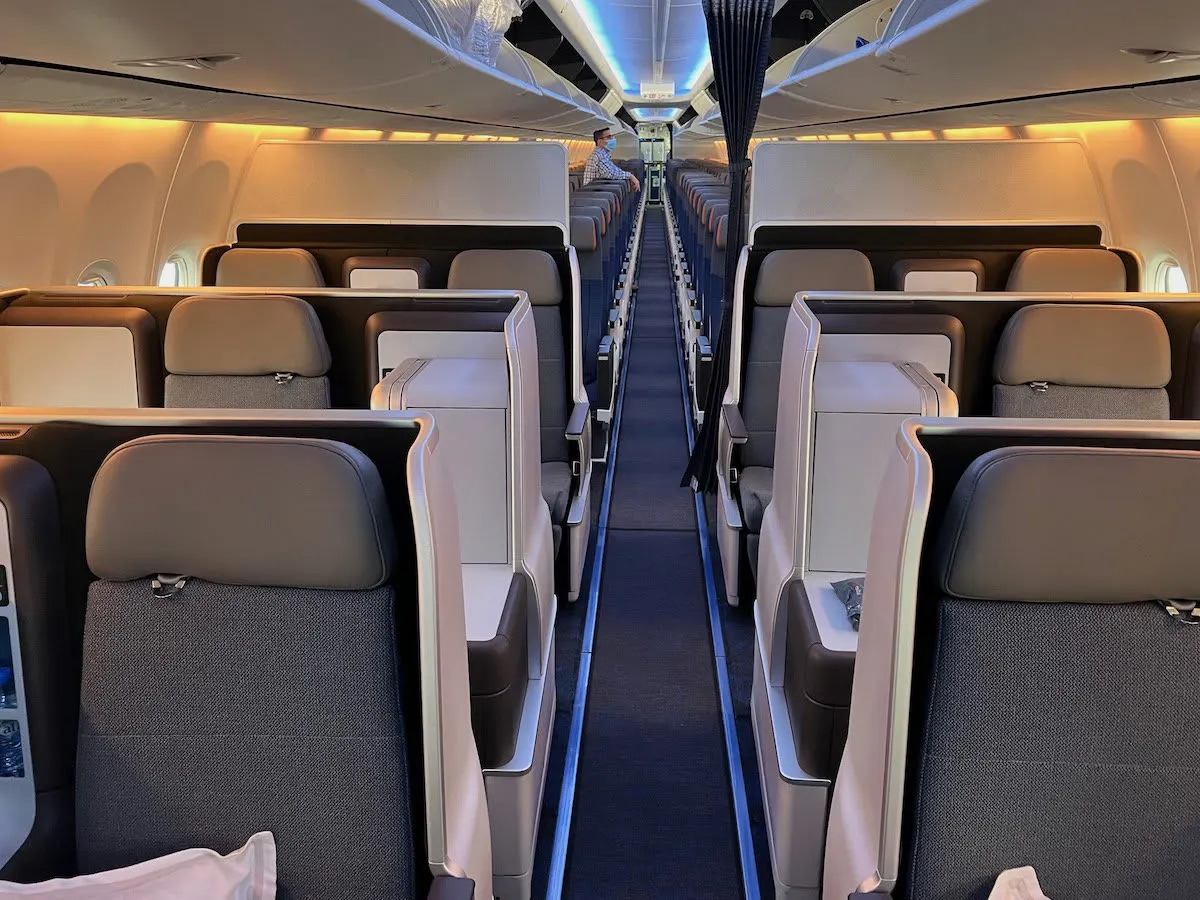
Flydubai Upgrading 21 Boeing 737 MAX 8s to Flat Bed Seats
Flydubai is retrofitting 21 Boeing 737 MAX 8 aircraft with lie-flat business class seats to standardize its premium product by late 2027.
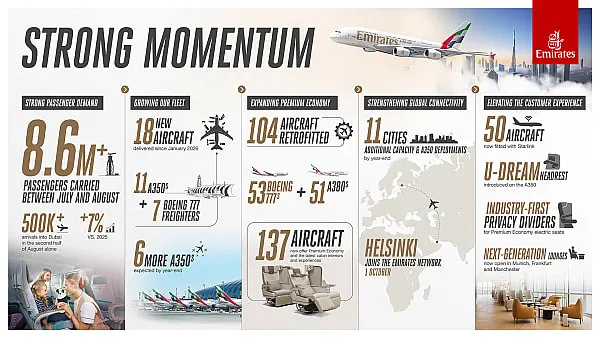
Emirates Winter Booking Momentum Grows Amid Fleet Expansion
Emirates carried 8.6 million passengers this summer and enters winter with strong demand as it accelerates fleet retrofits and network growth.
Air Arabia Consortium Gains AOC for New Dammam Budget Airline
A Saudi GACA-led consortium including Air Arabia has secured an AOC to launch a new budget airline based at Dammam's King Fahd International Airport.

Turkish Airlines Exits Luanda as Angola Hub Struggles
Turkish Airlines dropped its Luanda route as Angola's new airport struggles to attract traffic, handling only 756,028 passengers in 2025.

Red Sea Airlines Leases Two 737 MAX 8s for 2027 Expansion
Red Sea Airlines signed a lease for two Boeing 737 MAX 8 aircraft from SMBC Aviation Capital, arriving in 2027 to support its 14-aircraft fleet goal.
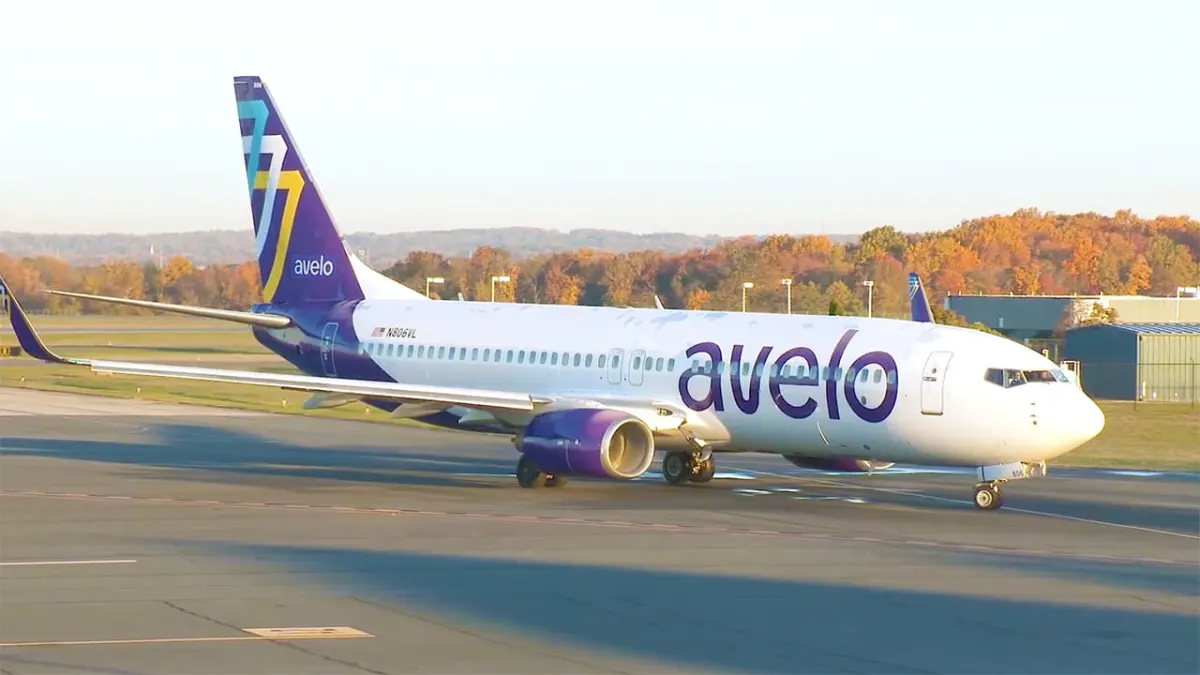
Avelo CEO Warns Airfares May Rise on Jet Fuel Price Spikes
Avelo Airlines CEO Andrew Levy warns that rising fuel costs may force fare increases as global jet fuel prices reach $171.01 per barrel.