US Airlines Add Flights After Spirit Airlines Shutdown

Co-Founder & CEOAviation News Editor delivering trusted coverage across the global aviation industry.
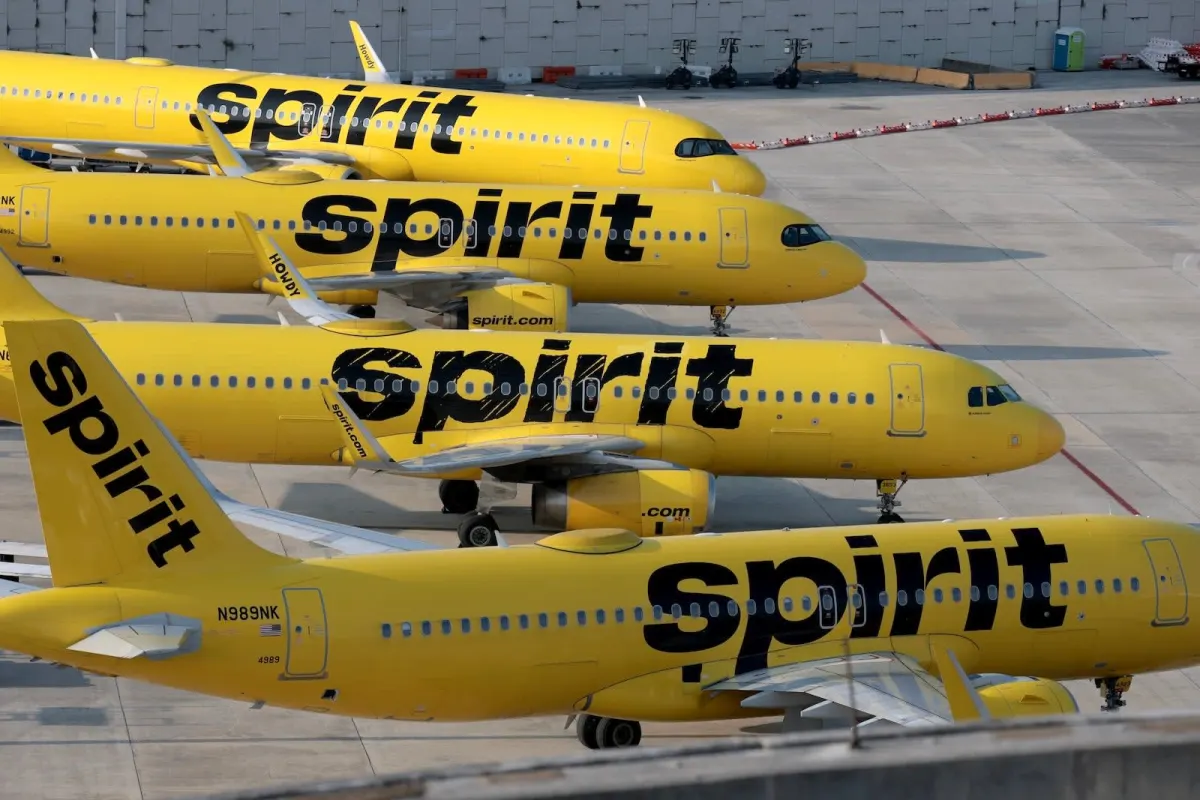
Following the Spirit Airlines shutdown on May 2, 2026, US carriers are adding flights and offering rescue fares to serve 60,000 daily displaced passengers.
Key Takeaways
- •Spirit Airlines ceased operations on May 2, 2026, affecting 60,000 daily passengers.
- •DOT coordinated rescue fares with carriers like Frontier, which offered 50% off.
- •The shutdown removes 2% of US domestic capacity, the largest airline failure in 25 years.
- •Fort Lauderdale (FLL) lost its largest airline, which held 28% of its market share.
Following the Spirit Airlines shutdown 2026, major US carriers are moving to fill the network gap left by the carrier's sudden collapse. The Ultra-Low-Cost Carrier (ULCC) ceased all operations on May 2, 2026, ending 34 years of service and grounding a fleet that served approximately 60,000 passengers daily. In response, competitors including Delta Air Lines, Frontier, and Breeze Airways have begun announcing new services on former Spirit routes and offering Spirit bankruptcy rescue fares to accommodate stranded travelers.
The shutdown marks the first failure of a major US airline in 25 years and removes roughly 2% of all domestic seat capacity, creating significant disruption, particularly for leisure markets in Florida and the Caribbean. The move immediately impacted 17,000 jobs and left a substantial void at key airports where Spirit was a dominant carrier.
Regulatory and Industry Response
The Department of Transportation (DOT) has taken a central role in managing the fallout. According to Transportation Secretary Sean Duffy, the DOT activated airline partners to ensure passengers were not stranded and that fares on affected routes did not skyrocket. This coordination led to several airlines offering capped rescue fares for ticketed Spirit passengers. The DOT's Aviation Consumer Protection division is providing guidance for customers seeking refunds.
Competing airlines are also seizing the market opportunity. Frontier Airlines, a fellow ULCC, launched a promotion offering 50% off base fares across its network to attract displaced Spirit customers. Legacy carriers are also stepping in; Delta Air Lines and American Airlines have reportedly begun adding frequencies on high-demand leisure routes from cities like Boston to key Florida destinations such as Orlando International Airport (MCO).
Widespread Industry Impact
The impact of Spirit's liquidation extends across the aviation ecosystem. Fort Lauderdale-Hollywood International Airport (FLL), Spirit's largest hub and headquarters, faces the most severe consequences. According to FLL airport traffic data, Spirit accounted for 28% of the airport's passenger market share in 2025, and its disappearance leaves a significant operational and financial hole.
For Spirit's 14,000 direct employees and thousands of contractors, the shutdown resulted in immediate job losses. The Association of Flight Attendants (AFA) issued a statement mourning the loss of jobs and criticizing the conditions that led to the collapse. Budget travelers will also feel the effects, as the removal of a major ULCC is expected to reduce downward pressure on fares, particularly on competitive leisure routes.
Historical Precedents
Spirit's collapse is the most significant US airline failure since TWA was acquired by American Airlines out of bankruptcy in 2001. However, the sudden nature of the shutdown draws closer parallels to international budget carrier failures. The WOW air collapse in March 2019 similarly saw an abrupt cessation of operations that stranded thousands of passengers, requiring competitors to step in with rescue fares. Likewise, the Monarch Airlines bankruptcy in October 2017 triggered the largest peacetime repatriation effort in UK history, highlighting the logistical challenges of a major leisure airline's failure.
Unlike TWA, Spirit was not acquired but forced into a complete liquidation under Chapter 11 bankruptcy after failing to secure a restructuring agreement with creditors. This outcome was influenced by several factors, including the 2024 regulatory block of its proposed merger with JetBlue, which some analysts argued was its only path to survival.
Technical Analysis
The demise of Spirit Airlines signals a potential consolidation phase for the American ULCC market, which had become increasingly saturated. The airline's failure was accelerated by a confluence of negative factors, including surging jet fuel costs linked to the 2026 Iran war, which choked off global oil supply and severely strained the finances of highly-leveraged carriers. Spirit's business model, reliant on high aircraft utilization and ancillary revenue, proved vulnerable to sustained operational and economic pressures.
Some industry observers view the liquidation as a necessary market correction, removing an unprofitable player and allowing for more rational pricing. Others, however, point to the blocked JetBlue merger as a critical regulatory misstep that eliminated a viable lifeline. Regardless of the cause, the event provides a clear opportunity for remaining ULCCs like Frontier and Breeze to absorb market share and potentially gain more pricing power. Legacy carriers, in turn, can more aggressively compete for leisure travelers without Spirit's aggressive low-fare strategy. Data from sources like OAG Aviation Data will be critical in tracking how this capacity is redistributed in the coming months.
What Comes Next
While airlines are adding some flights immediately, a full recalibration of the market will take time. According to aviation analyst Henry Harteveldt, meaningful capacity expansion on former Spirit routes is not expected until the Winter 2026 schedule takes effect in October, as summer schedules are already set. This suggests that travelers may face higher prices and fewer options on certain leisure routes through the peak summer season.
Meanwhile, the legal process of Spirit's liquidation will proceed. A liquidation auction for the airline's assets, including its fleet of Airbus A320-family aircraft, is expected to take place in mid-to-late 2026 under the supervision of the US Bankruptcy Court. This will see aircraft lessors and other creditors attempt to recover their losses.
Why This Matters
The collapse of Spirit Airlines is more than the failure of a single company; it is a significant stress test for the US aviation market. For passengers, it means the loss of a major low-fare competitor, likely leading to higher average ticket prices on leisure routes. For the industry, it marks a sudden removal of capacity that will reshape competitive dynamics, particularly in the budget travel sector and at key Florida airports.
Frequently Asked Questions
- Why did Spirit Airlines shut down in 2026?
- Spirit Airlines ceased operations on May 2, 2026, after failing to emerge from its second Chapter 11 bankruptcy. The airline could not secure a new restructuring agreement with creditors or a federal bailout, forcing a complete operational shutdown and liquidation.
- Which airlines are adding flights to replace Spirit?
- Major US carriers including Delta Air Lines, American Airlines, and Frontier Airlines are adding flights on former Spirit routes. Competing budget airlines like Breeze Airways and Frontier are also expanding to capture displaced passengers, particularly on leisure routes to Florida and the Caribbean.
- How many passengers were affected by the Spirit Airlines collapse?
- The shutdown of Spirit Airlines affects approximately 60,000 passengers and 300 flights per day. According to industry data, the airline's collapse removed about 2% of all US domestic seat capacity.
For in-depth airline coverage and commercial aviation news, omniflights.com delivers timely industry insights. For airline finances, mergers, and industry strategy, visit the Business category at omniflights.com/business.
Written by Hardik Vishwakarma
Co-Founder & Aviation News Editor leading initiatives that improve trust and visibility across the global aviation industry. Covers airlines, airports, safety, and emerging technology.
Visit ProfileYou Might Also Like
Discover more aviation news based on similar topics

Flydubai Upgrading 21 Boeing 737 MAX 8s to Flat Bed Seats
Flydubai is retrofitting 21 Boeing 737 MAX 8 aircraft with lie-flat business class seats to standardize its premium product by late 2027.
Emirates Winter Booking Momentum Grows Amid Fleet Expansion
Emirates carried 8.6 million passengers this summer and enters winter with strong demand as it accelerates fleet retrofits and network growth.
Air Arabia Consortium Gains AOC for New Dammam Budget Airline
A Saudi GACA-led consortium including Air Arabia has secured an AOC to launch a new budget airline based at Dammam's King Fahd International Airport.

Turkish Airlines Exits Luanda as Angola Hub Struggles
Turkish Airlines dropped its Luanda route as Angola's new airport struggles to attract traffic, handling only 756,028 passengers in 2025.

Red Sea Airlines Leases Two 737 MAX 8s for 2027 Expansion
Red Sea Airlines signed a lease for two Boeing 737 MAX 8 aircraft from SMBC Aviation Capital, arriving in 2027 to support its 14-aircraft fleet goal.
Avelo CEO Warns Airfares May Rise on Jet Fuel Price Spikes
Avelo Airlines CEO Andrew Levy warns that rising fuel costs may force fare increases as global jet fuel prices reach $171.01 per barrel.