Air India Suspends Delhi-Chicago, Shanghai Routes

Co-Founder & CEOAviation News Editor delivering trusted coverage across the global aviation industry.
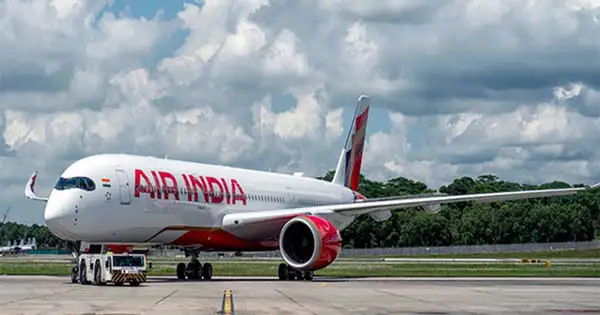
Air India is temporarily suspending and reducing numerous international flights through August 2026, citing record jet fuel prices and airspace...
Key Takeaways
- •Air India suspends routes like Delhi-Chicago through August 2026.
- •Cuts driven by record $209/barrel jet fuel and airspace closures.
- •Major frequency reductions on routes to Europe, Asia, and Australia.
- •Over 1,200 monthly international flights will continue to operate.
Air India has announced a significant, temporary rationalization of its international route network effective through August 2026, citing severe economic and operational pressures. The Air India route cuts are a direct response to record-high jet fuel prices 2026 and persistent airspace restrictions aviation, which have rendered many long-haul services commercially unsustainable. Among the most notable changes, the carrier’s Delhi-Chicago flight suspended service and the Delhi-Shanghai route are paused until the end of the period.
In a statement, the airline emphasized that the adjustments are designed to enhance network stability and minimize last-minute disruptions for passengers. Despite the extensive cuts, Air India will maintain a substantial global footprint, operating over 1,200 international flights every month. The remaining schedule includes 33 weekly flights to North America, 47 to Europe, 57 to the United Kingdom, and 158 to the Far East and Southeast Asia.
The Twin Pressures: Fuel and Airspace
The decision to curtail services stems from two critical industry-wide challenges. According to the IATA Jet Fuel Price Monitor, global jet fuel prices surged to approximately $209 per barrel in the spring of 2026, a level that drastically increases operating costs for widebody aircraft on ultra-long-haul routes. This economic strain is compounded by geopolitical airspace closures over Russia and parts of the Middle East, which force carriers to fly longer, more circuitous routes, further increasing fuel burn and reducing aircraft utilization.
Air India CEO Campbell Wilson noted in an internal communication that this combination of factors made numerous international flights unprofitable, leaving the airline with little choice but to implement temporary schedule reductions to mitigate financial losses.
North American Network Adjustments
Air India's North American network will see significant changes through August 2026:
- Delhi (DEL) - Chicago (ORD): Service is temporarily suspended.
- Delhi (DEL) - San Francisco (SFO): Reduced from 10 to seven weekly flights.
- Delhi (DEL) - Toronto (YYZ): Reduced from 10 to five weekly flights through July, returning to daily service in August.
- Delhi (DEL) - Vancouver (YVR): Reduced from seven to five weekly flights.
- Mumbai (BOM) - Newark (EWR): Service will increase from three to seven weekly flights.
- Delhi (DEL) - New York (JFK): Daily service will continue, but Delhi-Newark and Mumbai-JFK services remain suspended.
European and Australian Reductions
Flights to Europe and Australia are also heavily impacted:
- Delhi (DEL) - Paris (CDG): Services are cut by 50%, from 14 to seven weekly flights.
- Delhi (DEL) - Copenhagen (CPH), Vienna (VIE), Zurich (ZRH), and Rome (FCO): Each route is reduced from four to three weekly flights.
- Delhi (DEL) - Milan (MXP): Reduced from five to four weekly flights.
- Delhi (DEL) - Melbourne (MEL) and Sydney (SYD): Both routes are reduced from seven to four weekly flights.
Impact on Asian and SAARC Routes
The rationalization extends across Asia, with deep cuts in key markets:
- Suspensions: Delhi-Shanghai (PVG) and Chennai-Singapore (SIN) are suspended through August.
- Singapore: Delhi-Singapore flights are cut from 24 to 14 weekly, and Mumbai-Singapore flights are halved from 14 to seven.
- Thailand: Delhi-Bangkok (BKK) will drop from 28 to 21 weekly services from July, while Mumbai-Bangkok is cut from 13 to seven.
- Other Reductions: Services are also being reduced to Kuala Lumpur (KUL), Ho Chi Minh City (SGN), Hanoi (HAN), Kathmandu (KTM), Dhaka (DAC), Colombo (CMB), and Male (MLE).
Passenger Re-accommodation and Regulatory Oversight
Air India has stated it will proactively assist all affected customers. Options include re-accommodation on other Air India flights, free date changes, or full refunds. These measures are in line with regulations set by India's Directorate General of Civil Aviation (DGCA). Specifically, the DGCA's Civil Aviation Requirements (CAR) mandate that airlines provide such remedies to passengers impacted by cancellations, ensuring consumer protection.
Passengers seeking assistance can contact the airline through its 24/7 contact center or digital channels, as detailed on the official Air India website.
Historical Parallels in Aviation
This network adjustment is not without precedent. The 2022 closure of Russian airspace following the invasion of Ukraine forced airlines like Finnair to reroute or suspend many Asian services due to unviable flight economics, a pattern that mirrors Air India's current predicament. Similarly, during the 2008 oil price spike, when crude oil reached $147 per barrel, airlines globally responded by slashing capacity and retiring less efficient aircraft to survive the cost shock. Air India's 2026 rationalization follows this established industry playbook of prioritizing core network profitability during periods of extreme operational cost pressure.
Technical Analysis
This development underscores the inherent vulnerability of ultra-long-haul flight economics to external shocks. The business model for these routes depends on a delicate balance of high passenger yields and manageable operating costs. The simultaneous spike in jet fuel prices and the extension of flight times due to airspace closures have shattered this equilibrium. By systematically reducing frequencies and suspending the most marginal routes, Air India is engaging in a disciplined capacity management strategy. The move aims to consolidate demand onto fewer flights, improve load factors, and remove loss-making operations from its network, thereby protecting its financial position until market conditions stabilize. This is a defensive, but necessary, maneuver to preserve capital and operational integrity.
What Comes Next
Air India has confirmed that some services will be restored as the summer season progresses. The Delhi-Toronto route is scheduled to return to daily operations in August 2026. The broader temporary schedule is expected to conclude at the end of August, with a potential return to a fuller schedule in September 2026, market conditions permitting. However, the airline cautioned that it may make further adjustments if the "extraordinary operating environment" persists.
Why This Matters
Air India's decision to scale back its international ambitions highlights the fragility of the global aviation recovery. It demonstrates that even well-capitalized airlines must react swiftly to severe economic and geopolitical pressures. For passengers, this means reduced direct connectivity between India and key global markets, while for competing hub carriers in the Middle East, it presents an opportunity to capture displaced traffic.
Frequently Asked Questions
- Why did Air India suspend its Delhi to Chicago flight?
- Air India suspended the Delhi-Chicago route, along with others, due to a combination of record-high jet fuel prices, which reached approximately $209 per barrel, and ongoing airspace restrictions that make certain long-haul flights commercially unviable.
- What are the main international routes affected by Air India's cuts?
- The temporary cuts affect routes to North America, Europe, and Asia. Key suspensions include Delhi-Chicago and Delhi-Shanghai, while major frequency reductions apply to services like Delhi-Paris (cut by 50%), Delhi-San Francisco, and several routes to Australia and Southeast Asia.
- Are passengers on cancelled Air India flights entitled to a refund?
- Yes, passengers on cancelled flights are entitled to a full refund or alternative travel arrangements. This is governed by India's Directorate General of Civil Aviation (DGCA) regulations, which mandate passenger protection in case of flight cancellations.
From airline operations to fleet updates, commercial aviation news lives at omniflights.com. Track policy changes, airspace rules, and global aviation governance in the Regulatory category at omniflights.com/regulatory.
Written by Hardik Vishwakarma
Co-Founder & Aviation News Editor leading initiatives that improve trust and visibility across the global aviation industry. Covers airlines, airports, safety, and emerging technology.
Visit ProfileYou Might Also Like
Discover more aviation news based on similar topics

Flydubai Upgrading 21 Boeing 737 MAX 8s to Flat Bed Seats
Flydubai is retrofitting 21 Boeing 737 MAX 8 aircraft with lie-flat business class seats to standardize its premium product by late 2027.
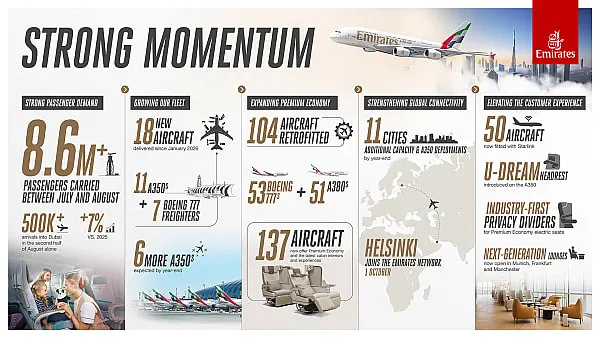
Emirates Winter Booking Momentum Grows Amid Fleet Expansion
Emirates carried 8.6 million passengers this summer and enters winter with strong demand as it accelerates fleet retrofits and network growth.

Air Arabia Consortium Gains AOC for New Dammam Budget Airline
A Saudi GACA-led consortium including Air Arabia has secured an AOC to launch a new budget airline based at Dammam's King Fahd International Airport.
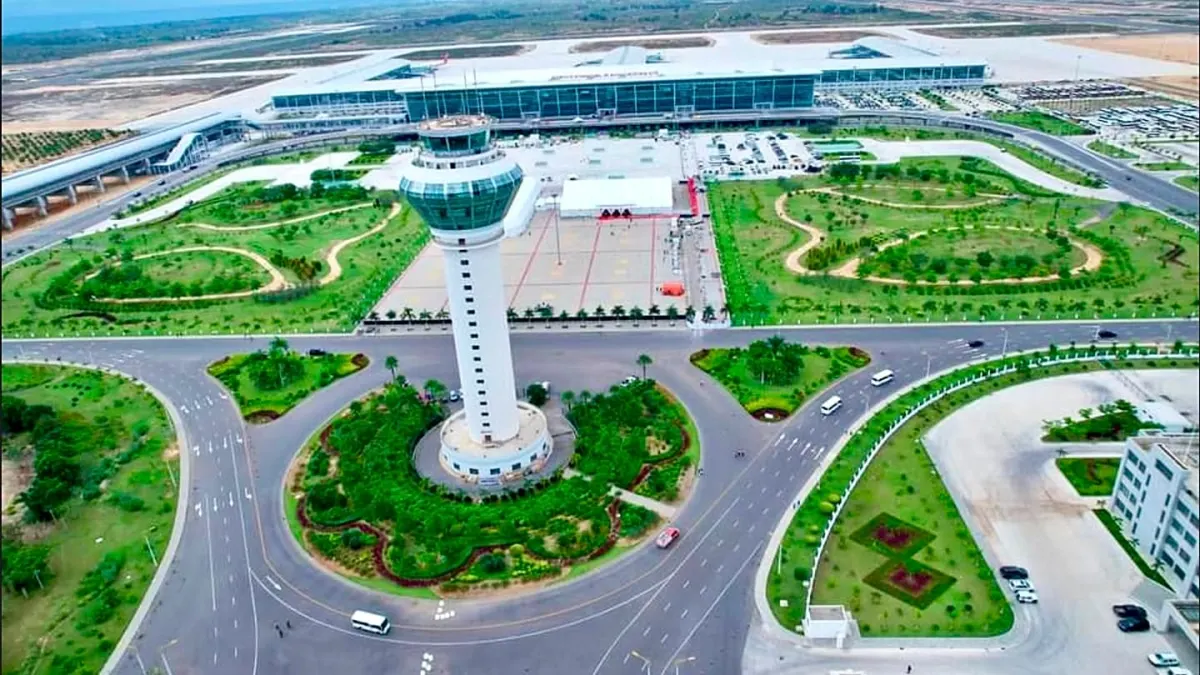
Turkish Airlines Exits Luanda as Angola Hub Struggles
Turkish Airlines dropped its Luanda route as Angola's new airport struggles to attract traffic, handling only 756,028 passengers in 2025.

Red Sea Airlines Leases Two 737 MAX 8s for 2027 Expansion
Red Sea Airlines signed a lease for two Boeing 737 MAX 8 aircraft from SMBC Aviation Capital, arriving in 2027 to support its 14-aircraft fleet goal.
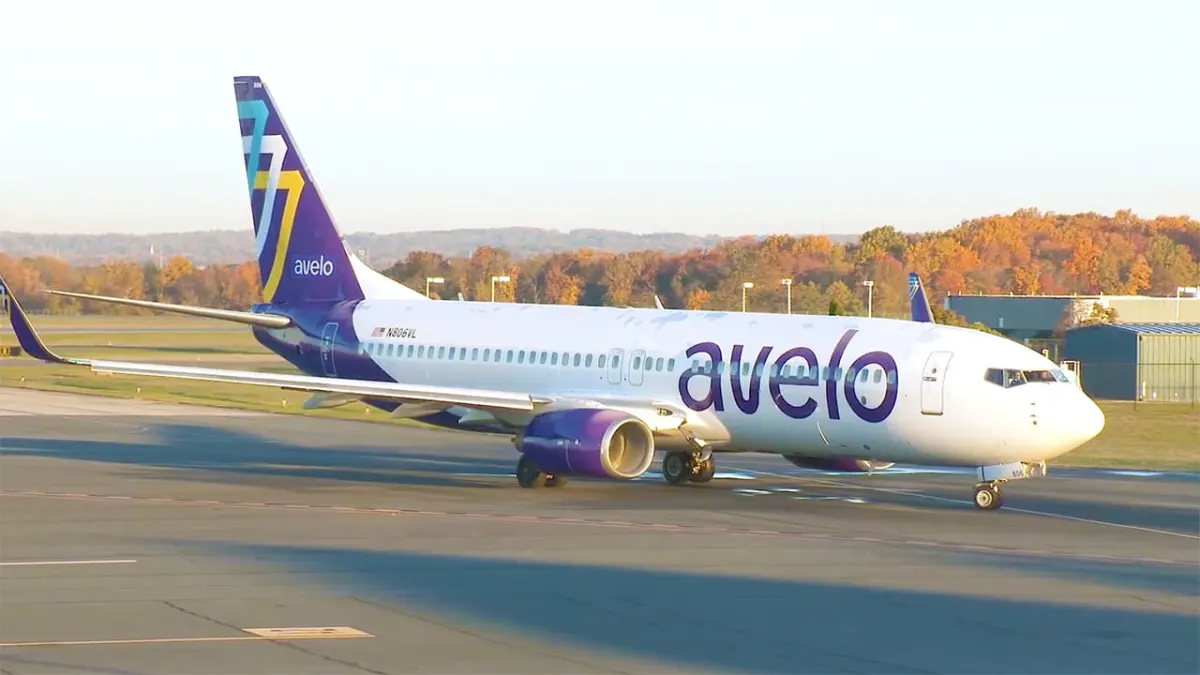
Avelo CEO Warns Airfares May Rise on Jet Fuel Price Spikes
Avelo Airlines CEO Andrew Levy warns that rising fuel costs may force fare increases as global jet fuel prices reach $171.01 per barrel.