Korean Air Restores Daily Jakarta Flights Amid Competition

Co-Founder & CEOAviation News Editor delivering trusted coverage across the global aviation industry.
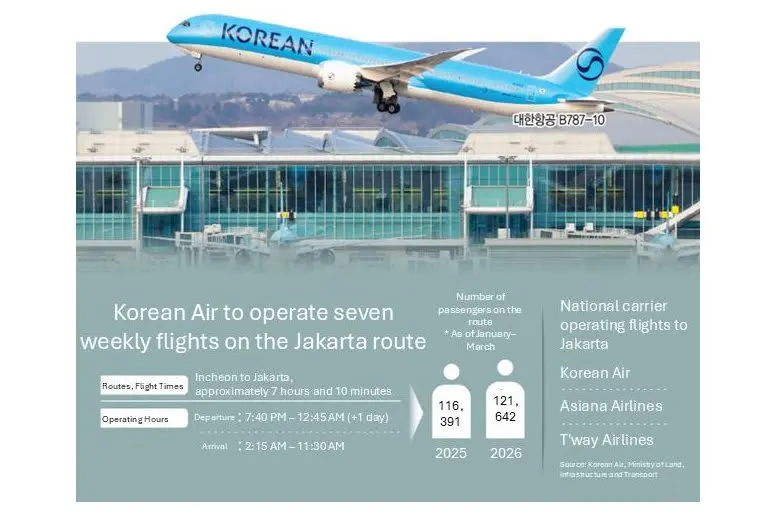
Korean Air will restore daily flights between Seoul and Jakarta in June 2026, intensifying competition with rivals on the key Southeast Asian route.
Key Takeaways
- •Korean Air restores daily Seoul-Jakarta flights starting June 2026.
- •Service uses a 325-seat Boeing 787-10 Dreamliner.
- •Move follows KFTC remedies for the Asiana Airlines merger.
- •Intensifies competition with new LCC entrant T'way Air.
Korean Air is set to restore daily service on its Seoul to Jakarta route starting in June 2026, a strategic move that re-establishes its full pre-merger frequency and intensifies South Korea aviation competition. The airline will deploy its modern Boeing 777-9 Dreamliner on the route, reintroducing significant widebody capacity just months after a new competitor entered the market.
The decision marks a pivotal moment in the wake of Korean Air's acquisition of Asiana Airlines. The frequency increase from twice-weekly back to a daily schedule follows regulatory mandates from the KFTC (Korea Fair Trade Commission), which required slot divestitures to prevent market dominance. This restoration directly challenges T'way Air, the first South Korean LCC (Low-Cost Carrier) to operate the route, which launched its own services in April 2026.
Growing Demand and Regulatory Framework
Passenger demand on the corridor between ICN (Incheon International Airport) and CGK (Soekarno-Hatta International Airport) has shown robust growth. According to data from South Korea's MOLIT (Ministry of Land, Infrastructure and Transport), passenger traffic on the route reached 121,642 travelers during the first quarter of 2026, representing a 4.5% year-on-year increase. This growing demand underpins the strategic importance of the route for both full-service and low-cost carriers.
The competitive landscape was reshaped by the KFTC's antitrust remedies tied to the Korean Air-Asiana merger. The regulator mandated that the combined entity transfer airport slots and traffic rights on 34 routes to prevent their market share from exceeding 50%. This opened the door for T'way Air to launch five-times-weekly flights on April 29, 2026, breaking the duopoly previously held by Korean Air and Asiana. According to the KFTC, the remedies were designed to ensure that total market capacity on affected routes was restored to at least 90% of pre-pandemic levels, preventing the merged airline from strategically reducing capacity.
Fleet Strategy and Stakeholder Impact
Korean Air's choice of aircraft for the restored service is the Boeing 787-10 Dreamliner. According to Korean Air's official fleet data, the aircraft is configured with 325 seats, comprising 36 in Prestige Class and 289 in Economy. Walter Cho, Chairman and CEO of Korean Air, has previously described the Boeing 787-10 fleet investment as "the core of our fleet modernisation strategy."
The return of daily widebody service has significant implications for market stakeholders:
- For T'way Air, the move presents a formidable challenge. The LCC now faces intensified competition from a full-service carrier offering superior frequency and a premium product just two months after its own launch.
- For corporate travelers, the restoration offers greater schedule flexibility and access to Korean Air's newer Prestige Suites 2.0 business class product on the 787-10.
- For Asiana Airlines, it continues its own daily service on the route as the two carriers proceed with operational integration, maintaining a high combined capacity under the merged entity.
Context and Comparison
The regulatory actions in South Korea mirror similar antitrust decisions in other major aviation markets. For instance, during the IAG acquisition of Air Europa in 2023-2024, the parent company of British Airways and Iberia offered to cede up to 52% of Air Europa's flights to competitors to satisfy European Union antitrust concerns. This precedent of requiring significant slot divestitures to approve major airline mergers is analogous to the KFTC's requirements for Korean Air, highlighting a global regulatory trend aimed at preserving competition.
Boeing 787-10 vs Boeing 787-9
The deployment of the 787-10, the largest variant of the Dreamliner family, underscores Korean Air's focus on high-capacity routes. Its specifications differ notably from the more common 787-9.
| Metric | Boeing 787-10 | Boeing 787-9 |
|---|---|---|
| Length | 68.3m | 63m |
| Maximum Range | 11,175 km | 12,575 km |
| Korean Air Capacity | 325 seats | 269 seats |
Technical Analysis
Korean Air's restoration of daily Jakarta flights is more than a simple schedule update; it is a calculated response to a post-merger regulatory environment. The move demonstrates a dual strategy: first, to comply with KFTC mandates by enabling competition, and second, to leverage superior fleet assets—the high-capacity Boeing 787-10—to defend market share against the new LCC entrant. This development is indicative of a broader industry pattern where legacy carriers, facing pressure from regulators to cede slots, use product quality, frequency, and modern widebody aircraft as their primary competitive levers against low-cost challengers on medium-haul international routes. The situation on the Seoul-Jakarta corridor serves as a microcosm of the evolving dynamic between airline consolidation, regulatory oversight, and LCC expansion across Asia.
What Comes Next
The restoration of daily, seven-times-weekly flights between Seoul Incheon and Jakarta is confirmed to begin in June 2026. As the integration of Asiana Airlines continues, the market will be watching to see how the combined entity coordinates schedules and fares with its former rival. In a statement on the merger, Jin Ho Lee, Senior Vice President at Korean Air, noted the goal was to offer "more flight options, improved schedules, and enhanced service."
Why This Matters
This development on the Seoul-Jakarta route is a significant case study in modern airline competition. It illustrates how regulatory intervention in a major airline merger can directly create opportunities for low-cost carriers. For the industry, it highlights the strategic playbook for legacy airlines in a consolidated market: using advanced, high-capacity aircraft to compete on service and frequency, thereby challenging the cost-focused model of new entrants.
Frequently Asked Questions
- Why is Korean Air increasing flights to Jakarta?
- Korean Air is restoring its daily service between Seoul and Jakarta in June 2026 to meet growing passenger demand and re-establish its network presence after its merger with Asiana Airlines was approved with conditions.
- What aircraft does Korean Air use on the Seoul-Jakarta route?
- Korean Air is deploying its modern Boeing 787-10 Dreamliner on the Seoul to Jakarta route. This aircraft is configured with 325 seats, including 36 in Prestige Class and 289 in Economy.
- How did the Asiana Airlines merger affect the Jakarta route?
- The Korea Fair Trade Commission (KFTC) required Korean Air to transfer airport slots on the route to competitors as a condition of approving the Asiana merger. This allowed low-cost carrier T'way Air to launch flights, increasing competition.
Access up-to-date commercial aviation news and airline industry developments via omniflights.com. Track policy changes, airspace rules, and global aviation governance in the Regulatory category at omniflights.com/regulatory.
Written by Hardik Vishwakarma
Co-Founder & Aviation News Editor leading initiatives that improve trust and visibility across the global aviation industry. Covers airlines, airports, safety, and emerging technology.
Visit ProfileYou Might Also Like
Discover more aviation news based on similar topics
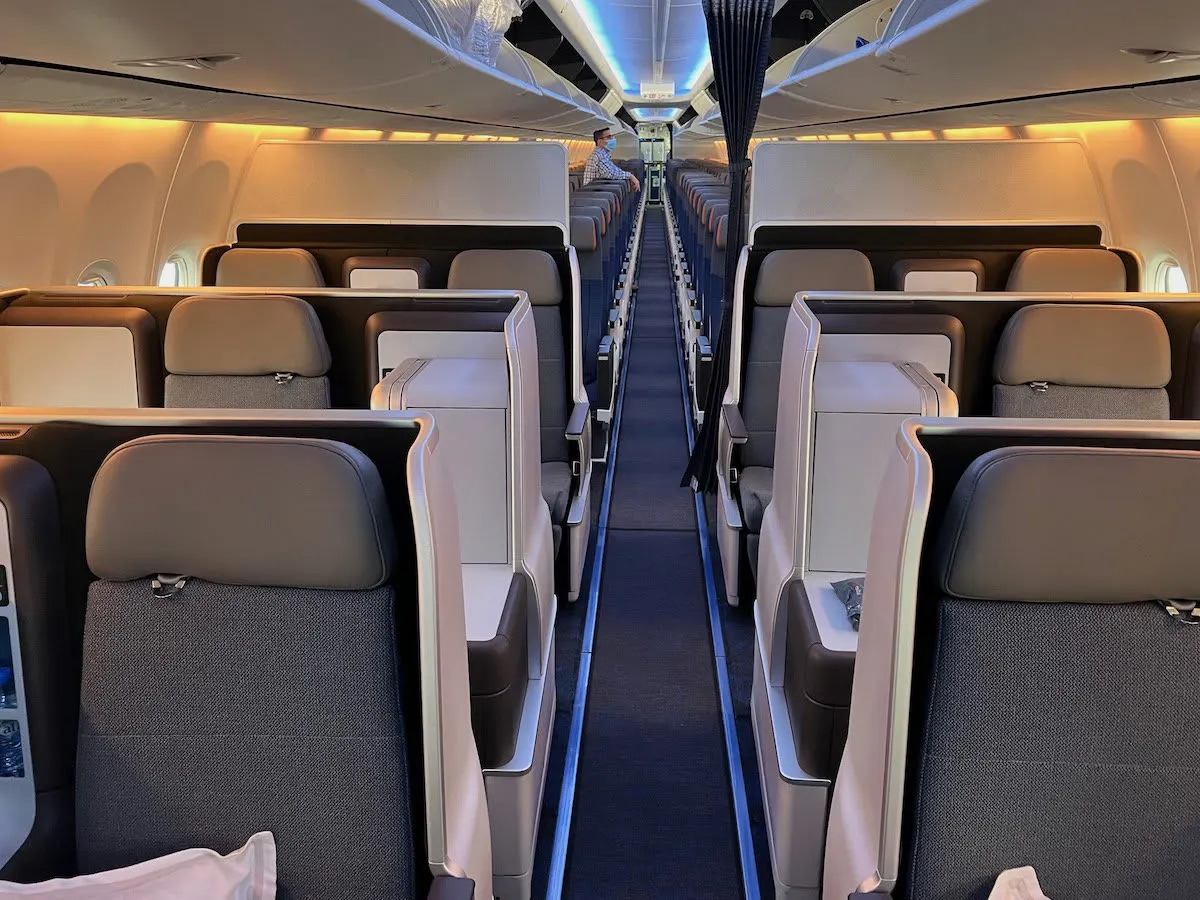
Flydubai Upgrading 21 Boeing 737 MAX 8s to Flat Bed Seats
Flydubai is retrofitting 21 Boeing 737 MAX 8 aircraft with lie-flat business class seats to standardize its premium product by late 2027.
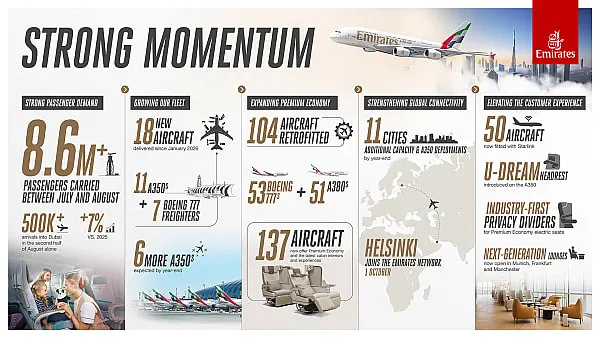
Emirates Winter Booking Momentum Grows Amid Fleet Expansion
Emirates carried 8.6 million passengers this summer and enters winter with strong demand as it accelerates fleet retrofits and network growth.
Air Arabia Consortium Gains AOC for New Dammam Budget Airline
A Saudi GACA-led consortium including Air Arabia has secured an AOC to launch a new budget airline based at Dammam's King Fahd International Airport.
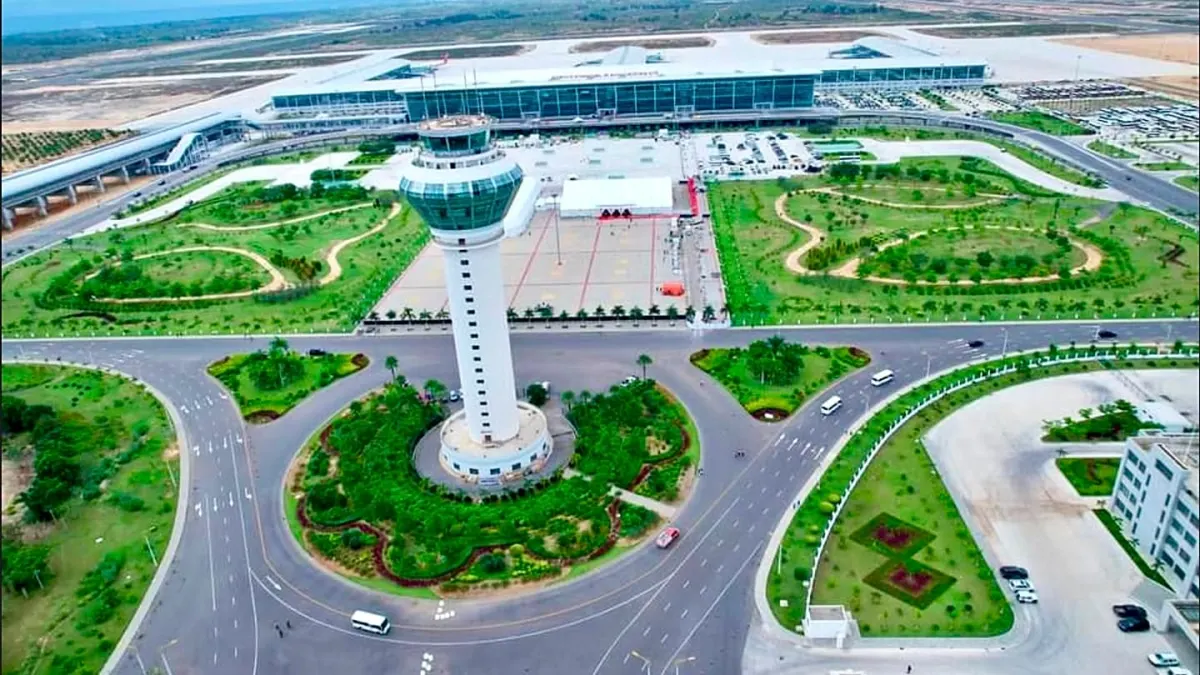
Turkish Airlines Exits Luanda as Angola Hub Struggles
Turkish Airlines dropped its Luanda route as Angola's new airport struggles to attract traffic, handling only 756,028 passengers in 2025.
Red Sea Airlines Leases Two 737 MAX 8s for 2027 Expansion
Red Sea Airlines signed a lease for two Boeing 737 MAX 8 aircraft from SMBC Aviation Capital, arriving in 2027 to support its 14-aircraft fleet goal.
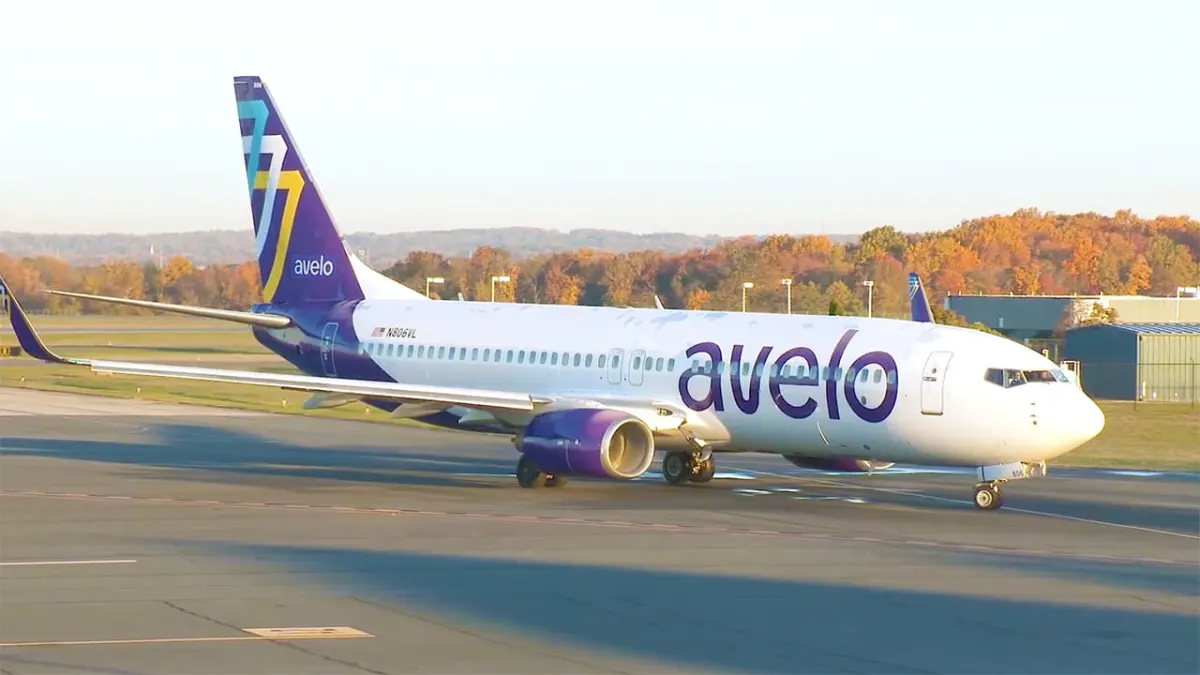
Avelo CEO Warns Airfares May Rise on Jet Fuel Price Spikes
Avelo Airlines CEO Andrew Levy warns that rising fuel costs may force fare increases as global jet fuel prices reach $171.01 per barrel.