Flynas Airlifts 6,149 Nigerian Pilgrims for Hajj 2026

Co-Founder & CEOAviation News Editor delivering trusted coverage across the global aviation industry.

Flynas airlifted 6,149 Nigerian pilgrims for Hajj 2026, completing over 50% of its allocation in one week using six Airbus A330 charter aircraft.
Key Takeaways
- •Flynas airlifted 6,149 Nigerian pilgrims, 50.2% of its 2026 Hajj allocation.
- •Six wide-body Airbus A330s with up to 430 seats are used for the operation.
- •NAHCON allocated a total of 12,210 pilgrims to Flynas from seven Nigerian states.
- •The airlift operates under a Nigeria-Saudi Arabia Bilateral Air Services Agreement.
Saudi low-cost carrier Flynas has transported 6,149 pilgrims from Nigeria to Saudi Arabia for the Flynas Hajj 2026, completing 50.25% of its total allocation in the first week of operations. The Nigerian pilgrims airlift involved 14 flights utilizing a dedicated fleet of Airbus A330 Hajj charter aircraft, flying passengers directly to Madinah.
The operation is a critical part of the annual pilgrimage, managed under a quota system by the National Hajj Commission of Nigeria (NAHCON). Flynas’s rapid progress in airlifting over half of its 12,210 allocated pilgrims underscores the logistical intensity and scale required for the Hajj. The successful execution is vital for both the airline and NAHCON to meet the strict travel deadlines imposed by Saudi authorities.
Operational Scale and Fleet Strategy
According to a statement from the airline, the 6,149 pilgrims were transported from multiple Nigerian airports, including those in Birnin Kebbi, Abuja, Lagos, and Minna. The breakdown of passengers by state includes 2,988 from Kebbi State, 2,379 from Ogun State, 424 from Nasarawa State, and 345 from Niger State, along with 13 NAHCON officials. The first of these flights began on May 4, 2026, with 418 pilgrims from Kebbi State.
Alhaji Umar Kaila, the Managing Director of First Planet Travels Limited and the General Sales Agent (GSA) for Flynas in Nigeria, confirmed the deployment of six wide-body Airbus A330 aircraft for the operation. He detailed that four of the aircraft feature a high-density configuration of 430 seats, while the remaining two are equipped with 345 seats. This strategy aligns with the broader industry trend of using high-capacity aircraft to maximize passenger throughput during the condensed Hajj season. To ensure smooth operations, Flynas also conducted refresher courses for over 100 of its local Nigerian staff members.
The direct flights to Madinah offer a significant benefit to pilgrims, reducing travel time and the fatigue associated with connecting flights. This logistical efficiency is a key deliverable for NAHCON, which is responsible for the welfare and timely transport of tens of thousands of citizens.
Regulatory and Historical Context
Flynas's involvement in the Nigerian Hajj airlift is governed by a Bilateral Air Services Agreement (BASA) between Nigeria and Saudi Arabia. This international treaty provides the legal framework for designated carriers to operate flights between the two nations. Flynas has been a designated carrier under this agreement since 2014, establishing a decade-long presence in this specialized market.
Historically, the Hajj airlift from Nigeria was often handled by domestic carriers, such as the now-defunct Med-View Airline. However, operational and financial challenges faced by local airlines created an opening for foreign carriers like Flynas to fill the capacity gap. While this ensures the quota is met, it has also sparked debate among Nigerian aviation advocates. Some argue that the reliance on foreign airlines leads to capital flight and represents a missed opportunity for the domestic aviation industry to develop its own long-haul charter capabilities.
Technical Analysis
The use of specifically configured Airbus A330s is central to the financial and operational viability of the Hajj airlift. The high-density layout allows the airline to transport significantly more passengers per flight compared to a standard configuration, which is essential for a price-sensitive charter market.
Airbus A330-300: Hajj Charter vs. Standard Layout
| Metric | Flynas Deployed Capacity | Standard 2-Class | Standard 3-Class |
|---|---|---|---|
| Seat Count | 430 seats | 277 seats | 250 seats |
This deployment is indicative of Flynas's broader strategy of expanding into African markets, particularly in the religious tourism sector. The airline has leveraged its low-cost structure and strategic location in Saudi Arabia to capture a significant share of the West African pilgrimage market, which has reportedly grown at a compound annual growth rate of 13.5% for the carrier. The official Flynas website lists its growing network of over 70 destinations.
What Comes Next
With the outbound operation well underway, Flynas and NAHCON are focused on completing the first phase of the airlift. According to the operational timeline, all outbound flights from Nigeria are expected to be completed by the end of May 2026. Following the conclusion of the Hajj rituals, the inbound or return airlift is confirmed to commence in June 2026, bringing the pilgrims back to Nigeria.
Why This Matters
Flynas's 2026 Hajj operation highlights the complex, large-scale logistics required for religious pilgrimage charters. It showcases a successful public-private partnership between a foreign airline and a national regulatory body to facilitate a time-sensitive national undertaking. The operation also reflects the strategic expansion of Middle Eastern low-cost carriers into specialized African travel markets, while simultaneously fueling the ongoing debate about domestic capacity versus foreign reliance in Nigeria's aviation sector.
Frequently Asked Questions
- How many pilgrims is Flynas flying for the 2026 Hajj from Nigeria?
- Flynas is allocated to transport 12,210 pilgrims from Nigeria for the 2026 Hajj, as designated by the National Hajj Commission of Nigeria (NAHCON). The airline is using six Airbus A330 aircraft for the operation.
- What kind of aircraft is Flynas using for the Hajj flights?
- Flynas has deployed six wide-body Airbus A330 aircraft. Four of these are in a high-density configuration with 430 seats, and two have 345 seats, specifically to maximize passenger capacity for the short Hajj travel window.
- Why is a Saudi airline flying Nigerian pilgrims?
- Flynas operates these flights under a Bilateral Air Services Agreement (BASA) between Nigeria and Saudi Arabia, which has been in place since 2014. This agreement provides the legal framework for designated carriers from both countries to conduct such airlifts.
Get breaking commercial aviation news and expert airline analysis at omniflights.com. For reporting on UAP sightings, investigations, and aviation-related encounters, see the UAPs section at omniflights.com/uaps.
Written by Hardik Vishwakarma
Co-Founder & Aviation News Editor leading initiatives that improve trust and visibility across the global aviation industry. Covers airlines, airports, safety, and emerging technology.
Visit ProfileYou Might Also Like
Discover more aviation news based on similar topics
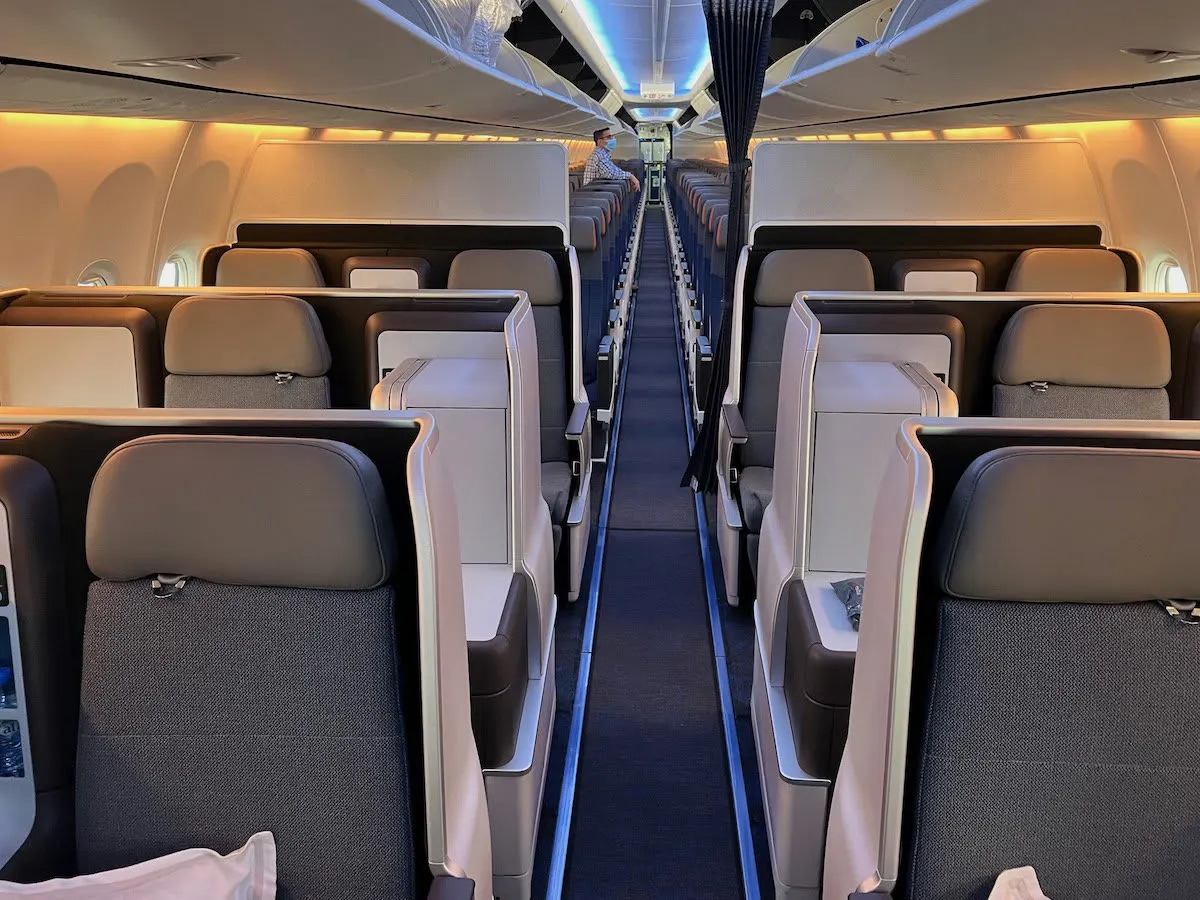
Flydubai Upgrading 21 Boeing 737 MAX 8s to Flat Bed Seats
Flydubai is retrofitting 21 Boeing 737 MAX 8 aircraft with lie-flat business class seats to standardize its premium product by late 2027.
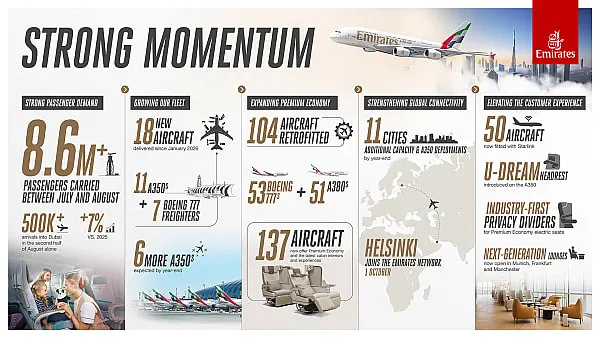
Emirates Winter Booking Momentum Grows Amid Fleet Expansion
Emirates carried 8.6 million passengers this summer and enters winter with strong demand as it accelerates fleet retrofits and network growth.
Air Arabia Consortium Gains AOC for New Dammam Budget Airline
A Saudi GACA-led consortium including Air Arabia has secured an AOC to launch a new budget airline based at Dammam's King Fahd International Airport.

Turkish Airlines Exits Luanda as Angola Hub Struggles
Turkish Airlines dropped its Luanda route as Angola's new airport struggles to attract traffic, handling only 756,028 passengers in 2025.

Red Sea Airlines Leases Two 737 MAX 8s for 2027 Expansion
Red Sea Airlines signed a lease for two Boeing 737 MAX 8 aircraft from SMBC Aviation Capital, arriving in 2027 to support its 14-aircraft fleet goal.
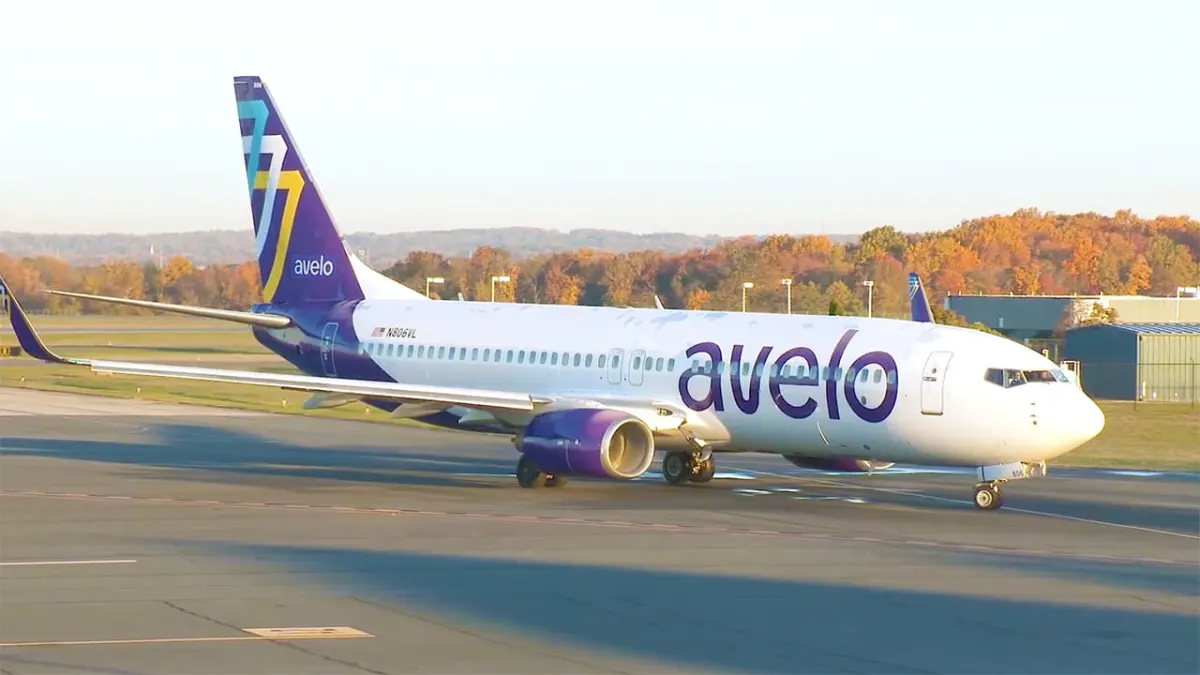
Avelo CEO Warns Airfares May Rise on Jet Fuel Price Spikes
Avelo Airlines CEO Andrew Levy warns that rising fuel costs may force fare increases as global jet fuel prices reach $171.01 per barrel.