Air France-KLM Eyes 'The Blue Group' Rebrand Amid Expansion

Co-Founder & CEOAviation News Editor delivering trusted coverage across the global aviation industry.

Air France-KLM may rebrand as 'The Blue Group' to better integrate new airlines as it raises its SAS stake to 60.5% and bids for TAP Air Portugal.
Key Takeaways
- •Air France-KLM considers 'The Blue Group' rebrand for expansion.
- •Group to increase its stake in SAS to 60.5% by H2 2026.
- •Bidding for a 44.9% stake in TAP Air Portugal against IAG.
- •Rebranding follows the neutral holding company model of IAG.
In a strategic move reflecting the final stages of European airline consolidation, Air France-KLM is considering a corporate rebranding to 'The Blue Group'. This potential name change aims to create a neutral holding company identity, facilitating the integration of newly acquired airlines as the group finalizes its SAS majority stake and pursues the TAP Air Portugal privatization. The move signals a significant shift in corporate strategy, aligning the Franco-Dutch group with competitors like International Airlines Group (IAG).
The proposed rebranding is a direct response to the group's expanding portfolio. By adopting a name that is not tied to its two founding national carriers, the company aims to create a more inclusive structure for current and future airline members. An Air France-KLM spokesperson confirmed the strategic discussions, stating, "It is perfectly logical to hold the discussion about a new name, given that we plan to add new brands to the Air France-KLM Group. After all, the current name only reflects our two historical brands."
Strategic Acquisitions Driving Change
The primary driver for the rebranding is the group's ongoing acquisition activity. Air France-KLM is set to increase its holding in SAS (Scandinavian Airlines System) from its current 19.9% to a controlling 60.5% stake. According to details from Air France-KLM Investor Relations, this transaction is expected to close in the second half of 2026, pending antitrust clearance from the European Commission (EC). The acquisition will see SAS exit Star Alliance and join the SkyTeam alliance, significantly strengthening Air France-KLM's presence in Northern Europe.
Simultaneously, the group is a leading contender in the privatization of TAP (Transportes Aéreos Portugueses). The Portuguese government, through its state holding company Parpública, is selling a 44.9% stake in its flag carrier, a process mandated by the EC following a €3.2 billion state aid package. TAP represents a highly strategic asset due to its dominant position in the Europe-to-Brazil market, where it commands 25.6% of seat capacity, according to OAG Schedules Analyser. The airline carried 16.1 million passengers in 2024, generating €4.2 billion in revenue. Securing TAP would give the winning bidder control over a majority of slots at Lisbon Humberto Delgado Airport (LIS), a key transatlantic gateway.
European Consolidation and Brand Strategy
This move is part of a broader industry trend toward consolidation and the adoption of neutral holding company structures. The model for the 'Blue Group' concept is explicitly the International Airlines Group (IAG), which was formed in 2011 through the merger of British Airways and Iberia. The neutral IAG name allowed the group to later acquire Aer Lingus and Vueling without brand hierarchy conflicts.
This contrasts with the strategy employed by Lufthansa Group, which retained its primary brand at the holding company level while operating acquired carriers like Swiss and Austrian Airlines as distinct entities. Air France-KLM's decision to follow the IAG precedent signals a belief that a neutral identity is more effective for managing a multi-national, multi-brand portfolio. However, the proposal is not without internal debate. Some senior figures within the company have reportedly expressed concern that a neutral name erases the historic prestige of its founding brands, while industry commentators have noted the potential for brand confusion with the U.S. carrier JetBlue.
For stakeholders, the implications are significant. A successful bid for TAP would likely see another major European carrier leave Star Alliance, following SAS's planned departure. The acquisition would also give the new owner control of approximately 53% of the slots at LIS, reshaping competition at the airport. As part of the privatization, TAP Air Portugal employees will be offered a 5% equity stake in the airline.
Technical Analysis
The potential rebranding of Air France-KLM to 'The Blue Group' is more than a cosmetic change; it represents a fundamental strategic pivot to compete in the mature European aviation market. This development indicates the industry is moving toward a stable structure dominated by three major conglomerates: IAG, Lufthansa Group, and the expanded Air France-KLM entity. The adoption of the neutral holding company model, pioneered by IAG, appears to be the winning formula for integrating distinct national brands without alienating local identities or creating internal brand conflicts. By pursuing both SAS and TAP, Air France-KLM is strategically targeting geographic weaknesses—Northern Europe and the South Atlantic—to build a network that can rival its competitors in scale and scope. This consolidation is the logical conclusion of decades of liberalization and economic pressures, leading to fewer, but more powerful, airline groups.
What Comes Next
The timeline for these strategic moves is concentrated in the near future. The European Commission is expected to deliver its ruling on the SAS majority stake acquisition in the second half of 2026. Interested parties can monitor the proceedings via the EC's competition case database.
Meanwhile, the Portuguese government is expected to receive binding offers for its 44.9% stake in TAP Air Portugal and announce a decision by mid-to-late 2026. TAP CEO Luís Rodrigues has emphasized that the airline's management remains focused on operational performance amid the uncertainty. "We've been preparing for the whole process by running the airline to the best of our abilities," he stated. "We need to run this as if privatization isn't going to happen."
Why This Matters
This development signals the endgame in European airline consolidation, solidifying a market structure dominated by three major groups. The potential 'Blue Group' name reflects a strategic acceptance that future growth will come from acquiring other national carriers, not just organic expansion of the core Air France and KLM brands. For the aviation industry, it reinforces the IAG model as the blueprint for multi-brand success. For travelers, it may eventually lead to more integrated networks and loyalty programs across a wider range of European airlines under a single corporate parent.
Frequently Asked Questions
- Why is Air France-KLM considering a name change to 'The Blue Group'?
- Air France-KLM is considering the name change to establish a neutral holding company identity. This would make it easier to integrate newly acquired airlines, such as SAS and potentially TAP Air Portugal, without prioritizing the original French and Dutch brands.
- What is Air France-KLM's planned stake in SAS?
- Air France-KLM currently holds a 19.9% stake in Scandinavian Airlines System (SAS) and plans to increase it to a controlling majority of 60.5%. This transaction is expected to be completed in the second half of 2026, pending regulatory approval.
- Who is competing to buy TAP Air Portugal?
- The main competitors for the 44.9% stake in TAP Air Portugal are Europe's largest airline conglomerates: Air France-KLM, Lufthansa Group, and International Airlines Group (IAG). The Portuguese government is managing the privatization process.
Visit omniflights.com for the latest commercial aviation news and airline industry updates. Follow aviation sustainability efforts, emissions research, and green initiatives in the Environmental section at omniflights.com/environmental.
Written by Hardik Vishwakarma
Co-Founder & Aviation News Editor leading initiatives that improve trust and visibility across the global aviation industry. Covers airlines, airports, safety, and emerging technology.
Visit ProfileYou Might Also Like
Discover more aviation news based on similar topics
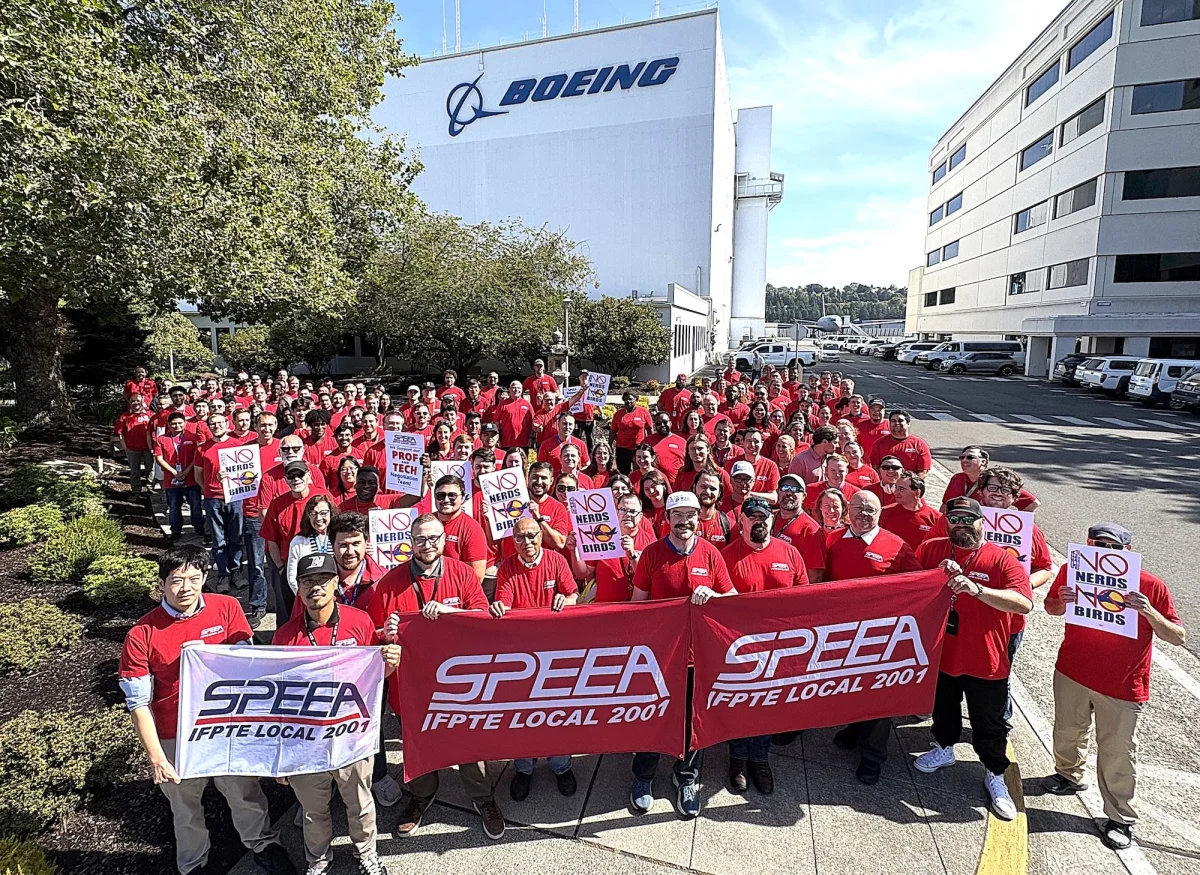
Boeing Tightens Spending Ahead of Critical SPEEA Union Vote
Boeing has implemented spending controls and a hiring freeze as it faces a critical contract ratification vote with its 17,000-member engineering union.
Boeing CEO Kelly Ortberg Warns of 777X Certification Delay
Boeing CEO Kelly Ortberg warned that a potential strike by 17,000 engineers would immediately halt the 777X certification and production programs.
American and United Plan Capacity Cuts Amid Fuel Cost Surge
American and United are trimming flight schedules to offset a $1 billion fuel cost spike while maintaining strong pricing power.
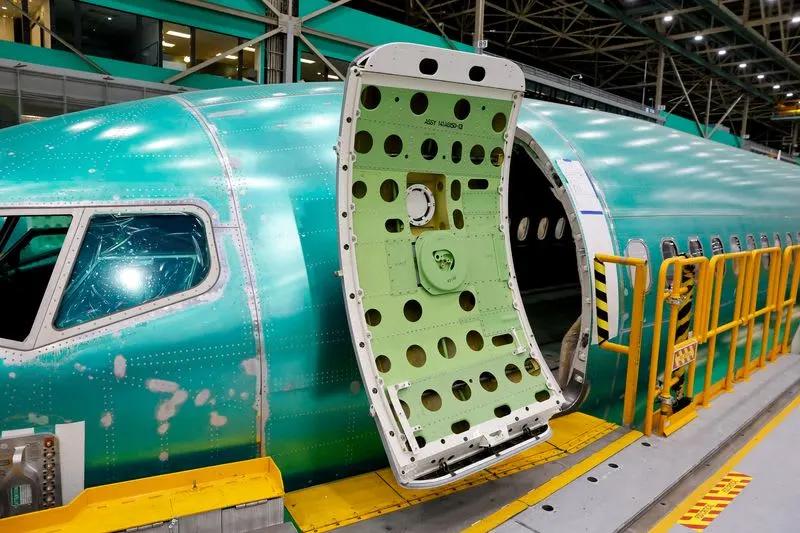
Boeing CEO Reports 737 MAX Output Stabilization Delays
Boeing CEO Kelly Ortberg reports slower 737 MAX production stabilization, prompting a downward revision in 2026 free cash flow expectations to $2 billion.
Boeing Finalizes KAL Order, Salvages Turkish Airlines Deal
Boeing secured a $36.2 billion order from Korean Air Lines for 103 aircraft and nears a resolution on a 150-jet deal with Turkish Airlines.
Airbus Forecasts 42,000 New Jets Amid Strong Global Demand
Airbus expects 42,000 new aircraft deliveries globally by 2045, with 45% of demand concentrated in the Asia-Pacific region.