Lufthansa Cuts 20,000 Flights Amid Jet Fuel Price Surge

Co-Founder & CEOAviation News Editor delivering trusted coverage across the global aviation industry.
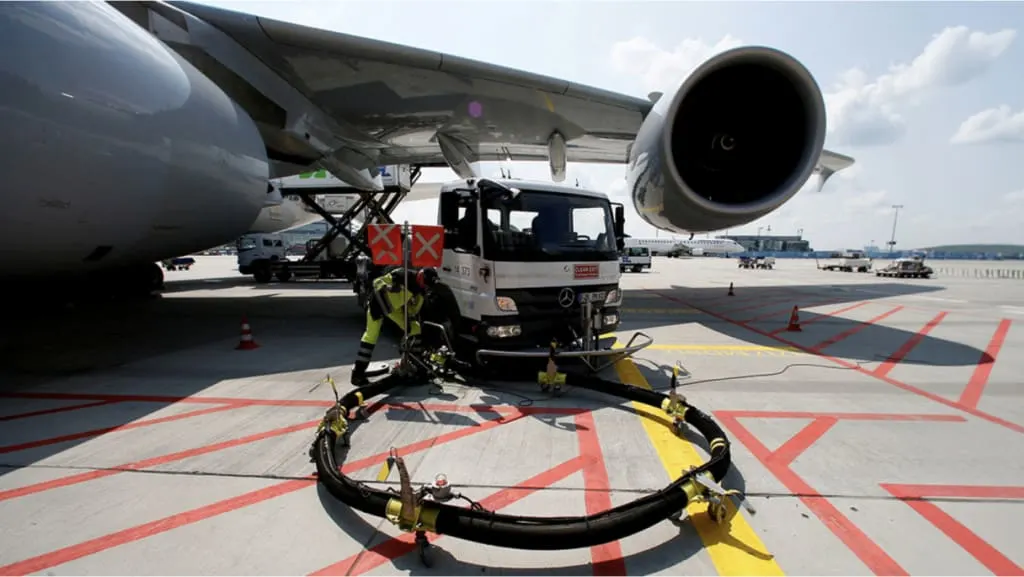
A global jet fuel price surge to $150-$200/barrel has forced Lufthansa to cut 20,000 flights, part of a 2 million seat reduction worldwide.
Key Takeaways
- •Jet fuel prices surged to $150-$200 per barrel, up from $85.
- •Lufthansa is canceling 20,000 short-haul flights through Oct 2026.
- •Global airline capacity was cut by 2 million seats in May 2026.
- •Unhedged carriers face distress; Spirit Airlines ceased operations.
A severe jet fuel price surge is forcing a significant recalibration of global airline networks, leading to widespread flight cancellations and higher ticket prices for travelers. The spike, triggered by the recent closure of the Strait of Hormuz, has pushed the cost of jet fuel from a stable $85-$90 per barrel to between $150 and $200. This dramatic increase in operating costs has prompted immediate and substantial global aviation capacity cuts, with Lufthansa Group announcing one of the most aggressive responses to date.
The German airline group has initiated Lufthansa flight cancellations totaling 20,000 short-haul flights scheduled through October 2026. This move is part of a broader industry trend that saw approximately 2 million airline seats, equivalent to 13,000 flights, removed from global schedules in May 2026 alone, according to data from aviation analytics firm Cirium. For passengers, the consequences are twofold: reduced flight availability, particularly on regional routes, and the implementation of new airline fuel surcharges designed to pass on the higher costs.
Lufthansa's Network Restructuring
Lufthansa's capacity reduction is a direct measure to conserve fuel and cash. The airline stated the cuts are expected to save approximately 40,000 metric tons of jet fuel. A key component of this strategy involves permanently retiring older, less efficient aircraft. The company confirmed that 27 Lufthansa CityLine aircraft are being permanently withdrawn from operation, effectively shrinking its regional fleet.
The impact is most acute for European short-haul passengers, who face reduced frequencies and the outright cancellation of routes connecting hubs like Frankfurt and Munich to smaller cities such as Stavanger, Bydgoszcz, and Rzeszów. This also creates significant uncertainty for Lufthansa CityLine employees as the subsidiary's operations are phased down. The airline's Chief Technology Officer, Grazia Vittadini, highlighted the instability in the supply chain, stating, "Our (jet fuel) suppliers are changing their forecasting windows, and they're no longer keen to give an outlook over a time window that goes beyond one month." This contrasts with the more optimistic view from Luis Gallego, Chief Executive of IAG, who noted he does not expect "any interruption for the summer" regarding fuel supplies.
Widespread Industry Impact
The financial pressure is not limited to legacy carriers. The crisis has proven catastrophic for unhedged low-cost carriers that are highly exposed to spot fuel prices. The abrupt shutdown of Spirit Airlines serves as a stark example of the financial distress faced by airlines without robust fuel hedging programs. To offset the rising costs, other major carriers are raising fares. Air France-KLM announced it is increasing fares in long-haul cabins by €50.
This trend of passing costs to consumers is being formalized through regulatory bodies like the Civil Aeronautics Board (CAB), which is adjusting allowable passenger fuel surcharges. The crisis has also prompted a swift response from European regulators. The European Commission adopted the METSAF (Temporary Crisis and Transition Framework) on April 29, 2026, to provide targeted temporary support for sectors hit hard by the energy price surge. Additionally, the commission introduced the EU Fuel Observatory in May 2026 to monitor fuel supply and refining capacity.
Historical Parallels
This situation mirrors previous geopolitical and economic shocks that have rocked the aviation industry. In February 2022, the Russian invasion of Ukraine caused a similar spike in Brent crude and jet fuel prices, leading to higher ticket prices and costly rerouting to avoid Russian airspace. The current crisis follows that pattern of a geopolitical event directly translating into higher operating costs for airlines.
The scale and speed of the capacity cuts are also reminiscent of the industry's response to the COVID-19 pandemic in March 2020. The sudden imposition of travel bans forced a massive grounding of fleets and immediate schedule reductions. The current removal of 2 million seats globally, while less severe than the pandemic's peak, demonstrates the same operational reflex: airlines rapidly slash capacity to stanch financial losses during severe market disruptions.
Technical Analysis
The current fuel crisis is acting as an accelerant for a pre-existing industry trend: the consolidation of airline networks and the elimination of marginally profitable regional routes. While the fuel price surge is the immediate catalyst, some analysts argue that carriers are using the disruption as an opportunity to permanently cut routes that were already underperforming. The retirement of 27 older CityLine jets by Lufthansa supports this view, as it removes less fuel-efficient aircraft that are expensive to operate even in a stable cost environment. This development suggests a long-term strategic shift, prioritizing hub-and-spoke efficiency and long-haul profitability over comprehensive short-haul connectivity. The financial failure of an unhedged carrier like Spirit Airlines underscores the unforgiving nature of the airline business model, where fuel price volatility can erase thin margins almost overnight. This event will likely force a renewed focus on sophisticated fuel hedging strategies across the industry.
What Comes Next
The immediate future for the aviation industry remains tied to the price of fuel. The EU Fuel Observatory, implemented in May 2026, will provide crucial data on supply chain stability. According to Lufthansa Group's investor relations, the current schedule reductions are expected to last through October 2026, though this timeline is subject to change based on market conditions. Travelers should anticipate continued schedule volatility and elevated fares throughout the summer travel season. The global price of jet fuel can be tracked via the IATA Jet Fuel Price Monitor.
Why This Matters
This jet fuel crisis is more than a temporary disruption; it is a stress test for the post-pandemic recovery of the global aviation industry. It exposes the vulnerability of airline business models, particularly low-cost carriers, to external geopolitical shocks. For travelers, it signals a period of higher costs and reduced convenience, while for the industry, it forces a difficult but necessary re-evaluation of network strategy, fleet composition, and financial risk management.
Frequently Asked Questions
- Why is Lufthansa canceling 20,000 flights?
- Lufthansa is canceling 20,000 short-haul flights to save an estimated 40,000 metric tons of fuel amid a global price surge. Jet fuel costs more than doubled to $150-$200 per barrel, making many short-haul routes unprofitable.
- How much has global airline capacity been reduced by the fuel crisis?
- According to aviation analytics firm Cirium, global airline capacity was cut by approximately 2 million seats, equivalent to 13,000 flights, in May 2026 alone due to the sharp increase in jet fuel prices.
- What caused the recent surge in jet fuel prices?
- The surge in jet fuel prices to $150-$200 per barrel was caused by geopolitical instability in the Middle East, specifically the closure of the Strait of Hormuz following a conflict involving the US, Israel, and Iran.
omniflights.com is your source for accurate commercial aviation news and global aviation updates. Track policy changes, airspace rules, and global aviation governance in the Regulatory category at omniflights.com/regulatory.
Written by Hardik Vishwakarma
Co-Founder & Aviation News Editor leading initiatives that improve trust and visibility across the global aviation industry. Covers airlines, airports, safety, and emerging technology.
Visit ProfileYou Might Also Like
Discover more aviation news based on similar topics
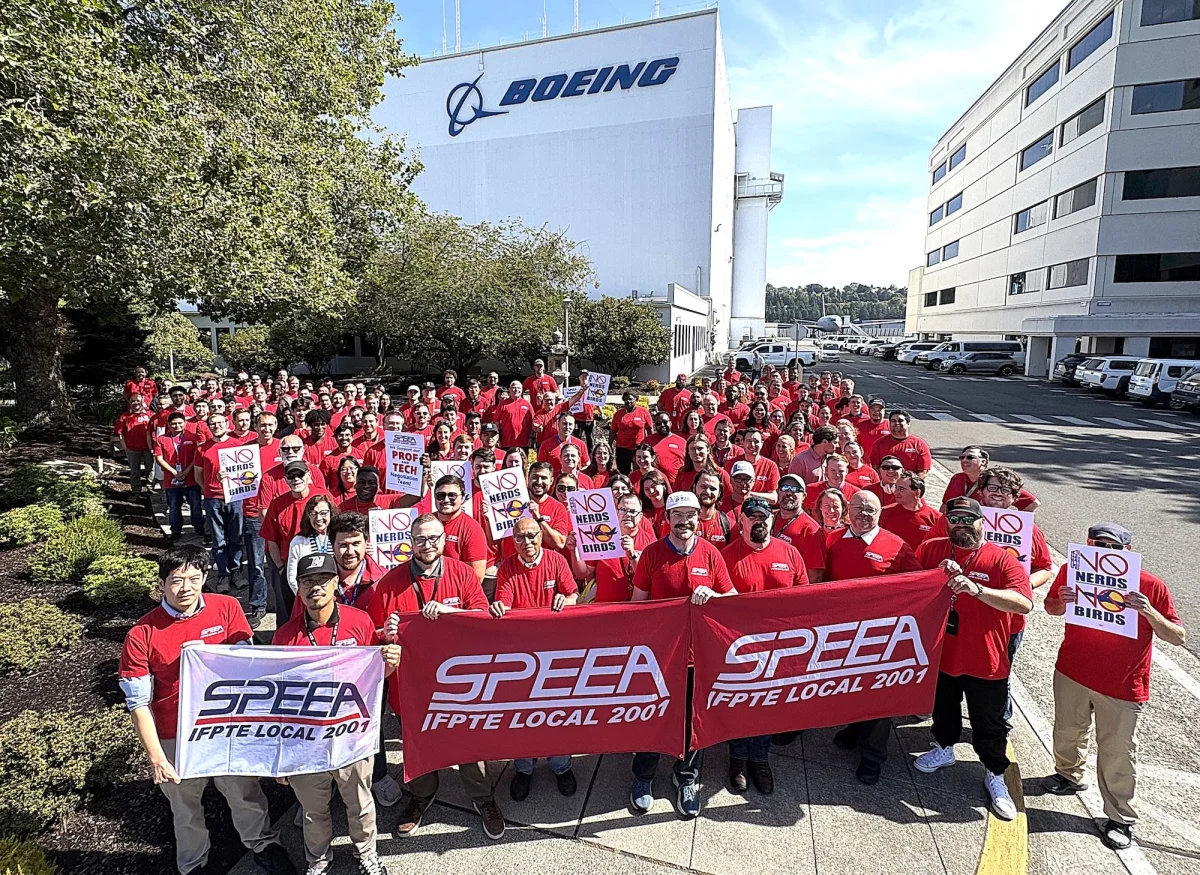
Boeing Tightens Spending Ahead of Critical SPEEA Union Vote
Boeing has implemented spending controls and a hiring freeze as it faces a critical contract ratification vote with its 17,000-member engineering union.
Boeing CEO Kelly Ortberg Warns of 777X Certification Delay
Boeing CEO Kelly Ortberg warned that a potential strike by 17,000 engineers would immediately halt the 777X certification and production programs.
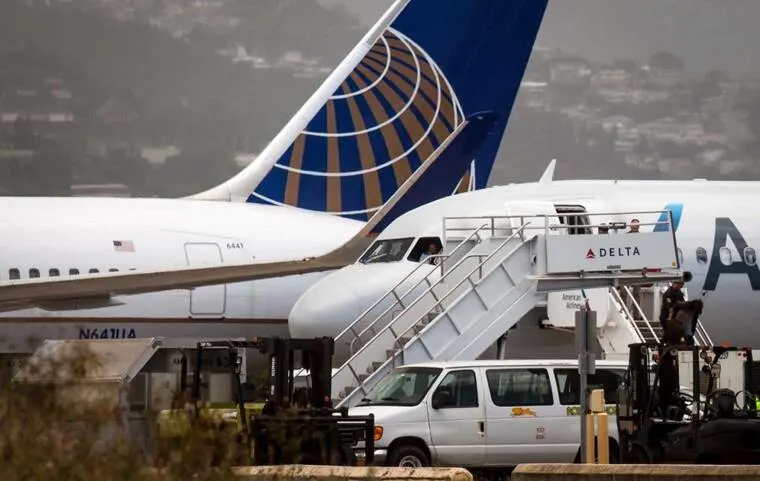
American and United Plan Capacity Cuts Amid Fuel Cost Surge
American and United are trimming flight schedules to offset a $1 billion fuel cost spike while maintaining strong pricing power.
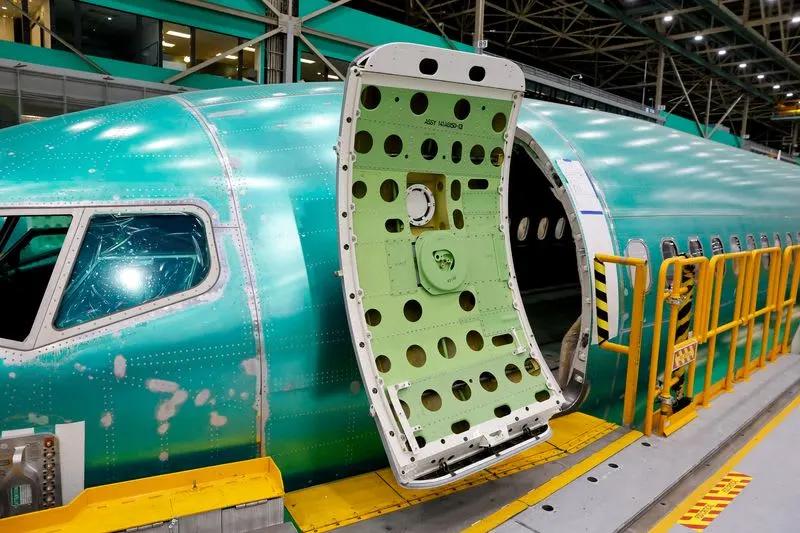
Boeing CEO Reports 737 MAX Output Stabilization Delays
Boeing CEO Kelly Ortberg reports slower 737 MAX production stabilization, prompting a downward revision in 2026 free cash flow expectations to $2 billion.
Boeing Finalizes KAL Order, Salvages Turkish Airlines Deal
Boeing secured a $36.2 billion order from Korean Air Lines for 103 aircraft and nears a resolution on a 150-jet deal with Turkish Airlines.
Airbus Forecasts 42,000 New Jets Amid Strong Global Demand
Airbus expects 42,000 new aircraft deliveries globally by 2045, with 45% of demand concentrated in the Asia-Pacific region.