United Airlines to Equip 1,000 Planes With Starlink by 2026

Co-Founder & CEOAviation News Editor delivering trusted coverage across the global aviation industry.
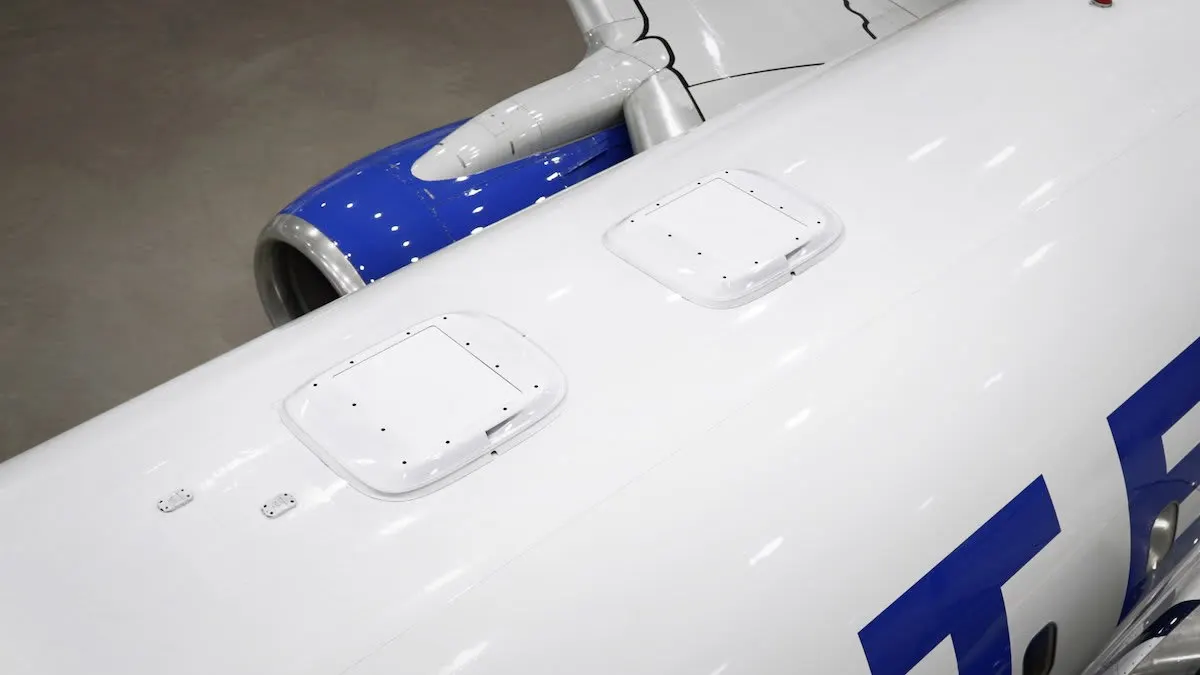
United Airlines will equip 1,000 aircraft with Starlink by 2026, offering free in-flight connectivity to MileagePlus members across its global fleet.
Key Takeaways
- •United will equip 1,000 aircraft with Starlink by late 2026.
- •Over 400 narrowbody and regional planes already feature Starlink.
- •Full widebody fleet outfitting is expected by Summer 2027.
- •Free Wi-Fi access is exclusive to MileagePlus members.
United Airlines Accelerates Fleet-Wide Starlink Deployment
United Airlines is accelerating its digital transformation, confirming plans to equip nearly 1,000 aircraft with Starlink Wi-Fi by the end of 2026. This initiative provides free in-flight connectivity exclusively to MileagePlus members, positioning the carrier at the forefront of the industry’s transition to high-speed, satellite-based internet. The airline recently reached a major milestone by completing its first widebody transatlantic flight equipped with the technology, operating a Boeing 777-200 from Newark Liberty International Airport (EWR) to London Heathrow Airport (LHR).
The Strategic Shift to LEO Technology
The move represents a significant departure from legacy Geostationary Earth Orbit (GEO) satellite systems used by competitors. By leveraging Low Earth Orbit (LEO) satellite constellations, United aims to deliver latency and bandwidth performance that mirrors home internet access. According to United Airlines, more than 400 regional and narrowbody aircraft are already outfitted with the system. The airline expects to have nearly 60 widebody aircraft equipped by the end of 2026, with the remainder of its approximately 256-plane widebody fleet scheduled for completion by Summer 2027.
Regulatory and Technical Hurdles
Each installation requires a Supplemental Type Certificate (STC) issued by the Federal Aviation Administration (FAA) to ensure the safe integration of radomes and antennas into the airframe. The FAA Airworthiness Directives & Regulations portal tracks these complex certification requirements, which must be tailored to each of the 16+ aircraft variants in United's diverse fleet. For passengers, the Starlink Aviation platform provides high-speed access capable of supporting live streaming and real-time collaboration, features previously limited by the high latency of traditional GEO satellite networks.
Starlink (LEO) vs Legacy Providers (GEO): Key Specifications
| Metric | Starlink (LEO) | Legacy Providers (GEO) |
|---|---|---|
| Orbit Altitude | 340 miles | 22,000 miles |
| Latency | 30-40 ms | 600+ ms |
| Typical Download Speed | 50-220 Mbps | 12-100 Mbps |
The Competitive Landscape
While United views this rollout as a primary differentiator, legacy providers like Viasat and Panasonic Avionics maintain that multi-orbit solutions remain sufficient for modern demands. However, the shift toward tying free, high-speed access to loyalty programs—a model popularized by Delta Air Lines in 2023—is forcing a broader industry re-evaluation of connectivity as a revenue stream versus a customer retention tool. Meanwhile, the rapid deployment of LEO mega-constellations has drawn criticism from the American Astronomical Society regarding potential light and radio frequency pollution, which may impact ground-based astronomical observations.
What Comes Next: The 2027 Fleet Milestone
The rollout is expected to continue at an aggressive pace through the end of 2026, with a firm target for the entire widebody fleet to be outfitted by Summer 2027. Future efforts will focus on scaling the STC process across the remaining narrowbody sub-fleets to ensure consistent coverage for all MileagePlus members. As the installation count approaches the 1,000-aircraft threshold, the airline anticipates a measurable shift in passenger satisfaction metrics related to onboard entertainment and productivity.
Why This Matters for the Passenger Experience
For the modern traveler, the transition to LEO-based internet signifies the end of the 'digital desert' previously experienced at 35,000 feet. By removing cost barriers for loyalty members, United is betting that the quality of in-flight connectivity will become a decisive factor in airline selection for business and leisure travelers alike. This development marks a structural shift in how carriers define the value of their onboard product in an increasingly connected global market.
Frequently Asked Questions
- What is the difference between Starlink and traditional in-flight Wi-Fi?
- Starlink uses Low Earth Orbit (LEO) satellites at an altitude of 340 miles, which provides lower latency (30-40 ms) and higher speeds (50-220 Mbps) compared to traditional Geostationary Earth Orbit (GEO) providers that operate at 22,000 miles.
- How many United aircraft will have Starlink by the end of 2026?
- United Airlines plans to have nearly 1,000 aircraft equipped with Starlink Wi-Fi by the end of 2026, including nearly 60 widebody aircraft.
Get breaking commercial aviation news and expert airline analysis at omniflights.com. Follow aviation sustainability efforts, emissions research, and green initiatives in the Environmental section at omniflights.com/environmental.
Written by Hardik Vishwakarma
Co-Founder & Aviation News Editor leading initiatives that improve trust and visibility across the global aviation industry. Covers airlines, airports, safety, and emerging technology.
Visit ProfileYou Might Also Like
Discover more aviation news based on similar topics

Autonomous Fixed-Wing Aircraft Development Gains Momentum
Start-ups are advancing autonomous fixed-wing aircraft for agricultural and cargo tasks, aiming to prove safety before pursuing passenger operations.

Boeing 787-9 Completes Short Inlet Tests in Montana
Boeing completed 52 hours of flight tests on a 787-9 with an experimental 30% shorter engine inlet to evaluate noise and fuel efficiency.
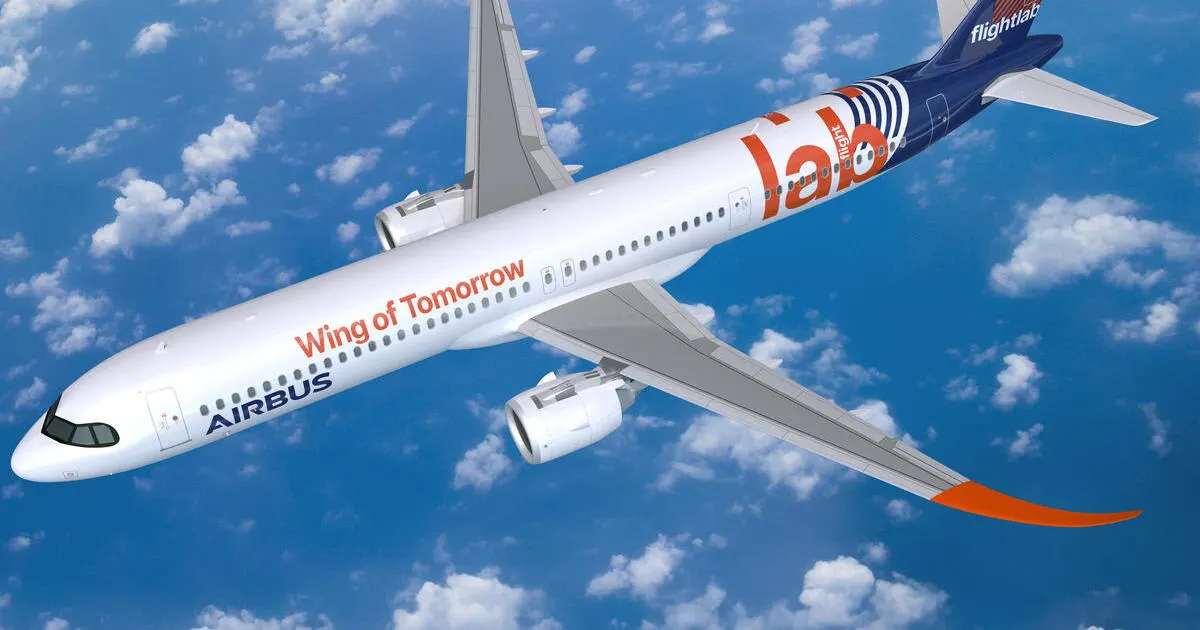
Airbus A321neo to Test Folding Wings of Tomorrow Project
Airbus launched a three-year flight-test campaign using an A321neo to evaluate folding wings that extend up to five meters.
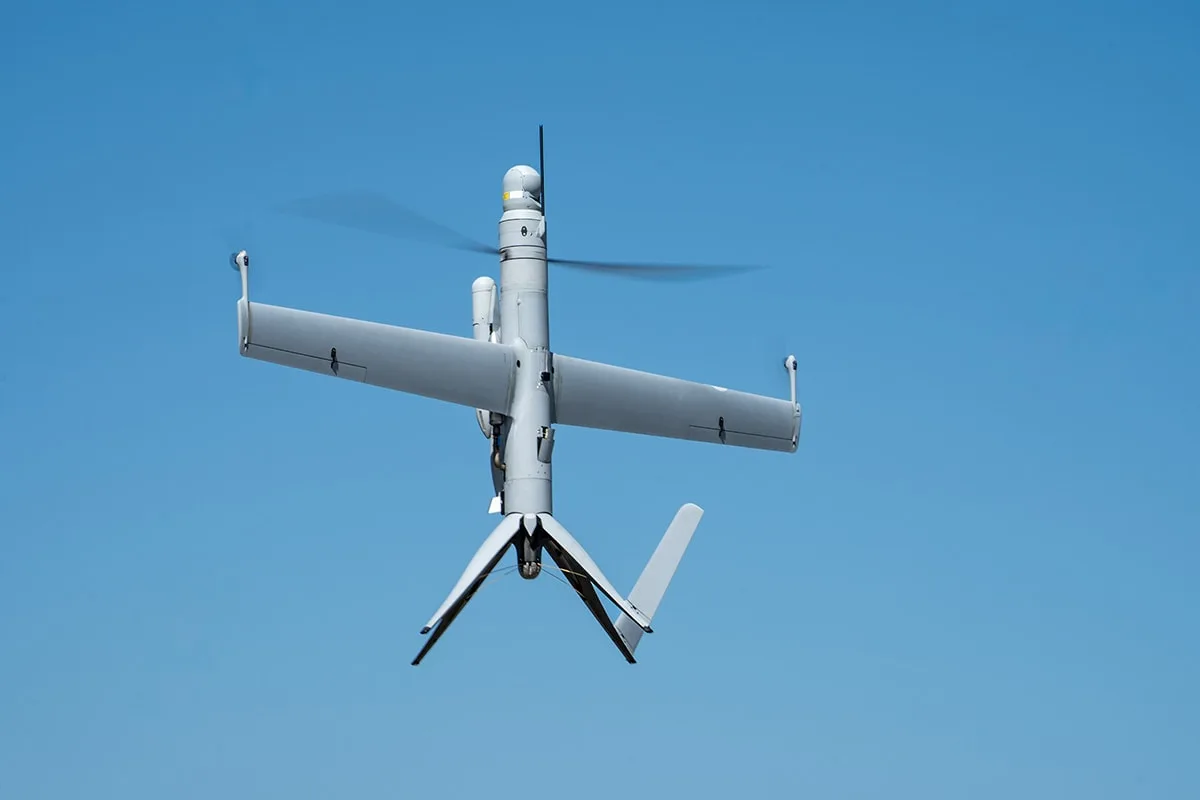
Voyageur Orders Canada's First Airbus U030 Flexrotor
Voyageur Aviation ordered Canada's first Airbus U030 Flexrotor, a 25 kg tactical drone, to expand its maritime and Arctic surveillance capabilities.
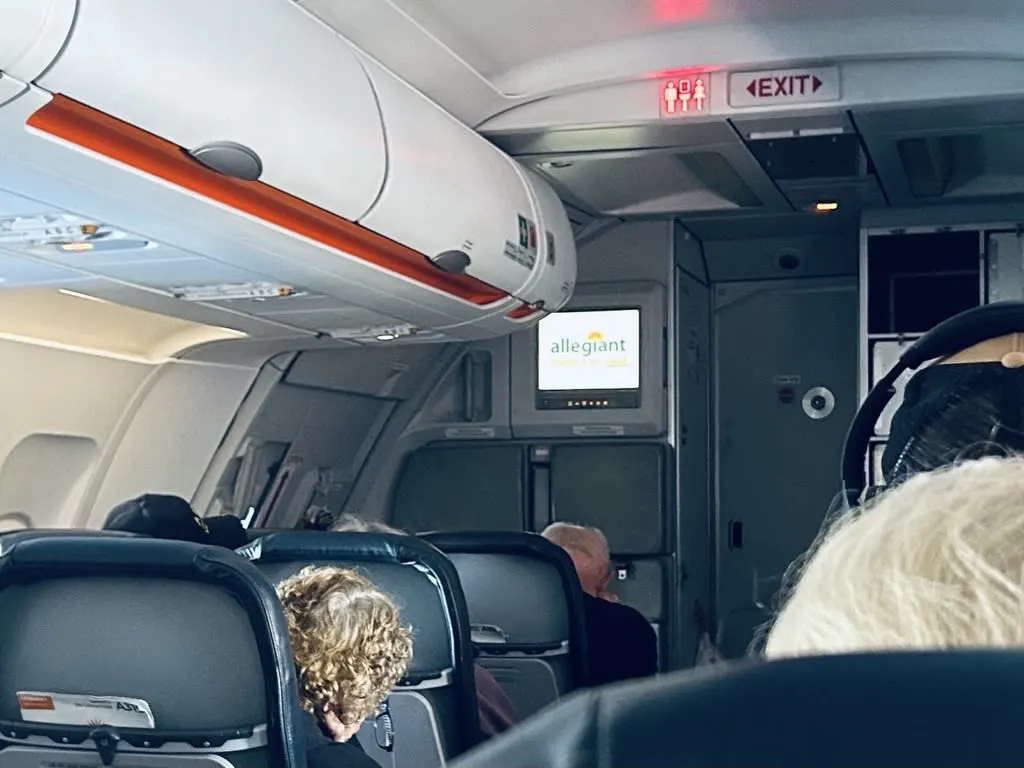
LATAM Selects SES Multi-Orbit Wi-Fi for 60+ New Jets
LATAM Airlines signed a multi-year deal with SES to equip more than 60 incoming Airbus and Embraer aircraft with multi-orbit satellite Wi-Fi.

Lufthansa 787-9 Tests Tech to Cut Fuel and Noise
Boeing, Lufthansa, and Rolls-Royce partnered to test emissions-reducing technologies on a 787-9, targeting a 20% fuel efficiency improvement.