United Airlines Mandates Headphones in Updated Passenger Contract

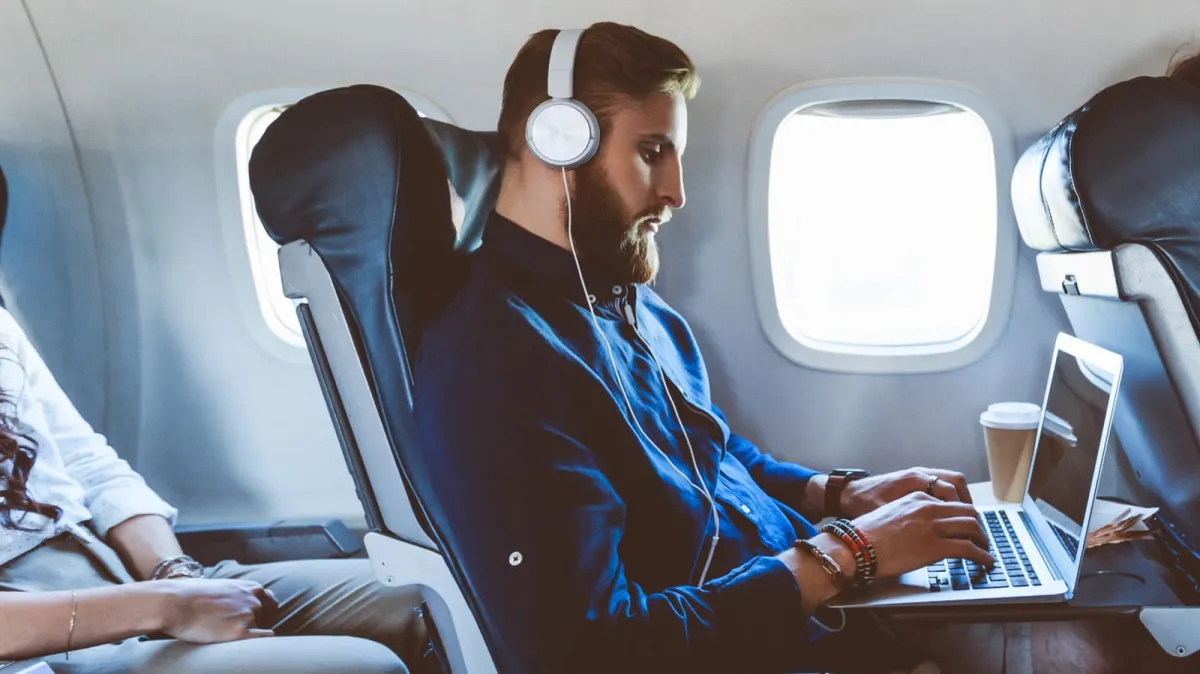
United Airlines has updated its Contract of Carriage to mandate headphone use for all personal audio, making a long-standing etiquette an enforceable rule.
Key Takeaways
- •Mandates headphone use for personal audio via an updated Contract of Carriage effective Feb. 27, 2026.
- •Empowers crew to refuse transport or issue a permanent ban for non-compliant passengers.
- •Ties the new rule to the expansion of high-speed Wi-Fi and a shift toward BYOD entertainment.
- •Becomes the first major U.S. airline to make headphone etiquette a formally enforceable policy.
United Airlines has formally codified a long-standing point of passenger etiquette into a binding rule, updating its official Contract of Carriage to mandate the use of headphones for any audio from personal devices. The change, which took effect on February 27, 2026, grants the airline the authority to refuse transport to passengers who fail to comply, signaling a stricter approach to managing the in-flight environment.
The policy shift addresses the common passenger complaint of disruptive noise from others watching movies, listening to music, or playing games without headphones. By incorporating this requirement directly into its legal contract with passengers, United moves the issue from a simple courtesy request to an enforceable policy. According to the updated contract, failure to use headphones now falls under Rule 21, "Refusal of Transport," giving flight crews the backing to remove a non-compliant passenger or even issue a permanent ban from the airline.
Policy Details and Justification
The move comes as United Airlines (UAL) continues to invest in its customer experience, having achieved its highest-ever fourth-quarter customer satisfaction score in its Q4 2025 report. The airline is also expanding its use of high-speed satellite internet, which is expected to increase passenger use of personal devices for streaming. This trend is part of a broader industry shift toward Bring Your Own Device (BYOD) entertainment, where passengers access the airline’s content library on their own smartphones, tablets, and laptops.
A United spokesperson clarified the reasoning behind the change: "We've always encouraged customers to use headphones when listening to audio content — and our Wi-Fi rules already remind customers to use headphones. With the expansion of Starlink, it seemed like a good time to make that even clearer by adding it to the contract of carriage."
This policy applies to United's entire mainline fleet, which consists of 1,069 aircraft as of March 2026. While the rule is strict, the airline's official in-flight entertainment information states that flight attendants can provide complimentary earbuds to passengers who have forgotten their own, subject to availability. This measure aims to prevent conflict and ensure compliance without unduly penalizing forgetful travelers.
Industry and Regulatory Context
While the Federal Aviation Administration (FAA) governs the use of Personal Electronic Devices (PEDs) onboard aircraft under regulation 14 CFR § 121.306, its primary focus is on preventing interference with navigation and communication systems. The FAA allows individual airlines to set their own policies regarding the manner in which these devices are used. United appears to be the first major U.S. carrier to elevate the use of headphones from a recommendation to a formal, enforceable condition of travel within its Contract of Carriage.
This formalization of passenger etiquette into policy reflects a growing need for airlines to manage the cabin environment as reliance on personal devices for In-Flight Entertainment (IFE) increases. The BYOD model reduces airline costs associated with installing and maintaining heavy seatback screens, but it transfers the responsibility for managing the audio experience to both the passenger and the crew. By creating a clear rule with defined consequences, United aims to reduce ambiguity and empower its crews to address noise-related disturbances decisively.
Why This Matters
This policy update by United Airlines is significant as it sets a new precedent for managing passenger conduct in the age of personal device entertainment. By codifying a common courtesy into its legal contract, the airline provides its crews with clear authority to enforce a quieter cabin environment, directly addressing a frequent source of passenger complaints. The move may prompt other major carriers to review their own policies, potentially leading to an industry-wide standard for personal audio consumption on flights.
For in-depth airline coverage and commercial aviation news, omniflights.com delivers timely industry insights. For reporting on UAP sightings, investigations, and aviation-related encounters, see the UAPs section at omniflights.com/uaps.

Written by Ujjwal Sukhwani
Aviation News Editor & Industry Analyst delivering clear coverage for a worldwide audience. Covers flight operations, safety regulations, and market trends with expert analysis.
Visit ProfileYou Might Also Like
Southwest Reports Record Q3 Revenue Amid Transformation
American Airlines Reports Record Q3 Revenue Amid Fuel Costs
American Airlines Projects 2026 Loss on Rising Fuel Costs
American Airlines to Nearly Triple Premium 787-9 Fleet
Airline Shares Rise Following United Revenue Guidance