United Airlines Delay Sparks Debate on Refund Mandates

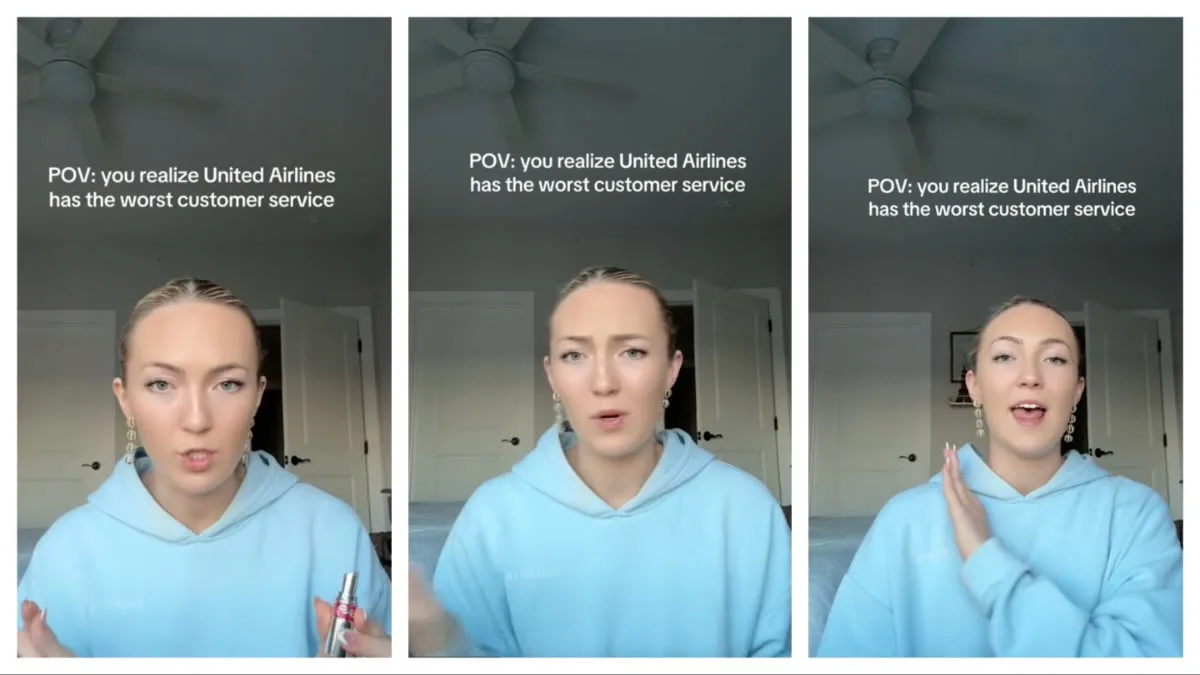
A passenger's partial refund highlights the intersection of US DOT automatic refund rules and EU261 compensation for transatlantic flight delays.
Key Takeaways
- •EU261 mandates €600 compensation for long-haul delays exceeding three hours.
- •US DOT rules require cash refunds for international delays over six hours.
- •Airlines must process refunds within 7-20 days under new federal mandates.
- •Passengers are entitled to cash rather than airline-issued travel vouchers.
A recent passenger experience involving a United Airlines flight from France to Orlando has brought renewed attention to the complexities of international air travel compensation. After encountering repeated delays, the passenger received only a partial refund, a situation that underscores the tension between airline-issued vouchers and mandatory regulatory entitlements. This case highlights the necessity for travelers to understand their rights under both the US DOT (Department of Transportation) automatic refund rules and the EU261 (European Union Regulation (EC) No 261/2004) framework.
Navigating Transatlantic Compensation Frameworks
For passengers departing from European airports, the legal landscape for compensation is robust. Under EU261, passengers on flights over 3,500 km that arrive at their final destination more than three hours late are entitled to €600 in financial compensation. Because the flight in question originated in France, this regulation legally obligates the operating carrier to provide standardized monetary relief, regardless of the airline's home country. This entitlement is distinct from the refund of the ticket price itself, which is governed by US federal law for flights arriving in or departing from the United States.
In late 2024, the US DOT finalized its rule on automatic refunds, which mandates that airlines issue prompt cash refunds—not vouchers—for significantly delayed or canceled flights. The US DOT automatic refund rule defines a significant delay as three hours for domestic flights and six hours for international flights. Under these regulations, airlines are required to process cash refunds within seven business days for credit card purchases and 20 calendar days for other payment methods. Travelers can consult the Aviation Consumer Protection portal for official guidance on these requirements.
The Shift Toward Automatic Enforcement
Historically, passengers often faced a cumbersome process when seeking redress for travel disruptions, frequently being offered travel vouchers valid for one to five years rather than cash. This practice has been largely curtailed by the current regulatory environment. The US DOT enforcement action in late 2022, which saw over $600 million in combined refunds and penalties ordered against various carriers, served as a precursor to the 2024 mandate. US Transportation Secretary Pete Buttigieg noted that the new rules aim to ensure passengers receive their money back without the need for haggling or navigating complex claim processes.
However, the industry remains divided. The A4A (Airlines for America), the primary trade association representing major US carriers, has argued that strict automatic refund mandates represent federal overreach. Industry stakeholders suggest that such regulations could potentially lead to increased base fares and reduce the flexibility carriers have to offer alternative accommodations or rebooking options during irregular operations.
Understanding Passenger Rights
Passengers affected by delays should be aware of the specific protections afforded to them by international and domestic law. For detailed information on entitlements for flights departing from the European Union, travelers should refer to the Air passenger rights - Your Europe guide. The transition from voucher-based compensation to automatic cash refunds represents a significant shift in the aviation industry, forcing airlines to upgrade internal accounting systems to handle these payments within the mandated 7-to-20-day windows.
Regulatory Milestones and Future Outlook
While the current rules provide clear protections, the regulatory environment continues to evolve. The US DOT is expected to conduct a potential review of these automatic refund mandates by late 2026. This review will likely assess the impact of the regulations on both consumer satisfaction and airline operational costs. As the industry adapts, the expectation is that passengers will increasingly utilize third-party claim agencies or credit card chargebacks when carriers fail to comply with the established standards, further pressuring airlines to prioritize transparency in their customer service disputes.
Frequently Asked Questions
- What is the US DOT rule for international flight delays?
- The US DOT automatic refund rule mandates that airlines provide prompt cash refunds for international flights that experience a significant delay of 6 hours or more.
- Am I entitled to compensation for a flight delayed from France?
- Yes, under EU261, passengers on flights departing from the EU that arrive at their destination more than 3 hours late may be entitled to up to €600 in compensation, depending on the flight distance.
Stay ahead of the airline industry with commercial aviation news from omniflights.com. For airline finances, mergers, and industry strategy, visit the Business category at omniflights.com/business.

Written by Hardik Vishwakarma
Co-Founder & Aviation News Editor leading initiatives that improve trust and visibility across the global aviation industry. Covers airlines, airports, safety, and emerging technology.
Visit ProfileYou Might Also Like
FAA Clears Boeing 737 MAX 10 Software Glitch

FAA Faces $3.5 Billion Shortfall in ATC Modernization
FAA Pauses Flights into LAX Due to Staffing Shortages
FAA Proposes Ending Overland Supersonic Flight Ban

DOT Rule Exempts Airlines From Cyberattack Delay Costs