BETA Technologies Completes First FAA eIPP Cargo Flights

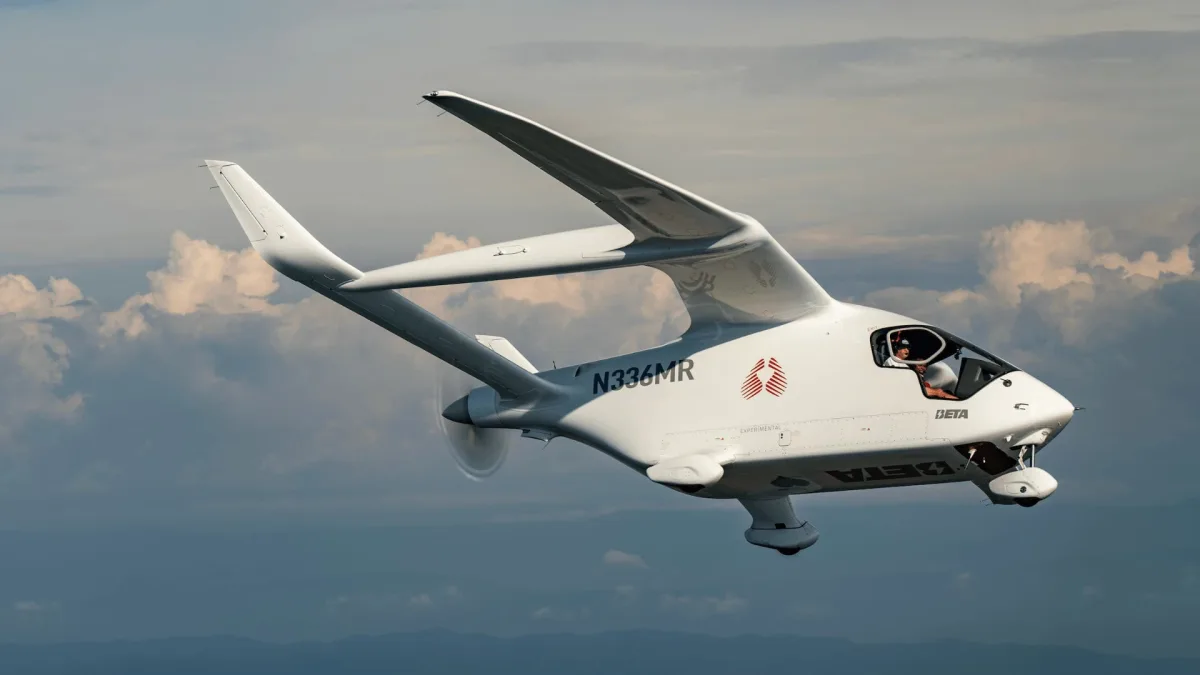
BETA Technologies conducted the first electric cargo flights under the FAA's eIPP, transporting organs for United Therapeutics across two states.
Key Takeaways
- •BETA Technologies completed the first FAA eIPP flights on July 10, 2026.
- •The 275-nautical-mile flight transported organs for United Therapeutics.
- •BETA targets FAA type certification for the ALIA CX300 in 2027.
- •The company participates in 7 of the 8 current FAA eIPP programs.
First Operational Flights Under FAA eIPP
Aerospace innovator BETA Technologies has successfully completed the inaugural series of electric aircraft flights under the Federal Aviation Administration (FAA) eVTOL Integration Pilot Program (eIPP). Conducted on July 10, 2026, the mission utilized the company's ALIA CX300 Conventional Takeoff and Landing (CTOL) aircraft to transport manufactured organs for United Therapeutics. This milestone marks a significant step in the integration of Advanced Air Mobility (AAM) operations into the National Airspace System (NAS).
Operational Scope and Medical Logistics
The mission covered a 275-nautical-mile multistate corridor spanning Virginia and Maryland. By focusing on United Therapeutics organ transport, BETA is demonstrating the viability of electric medical logistics as a primary revenue-generating use case. According to BETA Technologies founder and chief executive officer Kyle Clark, these successful missions establish a foundation for routine medical applications through electric flight at a significantly lower cost nationwide. The ALIA CX300 used in the test features a demonstrated flight range of 337 nautical miles, providing the necessary endurance for regional logistics networks.
Regulatory Strategy and Market Context
The eIPP was launched by the FAA and the U.S. Department of Transportation (DOT) in March 2026 to accelerate the safe deployment of electric aircraft. BETA's strategy involves a phased certification via CTOL approach, which allows the company to bypass the complex regulatory hurdles currently delaying vertical takeoff certifications. This strategy is supported by the company's significant involvement in federal testing, as BETA Technologies was selected to participate in 7 of the 8 eIPP launch programs across the U.S. Aviation market analysts have noted that due to ongoing certification complexities and high capital requirements, commercial passenger air taxi services remain years away. Consequently, specialized medical and cargo logistics represent the most viable near-term path for the electric aviation sector.
ALIA CX300 vs ALIA-250: Key Specifications
| Metric | ALIA CX300 | ALIA-250 |
|---|---|---|
| Configuration | CTOL | eVTOL |
| Target Certification | 2027 | 2028 |
Historical Precedents in Regulatory Integration
The current eIPP initiative mirrors the strategy employed during the FAA UAS Integration Pilot Program (IPP) in October 2017. That program successfully accelerated Part 135 certifications for drone delivery operators, such as Wing and UPS Flight Forward. The current eIPP strategy relies on similar regional pilot projects to gather critical operational data and draft integration rules for the new class of electric aircraft. This precedent suggests that the data gathered during the Maryland and Virginia flights will be instrumental in shaping future FAA certification policies.
The Path to Certification
Looking ahead, the industry is tracking key milestones for BETA's aircraft programs. The FAA type certification for the BETA ALIA CX300 is expected in 2027, followed by the certification of the BETA ALIA-250 eVTOL in 2028. These certifications will determine the pace at which the company can scale its operations beyond the current pilot programs. Regional airports, such as Frederick Municipal and Charlottesville-Albemarle, are already positioning themselves as early adopters of the necessary charging infrastructure required to support these aircraft.
Why This Matters for the AAM Industry
This development signals a shift in the AAM landscape from purely theoretical models to active, revenue-generating operations. For stakeholders like United Therapeutics, the success of these flights validates the potential for a zero-emission, cost-effective logistics network. Furthermore, BETA's progress increases competitive pressure on other eVTOL manufacturers, such as Joby and Archer, who are also vying for dominance in the emerging electric aviation market. The ability to demonstrate real-world utility in a controlled regulatory environment provides a distinct advantage in securing long-term market share.
Frequently Asked Questions
- What is the primary purpose of the FAA's eVTOL Integration Pilot Program?
- The eIPP is a federal initiative launched by the FAA and DOT to test real-world Advanced Air Mobility operations, generating data to inform future certification policies and airspace integration rules.
- Why is BETA Technologies focusing on the ALIA CX300 CTOL aircraft?
- BETA is using the CTOL version of its aircraft to bypass the complex regulatory hurdles currently delaying vertical takeoff certifications, allowing the company to build operational experience through cargo and medical logistics before moving to passenger services.
Access up-to-date commercial aviation news and airline industry developments via omniflights.com. From aircraft production to supply chains, commercial aviation manufacturing news is covered at omniflights.com/manufacturing.

Written by Hardik Vishwakarma
Co-Founder & Aviation News Editor leading initiatives that improve trust and visibility across the global aviation industry. Covers airlines, airports, safety, and emerging technology.
Visit ProfileYou Might Also Like

FAA Clears Boeing 737 MAX 10 Software Glitch

FAA Faces $3.5 Billion Shortfall in ATC Modernization

FAA Pauses Flights into LAX Due to Staffing Shortages

FAA Proposes Ending Overland Supersonic Flight Ban

DOT Rule Exempts Airlines From Cyberattack Delay Costs