FAA Finalizes Part 108 Rule for Routine BVLOS Drone Flights

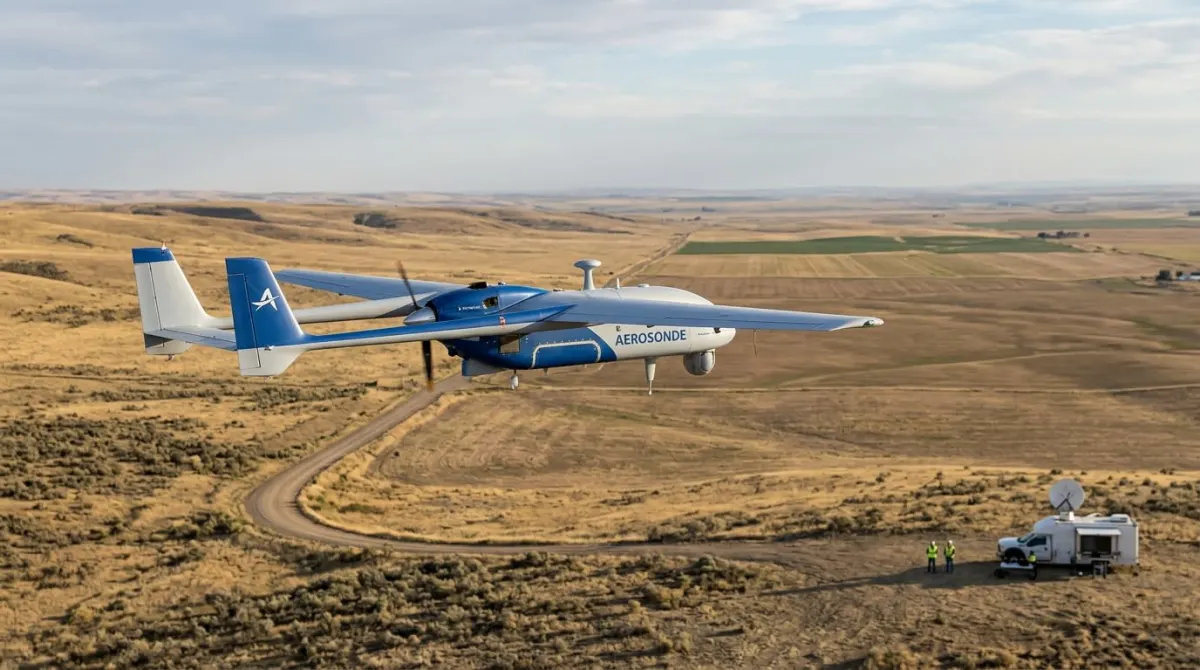
The FAA's new Part 108 rule establishes a standardized framework for commercial BVLOS drone operations, replacing the need for individual waivers.
Key Takeaways
- •FAA Part 108 rule replaces individual waivers for routine BVLOS drone flights.
- •New framework supports drone operations for aircraft weighing up to 1,320 pounds.
- •Operators must now implement formal Safety Management Systems for BVLOS flights.
- •Part 146 creates certification pathways for Automated Data Service Providers.
The FAA (Federal Aviation Administration) has officially finalized the FAA Part 108 rule, marking a pivotal shift in the integration of uncrewed aircraft into the national airspace. This regulatory framework facilitates routine commercial drone operations by enabling BVLOS (Beyond Visual Line of Sight) flights without the requirement for case-by-case waivers. As detailed in the Federal Register, this move establishes a comprehensive regulatory framework for routine commercial beyond-visual-line-of-sight drone operations without individual waivers.
Expanding Operational Scope
The new rule significantly broadens the capabilities for operators. Part 108 supports drone operations at or below 400 feet above ground level for aircraft weighing up to 1,320 pounds. This is a substantial increase from the 55-pound limit previously mandated under Part 107. By shifting from individual operational waivers to standardized organizational certification pathways, the FAA aims to streamline the deployment of wide-scale BVLOS drone delivery networks. Commercial operators such as Wing, Amazon Prime Air, and Zipline are expected to benefit from reduced administrative overhead and accelerated time-to-market for complex logistics missions.
Safety Management and Regulatory Integration
A core component of the new framework is the mandatory implementation of SMS (Safety Management Systems). Part 108 shifts the safety burden from individual pilots to the corporate level, requiring formal SMS programs for all organizations operating BVLOS for compensation. This transition aligns uncrewed aviation with traditional aviation safety standards. Furthermore, the FAA introduced Part 146 as a companion regulation, creating a certification pathway for ADSP (Automated Data Service Provider) entities. These providers will manage drone traffic and data, ensuring safe deconfliction in low-altitude airspace.
Industry and Stakeholder Perspectives
The rulemaking process was extensive, with the FAA receiving more than 3,100 public comments during the initial NPRM (Notice of Proposed Rulemaking) period. Over half of these comments addressed controversial right-of-way proposals. While the rule provides a path forward, it has drawn mixed reactions. Lisa Ellman, CEO of the Commercial Drone Alliance (CDA), noted that industry members expressed concerns regarding the strictness of the requirements, suggesting that many current operations would struggle to meet the new criteria immediately.
Conversely, the AOPA (Aircraft Owners and Pilots Association) has voiced safety concerns regarding the integration of uncrewed aircraft into airspace shared by manned, low-altitude pilots. Jim McClay, AOPA Director of Airspace, Air Traffic, and Security, emphasized that the drone community must share the responsibility to detect and avoid manned aircraft. The AOPA has argued that granting uncrewed aircraft presumptive right-of-way over manned aircraft without ADS-B Out could endanger pilots who rely on traditional visual procedures.
Historical Context and Future Milestones
The implementation of Part 108 follows the precedent set by 14 CFR Part 107, which was established in August 2016 to govern routine commercial use of small UAS within visual line of sight. The transition toward BVLOS was further informed by early experimental efforts, such as the first FAA BVLOS waiver granted to Xcel Energy in August 2018. Looking ahead, the FAA expects the transition of agricultural spraying and dispensing operations from Part 137 to Part 108 compliance to occur between late 2026 and 2027. This shift will likely solidify the role of DAA (Detect and Avoid) technology in ensuring consistent safety across all commercial uncrewed missions.
Frequently Asked Questions
- What is the weight limit for drones under the new FAA Part 108 rule?
- The FAA Part 108 rule supports drone operations for aircraft weighing up to 1,320 pounds, which is a significant increase from the 55-pound limit under the previous Part 107 regulations.
- Does the Part 108 rule require individual waivers for BVLOS operations?
- No, the Part 108 rule establishes a standardized regulatory framework that eliminates the need for operators to obtain individual, case-by-case waivers for routine commercial beyond-visual-line-of-sight drone flights.
omniflights.com is your source for accurate commercial aviation news and global aviation updates. Discover how innovation is shaping aviation through aircraft systems, avionics, and digital tools at omniflights.com/technology.

Written by Hardik Vishwakarma
Co-Founder & Aviation News Editor leading initiatives that improve trust and visibility across the global aviation industry. Covers airlines, airports, safety, and emerging technology.
Visit ProfileYou Might Also Like
FAA Clears Boeing 737 MAX 10 Software Glitch

FAA Faces $3.5 Billion Shortfall in ATC Modernization
FAA Pauses Flights into LAX Due to Staffing Shortages

FAA Proposes Ending Overland Supersonic Flight Ban

DOT Rule Exempts Airlines From Cyberattack Delay Costs