AERA Proposes Ban on Pre-Funding Airport Infrastructure

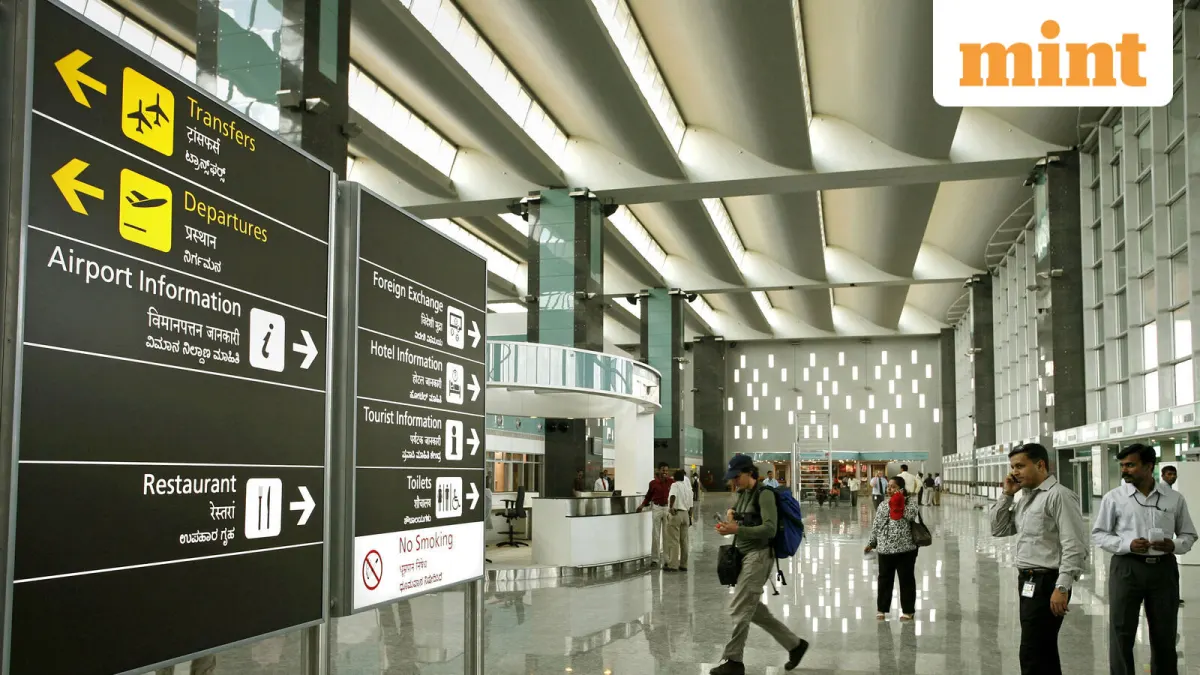
The Airports Economic Regulatory Authority of India plans to end the pre-funding of airport projects through passenger User Development Fees.
Key Takeaways
- •AERA proposes banning UDF collection for unbuilt airport infrastructure.
- •Operators must now secure private debt to fund expansion projects.
- •Proposed rules aim to lower ticket costs by removing advance passenger fees.
- •Final regulatory guidelines are expected to take effect in late 2026.
AERA Shifts Infrastructure Financing Policy
The Airports Economic Regulatory Authority of India (AERA) has initiated a significant regulatory pivot, proposing to eliminate the long-standing practice of pre-funding Capital Expenditure (CAPEX) through passenger charges. Under the current framework, airport operators have been permitted to recover costs for expansion projects from passengers up to five years before the relevant assets are commissioned. The regulator’s new stance mandates that these fees can only be levied once infrastructure projects are fully completed and operational, effectively ending the use of User Development Fees (UDF) as a mechanism for advance financing.
This move represents a major change in India aviation regulation, aiming to protect passengers from paying for facilities that are not yet in service. The policy shift follows years of debate regarding the fairness of charging travelers for future infrastructure, a practice that the International Air Transport Association (IATA) has historically characterized as inequitable. By aligning with this principle, AERA airport tariff overhaul efforts seek to ensure that consumers only pay for services they actually utilize.
Impact on Major Airport Operators
The regulatory proposal has immediate implications for private airport operators, such as the GMR Hyderabad International Airport Limited (GHIAL). In its recent tariff consultation for the 2027-2031 control period, GHIAL proposed a revised UDF of Rs 580 for departing domestic passengers and Rs 170 for arriving domestic passengers. With the airport projecting annual passenger traffic to cross 51 million by FY2031, the operator relies heavily on these charges to manage cash flow. Under the proposed rules, operators will now be required to secure independent funding or debt for expansion projects during the construction phase, shifting the financial risk from the passenger to the operator.
While this change benefits passengers by reducing immediate ticket costs at expanding airports, the Association of Private Airport Operators (APAO) has raised concerns. According to the association, the elimination of pre-funding could strain operator cash flows, potentially leading to increased debt burdens or delays in critical capacity expansions. Conversely, airlines have long argued that high advance fees artificially inflate ticket prices and depress demand, making this regulatory shift a welcome development for carriers like IndiGo and Air India.
Historical Context and Regulatory Precedent
This regulatory development is not without historical weight. In 2011, the Supreme Court of India ruled that development fees used for pre-funding were essentially taxes rather than service charges, necessitating stricter oversight. This precedent laid the foundation for the current AERA push to ensure transparency in how airport infrastructure is financed. The current proposal effectively closes the loophole that allowed operators to treat passengers as interest-free lenders for multi-year construction projects.
Implementation Timeline for New Tariffs
The Airports Economic Regulatory Authority of India is expected to finalize the new guidelines by late 2026. This timeline coincides with the anticipated issuance of the Final Tariff Order for the fourth control period at Rajiv Gandhi International Airport. As the regulator moves toward implementation, airport operators and infrastructure financiers are recalibrating their models to account for the loss of advance passenger cash flows. The industry is now watching closely to see how this shift impacts the pace of airport development in major hubs like Bengaluru and Hyderabad.
Why This Matters for Aviation Stakeholders
For passengers, the ruling signals a shift toward more transparent pricing where fees are tied directly to usable assets. For the broader aviation industry, it represents a fundamental change in the economics of infrastructure delivery in India. By forcing operators to rely on traditional project financing, the regulator is placing the burden of construction risk squarely on the entities best positioned to manage it, rather than on the traveling public.
Frequently Asked Questions
- What is the primary change proposed by AERA regarding airport fees?
- AERA has proposed to eliminate the practice of allowing airport operators to collect User Development Fees from passengers to pre-fund infrastructure projects before they are built and operational.
- How will the new AERA policy affect airport operators?
- Airport operators will no longer be able to rely on interest-free advance payments from passengers to finance construction. They will be required to secure alternative project financing, such as debt or equity, during the construction phase of major infrastructure projects.
For in-depth airline coverage and commercial aviation news, omniflights.com delivers timely industry insights. Stay informed on aviation incidents, investigations, and best practices in the Safety category at omniflights.com/safety.

Written by Hardik Vishwakarma
Co-Founder & Aviation News Editor leading initiatives that improve trust and visibility across the global aviation industry. Covers airlines, airports, safety, and emerging technology.
Visit ProfileYou Might Also Like

FAA Clears Boeing 737 MAX 10 Software Glitch

FAA Faces $3.5 Billion Shortfall in ATC Modernization

FAA Pauses Flights into LAX Due to Staffing Shortages

FAA Proposes Ending Overland Supersonic Flight Ban

DOT Rule Exempts Airlines From Cyberattack Delay Costs