Supreme Court Seeks Rules for Bharatiya Vayuyan Adhiniyam

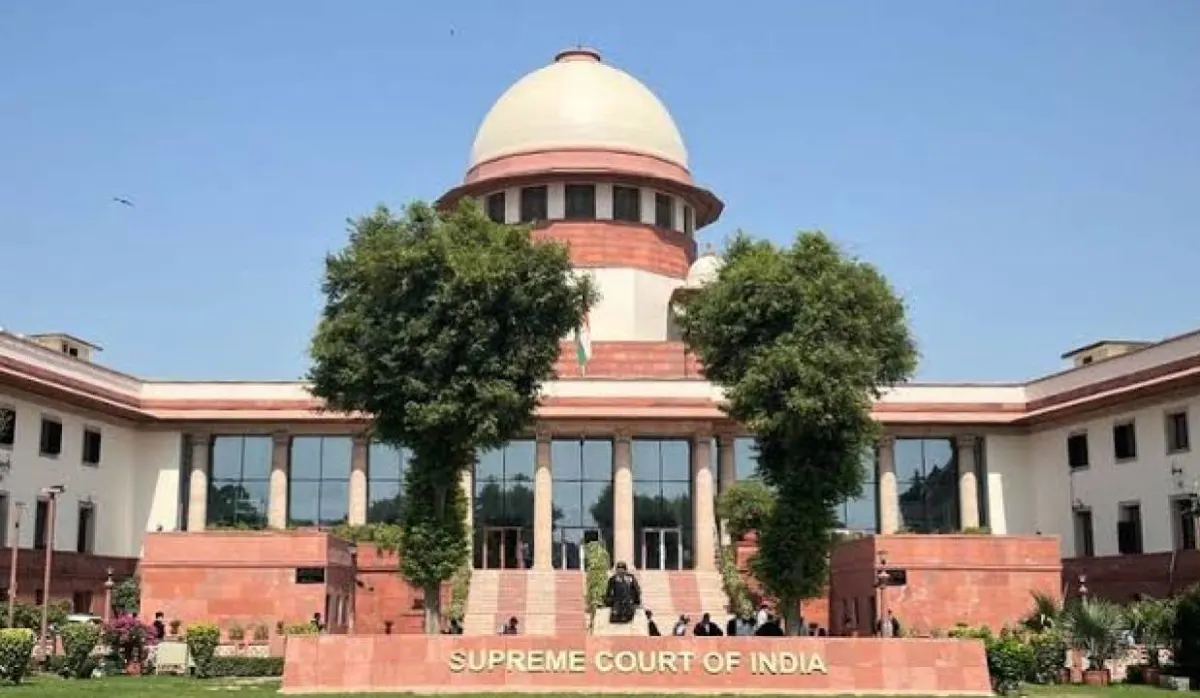
The Supreme Court ordered the Centre to submit new aviation rules within two weeks to address concerns regarding airfare regulation and passenger rights.
Key Takeaways
- •Supreme Court ordered Centre to submit new aviation rules within two weeks.
- •Plea targets surge pricing and reduced baggage allowances in India.
- •Bharatiya Vayuyan Adhiniyam 2024 replaced the 1934 Aircraft Act.
- •Next court hearing on airfare regulation is set for August 3, 2026.
Supreme Court Directive on Aviation Rules
The Supreme Court of India has directed the central government to submit the rules framed under the Bharatiya Vayuyan Adhiniyam, 2024, within two weeks. A bench comprising Justices Vikram Nath and Sandeep Mehta issued the order in a case addressing Supreme Court airfare regulation and the broader need for an Indian aviation regulator. The court requested that the government present these rules in a sealed cover, regardless of their current status regarding presentation before Parliament.
The S Laxminarayanan Petition
This legal action stems from a plea filed by social activist S Laxminarayanan, which challenges the current lack of transparency in airline pricing and the erosion of passenger rights. The petition highlights systemic industry trends, specifically airline surge pricing in India and the unbundling of services. A key point of contention is the reduction of free check-in baggage allowances, which private airlines have decreased from 25 kg to 15 kg for economy class passengers. The petitioner argues that the existing Directorate General of Civil Aviation (DGCA) lacks the necessary mechanism to independently regulate pricing practices, leaving passengers vulnerable to exorbitant fares during peak travel periods.
Regulatory Context and Market Dynamics
The Bharatiya Vayuyan Adhiniyam, 2024, which officially came into effect in January 2025, replaces the 90-year-old Aircraft Act of 1934. The Ministry of Civil Aviation (MoCA) is now tasked with drafting the specific rules that will govern the sector under this new framework. Historically, the industry has operated under Rule 135 of the Aircraft Rules, 1937, which mandates that airlines establish tariffs based on operating costs and reasonable profit. However, petitioners contend that this rule has failed to prevent predatory pricing.
Industry operators and the International Air Transport Association (IATA) argue that dynamic pricing is essential for commercial viability, citing the volatility of Aviation Turbine Fuel (ATF) costs. This perspective contrasts with the regulatory interventions seen during the COVID-19 pandemic, when the government imposed temporary price bands from May 2020 to August 2022 to prevent gouging. The 1994 repeal of the Air Corporations Act, which ended the state monopoly, initiated the deregulation that led to the current dynamic pricing models now being scrutinized by the court.
Technical Analysis of the Regulatory Gap
The current dispute centers on the transition from a deregulated market to one that may require stronger consumer oversight. The data suggests that airlines increasingly rely on ancillary revenue—such as charges for baggage, seat selection, and meals—to maximize yields. This shift, combined with algorithmic pricing during festivals, has prompted the judiciary to seek a more robust regulatory mechanism. If the court enforces stricter fare caps or mandates minimum baggage allowances, it could significantly impact the revenue models of private carriers like IndiGo, Air India, and Akasa Air. The outcome of this case may necessitate the creation of a dedicated economic oversight wing, effectively shifting authority away from the DGCA's traditional safety-focused mandate.
Next Steps in the Legal Process
The government is expected to submit the finalized rules by late July 2026. The matter is scheduled for its next hearing on August 3, 2026, where the Supreme Court will evaluate whether the new rules under the 2024 Act provide sufficient protection against the issues raised in the petition.
Why This Matters for Passengers
This case represents a critical inflection point for consumer protection in the Indian aviation sector. For passengers, the outcome could lead to standardized baggage policies and relief from extreme price volatility during festive seasons. For the aviation industry, the court's intervention signals a potential move toward re-regulation, testing the balance between airline operational freedom and the state's interest in safeguarding the traveling public.
Frequently Asked Questions
- What is the Bharatiya Vayuyan Adhiniyam, 2024?
- The Bharatiya Vayuyan Adhiniyam, 2024 is the new aviation act in India that replaced the 1934 Aircraft Act. It officially came into effect in January 2025 and provides the statutory framework for regulating aircraft operations and passenger rights.
- Why is the Supreme Court involved in airfare regulation?
- The Supreme Court is hearing a plea by social activist S Laxminarayanan, which raises concerns about exorbitant surge pricing during festivals, high ancillary charges, and reduced baggage allowances. The court is seeking to determine if current rules under the new 2024 Act provide an adequate mechanism to protect passengers from these practices.
For in-depth airline coverage and commercial aviation news, omniflights.com delivers timely industry insights. Stay informed on aviation incidents, investigations, and best practices in the Safety category at omniflights.com/safety.

Written by Hardik Vishwakarma
Co-Founder & Aviation News Editor leading initiatives that improve trust and visibility across the global aviation industry. Covers airlines, airports, safety, and emerging technology.
Visit ProfileYou Might Also Like
FAA Clears Boeing 737 MAX 10 Software Glitch

FAA Faces $3.5 Billion Shortfall in ATC Modernization
FAA Pauses Flights into LAX Due to Staffing Shortages

FAA Proposes Ending Overland Supersonic Flight Ban

DOT Rule Exempts Airlines From Cyberattack Delay Costs